
2 Samuel 14:7
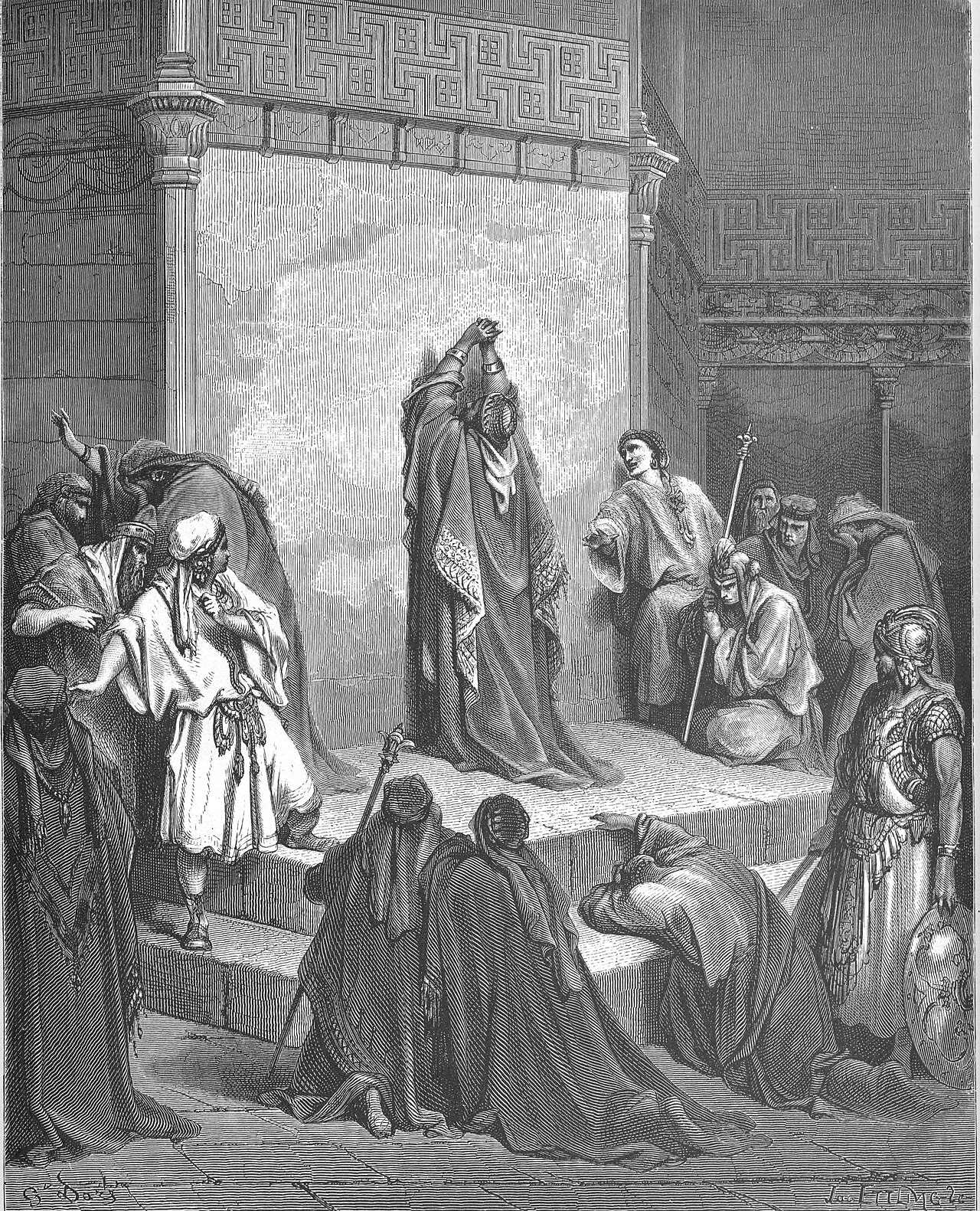
in 2 Samuel 14Now the whole clan has risen up against your maidservant and said, ‘Hand over the one who struck down his brother, that we may put him to death for the life of the brother whom he killed. Then we will cut off the heir as well!’ So they would extinguish my one remaining ember by not preserving my husband’s name or posterity on the earth.”
BSB
The same verse in ASV and KJV ▾
ASV
And, behold, the whole family is risen against thy handmaid, and they say, Deliver him that smote his brother, that we may kill him for the life of his brother whom he slew, and so destroy the heir also. Thus will they quench my coal which is left, and will leave to my husband neither name nor remainder upon the face of the earth.
KJV
And, behold, the whole family is risen against thine handmaid, and they said, Deliver him that smote his brother, that we may kill him, for the life of his brother whom he slew; and we will destroy the heir also: and so they shall quench my coal which is left, and shall not leave to my husband neither name nor remainder upon the earth.
⋯
This verse in 2 Samuel 14
Commentary
8 notes on this verseA commentator
Albert Barnes1798–1870
Notes, Explanatory and Practical, on the Old and New Testaments (1832-1869)
The whole family ... - This indicates that all the king’s sons, and the whole court, were against Absalom, and that the knowledge of this was what hindered David from yielding to his affection and recalling him.
This site's exposition
they two strove together in the field
on 2 Samuel 14:6-7
The parable is a small courtroom: two sons strive in a field with no one to part them, one kills the other, and the family now demands the survivor's life under the law of blood for blood. Her plea widens the stakes past one death, for killing the surviving son quenches her last coal and erases her husband's name from the earth. Jamieson Fausset and Brown read the coal as the last spark of a house's continuance, the same image Scripture uses elsewhere for a king's own life and line.
This site's exposition
my one remaining ember
Adam Clarke explains that the family took up the office of avenger of blood, the nearest kin having the right to slay a killer, as Numbers 35:19 provides. Their words about the heir betray a motive of gain. Albert Barnes sees in the whole family the royal court, which stood against Absalom's return.
The record, by era
The Puritans and the Awakening2 voices
And, behold, the whole family is risen against thine handmaid,....
The king promised her his favour and a protection for her son. Observe how she improved the king's compassionate concessions. (1.) Upon the representation of her case he promised to consider of it and to give orders about it,
The Nineteenth Century3 voices
A commentator
Jamieson, Fausset & Brown1802–1910
Commentary Critical and Explanatory on the Whole Bible (1871)
To quench the light of Israel (2Sa 21:17) is to destroy the king's life; to ordain a lamp for any one (Ps 132:17) is to grant him posterity; to quench a coal signifies here the extinction of this woman's only remaining hope that the name and family of her husband would be preserved.
A commentator
Jamieson, Fausset & Brown1802–1910
Commentary Critical and Explanatory on the Whole Bible (1871)
proposed
And Joab sent to Tekoah, and fetched thence a wise woman--The king was strongly attached to Absalom; and having now got over his sorrow for the violent death of Amnon, he was desirous of again enjoying the society of his favorite son, who had now been three long years absent.
The whole family is risen - They took on them the part of the avenger of blood; the nearest akin to the murdered person having a right to slay the murderer. They shall quench my coal which is left - A man and his descendants or successors are often termed in Scripture a lamp or light. So, 2Sa 21:17, the men of David said, when they sware that he should no more go out with them to battle, That thou Quench not the Light of Israel. See also Psa 132:17. And to raise up a lamp to a person signifies his having a posterity to continue his name and family upon the earth: thus, quench my coal that is left means destroying all hope of posterity, and extinguishing the family from among the people. The heathens made use of the same similitude. The few persons who survived the deluge of Deucalion are termed ζωπυρα living coals, because by them the vital flame of the human race was to be rekindled on the earth.
The words behind it
33 Hebrew wordsEvery Hebrew word of this verse in the order it stands, with what it means and the door to its own study. The last column counts the times a word stands in the whole Bible: the rarer the word, the more the places it appears belong together.
| Hebrew | Sound | Meaning | Word study | In the Bible |
|---|---|---|---|---|
| וְהִנֵּה֩ | vehineh | and there! | H2009 → | 843 times |
| קָ֨מָה | kamah | it has risen up | H6965 → | 628 times |
| כָֽל־ | khol- | all | H3605 → | 5413 times |
| הַמִּשְׁפָּחָ֜ה | hamishpachah | the clan | H4940 → | |
| עַל־ | ʾal- | on | H5921 → | 5755 times |
| שִׁפְחָתֶ֗ךָ | shifchatekha | maidservant your | H8198 → | 63 times |
| וַיֹּֽאמְרוּ֙ | vaiyomeru | and they have said | H559 → | 5305 times |
| תְּנִ֣י׀ | teni | deliver up | H5414 → | 2011 times |
| אֶת־ | ʾet- | <obj.> | H853 → | 10935 times |
| מַכֵּ֣ה | makeh | [the] [one who] struck down | H5221 → | 499 times |
| אָחִ֗יו | ʾachiv | <of> brother his | H251 → | 630 times |
| וּנְמִתֵ֙הוּ֙ | unemitehu | so we may put to death him | H4191 → | 839 times |
| בְּנֶ֤פֶשׁ | benefesh | for [the] life of | H5315 → | 754 times |
| אָחִיו֙ | ʾachiv | brother his | H251 → | 630 times |
| אֲשֶׁ֣ר | ʾasher | whom | H834 → | 5497 times |
| הָרָ֔ג | harag | he killed | H2026 → | 167 times |
| וְנַשְׁמִ֖ידָה | venashmidah | and let us destroy | H8045 → | 90 times |
| גַּ֣ם | gam | also | H1571 → | 769 times |
| אֶת־ | ʾet- | <obj.> | H853 → | 10935 times |
| הַיּוֹרֵ֑שׁ | haiyoresh | the heir | H3423 → | |
| וְכִבּ֗וּ | vekhibu | and they will extinguish | H3518 → | |
| אֶת־ | ʾet- | <obj.> | H853 → | 10935 times |
| גַּֽחַלְתִּי֙ | gachalti | coal my | H1513 → | 18 times |
| אֲשֶׁ֣ר | ʾasher | which | H834 → | 5497 times |
| נִשְׁאָ֔רָה | nisharah | it is left | H7604 → | |
| לְבִלְתִּ֧י | levilti | to not | H1115 → | 112 times |
| שִׂים | som- | to establish | H7760 → | 584 times |
| לְאִישִׁ֛י | leishi | for husband my | H376 → | 1663 times |
| שֵׁ֥ם | shem | a name | H8034 → | 864 times |
| וּשְׁאֵרִ֖ית | usheerit | and a remnant | H7611 → | |
| עַל־ | ʾal- | on | H5921 → | 5755 times |
| פְּנֵ֥י | penei | [the] surface of | H6440 → | 2123 times |
| הָאֲדָמָֽה׃ פ | haadamah | the ground | H127 → | 225 times |
וְהִנֵּה֩and there!
vehinehH2009 →843 times
קָ֨מָהit has risen up
kamahH6965 →628 times
כָֽל־all
khol-H3605 →5413 times
הַמִּשְׁפָּחָ֜הthe clan
hamishpachahH4940 →
עַל־on
ʾal-H5921 →5755 times
שִׁפְחָתֶ֗ךָmaidservant your
shifchatekhaH8198 →63 times
וַיֹּֽאמְרוּ֙and they have said
vaiyomeruH559 →5305 times
תְּנִ֣י׀deliver up
teniH5414 →2011 times
אֶת־<obj.>
ʾet-H853 →10935 times
מַכֵּ֣ה[the] [one who] struck down
makehH5221 →499 times
אָחִ֗יו<of> brother his
ʾachivH251 →630 times
וּנְמִתֵ֙הוּ֙so we may put to death him
unemitehuH4191 →839 times
בְּנֶ֤פֶשׁfor [the] life of
benefeshH5315 →754 times
אָחִיו֙brother his
ʾachivH251 →630 times
אֲשֶׁ֣רwhom
ʾasherH834 →5497 times
הָרָ֔גhe killed
haragH2026 →167 times
וְנַשְׁמִ֖ידָהand let us destroy
venashmidahH8045 →90 times
גַּ֣םalso
gamH1571 →769 times
אֶת־<obj.>
ʾet-H853 →10935 times
הַיּוֹרֵ֑שׁthe heir
haiyoreshH3423 →
וְכִבּ֗וּand they will extinguish
vekhibuH3518 →
אֶת־<obj.>
ʾet-H853 →10935 times
גַּֽחַלְתִּי֙coal my
gachaltiH1513 →18 times
אֲשֶׁ֣רwhich
ʾasherH834 →5497 times
נִשְׁאָ֔רָהit is left
nisharahH7604 →
לְבִלְתִּ֧יto not
leviltiH1115 →112 times
שִׂיםto establish
som-H7760 →584 times
לְאִישִׁ֛יfor husband my
leishiH376 →1663 times
שֵׁ֥םa name
shemH8034 →864 times
וּשְׁאֵרִ֖יתand a remnant
usheeritH7611 →
עַל־on
ʾal-H5921 →5755 times
פְּנֵ֥י[the] surface of
peneiH6440 →2123 times
הָאֲדָמָֽה׃ פthe ground
haadamahH127 →225 times
A shaded row is a word that stands 400 times or fewer in the Bible.
The walk
8 stopsEach card is a verse this one points to, and under it the verses that one points to in turn. Where several paths arrive at the same place, that place is listed first: the text keeps returning to it.
Through
Matthew 21:38But when the tenants saw the son, they said to one another, ‘This is the heir. Come, let us kill him and take his inheritance.’
it leads to
- Genesis 37:18–20
Now Joseph’s brothers saw him in the distance, and before he arrived, they plotted to kill him.
- Luke 20:14
But when the tenants saw the son, they discussed it among themselves and said, ‘This is the heir. Let us kill him, and the inheritance will be ours.’
- Mark 12:7–8
But the tenants said to one another, ‘This is the heir. Come, let us kill him, and the inheritance will be ours.’
- Hebrews 1:2
But in these last days He has spoken to us by His Son, whom He appointed heir of all things, and through whom He made the universe.
- John 11:47–53
Then the chief priests and Pharisees convened the Sanhedrin and said, “What are we to do? This man is performing many signs.
- Genesis 37:18–20
Through
2 Samuel 12:17The elders of his household stood beside him to help him up from the ground, but he was unwilling and would not eat anything with them.
it leads to
- 2 Samuel 3:35
Then all the people came and urged David to eat something while it was still day, but David took an oath, saying, “May God punish me, and ever so severely, if I taste bread…
- 1 Samuel 28:23
Saul refused, saying, “I will not eat.” But his servants joined the woman in urging him, and he heeded their voice. He got up from the ground and sat on the bed.
- 2 Samuel 3:35
Through
Numbers 35:19The avenger of blood is to put the murderer to death; when he finds him, he is to kill him.
it leads to
- Numbers 35:21
or if in hostility he strikes him with his hand and he dies, the one who struck him must surely be put to death; he is a murderer. When the avenger of blood finds…
- Numbers 35:21
About 2 Samuel
This page draws on Adam Clarke, Commentary on the Bible; Albert Barnes, Notes, Explanatory and Practical, on the Old and New Testaments (1832-1869); Jamieson Fausset and Brown, Commentary Critical and Explanatory on the Whole Bible; Jamieson, Fausset & Brown, Commentary Critical and Explanatory on the Whole Bible; John Gill, Exposition of the Old Testament (1748-1763) and Matthew Henry, Commentary on the Whole Bible.