
1 Kings 20:18
in 1 Kings 20“If they have marched out in peace,” he said, “take them alive. Even if they have marched out for war, take them alive.”
BSB
The same verse in ASV and KJV ▾
ASV
And he said, Whether they are come out for peace, take them alive; or whether they are come out for war, take them alive.
KJV
And he said, Whether they be come out for peace, take them alive; or whether they be come out for war, take them alive.
⋯
This verse in 1 Kings 20
Commentary
6 notes on this verseAnd he said, whether they be come out for peace,.... To propose terms of peace: take them alive; make them prisoners, which was contrary to the laws of nations: or whether they be come out for war, take them alive; he made no doubt of their being easily taken; but he would not have them be put to death, that he might examine them, and know the state of things in Samaria, and what Ahab intended to do, that he might take his measures accordingly.
This site's exposition
drinking himself drunk
on 1 Kings 20:16-18
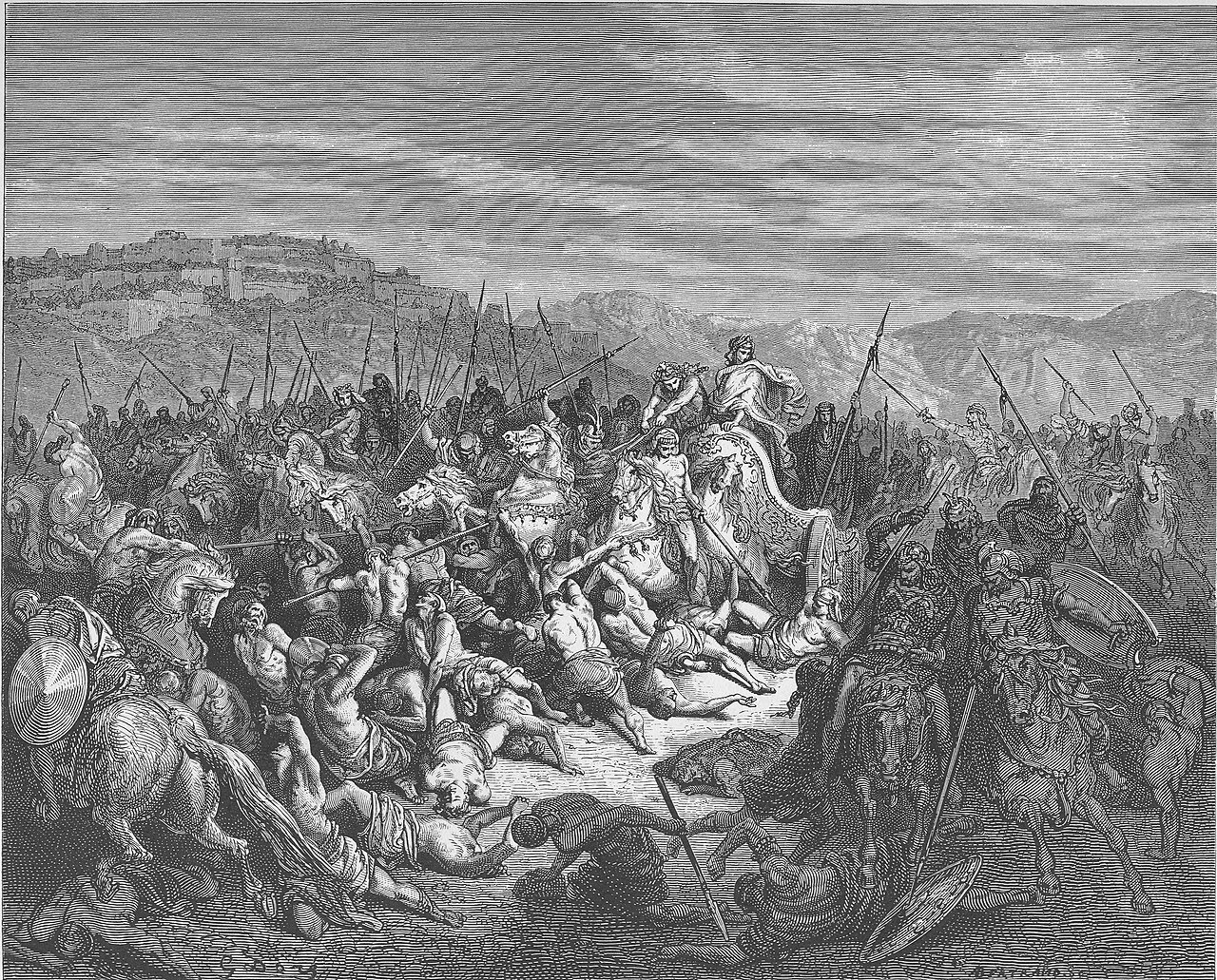
The army goes out at noon while Ben-hadad is drinking himself drunk in the pavilions with the thirty and two kings, a contempt Barnes compares to Belshazzar's feast before Babylon fell. Told that men are coming out of Samaria, Ben-hadad orders them taken alive whether they come for peace or war, so confident of victory that he wants prisoners to question rather than an enemy to fear. The order never anticipates that the men coming out are the attack itself.
The record, by era
The Puritans and the Awakening2 voices
), not to kill them, which might have been done more easily and safely, but to seize them, which gave them an opportunity of killing the aggressors; so imprudent was he in the orders he gave, as well as unjust, in ordering them to be taken prisoners though they came for peace and to renew the treaty.
quarantine:debris (2026-07-29) — leading-punctuation+unbalanced-parens
), but when they had, with unparalleled bravery and dexterity, slain every one his man, and so put the army into disorder, that proud man durst not face them, but mounted immediately, drunk as he was, and made the best of his way,
quarantine:debris (2026-07-29) — leading-punctuation+unbalanced-parens
The Nineteenth Century2 voices
A commentator
Jamieson, Fausset & Brown1802–1910
Commentary Critical and Explanatory on the Whole Bible (1871)
This glorious victory, won so easily, and with such a paltry force opposed to overwhelming numbers, was granted that Ahab and his people might know (1Ki 20:13) that God is the Lord. But we do not read of this acknowledgment being made, or of any sacrifices being offered in token of their national gratitude.
Take them alive - He was confident of victory. Do not slay them; bring them to me, they may give us some useful information.
The words behind it
11 Hebrew wordsEvery Hebrew word of this verse in the order it stands, with what it means and the door to its own study. The last column counts the times a word stands in the whole Bible: the rarer the word, the more the places it appears belong together.
| Hebrew | Sound | Meaning | Word study | In the Bible |
|---|---|---|---|---|
| וַיֹּ֛אמֶר | vaiyomer | and he said | H559 → | 5305 times |
| אִם־ | ʾim- | if | H518 → | 1069 times |
| לְשָׁל֥וֹם | leshalom | for peace | H7965 → | 236 times |
| יָצָ֖אוּ | yatzau | they have come out | H3318 → | 1067 times |
| תִּפְשׂ֣וּם | tifsum | seize them | H8610 → | 65 times |
| חַיִּ֑ים | chaiyim | alive | H2416 → | 498 times |
| וְאִ֧ם | veim | and if | H518 → | 1069 times |
| לְמִלְחָמָ֛ה | lemilchamah | for battle | H4421 → | 320 times |
| יָצָ֖אוּ | yatzau | they have come out | H3318 → | 1067 times |
| חַיִּ֥ים | chaiyim | alive | H2416 → | 498 times |
| תִּפְשֽׂוּם׃ | tifsum | seize them | H8610 → | 65 times |
וַיֹּ֛אמֶרand he said
vaiyomerH559 →5305 times
אִם־if
ʾim-H518 →1069 times
לְשָׁל֥וֹםfor peace
leshalomH7965 →236 times
יָצָ֖אוּthey have come out
yatzauH3318 →1067 times
תִּפְשׂ֣וּםseize them
tifsumH8610 →65 times
חַיִּ֑יםalive
chaiyimH2416 →498 times
וְאִ֧םand if
veimH518 →1069 times
לְמִלְחָמָ֛הfor battle
lemilchamahH4421 →320 times
יָצָ֖אוּthey have come out
yatzauH3318 →1067 times
חַיִּ֥יםalive
chaiyimH2416 →498 times
תִּפְשֽׂוּם׃seize them
tifsumH8610 →65 times
A shaded row is a word that stands 400 times or fewer in the Bible.
The walk
8 stopsEach card is a verse this one points to, and under it the verses that one points to in turn. Where several paths arrive at the same place, that place is listed first: the text keeps returning to it.
Through
Proverbs 18:12Before his downfall a man’s heart is proud, but humility comes before honor.
it leads to
- Ezekiel 28:2
“Son of man, tell the ruler of Tyre that this is what the Lord GOD says: Your heart is proud, and you have said, ‘I am a god; I sit in the seat of…
Reached by 2 separate paths from here.
- Proverbs 15:33
The fear of the LORD is the instruction of wisdom, and humility comes before honor.
- 1 Peter 5:5
Young men, in the same way, submit yourselves to your elders. And all of you, clothe yourselves with humility toward one another, because, “God opposes the proud, but gives grace to the humble.”
- Proverbs 11:2
When pride comes, disgrace follows, but with humility comes wisdom.
- Proverbs 16:18
Pride goes before destruction, and a haughty spirit before a fall.
- Ezekiel 28:2
Through
1 Samuel 17:44“Come here,” he called to David, “and I will give your flesh to the birds of the air and the beasts of the field!”
it leads to
- Proverbs 18:12
Before his downfall a man’s heart is proud, but humility comes before honor.
- 1 Kings 20:10–11
Then Ben-hadad sent another message to Ahab: “May the gods deal with me, and ever so severely, if enough dust remains of Samaria for each of my men to have a handful.”
- Ezekiel 28:9–10
Will you still say, ‘I am a god,’ in the presence of those who slay you? You will be only a man, not a god, in the hands of those who wound you.
- Proverbs 18:12
About 1 Kings
This page draws on Adam Clarke, Commentary on the Bible; Albert Barnes, Notes on the Old Testament; Jamieson, Fausset & Brown, Commentary Critical and Explanatory on the Whole Bible; John Gill, Exposition of the Old Testament (1748-1763) and Matthew Henry, Commentary on the Whole Bible.