
Deuteronomy 8:16
in Deuteronomy 8He fed you in the wilderness with manna that your fathers had not known, in order to humble you and test you, so that in the end He might cause you to prosper.
BSB
The same verse in ASV and KJV ▾
ASV
who fed thee in the wilderness with manna, which thy fathers knew not; that he might humble thee, and that he might prove thee, to do thee good at thy latter end:
KJV
Who fed thee in the wilderness with manna, which thy fathers knew not, that he might humble thee, and that he might prove thee, to do thee good at thy latter end;
⋯
This verse in Deuteronomy 8
Commentary
7 notes on this verseThis site's exposition
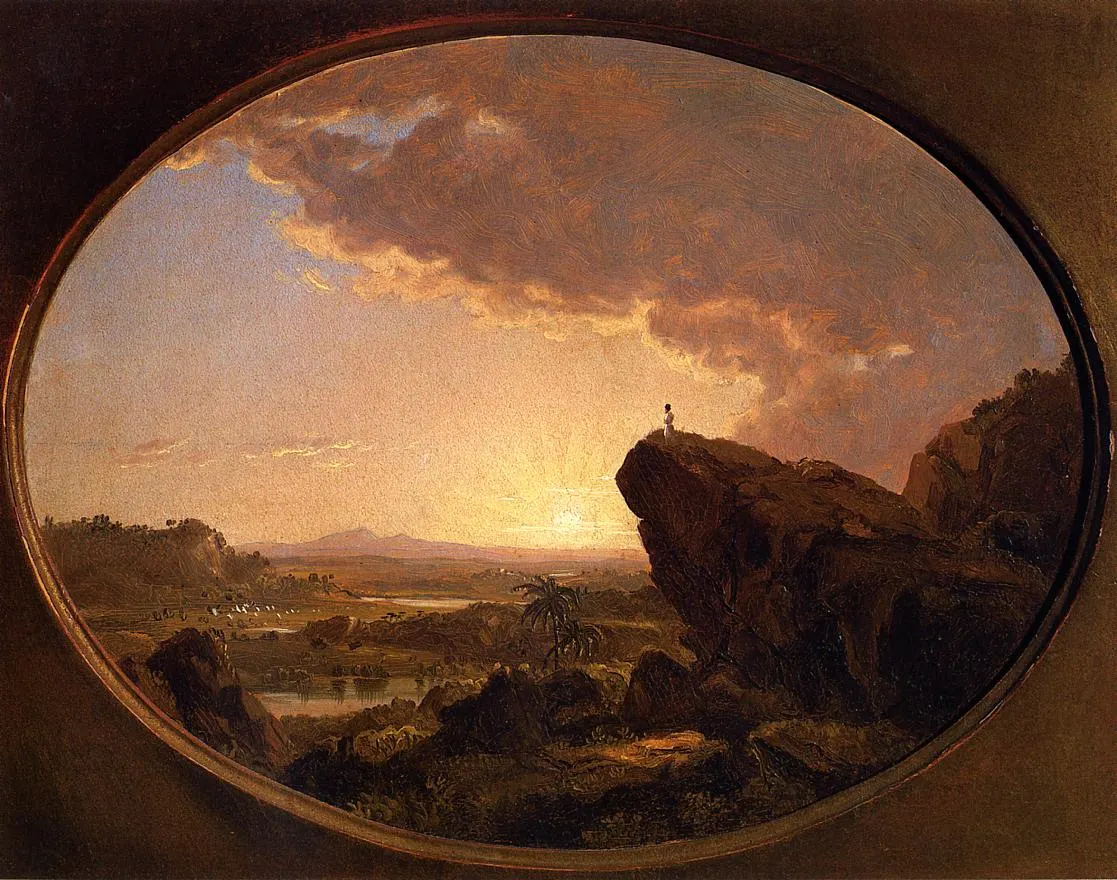
the vast and terrifying wilderness
on Deuteronomy 8:15-16
The wilderness gets its own sentence, "venomous snakes and scorpions", the snakes of Numbers 21:6. Water from rock comes at Horeb in Exodus 17:6 and at Kadesh in Numbers 20:11.
This site's exposition
manna that your fathers had not known
Manna appears a second time in the chapter, here counted among the means God used to humble Israel. John Wesley explains how a gift can humble: mercies increase our debt to God and so make us little in our own eyes.
The record, by era
The Puritans and the Awakening3 voices
The mercies of God, if duly considered, are as powerful a mean to humble us as the greatest afflictions, because they increase our debts to God, and manifest our dependance upon him, and by making God great, they make us little in our own eyes.
Who fed thee in the wilderness with manna,....
It may be applied spiritually; the word of God, as it is the revelation of God's will and grace duly received and entertained by faith, is the food of the soul, the life which is supported by that is the life of the man, and not only that life which is supported by bread. The manna typified Christ, the bread of life.
The Nineteenth Century2 voices
Who fed thee - with manna - See this miracle described in Exo 16:13 (note), etc.
A commentator
Albert Barnes1798–1870
Notes, Explanatory and Practical, on the Old and New Testaments (1832-1869)
proposed
To do thee good at thy latter end - This is presented as the result of God’s dealings.
The words behind it
13 Hebrew wordsEvery Hebrew word of this verse in the order it stands, with what it means and the door to its own study. The last column counts the times a word stands in the whole Bible: the rarer the word, the more the places it appears belong together.
| Hebrew | Sound | Meaning | Word study | In the Bible |
|---|---|---|---|---|
| הַמַּֽאֲכִ֨לְךָ֥ | hamaakhilkha | who caused to eat you | H398 → | 810 times |
| מָן֙ | man | manna | H4478 → | |
| בַּמִּדְבָּ֔ר | bamidbar | in the wilderness | H4057 → | 270 times |
| אֲשֶׁ֥ר | ʾasher | which | H834 → | 5497 times |
| לֹא־ | lo'- | not | H3808 → | 5168 times |
| יָדְע֖וּן | yadeun | they had known ! | H3045 → | 945 times |
| אֲבֹתֶ֑יךָ | ʾavoteikha | ancestors your | H1 → | 1212 times |
| לְמַ֣עַן | lemaan | so as | H4616 → | 272 times |
| עַנֹּֽתְךָ֗ | ʾanotekha | to humble you | H6031 → | 82 times |
| וּלְמַ֙עַן֙ | ulemaan | and so as | H4616 → | 272 times |
| נַסֹּתֶ֔ךָ | nasotekha | to put to [the] test you | H5254 → | 36 times |
| לְהֵיטִֽבְךָ֖ | leheitivkha | to do good to you | H3190 → | 117 times |
| בְּאַחֲרִיתֶֽךָ׃ | beacharitekha | in end your | H319 → | 61 times |
הַמַּֽאֲכִ֨לְךָ֥who caused to eat you
hamaakhilkhaH398 →810 times
מָן֙manna
manH4478 →
בַּמִּדְבָּ֔רin the wilderness
bamidbarH4057 →270 times
אֲשֶׁ֥רwhich
ʾasherH834 →5497 times
לֹא־not
lo'-H3808 →5168 times
יָדְע֖וּןthey had known !
yadeunH3045 →945 times
אֲבֹתֶ֑יךָancestors your
ʾavoteikhaH1 →1212 times
לְמַ֣עַןso as
lemaanH4616 →272 times
עַנֹּֽתְךָ֗to humble you
ʾanotekhaH6031 →82 times
וּלְמַ֙עַן֙and so as
ulemaanH4616 →272 times
נַסֹּתֶ֔ךָto put to [the] test you
nasotekhaH5254 →36 times
לְהֵיטִֽבְךָ֖to do good to you
leheitivkhaH3190 →117 times
בְּאַחֲרִיתֶֽךָ׃in end your
beacharitekhaH319 →61 times
A shaded row is a word that stands 400 times or fewer in the Bible.
The walk
8 stopsEach card is a verse this one points to, and under it the verses that one points to in turn. Where several paths arrive at the same place, that place is listed first: the text keeps returning to it.
Through
James 1:12Blessed is the man who perseveres under trial, because when he has stood the test, he will receive the crown of life that God has promised to those who love Him.
it leads to
- 1 Peter 5:10
And after you have suffered for a little while, the God of all grace, who has called you to His eternal glory in Christ, will Himself restore you, secure you, strengthen you, and establish…
- 1 Peter 1:6–8
In this you greatly rejoice, though now for a little while you may have had to suffer grief in various trials
- Revelation 2:10
Do not fear what you are about to suffer. Look, the devil is about to throw some of you into prison to test you, and you will suffer tribulation for ten days. Be faithful…
- James 5:11
See how blessed we consider those who have persevered. You have heard of Job’s perseverance and have seen the outcome from the Lord. The Lord is full of compassion and mercy.
- Romans 8:28
And we know that God works all things together for the good of those who love Him, who are called according to His purpose.
- 1 Peter 5:10
Through
Deuteronomy 8:3He humbled you, and in your hunger He gave you manna to eat, which neither you nor your fathers had known, so that you might understand that man does not live on bread alone,…
it leads to
- Matthew 4:4
But Jesus answered, “It is written: ‘Man shall not live on bread alone, but on every word that comes from the mouth of God.’”
- Luke 4:4
But Jesus answered, “It is written: ‘Man shall not live on bread alone.’”
- Matthew 4:4
Through
1 Peter 1:7so that the proven character of your faith—more precious than gold, which perishes even though refined by fire—may result in praise, glory, and honor at the revelation of Jesus Christ.
it leads to
- Job 23:10
Yet He knows the way I have taken; when He has tested me, I will come forth as gold.
- Job 23:10
Where this verse is studied
On this page
Studies7
About Deuteronomy
This page draws on Adam Clarke, Commentary on the Bible; Albert Barnes, Notes on the Old Testament; Albert Barnes, Notes, Explanatory and Practical, on the Old and New Testaments (1832-1869); John Gill, Exposition of the Old Testament (1748-1763); John Wesley, Explanatory Notes upon the Old Testament; Keil and Delitzsch, Biblical Commentary on the Old Testament: The Pentateuch and Matthew Henry, Commentary on the Whole Bible.