
Deuteronomy 17:2
in Deuteronomy 17If a man or woman among you in one of the towns that the LORD your God gives you is found doing evil in the sight of the LORD your God by transgressing His covenant
BSB
The same verse in ASV and KJV ▾
ASV
If there be found in the midst of thee, within any of thy gates which Jehovah thy God giveth thee, man or woman, that doeth that which is evil in the sight of Jehovah thy God, in transgressing his covenant,
KJV
If there be found among you, within any of thy gates which the Lord thy God giveth thee, man or woman, that hath wrought wickedness in the sight of the Lord thy God, in transgressing his covenant,
⋯
This verse in Deuteronomy 17
Commentary
6 notes on this verseA commentator
Albert Barnes1798–1870
Notes, Explanatory and Practical, on the Old and New Testaments (1832-1869)
Compare Deu 13:1 ff. Here special reference is made to the legal forms to be adopted, Deu 17:5-7. The sentence was to be carried into effect at “the gates” (compare Gen 19:1 note) of the town in which the crime was committed; because, as “all the people” were to take a part, an open space would be requisite for the execution. Note the typical and prophetical aspect of the injunction; compare Act 7:58; Heb 13:12.
This site's exposition
If there be found among you
on Deuteronomy 17:2-4
The offence is idolatry and the text files it as transgressing his covenant, which makes it the breach of an agreement rather than the breach of a single command. Sun, moon and the host of heaven are named as its objects, the worship Deuteronomy 4:19 had already warned against and the worship 2 Kings 21:3-5 lays at Manasseh's door. Before anything is done the charge must be told, heard, enquired into diligently, and found true and certain, the same steps Deuteronomy 13:14 required before a whole city could be judged. Matthew Henry marks what the covenant frame changes, that other sins broke a command while this one broke the terms on which Israel was taken as a people.
The record, by era
The Puritans and the Awakening3 voices
It was on this condition that God took them to be his peculiar people, that they should serve and worship him only as their God, so that if they gave to any other the honour which was due to him alone that covenant was void, and all the benefit of it forfeited. Other sins were transgressions of the command, but this was a transgression of the covenant.
ln transressing his covenant - That is, in idolatry, as it is explained ver. 3, which is called a transgression of God's covenant made with Israel, both because it is a breach of their faith given to God and of that law which they covenanted to keep; and because it is a dissolution of that matrimonial covenant with God, a renouncing of God and his worship, and a chusing other Gods.
quarantine:debris (2026-07-29) — starts-lowercase
If there be found among you, within any of thy gates which the Lord thy God giveth thee,....
The Nineteenth Century1 voice
A commentator
Jamieson, Fausset & Brown1802–1910
Commentary Critical and Explanatory on the Whole Bible (1871)
proposed
If there be found among you . . . man or woman, that hath wrought wickedness--The grand object contemplated in choosing Israel was to preserve the knowledge and worship of the one true God; and hence idolatry of any kind, whether of the heavenly bodies or in some grosser form, is called "a transgression of His covenant." No rank or sex could palliate this crime.
How the passage was read
What the Jewish commentators add
On the verses either side of this one
THOU SHALT NOT SACRIFICE UNTO THE ETERNAL THY G-D [AN OX, OR A SHEEP, WHEREIN IS A BLEMISH], EVEN ANY ‘DAVAR’ (THING) THAT IS EVIL. “This is an admonition against causing offerings to be rendered unfit through an improper utterance.
This section is reception history: how the passage was read and kept in the Jewish tradition. Where a reading parts from an essential of the Christian faith, the section says so at that point.
Texts and citation data: Sefaria; each excerpt follows its version’s licence. 5 further sources are cited on this chapter that carry no English text this site may quote or only restate the verse.
The words behind it
22 Hebrew wordsEvery Hebrew word of this verse in the order it stands, with what it means and the door to its own study. The last column counts the times a word stands in the whole Bible: the rarer the word, the more the places it appears belong together.
| Hebrew | Sound | Meaning | Word study | In the Bible |
|---|---|---|---|---|
| כִּֽי־ | ki- | if | H3588 → | 4482 times |
| יִמָּצֵ֤א | yimatze' | he will be found | H4672 → | 455 times |
| בְקִרְבְּךָ֙ | vekirbecha | in midst your | H7130 → | 227 times |
| בְּאַחַ֣ד | beachad | in one of | H259 → | 971 times |
| שְׁעָרֶ֔יךָ | sheareikha | gates your | H8179 → | 374 times |
| אֲשֶׁר־ | ʾasher- | which | H834 → | 5497 times |
| יְהוָ֥ה | yahweh | Yahweh | H3068 → | 6520 times |
| אֱלֹהֶ֖יךָ | ʾeloheikha | God your | H430 → | 2601 times |
| נֹתֵ֣ן | noten | [is] about to give | H5414 → | 2011 times |
| לָ֑ךְ | lakh | to <the> you | ||
| אִ֣ישׁ | ʾish | a man | H376 → | 1663 times |
| אוֹ־ | ʾov- | or | H176 → | 321 times |
| אִשָּׁ֗ה | ʾishah | a woman | H802 → | 781 times |
| אֲשֶׁ֨ר | ʾasher | who | H834 → | 5497 times |
| יַעֲשֶׂ֧ה | yaaseh | he will do | H6213 → | 2628 times |
| אֶת־ | ʾet- | <obj.> | H853 → | 10935 times |
| הָרַ֛ע | hara' | the evil | H7451 → | 662 times |
| בְּעֵינֵ֥י | beeinei | in [the] eyes of | H5869 → | 887 times |
| יְהוָֽה־ | yahweh- | Yahweh | H3068 → | 6520 times |
| אֱלֹהֶ֖יךָ | ʾeloheikha | God your | H430 → | 2601 times |
| לַעֲבֹ֥ר | laavor | by transgressing | H5674 → | 556 times |
| בְּרִיתֽוֹ׃ | berito | covenant his | H1285 → | 284 times |
כִּֽי־if
ki-H3588 →4482 times
יִמָּצֵ֤אhe will be found
yimatze'H4672 →455 times
בְקִרְבְּךָ֙in midst your
vekirbechaH7130 →227 times
בְּאַחַ֣דin one of
beachadH259 →971 times
שְׁעָרֶ֔יךָgates your
sheareikhaH8179 →374 times
אֲשֶׁר־which
ʾasher-H834 →5497 times
יְהוָ֥הYahweh
yahwehH3068 →6520 times
אֱלֹהֶ֖יךָGod your
ʾeloheikhaH430 →2601 times
נֹתֵ֣ן[is] about to give
notenH5414 →2011 times
לָ֑ךְto <the> you
lakh
אִ֣ישׁa man
ʾishH376 →1663 times
אוֹ־or
ʾov-H176 →321 times
אִשָּׁ֗הa woman
ʾishahH802 →781 times
אֲשֶׁ֨רwho
ʾasherH834 →5497 times
יַעֲשֶׂ֧הhe will do
yaasehH6213 →2628 times
אֶת־<obj.>
ʾet-H853 →10935 times
הָרַ֛עthe evil
hara'H7451 →662 times
בְּעֵינֵ֥יin [the] eyes of
beeineiH5869 →887 times
יְהוָֽה־Yahweh
yahweh-H3068 →6520 times
אֱלֹהֶ֖יךָGod your
ʾeloheikhaH430 →2601 times
לַעֲבֹ֥רby transgressing
laavorH5674 →556 times
בְּרִיתֽוֹ׃covenant his
beritoH1285 →284 times
A shaded row is a word that stands 400 times or fewer in the Bible.
The walk
8 stopsEach card is a verse this one points to, and under it the verses that one points to in turn. Where several paths arrive at the same place, that place is listed first: the text keeps returning to it.
Through
Hosea 6:7But they, like Adam, have transgressed the covenant; there they were unfaithful to Me.
it leads to
- Genesis 3:11
“Who told you that you were naked?” asked the LORD God. “Have you eaten from the tree of which I commanded you not to eat?”
- Hosea 5:7
They have been unfaithful to the LORD; for they have borne illegitimate children. Now the New Moon will devour them along with their land.
- Hosea 8:1
Put the ram’s horn to your lips! An eagle looms over the house of the LORD, because the people have transgressed My covenant and rebelled against My law.
- Genesis 3:11
Through
Hosea 8:1Put the ram’s horn to your lips! An eagle looms over the house of the LORD, because the people have transgressed My covenant and rebelled against My law.
it leads to
- Hosea 6:7
But they, like Adam, have transgressed the covenant; there they were unfaithful to Me.
- Deuteronomy 28:49
The LORD will bring a nation from afar, from the ends of the earth, to swoop down upon you like an eagle—a nation whose language you will not understand,
- Hosea 6:7
Through
Joshua 7:11Israel has sinned; they have transgressed My covenant that I commanded them, and they have taken some of what was devoted to destruction. Indeed, they have stolen and lied, and they have put these…
it leads to
- Acts 5:1–2
Now a man named Ananias, together with his wife Sapphira, also sold a piece of property.
- Acts 5:1–2
Through
Judges 2:20So the anger of the LORD burned against Israel, and He said, “Because this nation has transgressed the covenant I laid down for their fathers and has not heeded My voice,
it leads to
- Judges 2:14
Then the anger of the LORD burned against Israel, and He delivered them into the hands of those who plundered them. He sold them into the hands of their enemies all around, whom they…
- Judges 2:14
Through
Deuteronomy 17:5you must bring out to your gates the man or woman who has done this evil thing, and you must stone that person to death.
it leads to
- Leviticus 24:14
“Take the blasphemer outside the camp, and have all who heard him lay their hands on his head; then have the whole assembly stone him.
- Leviticus 24:14
Where this verse is studied
On this page
Studies1
About Deuteronomy
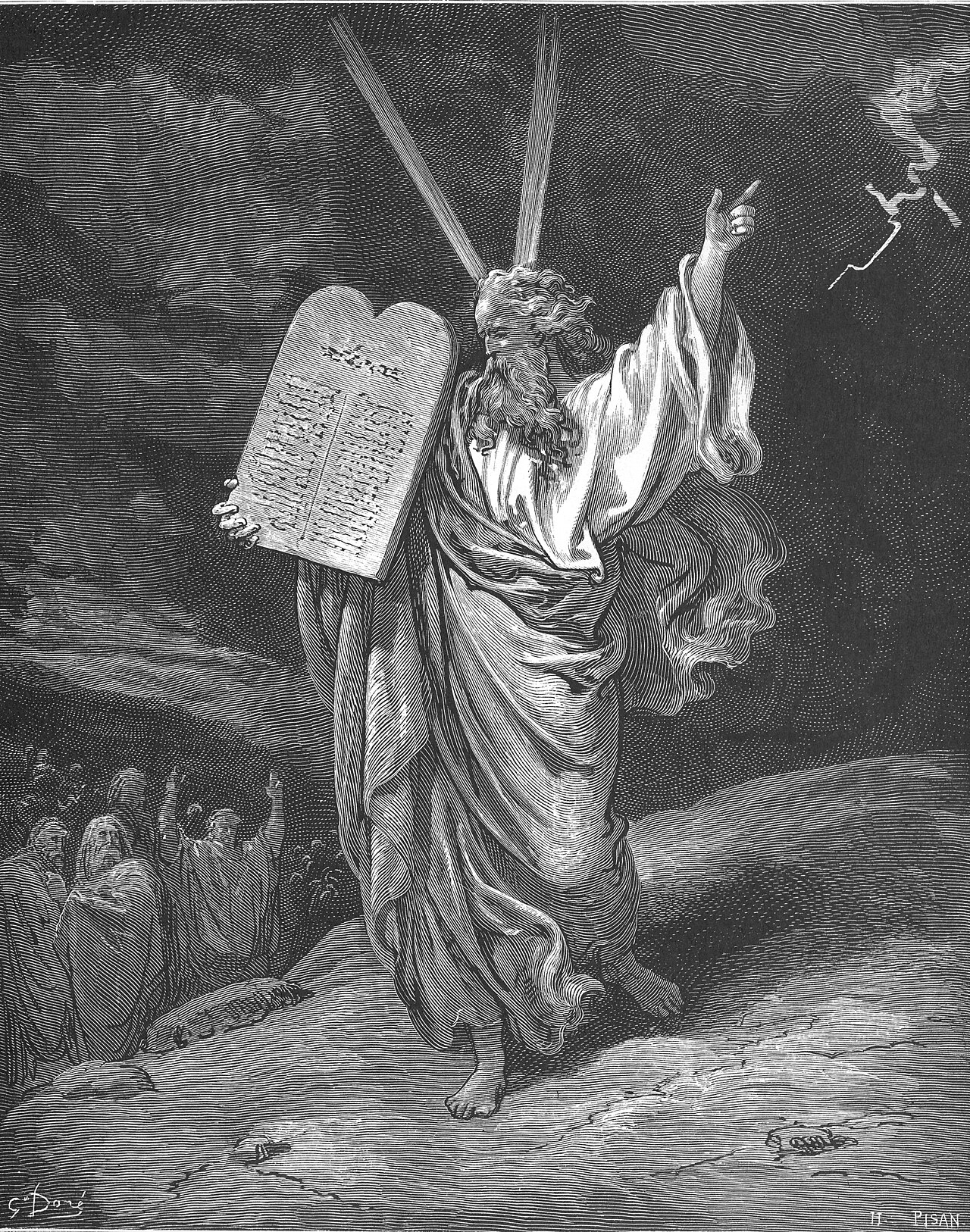
This page draws on Albert Barnes, Notes, Explanatory and Practical, on the Old and New Testaments (1832-1869); Jamieson, Fausset & Brown, Commentary Critical and Explanatory on the Whole Bible; John Gill, Exposition of the Old Testament (1748-1763); John Wesley, Explanatory Notes upon the Old Testament and Matthew Henry, Commentary on the Whole Bible.