
Deuteronomy 12:2
in Deuteronomy 12Destroy completely all the places where the nations you are dispossessing have served their gods—atop the high mountains, on the hills, and under every green tree.
BSB
The same verse in ASV and KJV ▾
ASV
Ye shall surely destroy all the places wherein the nations that ye shall dispossess served their gods, upon the high mountains, and upon the hills, and under every green tree:
KJV
Ye shall utterly destroy all the places, wherein the nations which ye shall possess served their gods, upon the high mountains, and upon the hills, and under every green tree:
⋯
This verse in Deuteronomy 12
Commentary
4 notes on this verseThis site's exposition
These are the statutes and judgments, which ye shall observe
on Deuteronomy 12:1-3
This verse opens the body of the covenant, and chapters 12 to 26 work through the particulars that chapters 5 to 11 charged in general. The first command is demolition, with altars overthrown, pillars broken, groves burnt, images hewn down and the names of the gods destroyed out of the place. Upon the high mountains, and upon the hills, and under every green tree becomes the standing description of Canaanite worship, and the books of Kings use that formula to report Israel building the same shrines anyway, at 1 Kings 14:23 and 2 Kings 17:10.
The record, by era
The Puritans and the Awakening2 voices
The kingdom of God must be set up, both in persons and places, upon the ruins of the devil's kingdom; for they cannot stand together, nor can there be any communion between Christ and Belial. They are charged not to transfer the rites and usages of idolaters into he worship of God; no, not under colour of beautifying and improving it (
quarantine:debris (2026-07-29) — unbalanced-parens
Ye shall utterly destroy all the places wherein the nations which ye shall possess served their gods,....
The Nineteenth Century1 voice
A commentator
Jamieson, Fausset & Brown1802–1910
Commentary Critical and Explanatory on the Whole Bible (1871)
proposed
It is observable that Moses does not make any mention of temples, for such buildings were not in existence at that early period. The "places" chosen as the scene of heathen worship were situated either on the summit of a lofty mountain, or on some artificial mound, or in a grove, planted with particular trees, such as oaks, poplars, and elms (Isa 57:5-7;
quarantine:debris (2026-07-29) — unbalanced-parens
The words behind it
24 Hebrew wordsEvery Hebrew word of this verse in the order it stands, with what it means and the door to its own study. The last column counts the times a word stands in the whole Bible: the rarer the word, the more the places it appears belong together.
| Hebrew | Sound | Meaning | Word study | In the Bible |
|---|---|---|---|---|
| אַבֵּ֣ד | ʾabed | certainly <destroy> | H6 → | 184 times |
| תְּ֠אַבְּדוּן | teabedun | you will destroy ! | H6 → | 184 times |
| אֶֽת־ | ʾet- | <obj.> | H853 → | 10935 times |
| כָּל־ | kol- | all | H3605 → | 5413 times |
| הַמְּקֹמ֞וֹת | hamekomot | the places | H4725 → | 401 times |
| אֲשֶׁ֧ר | ʾasher | where | H834 → | 5497 times |
| עָֽבְדוּ־ | ʾavedu- | they have served | H5647 → | 288 times |
| שָׁ֣ם | sham | there | H8033 → | 834 times |
| הַגּוֹיִ֗ם | hagoyim | the nations | H1471 → | 561 times |
| אֲשֶׁ֥ר | ʾasher | whom | H834 → | 5497 times |
| אַתֶּ֛ם | ʾatem | you | H859 → | 1094 times |
| יֹרְשִׁ֥ים | yoreshim | [are] about to dispossess | H3423 → | 231 times |
| אֹתָ֖ם | ʾotam | <obj.> them | H853 → | 10935 times |
| אֶת־ | ʾet- | <obj.> | H853 → | 10935 times |
| אֱלֹהֵיהֶ֑ם | ʾeloheihem | gods their | H430 → | 2601 times |
| עַל־ | ʾal- | on | H5921 → | 5755 times |
| הֶהָרִ֤ים | heharim | the mountains | H2022 → | 546 times |
| הָֽרָמִים֙ | haramim | <the> high | H7311 → | 190 times |
| וְעַל־ | veal- | and on | H5921 → | 5755 times |
| הַגְּבָע֔וֹת | hagevaot | the hills | H1389 → | |
| וְתַ֖חַת | vetachat | and under | H8478 → | 505 times |
| כָּל־ | kol- | every | H3605 → | 5413 times |
| עֵ֥ץ | ʾetz | tree | H6086 → | 328 times |
| רַעֲנָן׃ | raanan | luxuriant | H7488 → |
אַבֵּ֣דcertainly <destroy>
ʾabedH6 →184 times
תְּ֠אַבְּדוּןyou will destroy !
teabedunH6 →184 times
אֶֽת־<obj.>
ʾet-H853 →10935 times
כָּל־all
kol-H3605 →5413 times
הַמְּקֹמ֞וֹתthe places
hamekomotH4725 →401 times
אֲשֶׁ֧רwhere
ʾasherH834 →5497 times
עָֽבְדוּ־they have served
ʾavedu-H5647 →288 times
שָׁ֣םthere
shamH8033 →834 times
הַגּוֹיִ֗םthe nations
hagoyimH1471 →561 times
אֲשֶׁ֥רwhom
ʾasherH834 →5497 times
אַתֶּ֛םyou
ʾatemH859 →1094 times
יֹרְשִׁ֥ים[are] about to dispossess
yoreshimH3423 →231 times
אֹתָ֖ם<obj.> them
ʾotamH853 →10935 times
אֶת־<obj.>
ʾet-H853 →10935 times
אֱלֹהֵיהֶ֑םgods their
ʾeloheihemH430 →2601 times
עַל־on
ʾal-H5921 →5755 times
הֶהָרִ֤יםthe mountains
heharimH2022 →546 times
הָֽרָמִים֙<the> high
haramimH7311 →190 times
וְעַל־and on
veal-H5921 →5755 times
הַגְּבָע֔וֹתthe hills
hagevaotH1389 →
וְתַ֖חַתand under
vetachatH8478 →505 times
כָּל־every
kol-H3605 →5413 times
עֵ֥ץtree
ʾetzH6086 →328 times
רַעֲנָן׃luxuriant
raananH7488 →
A shaded row is a word that stands 400 times or fewer in the Bible.
The walk
8 stopsEach card is a verse this one points to, and under it the verses that one points to in turn. Where several paths arrive at the same place, that place is listed first: the text keeps returning to it.
Through
Deuteronomy 7:5Instead, this is what you are to do to them: tear down their altars, smash their sacred pillars, cut down their Asherah poles, and burn their idols in the fire.
it leads to
- Exodus 23:24
You must not bow down to their gods or serve them or follow their practices. Instead, you are to demolish them and smash their sacred stones to pieces.
- Exodus 34:13
Rather, you must tear down their altars, smash their sacred stones, and chop down their Asherah poles.
- Deuteronomy 12:2–3
Destroy completely all the places where the nations you are dispossessing have served their gods—atop the high mountains, on the hills, and under every green tree.
- Judges 6:25–26
On that very night the LORD said to Gideon, “Take your father’s young bull and a second bull seven years old, tear down your father’s altar to Baal, and cut down the Asherah pole…
- Deuteronomy 16:22
and do not set up for yourselves a sacred pillar, which the LORD your God hates.
- Exodus 23:24
Through
2 Kings 16:4And he sacrificed and burned incense on the high places, on the hills, and under every green tree.
it leads to
- 1 Kings 14:23
They also built for themselves high places, sacred pillars, and Asherah poles on every high hill and under every green tree.
- Isaiah 57:5–7
who burn with lust among the oaks, under every luxuriant tree, who slaughter your children in the valleys, under the clefts of the rocks?
- Isaiah 66:17
“Those who consecrate and purify themselves to enter the groves—to follow one in the center of those who eat the flesh of swine and vermin and rats—will perish together,” declares the LORD.
- 1 Kings 14:23
Where this verse is studied
On this page
Studies1
About Deuteronomy
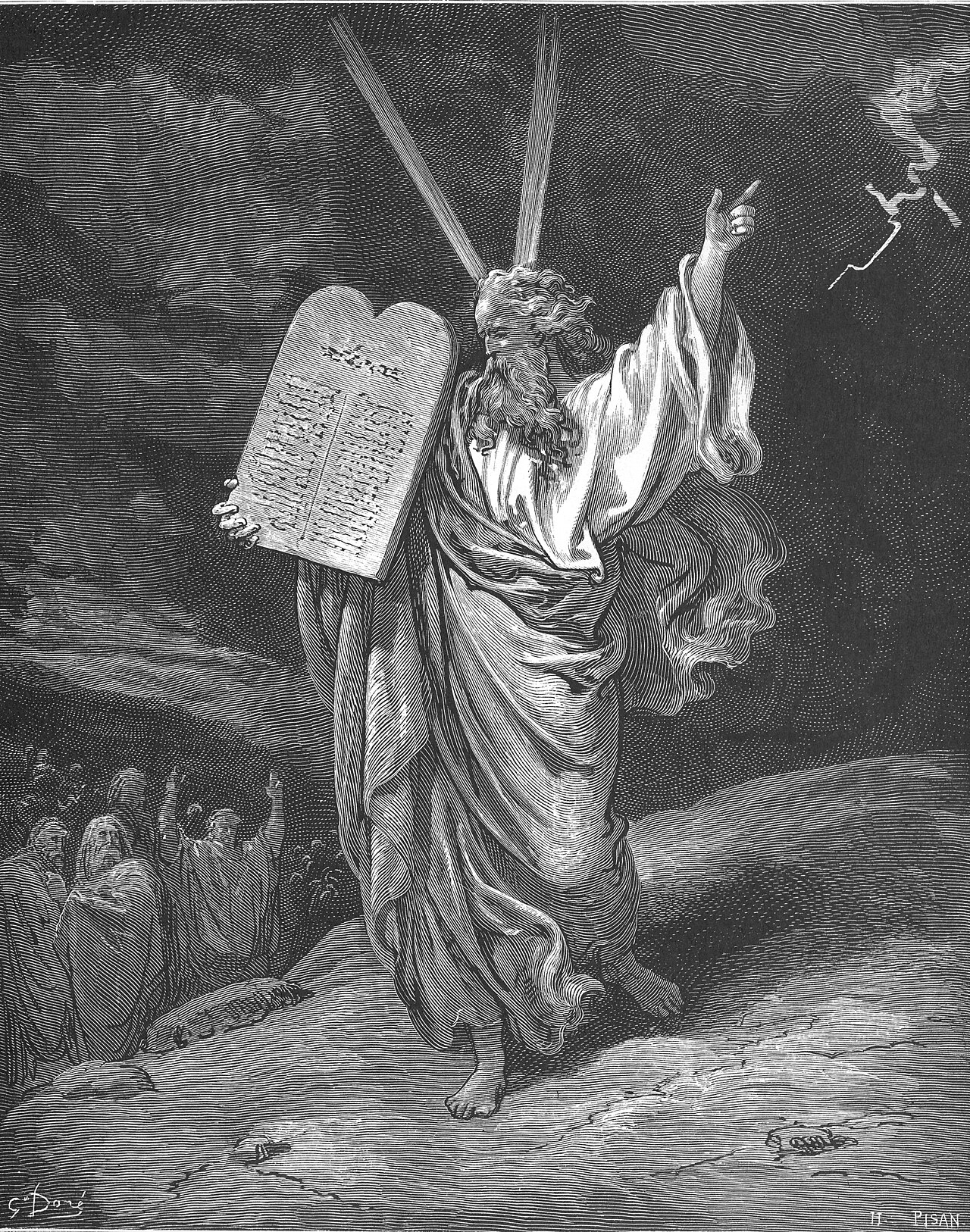
This page draws on Albert Barnes, Notes on the Old Testament; Jamieson, Fausset & Brown, Commentary Critical and Explanatory on the Whole Bible; John Gill, Exposition of the Old Testament (1748-1763); Keil and Delitzsch, Biblical Commentary on the Old Testament: The Pentateuch and Matthew Henry, Commentary on the Whole Bible.