

Proverbs 17 · Value 40 of 41 · Featured Study
Friendship
Scripture prizes the loyal friend, and God calls those who trust Him His friends.
The Bible traces its friendships from Abraham's tent to the table of the last supper.
A friend loves at all times, and a brother is born for adversity.
- Anchor text
- Proverbs 17:17 “A friend loves at all times, and a…”
- Its opposite
- The false friend and the betrayer
- Hold in memory
- Proverbs 17:17, John 15:14
Summary
The friend Proverbs praises stays in trouble, rebukes openly and gives counsel. Human friendship rests on God's own: He called Abraham His friend and spoke with Moses face to face. Jesus kept company with tax collectors and sinners, loved Lazarus and his sisters, and told His disciples that He had made known to them all He heard from the Father.
- Proverbs names hardship as the time a true friend is proved.
- Jesus made obedience to His commands the mark of His friends.
- James sets friendship with the world against friendship with God.
What Friendship Is
Two Hebrew words and two Greek words name the friend and the bond of friendship.
A friend, in the Bible's sense, is someone who chooses another person and keeps faith with him in good days and hard ones. Friendship matters because Scripture ties a person's wisdom or ruin to the companions he keeps, and because God Himself calls people His friends. This study asks what Scripture calls a friend, what makes a friend faithful and what friendship God gives in Christ. It answers from the Hebrew and Greek words, the key texts, the friendship of God and the example of Jesus. It also gives the practice, the false friend, the stories, the voices of the church and three questions on which readers disagree.
Rea, friend and neighbour
188 uses in the canon
The Hebrew noun rea (H7453) names the other person, and the law uses it in the command “love your neighbor as yourself.”
Ahav, the friend as one who loves
211 uses in the canon
The Hebrew verb ahav (H157) means to love. Its participle 'ohev names the friend in this proverb: “The wounds of a friend are faithful, but the kisses of an enemy are deceitful.”
Philos, friend
27 uses in the canon
The Greek noun philos (G5384) is the Gospels' word for a friend. Jesus used it of His disciples: “I tell you, My friends, do not be afraid of those who kill the body.”
Philia, friendship
1 use in the canon
The Greek noun philia (G5373) is set against God in James: “Do you not know that friendship with the world is hostility toward God?”
The lexicon in full1 paragraph
The verb phileo, to love as a friend, is taught beside agape, chesed and ahavah in the word study of love.
Rea, friend and neighbour, Ahav, the friend as one who loves, Philos, friend, Philia, friendship, a paragraph, The Words Rea and Philos, the study in brief
The Key Texts of Friendship
Proverbs and Ecclesiastes set out what a friend is worth and what a friend does.
Wisdom
A man of many companions may come to ruin, but there is a friend who stays closer than a brother.
Proverbs sets the worth of one faithful friend against the danger of a crowd of companions.
Wisdom
A righteous man is cautious in friendship, but the ways of the wicked lead them astray.
It stands here because it makes the choice of a friend a mark of the righteous.
Wisdom
Two are better than one, because they have a good return for their labor. For if one falls down, his companion can lift him up; but pity the one who falls without another to help him up!
It stands here because it shows friendship as help in failure as well as affection.
Wisdom
As iron sharpens iron, so one man sharpens another.
It stands here because it gives the reason Proverbs asks a person to choose friends with care.
Proverbs 12:26, Ecclesiastes 4:9 to 10, Proverbs 27:17
The sayings of Proverbs on the faithful friend and the false one are set out in a study of their own.
Friendship Rests on the Friendship of God
The Law, the histories, the prophets, Job, the psalms and James speak of God's friendship with people.
Scripture speaks of God's own friendship with Abraham, with Moses and with those who fear Him.
| Text | The Berean words |
|---|---|
| Abraham, the friend of God | |
| Isaiah 41:8 | “descendant of Abraham My friend” |
| 2 Chronicles 20:7 | “give it forever to the descendants of Abraham Your friend” |
| James 2:23 | “Abraham believed God, and it was credited to him as righteousness,” and he was called a friend of God. |
| Moses, spoken to face to face | |
| Exodus 33:11 | “Thus the LORD would speak to Moses face to face, as a man speaks to his friend.” |
| Those who fear Him | |
| Job 29:4 | “when I was in my prime, when the friendship of God rested on my tent” |
| Psalm 25:14 | “The LORD confides in those who fear Him, and reveals His covenant to them.” |
Those who fear Him, Job 29:4, Psalm 25:14
The call of Abraham and the covenant God made with him are told in the study of Abraham.
Christ and Friendship
Luke, John and Matthew show Jesus at table with sinners, at the tomb of a friend, at the last supper and at His arrest.
He ate with tax collectors and sinnersLuke 5
Levi “hosted a great banquet for Jesus at his house” (Luke 5:29), and the Pharisees complained that His disciples would “eat and drink with tax collectors and sinners” (Luke 5:30). His critics later mocked Him as “a friend of tax collectors and sinners” (Matthew 11:19).
Jesus answered, “It is not the healthy who need a doctor, but the sick. I have not come to call the righteous, but sinners, to repentance.”
Luke 5:31 to 32BSB Jesus answers the complaint about His table by naming the people He came to call.
Read the page on Jesus 33 sections, 35 verses set out
He loved Lazarus and wept at his tombJohn 11
The sisters of Lazarus sent word, “Lord, the one You love is sick” (John 11:3). Jesus then told His disciples, “Our friend Lazarus has fallen asleep, but I am going there to wake him up” (John 11:11).
Jesus wept. Then the Jews said, “See how He loved him!”
John 11:35 to 36BSB It stands here as the plainest sign in the Gospels of Jesus' grief for a friend.
He named His disciples friendsJohn 15
Jesus spoke of His friends on the night before the cross, after He had called Himself the vine and His disciples the branches (John 15:1 to 11).
You are My friends if you do what I command you.
John 15:14BSB It stands here because it joins His friendship to obedience, a point on which readers disagree.
Read the study of I Have Called You Friends 9 sections, 5 verses set out
He called His betrayer friend and gave His lifeMatthew 26
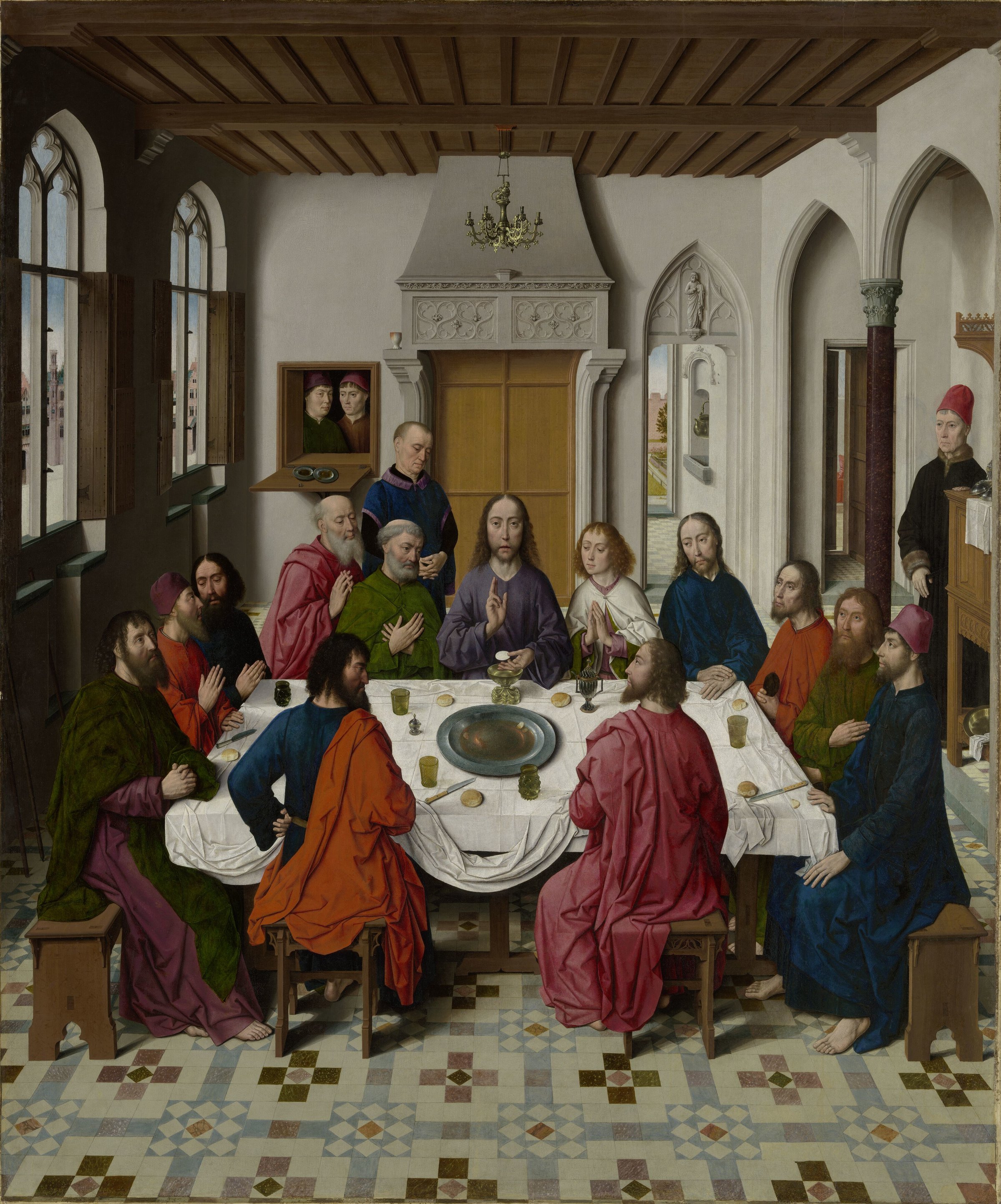
At the supper Jesus applied a psalm to Judas: “The one who shares My bread has lifted up his heel against Me” (John 13:18). That night He also said, “Greater love has no one than this, that he lay down his life for his friends” (John 15:13), and the next day He died on the cross.
Going directly to Jesus, he said, “Greetings, Rabbi!” and kissed Him. “Friend,” Jesus replied, “do what you came for.” Then the men stepped forward, seized Jesus, and arrested Him.
Matthew 26:49 to 50BSB It stands here to show that Jesus kept a friend's courtesy toward the man who came to have Him arrested.
Read the story of the Crucifixion 12 sections, 12 verses set out
He loved Lazarus and wept at his tomb (John 11), He named His disciples friends (John 15), He called His betrayer friend and gave His life (Matthew 26)
John 15:14, Matthew 26:49 to 50
Who Kept Faith as Friends
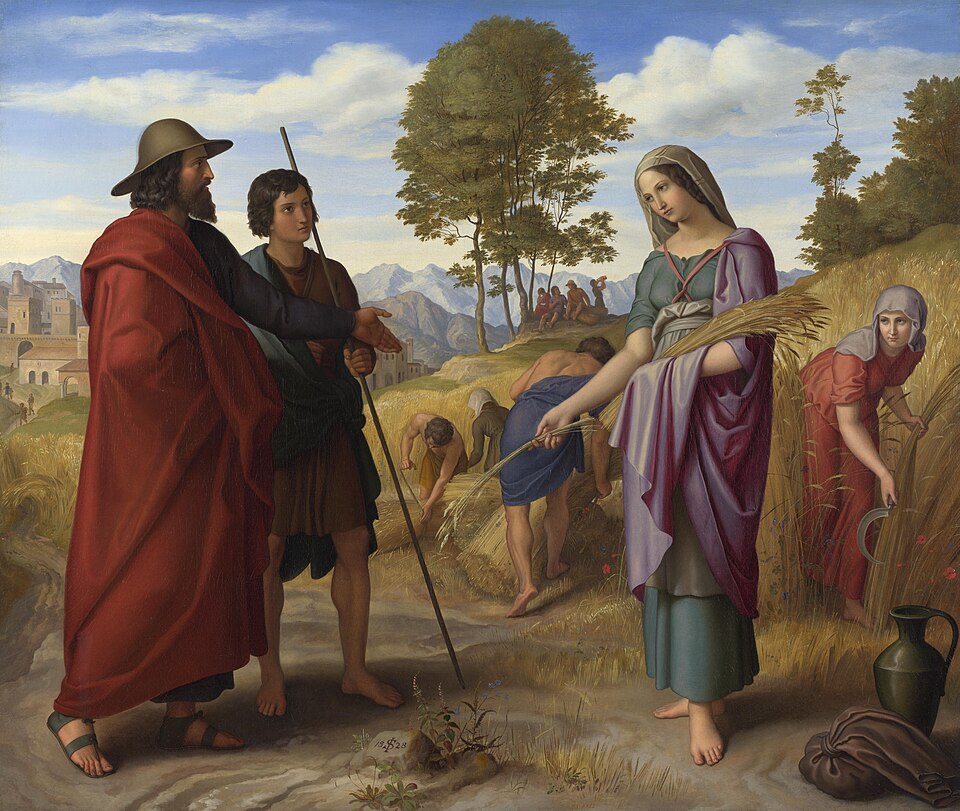
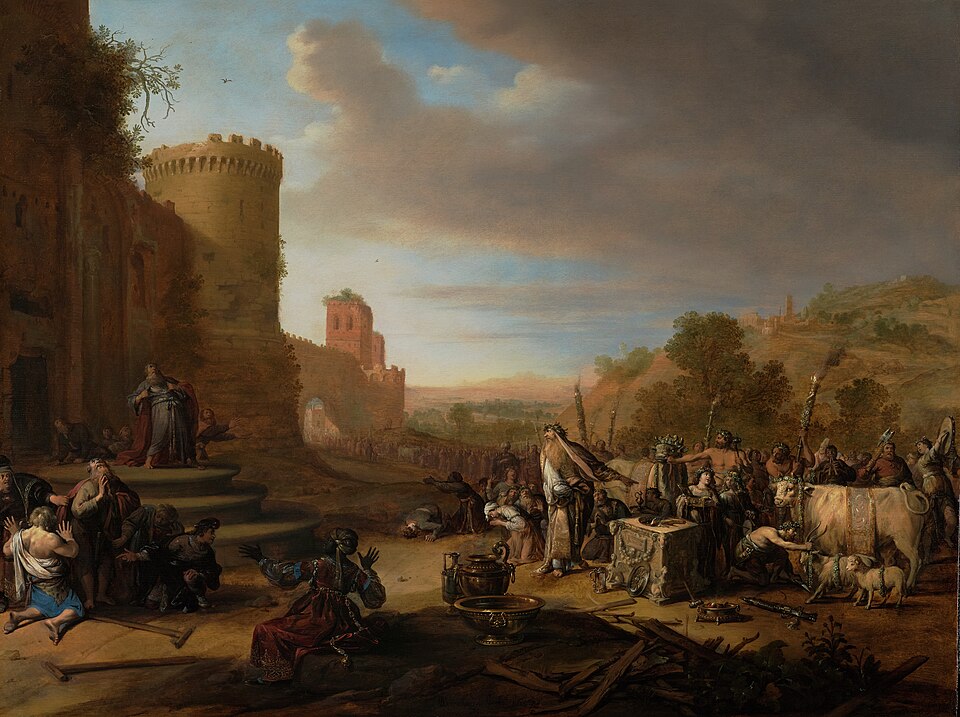
Four people of Scripture stood by a friend, each in the words of the verse that tells it.
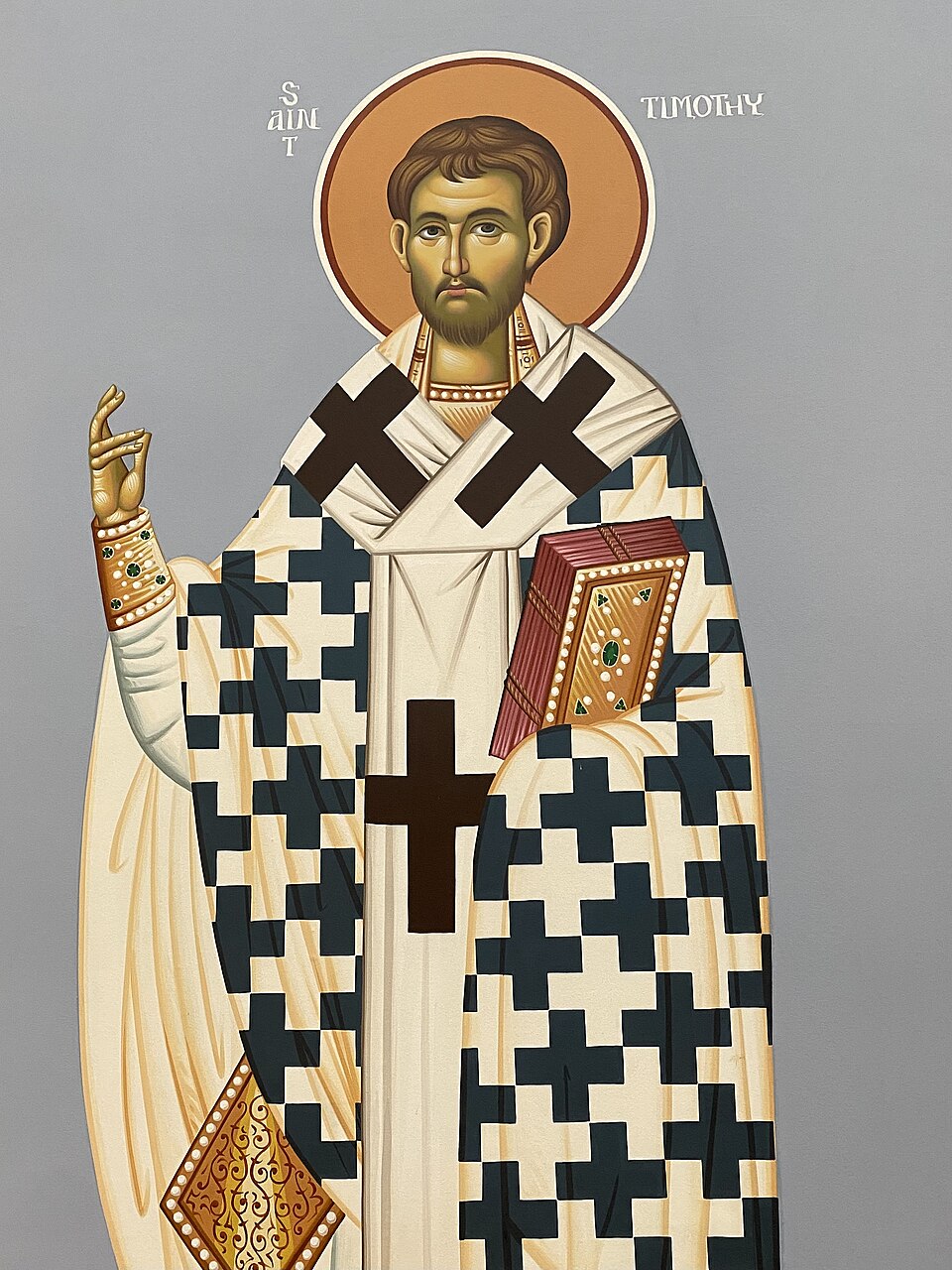
Paul wrote of him to the Philippians, “I have nobody else like him who will genuinely care for your needs.”
Philippians 2:20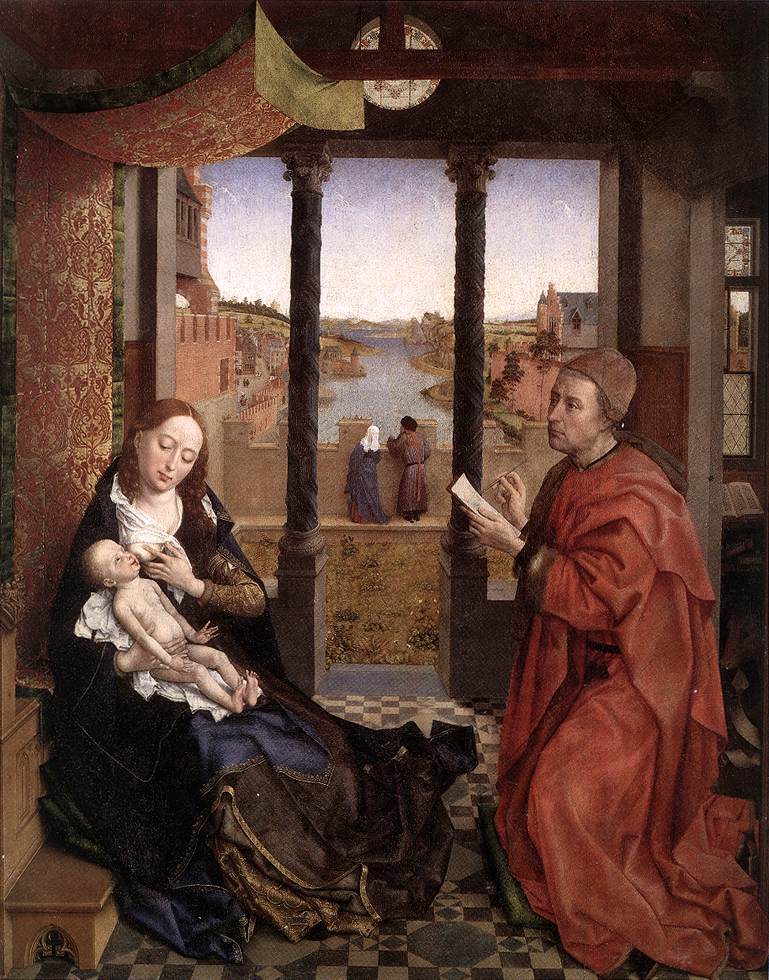
Timothy, Luke
The Practice of Friendship
Scripture names seven practices of friendship, each in the words of the verse that gives it.
- 1Cover an offence“Whoever conceals an offense promotes love, but he who brings it up separates friends.”Proverbs 17:9
- 2Rebuke openly“Better an open rebuke than love that is concealed.”Proverbs 27:5
- 3Give counsel“Oil and incense bring joy to the heart, and the sweetness of a friend is counsel to the soul.”Proverbs 27:9
- 4Keep the old friend“Do not forsake your friend or your father’s friend.”Proverbs 27:10
- 5Walk with the wise“He who walks with the wise will become wise, but the companion of fools will be destroyed.”Proverbs 13:20
- 6Keep clear of the angry man“Do not make friends with an angry man, and do not associate with a hot-tempered man.”Proverbs 22:24
- 7Greet friends by name“The friends here send you greetings. Greet each of our friends there by name.”3 John 1:14
Rebuke openly, Give counsel, Keep the old friend, Walk with the wise, Keep clear of the angry man, Greet friends by name
The counsel of friends in Proverbs 27 is taught in a study of its own.
What Stands Against Friendship
Proverbs and the Psalms name the friend who leaves, the gossip who divides and the companion who betrays.
Proverbs names the friend who follows money: “Wealth attracts many friends, but a poor man is deserted by his friend” (Proverbs 19:4).
It names the talker who ends a friendship: “A perverse man spreads dissension, and a gossip divides close friends” (Proverbs 16:28). The Proverbs teach on speech as a whole in the study of the tongue.
But it is you, a man like myself, my companion and close friend.The psalmist names the hardest wound, the one dealt by a companion he trusted.
Psalm 55:13
Friendship in the Stories of the Bible
Three stories tell of a covenant between two friends, of three friends who came to comfort Job and of the friends who stood by Paul.
David and Jonathan1 Samuel 18
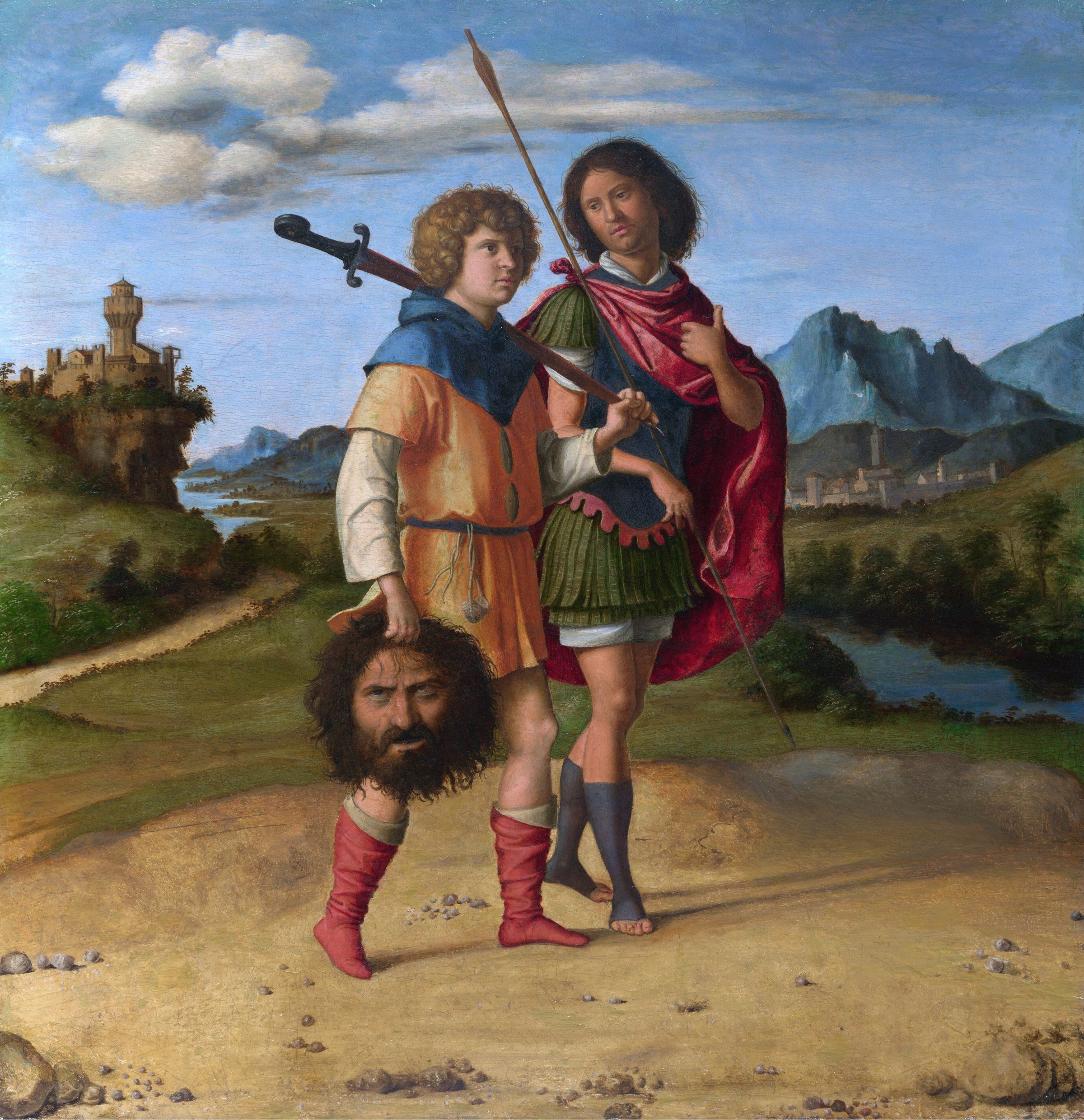
Saul's son Jonathan “made a covenant with David because he loved him as himself” (1 Samuel 18:3), and he gave David his robe, his tunic, his sword, his bow and his belt. When Saul sought David's life, the two friends parted in a field, and “he and Jonathan kissed each other and wept together” (1 Samuel 20:41). In his lament for Jonathan, David said, “your love to me was extraordinary, surpassing the love of women” (2 Samuel 1:26).
After David had finished speaking with Saul, the souls of Jonathan and David were knit together, and Jonathan loved him as himself.
1 Samuel 18:1BSB The narrator names the bond between the two men before any covenant is made.
Read the study of Jonathan and David 7 sections, 5 verses set out
Job's three friendsJob 2
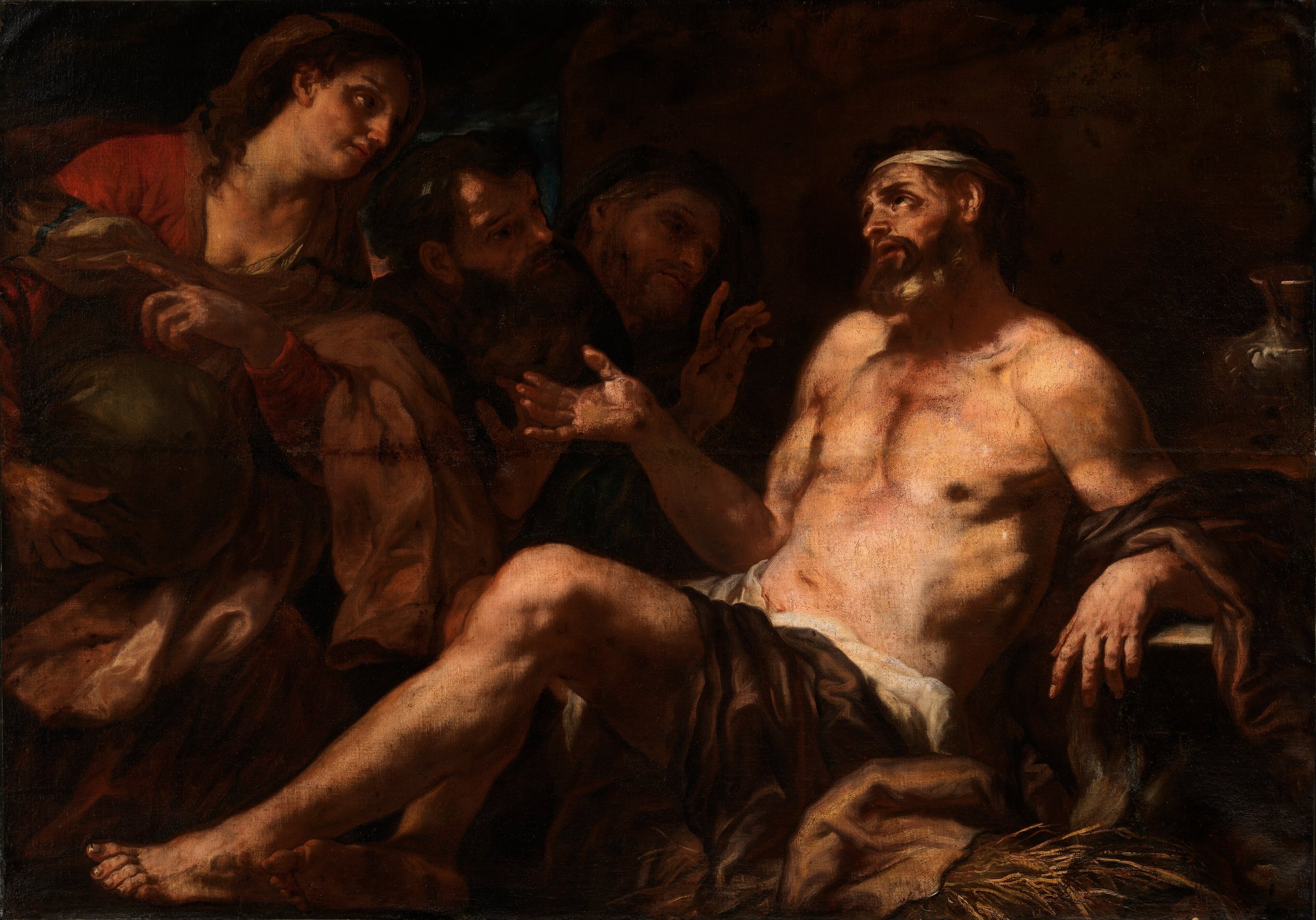
Eliphaz, Bildad and Zophar heard of Job's suffering and met together “to go and sympathize with Job and comfort him” (Job 2:11). They “sat on the ground with him for seven days and seven nights, but no one spoke a word to him” (Job 2:13). When they spoke, they argued that his suffering proved his sin, and Job called them “miserable comforters” (Job 16:2). In the end Job prayed for them, and the LORD accepted his prayer.
After the LORD had spoken these words to Job, He said to Eliphaz the Temanite, “My wrath is kindled against you and your two friends. For you have not spoken about Me accurately, as My servant Job has.
Job 42:7BSB The LORD's verdict falls on what the three friends said about Him.
Read the story of Job's Three Friends 10 sections, 3 verses set out
Paul and his friendsActs 20
Acts and Paul's letters name the friends who stood by him and the ones who left him. He wrote that Prisca and Aquila “have risked their lives for me” (Romans 16:4), and he called Epaphroditus “my brother, fellow worker, and fellow soldier” (Philippians 2:25). Near the end he wrote that “Demas, in his love of this world, has deserted me” (2 Timothy 4:10), and of his first defense, “no one stood with me, but everyone deserted me” (2 Timothy 4:16).
They all wept openly as they embraced Paul and kissed him.
Acts 20:37BSB Luke records the grief of the elders of Ephesus at their parting from Paul.
Job's three friends (Job 2), Paul and his friends (Acts 20)
Friendship in the Church's History
Three accounts tell of Basil and Gregory at Athens, of Augustine's grief for a friend and of David Brainerd's last months in Jonathan Edwards's house.
Basil and Gregory at Athens4th century
Gregory of Nazianzus gave the funeral oration for his friend Basil of Caesarea, and in it he looked back on their student years at Athens. He said that they “were all in all to one another, housemates, messmates, intimates, with one object in life”, and that “we sharpened upon each other our weapons of virtue” (Oration 43, sections 19 and 20). The account is the surviving friend's own, given in a eulogy.
And let us consider how to spur one another on to love and good deeds.
Hebrews 10:24BSB The letter asks of every believer the mutual help toward goodness that Gregory describes in his friendship with Basil.
Augustine and his friend at Thagaste4th century
In the Confessions Augustine tells of “a very dear friend” at Thagaste who died “when he had scarce completed one whole year of my friendship” (book 4, chapter 4, translated by J. G. Pilkington). He wrote that “my soul and his soul were but one soul in two bodies” (book 4, chapter 6). He drew this lesson: “Blessed be he who loves You, and his friend in You, and his enemy for Your sake” (book 4, chapter 9). It is one man's account of his own grief.
And hope does not disappoint us, because God has poured out His love into our hearts through the Holy Spirit, whom He has given us.
Romans 5:5BSB Augustine names the love of which this verse speaks as the bond of every true friendship.
David Brainerd and Jonathan Edwards1747
David Brainerd came to Northampton on 28 May 1747, in what Edwards called “a confirmed, incurable consumption”, and he lived his last months in Edwards's house. Edwards's daughter Jerusha nursed him for nineteen weeks, and he died there on 9 October 1747. Edwards later published an account of his life. Jerusha died the next February, “in the eighteenth year of her age”.
We are confident, then, and would prefer to be away from the body and at home with the Lord.
2 Corinthians 5:8BSB Edwards took this verse as the text of the sermon he preached at Brainerd's funeral.
Read the story of Brainerd and Edwards 8 sections, 0 verses set out
Augustine and his friend at Thagaste (4th century), David Brainerd and Jonathan Edwards (1747)
Voices on Friendship, by Century
Ambrose, Matthew Henry and Charles Spurgeon wrote on friendship in the fourth, eighteenth and nineteenth centuries.
died 397 · Ambrose of Milan
On the Duties of the Clergy 3.21.124
A fourth-century reading: a friendship that keeps virtue is worth more than wealth, honour and power.
The quotation1 quotation
“For that commendable friendship which maintains virtue is to be preferred most certainly to wealth or honors or power. It is not apt to be preferred to virtue indeed, but to follow after it. So it was with Jonathan, who for his affection's sake avoided neither his father's displeasure nor the danger to his own safety.”
Ambrose of Milan · On the Duties of the Clergy 3.21.124 · on 1 Samuel 20:30 to 34Patristic
1662 to 1714 · Matthew Henry
Commentary on the Whole Bible
An eighteenth-century reading: Christ owns a covenant of friendship with believers.
The quotation1 quotation
“There is a covenant of friendship between Christ and believers, and a friendly affection and communion pursuant to it, which our Lord Jesus will own and not be ashamed of. His secret is with the righteous. Those whom Christ is pleased to own as his friends all his disciples should take for theirs.”
Matthew Henry · Commentary on the Whole Bible · on John 11:11Puritan
1834 to 1892 · Charles Spurgeon
The Treasury of David, Vol. 3
A nineteenth-century reading: the traitor breaks the bond he once offered as a hand of friendship.
The quotation1 quotation
“The psalmist cannot forget the traitor's conduct, and returns again to consider it. He hath put forth his hands against such as be at peace with him. He smites those to whom he had given the hand of friendship, he breaks the bonds of alliance, he is perfidious to those who dwell at ease because of his friendly profession. He hath broken his covenant. The most solemn league he has profaned, he is regardless of oaths and promises.”
Charles Spurgeon · The Treasury of David, Vol. 3 · on Psalm 55:20
How Friendship Has Been Taught
Gregory the Great and Thomas Aquinas taught friendship with God as the keeping of His commandments and as charity.
Gregory the Great taught that a friend keeps the soul of his friend.1 paragraph
Thomas Aquinas's Catena Aurea prints Gregory the Great on John 15:14 in these words: “A friend is as it were a keeper of the soul. He who keeps God's commandments, is rightly called His friend.”
Thomas Aquinas taught that charity is a friendship with God.1 paragraph
Aquinas asks in the Summa Theologiae whether charity is friendship (second part of the second part, question 23, article 1, English Dominican translation, 1920). He answers that “charity is the friendship of man for God”.
Where the Science Speaks
One meta-analysis measured how social ties track with survival.
Holt-Lunstad, Smith and Layton (2010) pooled 148 studies of 308,849 participants and found “a 50% increased likelihood of survival for participants with stronger social relationships”. Their measures join marriage, social networks and support, so the finding does not isolate friendship as such.
The Studies of Friendship
Each study takes one part of friendship into more depth.
The texts
3 studies
- Passages and psalms · 3 verses set outA Friend Loves at All Times
Proverbs 16 to 19 and Proverbs 27 set the friend who loves in every season against companions drawn by wealth and gifts.
- Passages and psalms · 5 verses set outI Have Called You Friends
On the night before His death Jesus gave His disciples the name of friends in place of the name of servants.
- Passages and psalms · 4 verses set outIron Sharpens Iron
Proverbs 27 compares one friend's effect on another to iron grinding an edge on iron.
- Passages and psalms · 3 verses set outA Friend Loves at All Times
The stories
2 studies
- Stories · 0 verses set outBrainerd and Edwards
The missionary David Brainerd died in Jonathan Edwards's house at Northampton, and Edwards wrote his life.
- Stories · 3 verses set outJob's Three Friends
Eliphaz the Temanite, Bildad the Shuhite and Zophar the Naamathite came to comfort Job in his suffering.
- Stories · 0 verses set outBrainerd and Edwards
The words
1 study
- Symbols and words · 6 verses set outThe Words Rea and Philos
The words Scripture uses for a friend reach from the builders of Babel to Abraham, the friend of God.
- Symbols and words · 6 verses set outThe Words Rea and Philos
I Have Called You Friends, Iron Sharpens Iron, Brainerd and Edwards, Job's Three Friends, The Words Rea and Philos
Where Readers Disagree
Six readings answer three questions, each with its holders, the work that argues it and the objection raised against it.
Who is the friend closer than a brother in Proverbs 18:24
Read the study of A Friend Loves at All Times 8 sections, 3 verses set out
| Reading | Held by | Work | Objection |
|---|---|---|---|
| The faithful human friend, whose love is stronger than the ties of kindred | Albert Barnes (American Presbyterian commentary) | Albert Barnes (died 1870), Notes, Explanatory and Practical, on Proverbs 18:24 | Jamieson, Fausset and Brown and Charles Spurgeon heard in the verse the Friend of sinners, Christ Himself. |
| Christ, the Friend of sinners | Jamieson, Fausset and Brown; Charles Spurgeon (Scottish Presbyterian commentary; English Baptist preaching) | Jamieson, Fausset and Brown, Commentary Critical and Explanatory (1871), on Proverbs 18:24; Charles Spurgeon, A Faithful Friend (sermon of 1857) | The saying stands among proverbs about a man's companions, and its first half speaks of human company. |
Is friendship with Christ conditional on obedience
Read the study of I Have Called You Friends 9 sections, 5 verses set out
| Reading | Held by | Work | Objection |
|---|---|---|---|
| His friendship is kept on the condition that His friends obey Him | John Wesley; Charles Spurgeon (Methodist commentary; English Baptist preaching) | John Wesley, Explanatory Notes upon the New Testament (1755), on John 15:14; Charles Spurgeon, The Friends of Jesus (sermon 1552, 1880) | Two verses later Jesus says, “You did not choose Me, but I chose you” (John 15:16). |
| Obedience is the mark of the friend, and the good servant is both servant and friend | Augustine of Hippo (The Latin fathers) | Augustine of Hippo (died 430), Tractates on the Gospel of John, tractate 85 | John 15:14 states the friendship with an if, ean poiete, if you do. |
May a Christian keep particular friendships
Read the study of Love 15 sections, 5 verses set out
| Reading | Held by | Work | Objection |
|---|---|---|---|
| Christian love must not prefer one person to another, and the neighbour takes the place of the friend | Søren Kierkegaard (Danish Lutheran thought) | Søren Kierkegaard, Works of Love (1847), translated by David F. Swenson and Lillian Marvin Swenson (1946) | John records that Jesus loved Martha, her sister and Lazarus by name (John 11:5). |
| Love goes to all, while affection goes to a few | John Cassian; Jamieson, Fausset and Brown (Early monastic teaching; Scottish Presbyterian commentary) | John Cassian, Conferences 16.14, Nicene and Post-Nicene Fathers, second series, volume 11 (1894); Jamieson, Fausset and Brown, Commentary Critical and Explanatory (1871), on John 11:5 | Kierkegaard pressed that a preferred circle can close itself against the stranger. |
Sources
Scripture is the Berean Standard Bible.
- STEP Bible, Translators Brief lexicon of Extended Strongs for Hebrew and for Greek (Tyndale House, Cambridge), CC BY 4.0, with the Greek brief lexicon based on Abbott-Smith (1922)
- STEP Bible, Translators Amalgamated Hebrew Old Testament and Greek New Testament, the tagged texts (Tyndale House, Cambridge), CC BY 4.0.
- Augustine of Hippo, Confessions, book 4, translated by J. G. Pilkington, Nicene and Post-Nicene Fathers, first series, volume 1 (1887)
- John Cassian, Conferences 16.14, translated by C. S. Gibson, Nicene and Post-Nicene Fathers, second series, volume 11 (1894)
- Gregory of Nazianzus, Oration 43, the funeral oration on Basil the Great, sections 19 and 20, translated by C. G. Browne and J. E. Swallow, Nicene and Post-Nicene Fathers, second series, volume 7 (1894)
- Thomas Aquinas, Summa Theologiae, II-II question 23, article 1, English Dominican translation, second edition (1920)
- Jonathan Edwards, An Account of the Life of the Late Reverend Mr. David Brainerd, in The Works of Jonathan Edwards, volume 2, with the memoir by Sereno Dwight revised by Edward Hickman (first published 1834)
- Jonathan Edwards, True Saints, When Absent from the Body, Are Present with the Lord, the sermon at the funeral of David Brainerd (1747), in The Works of Jonathan Edwards, volume 2 (1834)
- Ambrose of Milan, On the Duties of the Clergy, book 3, chapter 21, translated by H. de Romestin, E. de Romestin and H. T. F. Duckworth, Nicene and Post-Nicene Fathers, second series, volume 10 (1896)
- Matthew Henry, Commentary on the Whole Bible (1710), on John 11:11.
- Robert Jamieson, A. R. Fausset and David Brown, Commentary Critical and Explanatory on the Whole Bible (1871), on John 11:5 and on Proverbs 18:24.
- Charles Spurgeon, The Treasury of David, volume 3 (1872), on Psalm 55:20.
- Albert Barnes (died 1870), Notes, Explanatory and Practical, on Proverbs 18:24.
- Charles Spurgeon, A Faithful Friend (sermon of 1857, on Proverbs 18:24) and The Friends of Jesus (sermon 1552, 1880, on John 15:14)
- John Wesley, Explanatory Notes upon the New Testament (1755), on John 15:14.
- Augustine of Hippo (died 430), Tractates on the Gospel of John, tractate 85.
- Søren Kierkegaard, Works of Love (1847), translated by David F. Swenson and Lillian Marvin Swenson (Princeton, 1946)
- Holt-Lunstad, Smith and Layton, PLoS Medicine 7(7): e1000316 (2010)
- Gregory the Great, as Thomas Aquinas's Catena Aurea on John 15:14 prints him, in the English translation.
- The study The Tongue, Death and Life in Proverbs.
- The studies A Friend Loves at All Times and Iron Sharpens Iron, of the friendship family.
- The word study The Words Agape, Philia, Chesed and Ahavah, its section on phileo.
- The page on Abraham, its Summary on his call and the covenant.
Keep Studying
Studies4
In this value6
People and groups32