
Deuteronomy 26:11
in Deuteronomy 26So you shall rejoice—you, the Levite, and the foreigner dwelling among you—in all the good things the LORD your God has given to you and your household.
BSB
The same verse in ASV and KJV ▾
ASV
and thou shalt rejoice in all the good which Jehovah thy God hath given unto thee, and unto thy house, thou, and the Levite, and the sojourner that is in the midst of thee.
KJV
And thou shalt rejoice in every good thing which the Lord thy God hath given unto thee, and unto thine house, thou, and the Levite, and the stranger that is among you.
⋯
This verse in Deuteronomy 26
Commentary
5 notes on this verseThou shalt rejoice - God intends that his followers shall be happy; that they shall eat their bread with gladness and singleness of heart, praising him. Those who eat their meat grudgingly, under the pretense of their unworthiness, etc., profane God’s bounties and shall have no thanks for their voluntary humility. Thou, and the Levite, and the stranger - They were to take care to share God’s bounties among all those who were dependent on them. The Levite has no inheritance, let him rejoice with thee.
This site's exposition
And he hath brought us into this place
on Deuteronomy 26:9-11
The last clause of the confession is the point of it, that the fruit in the basket came out of a land the speaker was given rather than one he won. Worship follows the setting down of the basket and rejoicing follows the worship, with the Levite and the stranger named as sharers because neither of them holds ground, which is how 16:11 and 16:14 order the feasts. Clarke sets verse 11 against a grudging piety and says God intends his followers to be happy in what he has given.
The record, by era
The Puritans and the Awakening3 voices
Thou shalt rejoice - Thou shalt hereby enabled to take comfort in all thy employments, when thou hast sanctified them by giving God his portion. It is the will of God, that we should be chearful not only in our attendance upon his holy ordinances, but in our enjoyment of the gifts of his providence.
And thou shalt rejoice in every good thing,....
It is the will of God that we should be cheerful, not only in our attendance upon his holy ordinances, but in our enjoyments of the gifts of his providence. Whatever good thing God gives us, it is his will that we should make the most comfortable use we can of it, yet still tracing the streams to the fountain of all comfort and consolation.
How the passage was read
What the Jewish commentators add
On the verses either side of this one
והנחתו AND THOU SHALT PLACE IT [BEFORE THE LORD THY GOD] — This tells us that he takes it after the priest has waved it, and holds it in his hand whilst he makes the declaration, and then again waves it (Sukkah 47b; cf. Sifrei Devarim:33).
This section is reception history: how the passage was read and kept in the Jewish tradition. Where a reading parts from an essential of the Christian faith, the section says so at that point.
Texts and citation data: Sefaria; each excerpt follows its version’s licence. 5 further sources are cited on this chapter that carry no English text this site may quote or only restate the verse.
The words behind it
14 Hebrew wordsEvery Hebrew word of this verse in the order it stands, with what it means and the door to its own study. The last column counts the times a word stands in the whole Bible: the rarer the word, the more the places it appears belong together.
| Hebrew | Sound | Meaning | Word study | In the Bible |
|---|---|---|---|---|
| וְשָׂמַחְתָּ֣ | vesamachta | and you will rejoice | H8055 → | 155 times |
| בְכָל־ | vekhol- | in all | H3605 → | 5413 times |
| הַטּ֗וֹב | hatov | the good | H2896 → | 538 times |
| אֲשֶׁ֧ר | ʾasher | which | H834 → | 5497 times |
| נָֽתַן־ | natan- | he has given | H5414 → | 2011 times |
| לְךָ֛ | lekha | to <the> you | ||
| יְהוָ֥ה | yahweh | Yahweh | H3068 → | 6520 times |
| אֱלֹהֶ֖יךָ | ʾeloheikha | God your | H430 → | 2601 times |
| וּלְבֵיתֶ֑ךָ | uleveitekha | and to household your | H1004 → | 2046 times |
| אַתָּה֙ | ʾatah | you | H859 → | 1094 times |
| וְהַלֵּוִ֔י | vehalevi | and the Levite | H3881 → | 291 times |
| וְהַגֵּ֖ר | vehager | and the sojourner | H1616 → | 92 times |
| אֲשֶׁ֥ר | ʾasher | who | H834 → | 5497 times |
| בְּקִרְבֶּֽךָ׃ ס | bekirbecha | [is] in midst your | H7130 → | 227 times |
וְשָׂמַחְתָּ֣and you will rejoice
vesamachtaH8055 →155 times
בְכָל־in all
vekhol-H3605 →5413 times
הַטּ֗וֹבthe good
hatovH2896 →538 times
אֲשֶׁ֧רwhich
ʾasherH834 →5497 times
נָֽתַן־he has given
natan-H5414 →2011 times
לְךָ֛to <the> you
lekha
יְהוָ֥הYahweh
yahwehH3068 →6520 times
אֱלֹהֶ֖יךָGod your
ʾeloheikhaH430 →2601 times
וּלְבֵיתֶ֑ךָand to household your
uleveitekhaH1004 →2046 times
אַתָּה֙you
ʾatahH859 →1094 times
וְהַלֵּוִ֔יand the Levite
vehaleviH3881 →291 times
וְהַגֵּ֖רand the sojourner
vehagerH1616 →92 times
אֲשֶׁ֥רwho
ʾasherH834 →5497 times
בְּקִרְבֶּֽךָ׃ ס[is] in midst your
bekirbechaH7130 →227 times
A shaded row is a word that stands 400 times or fewer in the Bible.
The walk
8 stopsEach card is a verse this one points to, and under it the verses that one points to in turn. Where several paths arrive at the same place, that place is listed first: the text keeps returning to it.
Through
Philippians 4:4Rejoice in the Lord always. I will say it again: Rejoice!
it leads to
- 1 Thessalonians 5:16–18
Rejoice at all times.
- Romans 12:12
Be joyful in hope, patient in affliction, persistent in prayer.
- James 1:2–4
Consider it pure joy, my brothers, when you encounter trials of many kinds,
- Philippians 3:1
Finally, my brothers, rejoice in the Lord. It is no trouble for me to write the same things to you again, and it is a safeguard for you.
- Matthew 5:12
Rejoice and be glad, because great is your reward in heaven; for in the same way they persecuted the prophets before you.
- 1 Thessalonians 5:16–18
Through
Deuteronomy 12:7There, in the presence of the LORD your God, you and your households shall eat and rejoice in all you do, because the LORD your God has blessed you.
it leads to
- Deuteronomy 12:18
Instead, you must eat them in the presence of the LORD your God at the place the LORD your God will choose—you, your sons and daughters, your menservants and maidservants, and the Levite within…
Reached by 2 separate paths from here.
- Deuteronomy 12:18
Through
Deuteronomy 16:11and you shall rejoice before the LORD your God in the place He will choose as a dwelling for His Name—you, your sons and daughters, your menservants and maidservants, and the Levite within your…
it leads to
- Deuteronomy 12:12
And you shall rejoice before the LORD your God—you, your sons and daughters, your menservants and maidservants, and the Levite within your gates, since he has no portion or inheritance among you.
Reached by 2 separate paths from here.
- Deuteronomy 12:12
Through
Deuteronomy 28:47Because you did not serve the LORD your God with joy and gladness of heart in all your abundance,
it leads to
- Deuteronomy 16:11
and you shall rejoice before the LORD your God in the place He will choose as a dwelling for His Name—you, your sons and daughters, your menservants and maidservants, and the Levite within your…
- Deuteronomy 16:11
About Deuteronomy
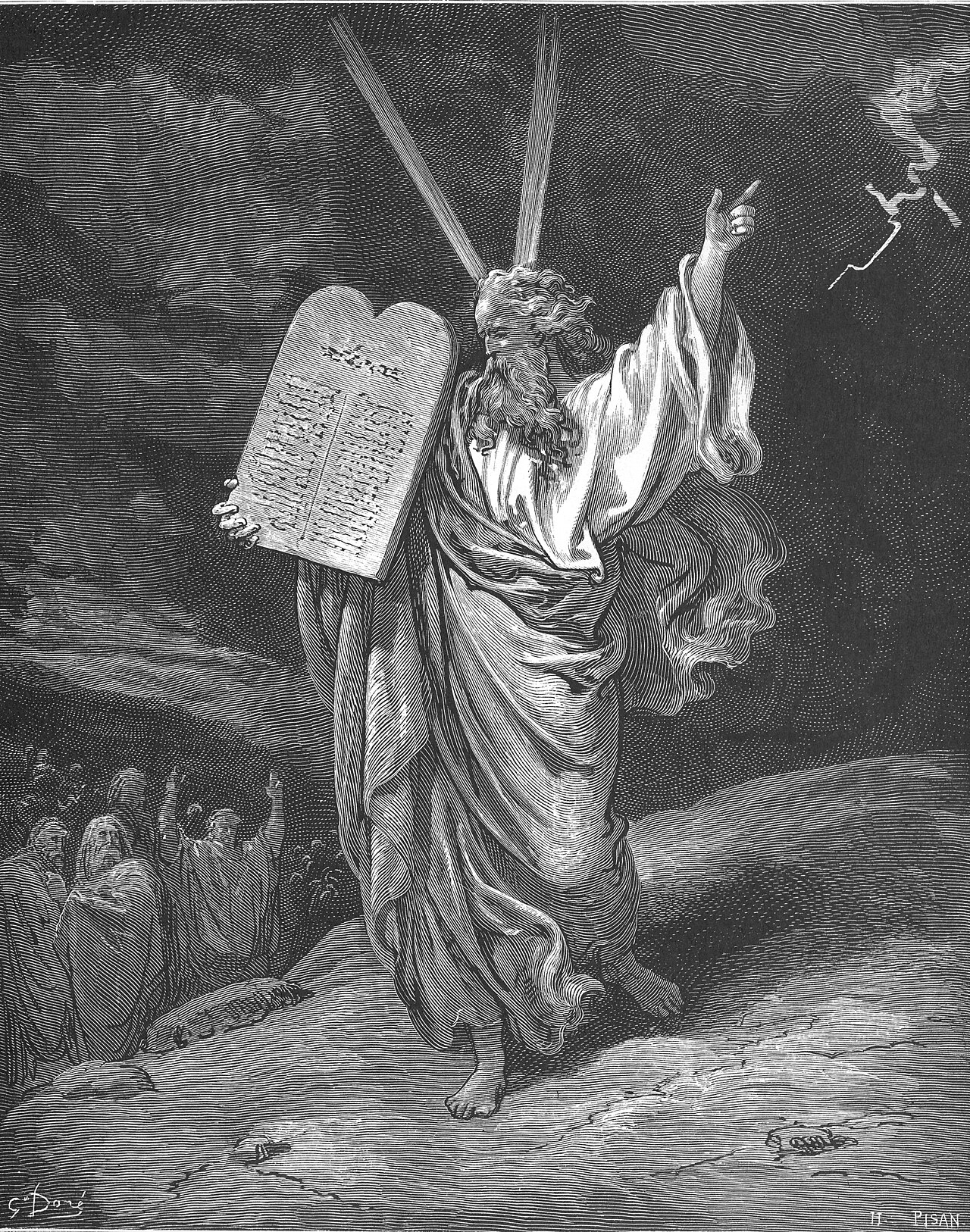
This page draws on Adam Clarke, Commentary on the Bible; John Gill, Exposition of the Old Testament (1748-1763); John Wesley, Explanatory Notes upon the Old Testament and Matthew Henry, Commentary on the Whole Bible.