
Deuteronomy 22:17
in Deuteronomy 22And now he has accused her of shameful conduct, saying, ‘I discovered that your daughter was not a virgin.’ But here is the proof of her virginity.” And they shall spread out the cloth before the city elders.
BSB
The same verse in ASV and KJV ▾
ASV
and, lo, he hath laid shameful things to her charge, saying, I found not in thy daughter the tokens of virginity; and yet these are the tokens of my daughter’s virginity. And they shall spread the garment before the elders of the city.
KJV
And, lo, he hath given occasions of speech against her, saying, I found not thy daughter a maid; and yet these are the tokens of my daughter’s virginity. And they shall spread the cloth before the elders of the city.
⋯
This verse in Deuteronomy 22
Commentary
4 notes on this verseThey shall spread the cloth, etc. - A usage of this kind argues a roughness of manners which would ill comport with the refinement of European ideas on so delicate a subject. Attempts have been made to show that the law here is to be understood metaphorically; but they so perfectly fail to establish any thing like probability, that it would be wasting my own and my reader’s time to detail them. A custom similar to that above is observed among the Mohammedans to the present day.
This site's exposition
If any man take a wife
on Deuteronomy 22:13-21
A husband who accuses his bride is answered by her parents bringing evidence to the elders in the gate, so the case is tried in public and the first burden falls on the accuser. If the charge fails he is chastised, fined a hundred shekels of silver, which is twice the fifty of verse 29, and he may never divorce her, so the woman is left provided for by the man who tried to be rid of her. If the charge holds the penalty is death, and the phrase used for the offence, wrought folly in Israel, is the one Genesis 34:7 used first and Judges 20:6 and 2 Samuel 13:12 use again.
The record, by era
The Puritans and the Awakening1 voice
And, lo, he hath given occasion of speech against her,....
The Nineteenth Century1 voice
A commentator
Jamieson, Fausset & Brown1802–1910
Commentary Critical and Explanatory on the Whole Bible (1871)
proposed
If a man take a wife, &c.--The regulations that follow might be imperatively needful in the then situation of the Israelites; and yet, it is not necessary that we should curiously and impertinently inquire into them.
The words behind it
18 Hebrew wordsEvery Hebrew word of this verse in the order it stands, with what it means and the door to its own study. The last column counts the times a word stands in the whole Bible: the rarer the word, the more the places it appears belong together.
| Hebrew | Sound | Meaning | Word study | In the Bible |
|---|---|---|---|---|
| וְהִנֵּה־ | vehineh- | and there! | H2009 → | 843 times |
| ה֡וּא | hu' | he | H1931 → | 1879 times |
| שָׂם֩ | sam | he has made | H7760 → | 584 times |
| עֲלִילֹ֨ת | ʾalilot | deeds of | H5949 → | |
| דְּבָרִ֜ים | devarim | words | H1697 → | 1440 times |
| לֵאמֹ֗ר | lemor | <to> saying | H559 → | 5305 times |
| לֹֽא־ | lo'- | not | H3808 → | 5168 times |
| מָצָ֤אתִי | matzati | I found | H4672 → | 455 times |
| לְבִתְּךָ֙ | levitekha | to daughter your | H1323 → | 588 times |
| בְּתוּלִ֔ים | betulim | virginiti<es> | H1331 → | 10 times |
| וְאֵ֖לֶּה | veeleh | and these | H428 → | 746 times |
| בְּתוּלֵ֣י | betulei | [are] [the] virginiti<es> of | H1331 → | 10 times |
| בִתִּ֑י | viti | daughter my | H1323 → | 588 times |
| וּפָֽרְשׂוּ֙ | ufaresu | and they will spread out | H6566 → | |
| הַשִּׂמְלָ֔ה | hasimlah | the garment | H8071 → | 29 times |
| לִפְנֵ֖י | lifnei | <to> before | H6440 → | 2123 times |
| זִקְנֵ֥י | ziknei | [the] elders of | H2205 → | 178 times |
| הָעִֽיר׃ | hair | the city | H5892 → | 1090 times |
וְהִנֵּה־and there!
vehineh-H2009 →843 times
ה֡וּאhe
hu'H1931 →1879 times
שָׂם֩he has made
samH7760 →584 times
עֲלִילֹ֨תdeeds of
ʾalilotH5949 →
דְּבָרִ֜יםwords
devarimH1697 →1440 times
לֵאמֹ֗ר<to> saying
lemorH559 →5305 times
לֹֽא־not
lo'-H3808 →5168 times
מָצָ֤אתִיI found
matzatiH4672 →455 times
לְבִתְּךָ֙to daughter your
levitekhaH1323 →588 times
בְּתוּלִ֔יםvirginiti<es>
betulimH1331 →10 times
וְאֵ֖לֶּהand these
veelehH428 →746 times
בְּתוּלֵ֣י[are] [the] virginiti<es> of
betuleiH1331 →10 times
בִתִּ֑יdaughter my
vitiH1323 →588 times
וּפָֽרְשׂוּ֙and they will spread out
ufaresuH6566 →
הַשִּׂמְלָ֔הthe garment
hasimlahH8071 →29 times
לִפְנֵ֖י<to> before
lifneiH6440 →2123 times
זִקְנֵ֥י[the] elders of
zikneiH2205 →178 times
הָעִֽיר׃the city
hairH5892 →1090 times
A shaded row is a word that stands 400 times or fewer in the Bible.
Where this verse is studied
On this page
Studies1
About Deuteronomy
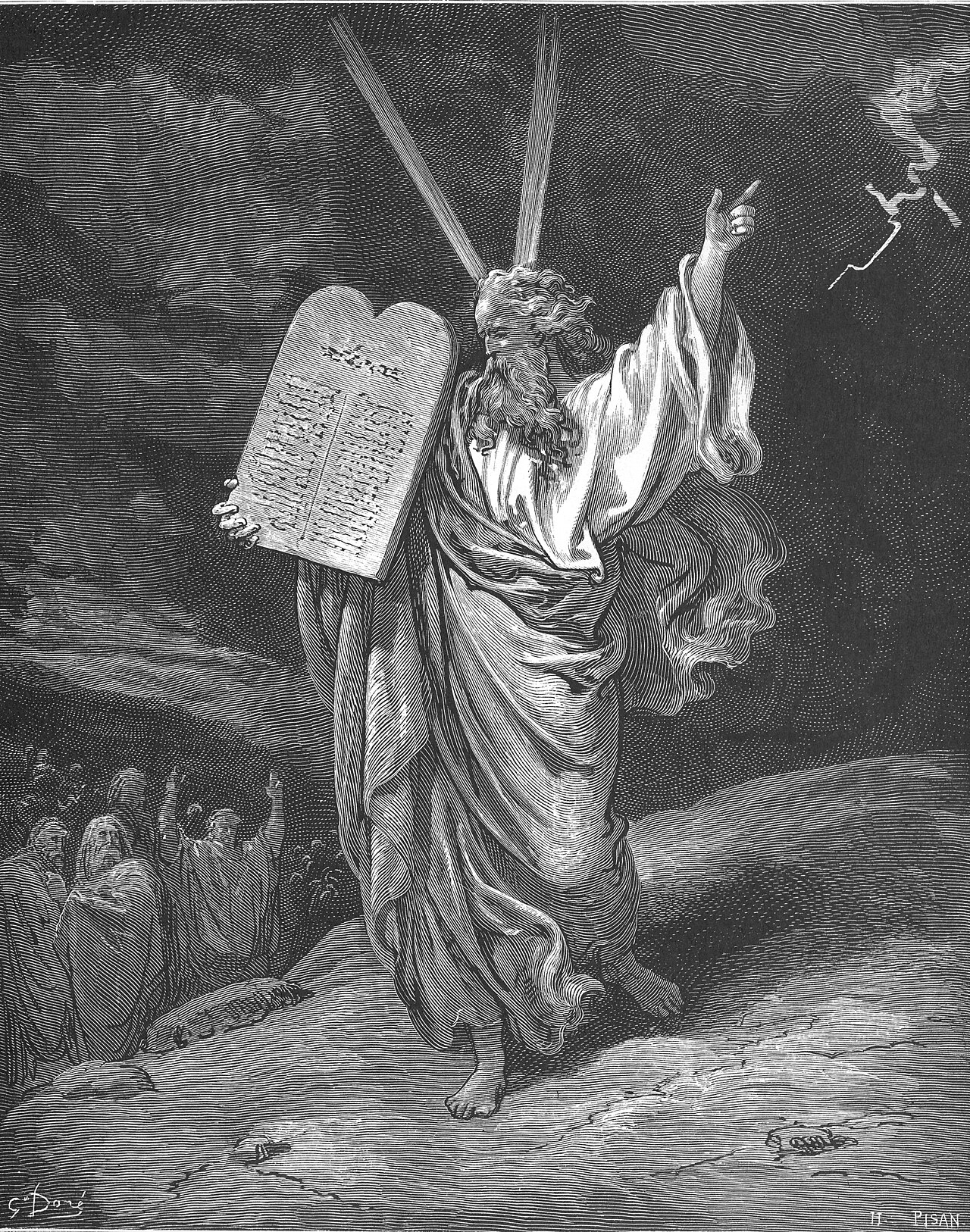
This page draws on Adam Clarke, Commentary on the Bible; Jamieson, Fausset & Brown, Commentary Critical and Explanatory on the Whole Bible; John Gill, Exposition of the Old Testament (1748-1763); Keil and Delitzsch, Biblical Commentary on the Old Testament: The Pentateuch and Matthew Henry, Commentary on the Whole Bible.