
1 Samuel 20:28
in 1 Samuel 20Jonathan answered, “David urgently requested my permission to go to Bethlehem,
BSB
The same verse in ASV and KJV ▾
ASV
And Jonathan answered Saul, David earnestly asked leave of me to go to Beth-lehem:
KJV
And Jonathan answered Saul, David earnestly asked leave of me to go to Beth–lehem:
⋯
This verse in 1 Samuel 20
Commentary
4 notes on this verseThis site's exposition
Wherefore cometh not the son of Jesse
on 1 Samuel 20:27-29
By the second day the ordinary explanation has run out, and Saul asks Jonathan directly, still calling David only the son of Jesse rather than by name. Jonathan gives the same excuse rehearsed at verse 6, a family sacrifice at Bethlehem and a brother's summons, true as far as it goes even though it is not the whole truth. Bethlehem covers for David a second time in this book, the same town that already sent him to Saul's court as an errand boy in chapter 17.
The record, by era
The Medieval Church1 voice
And Jonathan answered Saul: He earnestly requested me that he might go to Bethlehem, etc. It indeed seems strange according to the letter, why he should think and inquire about David in this manner, or Jonathan should respond, when the very obvious cause of royal …
The Puritans and the Awakening2 voices
That he was absent upon a good occasion, keeping the feast in another place, though not here, sent for by his elder brother, who was now more respectful to him than he had been ( ch. xvii.
quarantine:debris (2026-07-29) — unbalanced-parens
And Jonathan answered Saul,....
The words behind it
11 Hebrew wordsEvery Hebrew word of this verse in the order it stands, with what it means and the door to its own study. The last column counts the times a word stands in the whole Bible: the rarer the word, the more the places it appears belong together.
| Hebrew | Sound | Meaning | Word study | In the Bible |
|---|---|---|---|---|
| וַיַּ֥עַן | vaiyaan | and he answered | H6030 → | 331 times |
| יְהוֹנָתָ֖ן | yehonatan | Jonathan | H3083 → | 81 times |
| אֶת־ | ʾet- | <obj.> | H853 → | 10935 times |
| שָׁא֑וּל | shaul | Saul | H7586 → | 402 times |
| נִשְׁאֹ֨ל | nishol | certainly <to ask> | H7592 → | 171 times |
| נִשְׁאַ֥ל | nishal | he asked for himself | H7592 → | 171 times |
| דָּוִ֛ד | david | David | H1732 → | 999 times |
| מֵעִמָּדִ֖י | meimadi | from with me | H5978 → | 42 times |
| עַד־ | ʾad- | to | H5704 → | 1261 times |
| בֵּ֥ית | beit | Beth- | H1035 → | 82 times |
| לָֽחֶם׃ | lachem | -lehem | H1035 → | 82 times |
וַיַּ֥עַןand he answered
vaiyaanH6030 →331 times
יְהוֹנָתָ֖ןJonathan
yehonatanH3083 →81 times
אֶת־<obj.>
ʾet-H853 →10935 times
שָׁא֑וּלSaul
shaulH7586 →402 times
נִשְׁאֹ֨לcertainly <to ask>
nisholH7592 →171 times
נִשְׁאַ֥לhe asked for himself
nishalH7592 →171 times
דָּוִ֛דDavid
davidH1732 →999 times
מֵעִמָּדִ֖יfrom with me
meimadiH5978 →42 times
עַד־to
ʾad-H5704 →1261 times
בֵּ֥יתBeth-
beitH1035 →82 times
לָֽחֶם׃-lehem
lachemH1035 →82 times
A shaded row is a word that stands 400 times or fewer in the Bible.
The walk
5 stopsEach card is a verse this one points to, and under it the verses that one points to in turn. Where several paths arrive at the same place, that place is listed first: the text keeps returning to it.
Through
1 Samuel 20:6If your father misses me at all, tell him, ‘David urgently requested my permission to hurry to Bethlehem, his hometown, because there is an annual sacrifice for his whole clan.’
it leads to
- 1 Samuel 9:12
“Yes, he is ahead of you,” they answered. “Hurry now, for today he has come to the city because the people have a sacrifice on the high place.
- 1 Samuel 17:58
“Whose son are you, young man?” asked Saul. “I am the son of your servant Jesse of Bethlehem,” David replied.
- John 7:42
Doesn’t the Scripture say that the Christ will come from the line of David and from Bethlehem, the village where David lived?”
- Deuteronomy 12:5
Instead, you must seek the place the LORD your God will choose from among all your tribes to establish as a dwelling for His Name, and there you must go.
- 1 Samuel 16:2–5
“How can I go?” Samuel asked. “Saul will hear of it and kill me!” The LORD answered, “Take a heifer with you and say, ‘I have come to sacrifice to the LORD.’
- 1 Samuel 9:12
Where this verse is studied
On this page
About 1 Samuel
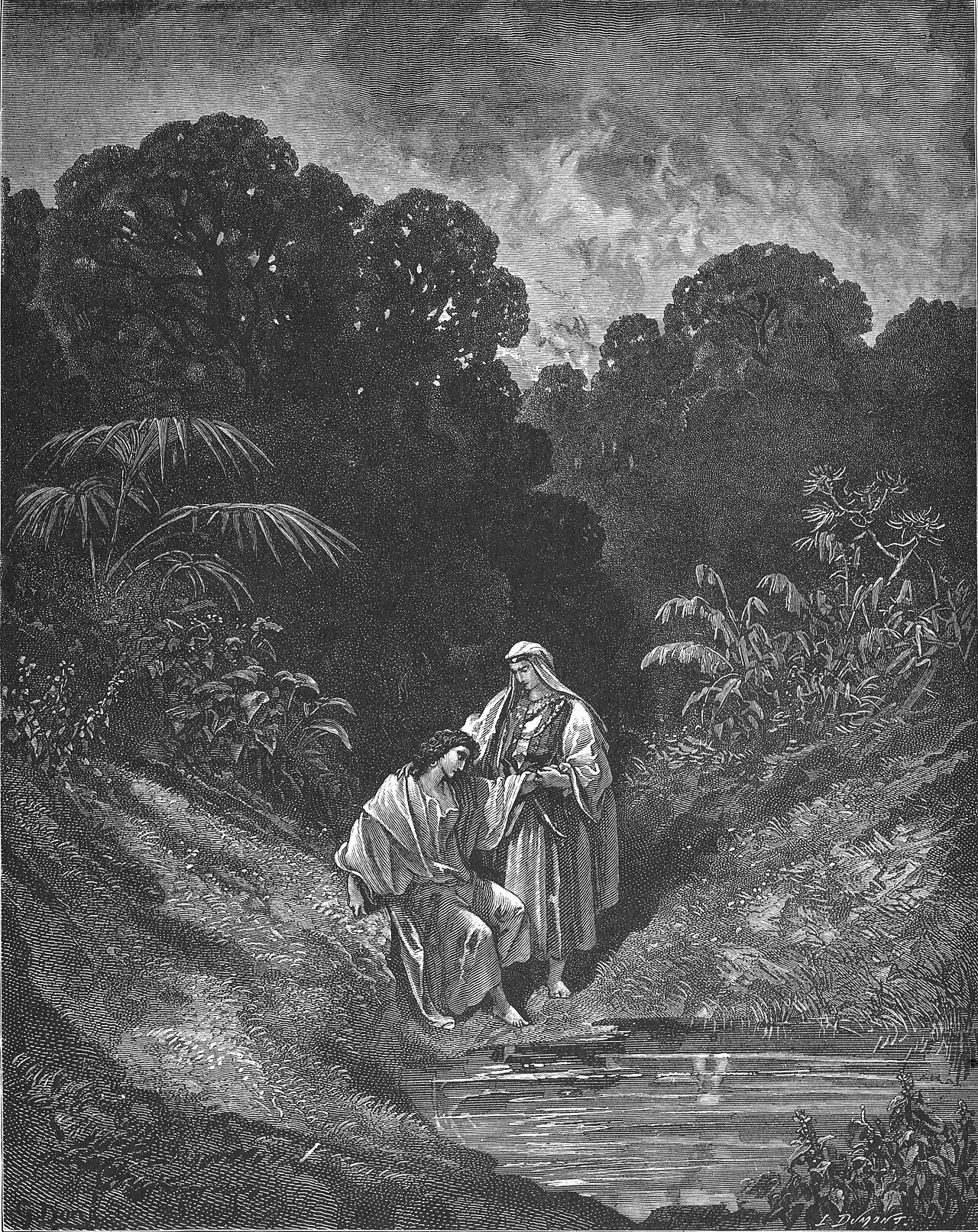
Who and where
3 names in this verse with a page on the site.
- PersonUnited MonarchyDavidSecond king of united Israel, shepherd-turned-monarch, ancestor of the Messiah, and traditional author of many Psalms.
- PersonEarly monarchyJonathanSon of King Saul who climbed a cliff to rout a garrison on the conviction that nothing restrains Jehovah; cut a covenant of steadf…
- PlaceBethlehemBethlehemDavid’s town, six miles south of Jerusalem, where Ruth gleaned, where Samuel anointed a shepherd boy, and where Jesus was born as…
This page draws on Adam Clarke, Commentary on the Bible; Bede, Commentary on Samuel; John Gill, Exposition of the Old Testament (1748-1763) and Matthew Henry, Commentary on the Whole Bible.