
Place
Susa (Shushan)
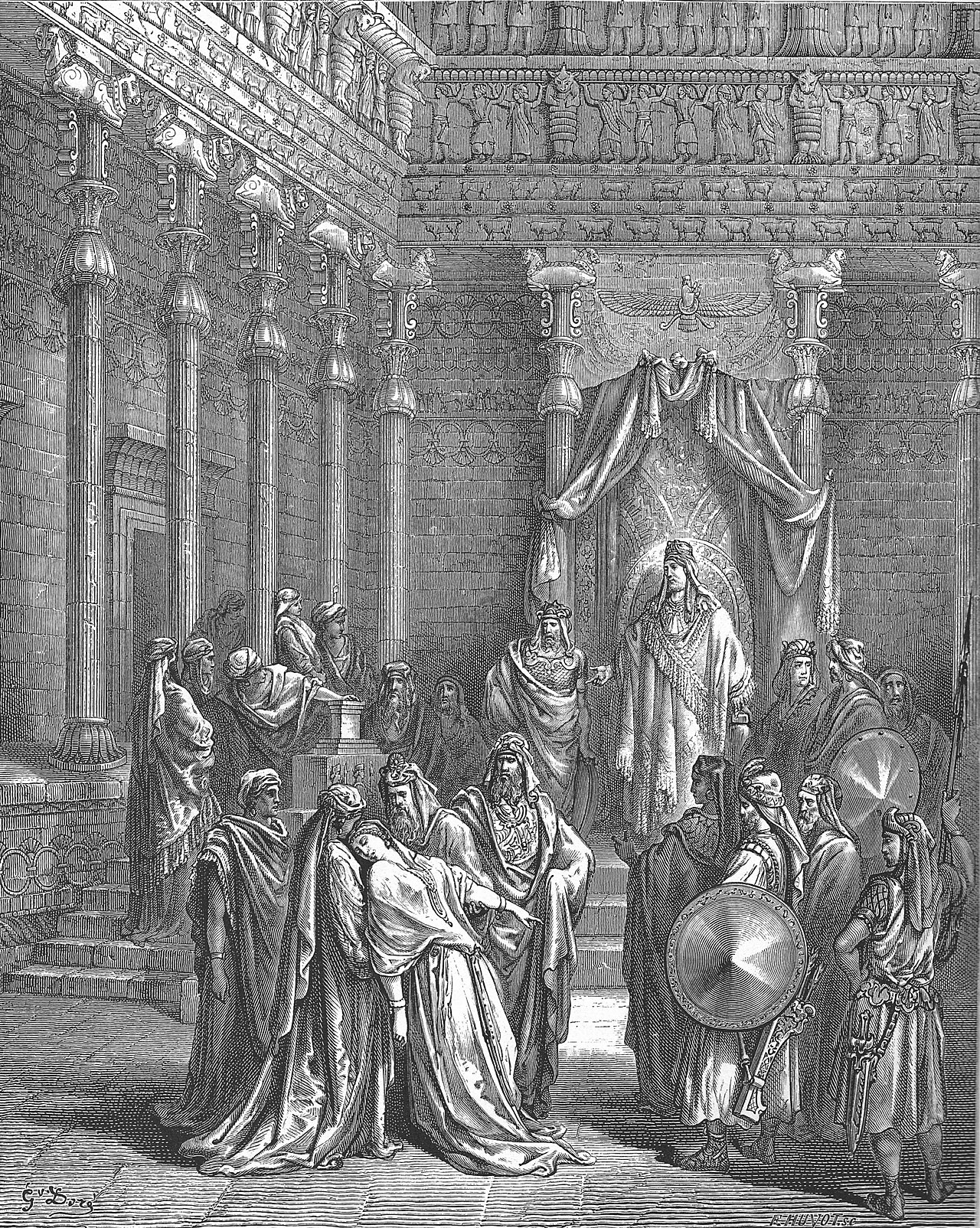
Gustave Dore, 19th century. Public domain.
Summary
The Persian winter capital where Esther was crowned, Haman built his gallows, and Nehemiah served the king's cup.
- The whole book of Esther plays out at this one royal citadel, from Vashti's refusal to Purim's founding.
- A Jewish orphan named Esther became queen here, and used that position to save her people from a planned genocide.
- Haman built a gallows for Mordecai at Susa, and was hanged on it himself.
- Nehemiah served as the king's cupbearer at this same citadel before he was sent to rebuild Jerusalem's walls.
- Daniel places one of his visions here too, beside the Ulai Canal, generations before Esther's story.
On this page
In Scripture
- Verses
- 20
- Books
- 4
Where it is
the country around it
- Coordinates
- 32.1892° N, 48.2579° Eopen the Atlas →
- Region
- Persia
- Kind of place
- City
- Located: the gazetteer fixes one site
Why Susa (Shushan) matters
What has been found
the evidence, and where it is disputed
Esther, from Vashti's fall to the founding of Purim
Esther 1-9, in the order it happens
Read Esther 1-9, in the order it happens
- The king's throne, in the citadel of SusaEsther 1:2In those days King Xerxes sat on his royal throne in the citadel of Susa.
- Vashti refuses the king, and loses her crownEsther 1:12Queen Vashti, however, refused to come at the king’s command brought by his eunuchs. And the king became furious, and his anger burned within him.
- Esther is made queenEsther 2:17And the king loved Esther more than all the other women, and she found grace and favor in his sight more than all of the other virgins. So he placed the royal crown upon her head and made her queen in place of Vashti.
- Haman secures a decree to destroy the JewsEsther 3:9If it pleases the king, let a decree be issued to destroy them, and I will deposit ten thousand talents of silver into the royal treasury to pay those who carry it out.
- "For such a time as this"Esther 4:14For if you remain silent at this time, relief and deliverance for the Jews will arise from another place, but you and your father’s house will perish. And who knows if perhaps you have come to the kingdom for such a time as this?
- "If I perish, I perish"Esther 4:16Go and assemble all the Jews who can be found in Susa, and fast for me. Do not eat or drink for three days, night or day, and I and my maidens will fast as you do. After that, I will go to the king, even though it is against the law. And if I perish, I perish!
- Esther approaches the king unsummonedEsther 5:2As soon as the king saw Queen Esther standing in the court, she found favor in his sight. The king extended the gold scepter in his hand toward Esther, and she approached and touched the tip of the scepter.
- Haman is hanged on his own gallowsEsther 7:10So they hanged Haman on the gallows he had prepared for Mordecai. Then the fury of the king subsided.
- Purim is establishedEsther 9:32So Esther’s decree confirmed these regulations about Purim, which were written into the record.
Every scene in this outline happens inside the same citadel at Susa: the throne room, the harem, the banquets, and the gallows Haman built for Mordecai and was hanged on himself.
Esther: the full study guideWhat happened here, in order
in the order the canon tells it
- Xerxes reigns over 127 provinces from India to CushEsther 1:1This is what happened in the days of Xerxes, who reigned over 127 provinces from India to Cush.
- Mordecai raises his orphaned cousin Hadassah, that is, EstherEsther 2:7And Mordecai had brought up Hadassah (that is, Esther), the daughter of his uncle, because she did not have a father or mother. The young woman was lovely in form and appearance, and when her father and mother had died, Mordecai had taken her in as his own daughter.
- Haman is elevated above every prince in the kingdomEsther 3:1After these events, King Xerxes honored Haman son of Hammedatha, the Agagite, elevating him to a position above all the princes who were with him.
- Haman builds a gallows for MordecaiEsther 5:14His wife Zeresh and all his friends told him, “Have them build a gallows fifty cubits high, and ask the king in the morning to have Mordecai hanged on it. Then go to the banquet with the king and enjoy yourself.” The advice pleased Haman, and he had the gallows constructed.
- Esther pleads for her life and her people'sEsther 7:4For my people and I have been sold out to destruction, death, and annihilation. If we had merely been sold as menservants and maidservants, I would have remained silent, because no such distress would justify burdening the king.
- Joy and gladness among the Jews in every provinceEsther 8:17In every province and every city, wherever the king’s edict and decree reached, there was joy and gladness among the Jews, with feasting and celebrating. And many of the people of the land themselves became Jews, because the fear of the Jews had fallen upon them.
- The Jews in Susa keep the feast a day later than the provincesEsther 9:18The Jews in Susa, however, had assembled on the thirteenth and the fourteenth days of the month. So they rested on the fifteenth day, making it a day of feasting and joy.
- The feast is named PurimEsther 9:26Therefore these days are called Purim, from the word Pur. Because of all the instructions in this letter, and because of all they had seen and experienced,
- Nehemiah, serving in the citadel of Susa, hears of Jerusalem's wallsNehemiah 1:1These are the words of Nehemiah son of Hacaliah: In the month of Chislev, in the twentieth year, while I was in the citadel of Susa,
- Daniel's vision places him at the citadel of SusaDaniel 8:2And in the vision I saw myself in the citadel of Susa, in the province of Elam. I saw in the vision that I was beside the Ulai Canal.
Susa (Shushan) in Scripture
20 verses name it, or one of its other names (Susa), in 4 books
Open a book to read its mentions here. Text: Berean Standard Bible.
Old TestamentNew Testamentsegment width = share of mentions
Old Testament4 books · 20 mentions
Ezra1 mention
Nehemiah1 mention
Esther17 mentions
- Esther 1:2In those days King Xerxes sat on his royal throne in the citadel of Susa.
- Esther 1:5At the end of this time, in the garden court of the royal palace, the king held a seven-day feast for all the people in the citadel of Susa, from the least to the greatest.
- Esther 2:3and let the king appoint commissioners in each province of his kingdom to assemble all the beautiful young women into the harem at the citadel of Susa. Let them be placed under the care of Hegai, the king’s eunuch in charge of the women, and let them be given beauty treatments.
- Esther 2:5Now there was at the citadel of Susa a Jewish man from the tribe of Benjamin named Mordecai son of Jair, the son of Shimei, the son of Kish.
- Esther 2:8When the king’s command and edict had been proclaimed, many young women gathered at the citadel of Susa under the care of Hegai. Esther was also taken to the palace and placed under the care of Hegai, the custodian of the women.
- Esther 3:15The couriers left, spurred on by the king’s command, and the edict was issued in the citadel of Susa. Then the king and Haman sat down to drink, but the city of Susa was in confusion.
- Esther 4:8Mordecai also gave Hathach a copy of the written decree issued in Susa for the destruction of the Jews, to show and explain to Esther, urging her to approach the king, implore his favor, and plead before him for her people.
- Esther 4:16“Go and assemble all the Jews who can be found in Susa, and fast for me. Do not eat or drink for three days, night or day, and I and my maidens will fast as you do. After that, I will go to the king, even though it is against the law. And if I perish, I perish!”
9 further mentions in Esther, read them in the book.
Common questions
Why did Vashti's single refusal at a feast turn into an empire-wide decree?
The king's advisers argued that if word spread of a queen who defied the king openly, wives across the empire would use her as an example against their own husbands. The decree that followed was framed as a matter of order across all 127 provinces, not simply a punishment of one woman, which is why it was recorded in the laws of Persia and Media as unable to be repealed.
Why did Esther risk her life to approach the king rather than send a request through an official?
Persian law allowed anyone who approached the king unsummoned to be put to death unless he extended his scepter, and Esther had not been called to the king in thirty days. She judged the danger to her people too great to leave to an intermediary, and after three days of fasting she went herself, saying plainly that she would go even against the law and accept the risk.
What was Haman's plan against the Jews, and how did it come back on him?
Haman secured a decree to destroy every Jew in the empire on a single appointed day, and paid a large sum into the royal treasury to see it carried out. He also built a gallows at his own house meant for Mordecai. Esther exposed the plot to the king at a banquet, and Haman was hanged on the very gallows he had built, the same day the king's fury turned against him.
What does Purim celebrate, and why is it kept on different days in different places?
Purim celebrates the reversal recorded in Esther 9: the day set for the Jews' destruction became instead a day of victory and rest. The Jews in the outlying provinces fought on the thirteenth of the month and rested with feasting on the fourteenth, but the Jews in Susa itself were given a second day of fighting and so rested and feasted on the fifteenth, which is why the book records the feast confirmed for both days together.
Why do Nehemiah and Daniel each place a defining scene at this same citadel, decades apart from Esther and from each other?
Susa was a chief royal city of the Persian Empire, used by its kings as a residence, so any official or exile serving at the Persian court could find himself there. Nehemiah names it as the place he served as royal cupbearer when news of Jerusalem's broken walls reached him, and Daniel places a vision there beside the Ulai Canal, generations earlier. Scripture ties three different figures to the same citadel without treating that as a coincidence needing explanation.
Notable art
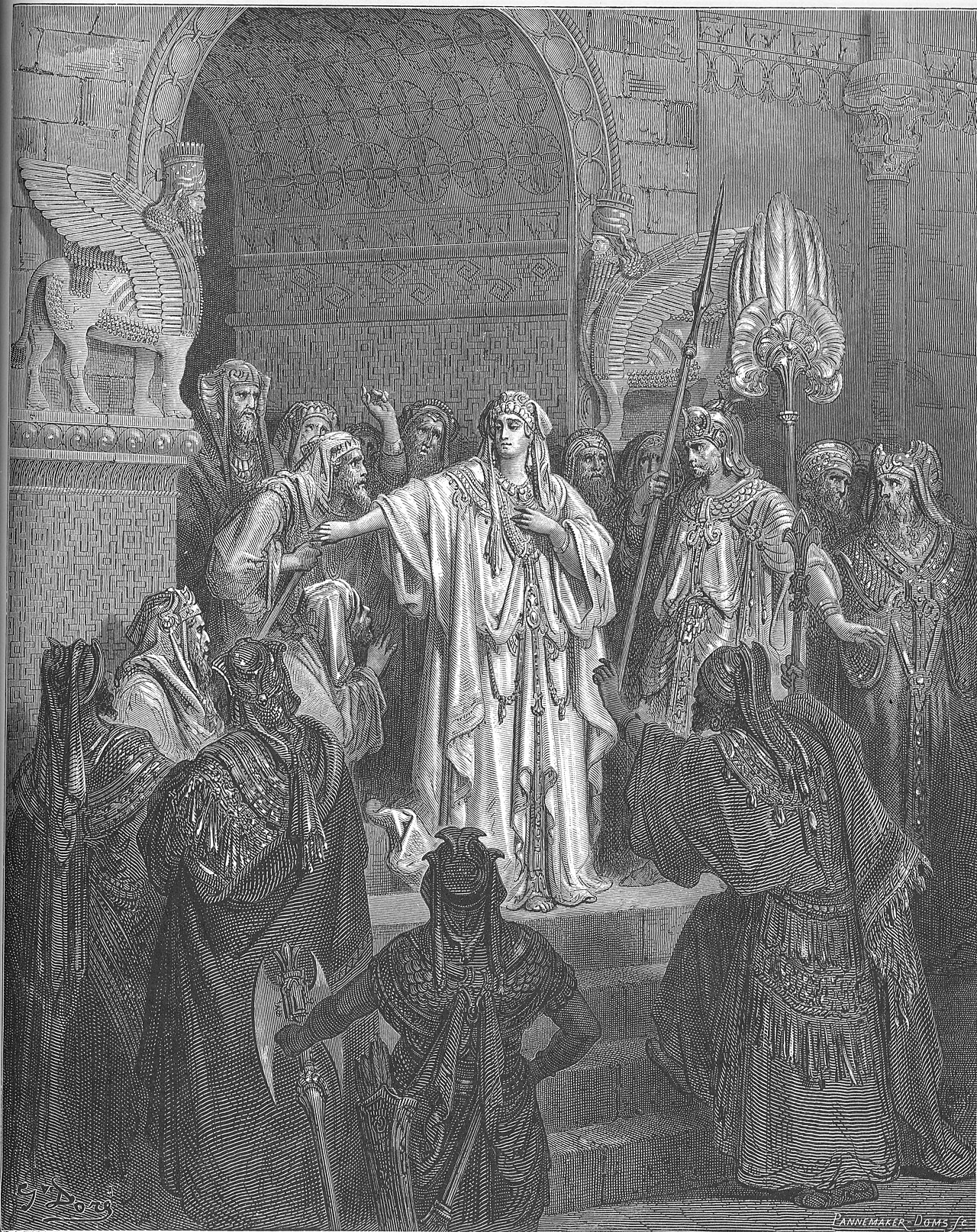
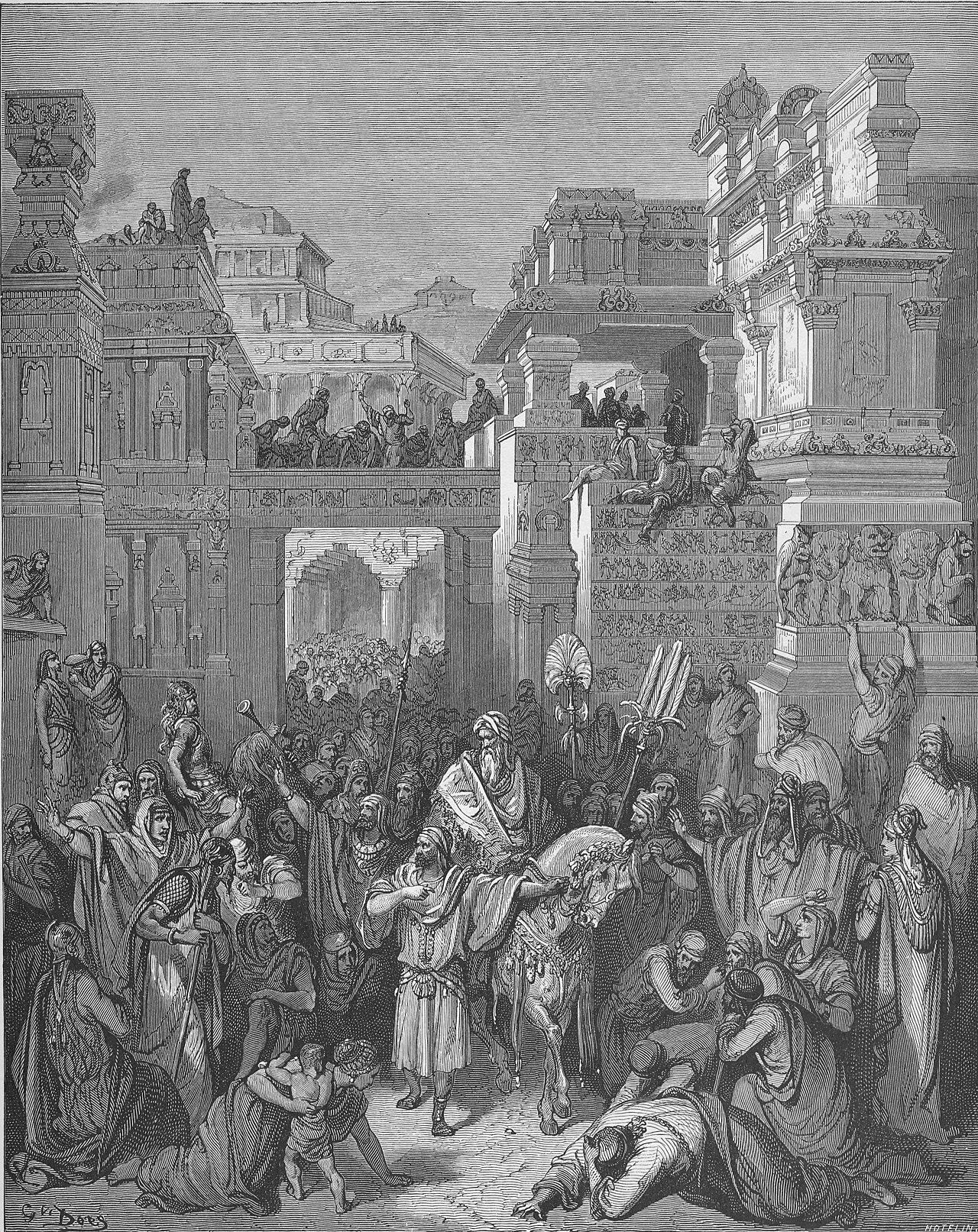
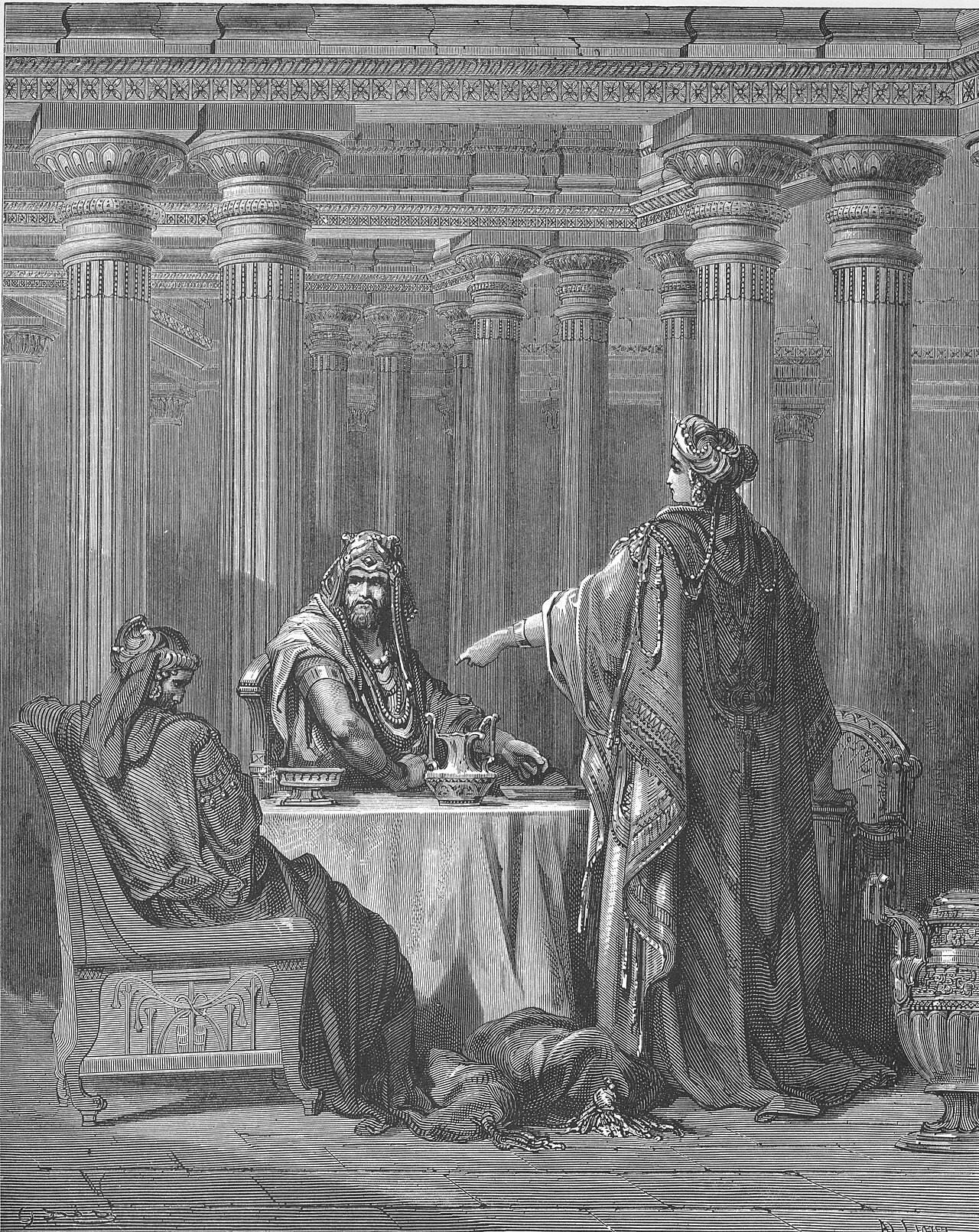
3 verified pieces depicting Susa (Shushan)
Sources cited
- OpenBible.info Bible Geocoding: Susaread 2026-08-20The coordinates on this page. Used under CC-BY with attribution to OpenBible.info.
- Berean Standard BiblePublic domain since 2023. All Scripture quoted on this page, from the site's own verse store.
- Encyclopaedia Iranica, "Susa i. Excavations"Marcel Dieulafoy's 1884-1886 excavation of the Apadana at Susa, the friezes and capital now in the Louvre. Confirmed by web search, 2026-09-02 (session 7).
Keep studying
On this page
Studies7
Lives that run through it1
Doorway2
Keep this page