
Esther 7:4
in Esther 7For my people and I have been sold out to destruction, death, and annihilation. If we had merely been sold as menservants and maidservants, I would have remained silent, because no such distress would justify burdening the king.”
BSB
The same verse in ASV and KJV ▾
ASV
for we are sold, I and my people, to be destroyed, to be slain, and to perish. But if we had been sold for bondmen and bondwomen, I had held my peace, although the adversary could not have compensated for the king’s damage.
KJV
For we are sold, I and my people, to be destroyed, to be slain, and to perish. But if we had been sold for bondmen and bondwomen, I had held my tongue, although the enemy could not countervail the king’s damage.
⋯
This verse in Esther 7
Commentary
7 notes on this verseTo be destroyed, to be slain - She here repeats the words which Haman put into the decree. See Est 3:13. Could not countervail the king’s damage - Even the ten thousand talents of silver could not be considered as a compensation to the state for the loss of a whole nation of people throughout all their generations.
This site's exposition
grant me my life
on Esther 7:3-4
Esther names the price Haman set at 3:9: "my people and I have been sold out to destruction, death, and annihilation," his exact bargain. Her aside, that mere slavery she would have borne in silence, marks how far past ordinary loss the decree reaches.
This site's exposition
For my people and I have been sold
Destruction, death and annihilation are the three words of Haman's own decree at 3:13, as Adam Clarke notes. The closing clause is read two ways. The Berean reads a trouble too small, and Barnes and Clarke read Haman's silver as unable to repay the king for a whole people lost.
The record, by era
The Puritans and the Awakening2 voices
Whatever had been paid for us, the loss of so many industrious hands out of his kingdom would have been more damage to the treasury than the price would countervail." To persecute good people is as impolitic as it is impious, and a manifest wrong to the interests of princes and states; they are weakened and impoverished by it.
quarantine:debris (2026-07-29) — odd-straight-quotes
For we are sold, I and my people, to be destroyed, to be slain, and to perish,....
The Nineteenth Century2 voices
A commentator
Jamieson, Fausset & Brown1802–1910
Commentary Critical and Explanatory on the Whole Bible (1871)
proposed
we are sold, I and my people, to be destroyed--that is, by the cruel and perfidious scheme of that man, who offered an immense sum of money to purchase our extermination.
quarantine:debris (2026-07-29) — starts-lowercase
A commentator
Albert Barnes1798–1870
Notes, Explanatory and Practical, on the Old and New Testaments (1832-1869)
proposed
The king now learned, perhaps for the first time, that his favorite was a Jewess. Although the enemy ... - i. e. “although the enemy (Haman) would not (even in that case) compensate (by his payment to the treasury) for the king’s loss of so many subjects.”
How the passage was read
What the Jewish commentators add
For the oppressor has no regard for losses incurred by his majesty.
2 more on this passage, in their own words ▾
Let my life be granted me. That I should not be slain on the thirteenth of Adar, for you have issued an edict of massacre upon my people and my heritage.
King Achashveirosh spoke. He said to Queen Esther. Wherever it states, “and he said.. and he said,” twice, it is to be expounded upon.
This section is reception history: how the passage was read and kept in the Jewish tradition. Where a reading parts from an essential of the Christian faith, the section says so at that point.
Texts and citation data: Sefaria; each excerpt follows its version’s licence. 2 further sources are cited on this chapter that carry no English text this site may quote or only restate the verse.
The words behind it
18 Hebrew wordsEvery Hebrew word of this verse in the order it stands, with what it means and the door to its own study. The last column counts the times a word stands in the whole Bible: the rarer the word, the more the places it appears belong together.
| Hebrew | Sound | Meaning | Word study | In the Bible |
|---|---|---|---|---|
| כִּ֤י | ki | for | H3588 → | 4482 times |
| נִמְכַּ֙רְנוּ֙ | nimkarnu | we have been sold | H4376 → | |
| אֲנִ֣י | ʾani | I | H589 → | 874 times |
| וְעַמִּ֔י | veami | and people my | H5971 → | 1873 times |
| לְהַשְׁמִ֖יד | lehashmid | to annihilate | H8045 → | 90 times |
| לַהֲר֣וֹג | laharog | to kill | H2026 → | 167 times |
| וּלְאַבֵּ֑ד | uleabed | and to destroy | H6 → | 184 times |
| וְ֠אִלּוּ | veilu | and if | H432 → | |
| לַעֲבָדִ֨ים | laavadim | to male slaves | H5650 → | 799 times |
| וְלִשְׁפָח֤וֹת | velishfachot | and to female slaves | H8198 → | |
| נִמְכַּ֙רְנוּ֙ | nimkarnu | we had been sold | H4376 → | |
| הֶחֱרַ֔שְׁתִּי | hecherashti | I kept quiet | H2790 → | 74 times |
| כִּ֣י | ki | for | H3588 → | 4482 times |
| אֵ֥ין | ʾein | not | H369 → | 789 times |
| הַצָּ֛ר | hatzar | the distress | H6862 → | |
| שֹׁוֶ֖ה | shoveh | [is] equal | H7737 → | 21 times |
| בְּנֵ֥זֶק | benezek | for [the] injury of | H5143 → | |
| הַמֶּֽלֶךְ׃ ס | hamelekh | the king | H4428 → | 2525 times |
כִּ֤יfor
kiH3588 →4482 times
נִמְכַּ֙רְנוּ֙we have been sold
nimkarnuH4376 →
אֲנִ֣יI
ʾaniH589 →874 times
וְעַמִּ֔יand people my
veamiH5971 →1873 times
לְהַשְׁמִ֖ידto annihilate
lehashmidH8045 →90 times
לַהֲר֣וֹגto kill
laharogH2026 →167 times
וּלְאַבֵּ֑דand to destroy
uleabedH6 →184 times
וְ֠אִלּוּand if
veiluH432 →
לַעֲבָדִ֨יםto male slaves
laavadimH5650 →799 times
וְלִשְׁפָח֤וֹתand to female slaves
velishfachotH8198 →
נִמְכַּ֙רְנוּ֙we had been sold
nimkarnuH4376 →
הֶחֱרַ֔שְׁתִּיI kept quiet
hecherashtiH2790 →74 times
כִּ֣יfor
kiH3588 →4482 times
אֵ֥יןnot
ʾeinH369 →789 times
הַצָּ֛רthe distress
hatzarH6862 →
שֹׁוֶ֖ה[is] equal
shovehH7737 →21 times
בְּנֵ֥זֶקfor [the] injury of
benezekH5143 →
הַמֶּֽלֶךְ׃ סthe king
hamelekhH4428 →2525 times
A shaded row is a word that stands 400 times or fewer in the Bible.
The walk
8 stopsEach card is a verse this one points to, and under it the verses that one points to in turn. Where several paths arrive at the same place, that place is listed first: the text keeps returning to it.
Through
Deuteronomy 28:68The LORD will return you to Egypt in ships by a route that I said you should never see again. There you will sell yourselves to your enemies as male and female slaves, but…
it leads to
- Jeremiah 44:12
And I will take away the remnant of Judah who have resolved to go to the land of Egypt to reside there; they will meet their end. They will all fall by the sword…
- Jeremiah 43:7
So they entered the land of Egypt because they did not obey the voice of the LORD, and they went as far as Tahpanhes.
- Hosea 8:13
Though they offer sacrifices as gifts to Me, and though they eat the meat, the LORD does not accept them. Now He will remember their iniquity and punish their sins: They will return to…
- Hosea 9:3
They will not remain in the land of the LORD; Ephraim will return to Egypt and eat unclean food in Assyria.
- Deuteronomy 17:16
But the king must not acquire many horses for himself or send the people back to Egypt to acquire more horses, for the LORD has said, ‘You are never to go back that way…
- Jeremiah 44:12
Through
Esther 8:11By these letters the king permitted the Jews in each and every city the right to assemble and defend themselves, to destroy, kill, and annihilate all the forces of any people or province hostile…
it leads to
- Esther 3:13
And the letters were sent by couriers to each of the royal provinces with the order to destroy, kill, and annihilate all the Jews—young and old, women and children—and to plunder their possessions on…
- Psalms 37:14–15
The wicked have drawn the sword and bent the bow to bring down the poor and needy, to slay those whose ways are upright.
- Psalms 146:6–9
the Maker of heaven and earth, the sea, and everything in them. He remains faithful forever.
- Esther 3:13
Where this verse is studied
About Esther
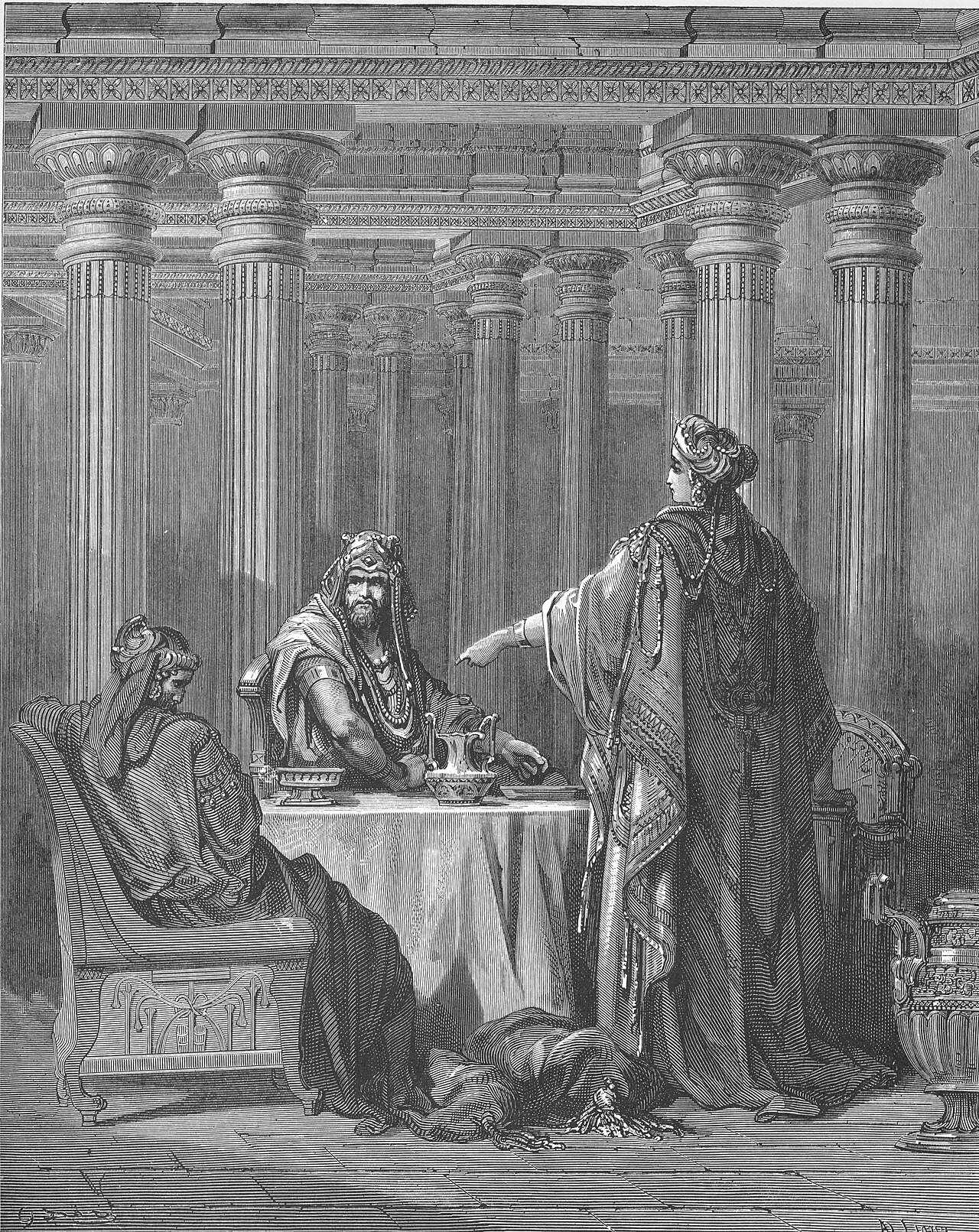
This page draws on Adam Clarke, Commentary on the Bible; Albert Barnes, Notes, Explanatory and Practical, on the Old and New Testaments (1832-1869); Jamieson Fausset and Brown, Commentary Critical and Explanatory on the Whole Bible; Jamieson, Fausset & Brown, Commentary Critical and Explanatory on the Whole Bible; John Gill, Exposition of the Old Testament (1748-1763) and Matthew Henry, Commentary on the Whole Bible.