
Esther 2:8
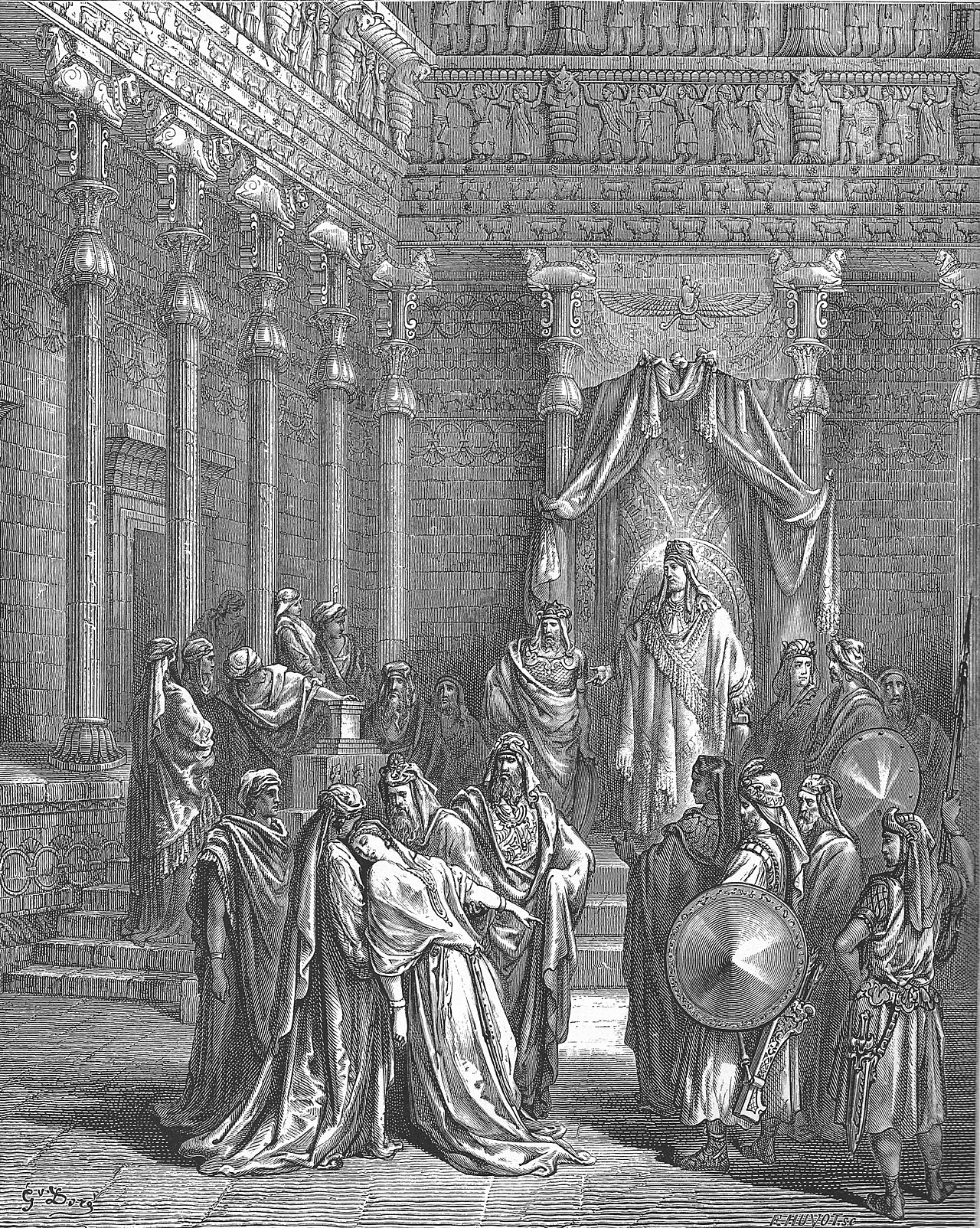
in Esther 2When the king’s command and edict had been proclaimed, many young women gathered at the citadel of Susa under the care of Hegai. Esther was also taken to the palace and placed under the care of Hegai, the custodian of the women.
BSB
The same verse in ASV and KJV ▾
ASV
So it came to pass, when the king’s commandment and his decree was heard, and when many maidens were gathered together unto Shushan the palace, to the custody of Hegai, that Esther was taken into the king’s house, to the custody of Hegai, keeper of the women.
KJV
So it came to pass, when the king’s commandment and his decree was heard, and when many maidens were gathered together unto Shushan the palace, to the custody of Hegai, that Esther was brought also unto the king’s house, to the custody of Hegai, keeper of the women.
⋯
This verse in Esther 2
Commentary
3 notes on this verseSo it came to pass, when the king's commandment and decree was heard,.... In the several provinces of his kingdom: and when many maidens were gathered unto Shushan the palace, to the custody of Hegai; Josephus (o) says, there were gathered to the number of four hundred: that Esther was brought also unto the king's house, to the custody of Hegai, the keeper of the women: by force, as Aben Ezra and the former Targum, and so the word is sometimes used. (o) Ibid. (Antiqu. l. 11. c. 6. sect. 2.)
This site's exposition
When the king’s command and edict
on Esther 2:8-9
Esther is taken to the palace among "many young women" and placed "under the care of Hegai, the custodian of the women". She pleases Hegai before the king has seen her. He gives her beauty treatments, "the special diet," "seven select maidservants" and "the best place in the harem".
The record, by era
The Medieval Church1 voice
Now, what can Esther—whose name means hidden, and who was also called Hadassah, i.e. mercy—signify if not the Church of the nations, which pleases God in the recesses of its heart because its faith is pure, and it finds before the eyes of God more …
The words behind it
24 Hebrew wordsEvery Hebrew word of this verse in the order it stands, with what it means and the door to its own study. The last column counts the times a word stands in the whole Bible: the rarer the word, the more the places it appears belong together.
| Hebrew | Sound | Meaning | Word study | In the Bible |
|---|---|---|---|---|
| וַיְהִ֗י | vayhi | and it was | H1961 → | 3559 times |
| בְּהִשָּׁמַ֤ע | behishama' | when were heard | H8085 → | 1159 times |
| דְּבַר־ | devar- | [the] edict of | H1697 → | 1440 times |
| הַמֶּ֙לֶךְ֙ | hamelekh | the king | H4428 → | 2525 times |
| וְדָת֔וֹ | vedato | and orders his | H1881 → | 22 times |
| וּֽבְהִקָּבֵ֞ץ | uvehikavetz | and when were gathered | H6908 → | 127 times |
| נְעָר֥וֹת | nearot | young women | H5291 → | 63 times |
| רַבּ֛וֹת | rabot | many | H7227 → | 454 times |
| אֶל־ | ʾel- | to | H413 → | 5510 times |
| שׁוּשַׁ֥ן | shushan | Susa | H7800 → | 21 times |
| הַבִּירָ֖ה | habirah | the citadel | H1002 → | 16 times |
| אֶל־ | ʾel- | into | H413 → | 5510 times |
| יַ֣ד | yad | [the] hand of | H3027 → | 1618 times |
| הֵגָ֑י | hegai | Hegai | H1896 → | 4 times |
| וַתִּלָּקַ֤ח | vatilakach | and she was taken | H3947 → | 966 times |
| אֶסְתֵּר֙ | ʾester | Esther | H635 → | 55 times |
| אֶל־ | ʾel- | to | H413 → | 5510 times |
| בֵּ֣ית | beit | [the] house of | H1004 → | 2046 times |
| הַמֶּ֔לֶךְ | hamelekh | the king | H4428 → | 2525 times |
| אֶל־ | ʾel- | into | H413 → | 5510 times |
| יַ֥ד | yad | [the] hand of | H3027 → | 1618 times |
| הֵגַ֖י | hegai | Hegai | H1896 → | 4 times |
| שֹׁמֵ֥ר | shomer | [the] keeper | H8104 → | 468 times |
| הַנָּשִֽׁים׃ | hanashim | of the women | H802 → | 781 times |
וַיְהִ֗יand it was
vayhiH1961 →3559 times
בְּהִשָּׁמַ֤עwhen were heard
behishama'H8085 →1159 times
דְּבַר־[the] edict of
devar-H1697 →1440 times
הַמֶּ֙לֶךְ֙the king
hamelekhH4428 →2525 times
וְדָת֔וֹand orders his
vedatoH1881 →22 times
וּֽבְהִקָּבֵ֞ץand when were gathered
uvehikavetzH6908 →127 times
נְעָר֥וֹתyoung women
nearotH5291 →63 times
רַבּ֛וֹתmany
rabotH7227 →454 times
אֶל־to
ʾel-H413 →5510 times
שׁוּשַׁ֥ןSusa
shushanH7800 →21 times
הַבִּירָ֖הthe citadel
habirahH1002 →16 times
אֶל־into
ʾel-H413 →5510 times
יַ֣ד[the] hand of
yadH3027 →1618 times
הֵגָ֑יHegai
hegaiH1896 →4 times
וַתִּלָּקַ֤חand she was taken
vatilakachH3947 →966 times
אֶסְתֵּר֙Esther
ʾesterH635 →55 times
אֶל־to
ʾel-H413 →5510 times
בֵּ֣ית[the] house of
beitH1004 →2046 times
הַמֶּ֔לֶךְthe king
hamelekhH4428 →2525 times
אֶל־into
ʾel-H413 →5510 times
יַ֥ד[the] hand of
yadH3027 →1618 times
הֵגַ֖יHegai
hegaiH1896 →4 times
שֹׁמֵ֥ר[the] keeper
shomerH8104 →468 times
הַנָּשִֽׁים׃of the women
hanashimH802 →781 times
A shaded row is a word that stands 400 times or fewer in the Bible.
The walk
8 stopsEach card is a verse this one points to, and under it the verses that one points to in turn. Where several paths arrive at the same place, that place is listed first: the text keeps returning to it.
Through
Esther 2:15Now Esther was the daughter of Abihail, the uncle from whom Mordecai had adopted her as his own daughter. And when it was her turn to go to the king, she did not ask…
it leads to
- Song of Solomon 6:9
but my dove, my perfect one, is unique, the favorite of the mother who bore her. The maidens see her and call her blessed; the queens and concubines sing her praises.
- Esther 2:3
and let the king appoint commissioners in each province of his kingdom to assemble all the beautiful young women into the harem at the citadel of Susa. Let them be placed under the care…
- Acts 7:10
and rescued him from all his troubles. He granted Joseph favor and wisdom in the sight of Pharaoh king of Egypt, who appointed him ruler over Egypt and all his household.
- Esther 9:29
So Queen Esther daughter of Abihail, along with Mordecai the Jew, wrote with full authority to confirm this second letter concerning Purim.
- Esther 2:7–8
And Mordecai had brought up Hadassah (that is, Esther), the daughter of his uncle, because she did not have a father or mother. The young woman was lovely in form and appearance, and when…
- Song of Solomon 6:9
Through
Esther 2:3and let the king appoint commissioners in each province of his kingdom to assemble all the beautiful young women into the harem at the citadel of Susa. Let them be placed under the care…
it leads to
- Esther 2:12–15
In the twelve months before her turn to go to King Xerxes, the harem regulation required each young woman to receive beauty treatments with oil of myrrh for six months, and then with perfumes…
- Esther 1:1–2
This is what happened in the days of Xerxes, who reigned over 127 provinces from India to Cush.
- Esther 2:8–9
When the king’s command and edict had been proclaimed, many young women gathered at the citadel of Susa under the care of Hegai. Esther was also taken to the palace and placed under the…
- Esther 2:12–15
Where this verse is studied
On this page
About Esther
Who and where
1 name in this verse with a page on the site.
This page draws on John Gill, Exposition of the Old Testament (1748-1763); John Gill, Exposition of the Old Testament; Rabanus Maurus, Commentary on Esther and W. F. Adeney, Ezra, Nehemiah and Esther (Expositor's Bible).