
Esther 4:16
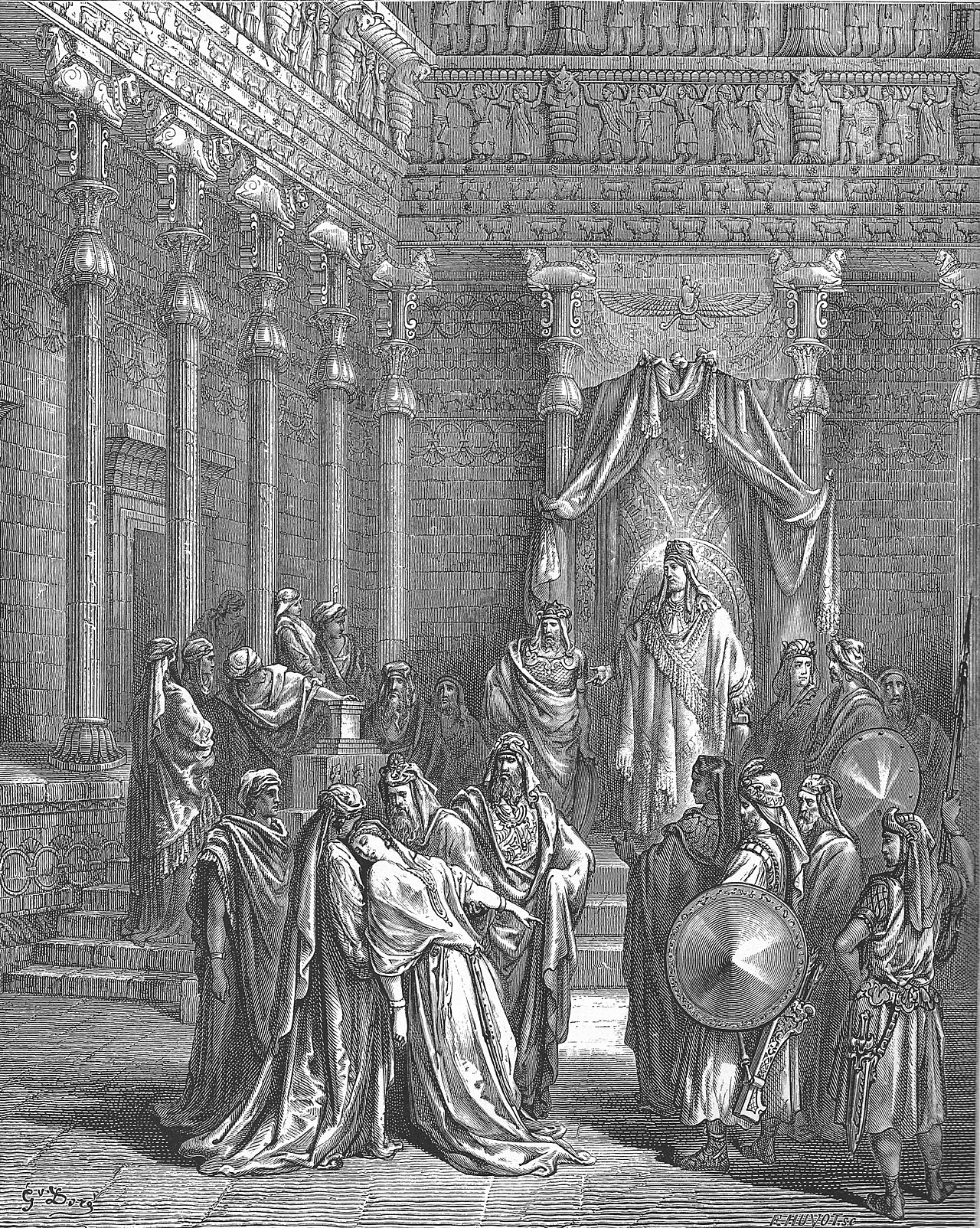
in Esther 4“Go and assemble all the Jews who can be found in Susa, and fast for me. Do not eat or drink for three days, night or day, and I and my maidens will fast as you do. After that, I will go to the king, even though it is against the law. And if I perish, I perish!”
BSB
The same verse in ASV and KJV ▾
ASV
Go, gather together all the Jews that are present in Shushan, and fast ye for me, and neither eat nor drink three days, night or day: I also and my maidens will fast in like manner; and so will I go in unto the king, which is not according to the law: and if I perish, I perish.
KJV
Go, gather together all the Jews that are present in Shushan, and fast ye for me, and neither eat nor drink three days, night or day: I also and my maidens will fast likewise; and so will I go in unto the king, which is not according to the law: and if I perish, I perish.
⋯
This verse in Esther 4
Commentary
13 notes on this verseWhy did Queen Esther expose herself to death and not fear the wrath of a fierce king? Was it not to save her people from death, an act both seemly and virtuous? The king of Persia himself also, though fierce and proud, yet thought it seemly to show honor to the man who had given information about a plot that had been laid against himself, to save a free people from slavery, to snatch them from death and not to spare him who had pressed on such unseemly plans.
This site's exposition
Then Esther sent this reply
on Esther 4:15-16
Esther asks Mordecai to "assemble all the Jews who can be found in Susa, and fast for me" three days. She will go to the king, accepting the cost: "And if I perish, I perish". Those words are unique in Scripture, and older writers set them beside Daniel 3:18.
This site's exposition
“Go and assemble all the Jews
Clement of Rome set Esther beside Judith as a woman perfect in faith who went to the king to save the twelve tribes. Wesley, Henry and Barnes take the fast as a time of prayer, and Clarke found it strange that the text names neither God nor prayer.
The record, by era
The Church Fathers2 voices
Many women, fortified by the grace of God, have accomplished many heroic actions. The blessed Judith, when the city was besieged, asked permission of the elders to be allowed to go into the foreigners' camp. By exposing herself to danger she went out for love of her country and of the people who were besieged, and the Lord delivered Holophernes into the hand of a woman. To no less danger did Esther, who was perfect in faith, expose herself, in order to save the twelve tribes of Israel that were to be destroyed.
But what use is there to recall all the examples of those who, because they prayed as they ought, received great favours from God? Everyone can choose for himself many examples from the Scriptures. Anna obtained the birth of Samuel, who was reckoned with Moses, because when she was barren she prayed to the Lord with faith. And Ezechias, being still childless and having learned from Isaias that he was about to die, prayed and was included in genealogy of the Saviour. Again, when, as a result of a single order arising from the intrigues of Aman, the people were about to be destroyed, the prayer and fasting of Mardochai and Esther were heard, and hence there arose, in addition to the feasts ordained by Moses, the festival of Mardochai for the people.
The Medieval Church1 voice
Mordecai prays with the Jews on behalf of Queen Esther, and the queen likewise prays for Mordecai and the Jews, because a teacher ought to offer prayers to the Lord on behalf of his students, and students on behalf of their teachers, that the entire …
The Puritans and the Awakening2 voices
Fast - And pray; so as you use to do, leave off your common dinners by day, and suppers at night, and eat and drink no more than mere necessity requires; that so you may give yourselves to constant and fervent prayers.
She believed that God's favour was to be obtained by prayer, that his people are a praying people, and he a prayer-hearing God. She knew it was the practice of good people, in extraordinary cases, to join fasting with prayer, and many of them to join together in both.
5 more voices on this verse
The Puritans and the Awakening2 voices
Then was the queen exceedingly grieved; and she sent raiment to clothe Mordecai, and to take away his sackcloth from him: but he received it not. Here we have an account of the general sorrow that there was among the Jews upon the publishing of Haman's bloody edict against them. It was a sad time with the church.
quarantine:scripture (2026-07-29) — verbatim-run:26w-of-59
Go, gather together all the Jews that are present in Shushan,....
The Nineteenth Century3 voices
Fast ye for me, and neither eat nor drink three days - What a strange thing, that still we hear nothing of prayer, nor of God! What is the ground on which we can account for this total silence? I know it not. She could not suppose there was any charm in fasting, sackcloth garments, and lying on the ground. If these were not done to turn away the displeasure of God, which seemed now to have unchained their enemies against them, what were they done for?
A commentator
Jamieson, Fausset & Brown1802–1910
Commentary Critical and Explanatory on the Whole Bible (1871)
proposed
so will I go in unto the king, which is not according to the law--The appeal of Mordecai was irresistible. Having appointed a solemn fast of three days, she expressed her firm resolution to make an appeal to the king, though she should perish in the attempt.
quarantine:debris (2026-07-29) — starts-lowercase
A commentator
Albert Barnes1798–1870
Notes, Explanatory and Practical, on the Old and New Testaments (1832-1869)
proposed
Again the religious element shows itself. Esther’s fast could have no object but to obtain God’s favor and protection in the dangerous course on which she was about to enter.
How the passage was read
What the Jewish commentators add
Even though it is unlawful. For it is contrary to the law for one who has not been summoned to enter.
This section is reception history: how the passage was read and kept in the Jewish tradition. Where a reading parts from an essential of the Christian faith, the section says so at that point.
Texts and citation data: Sefaria; each excerpt follows its version’s licence. 5 further sources are cited on this chapter that carry no English text this site may quote or only restate the verse.
The words behind it
32 Hebrew wordsEvery Hebrew word of this verse in the order it stands, with what it means and the door to its own study. The last column counts the times a word stands in the whole Bible: the rarer the word, the more the places it appears belong together.
| Hebrew | Sound | Meaning | Word study | In the Bible |
|---|---|---|---|---|
| לֵךְ֩ | lekh | go | H1980 → | 1546 times |
| כְּנ֨וֹס | kenos | gather | H3664 → | |
| אֶת־ | ʾet- | <obj.> | H853 → | 10935 times |
| כָּל־ | kol- | all | H3605 → | 5413 times |
| הַיְּהוּדִ֜ים | haiyehudim | the Jews | H3064 → | 75 times |
| הַֽנִּמְצְאִ֣ים | hanimtzeim | who are found | H4672 → | 455 times |
| בְּשׁוּשָׁ֗ן | beshushan | in Susa | H7800 → | 21 times |
| וְצ֣וּמוּ | vetzumu | and fast | H6684 → | |
| עָ֠לַי | ʾalai | on me | H5921 → | 5755 times |
| וְאַל־ | veal- | and may not | H408 → | 724 times |
| תֹּאכְל֨וּ | tokhelu | you eat | H398 → | |
| וְאַל־ | veal- | and may not | H408 → | 724 times |
| תִּשְׁתּ֜וּ | tishtu | you drink | H8354 → | 217 times |
| שְׁלֹ֤שֶׁת | sheloshet | three | H7969 → | 432 times |
| יָמִים֙ | yamim | days | H3117 → | 2304 times |
| לַ֣יְלָה | laylah | night | H3915 → | |
| וָי֔וֹם | vayom | and day | H3117 → | 2304 times |
| גַּם־ | gam- | also | H1571 → | 769 times |
| אֲנִ֥י | ʾani | I | H589 → | 874 times |
| וְנַעֲרֹתַ֖י | venaarotai | and maids my | H5291 → | 63 times |
| אָצ֣וּם | ʾatzum | I will fast | H6684 → | |
| כֵּ֑ן | ken | thus | H3651 → | 771 times |
| וּבְכֵ֞ן | uvekhen | and in such | H3651 → | 771 times |
| אָב֤וֹא | ʾavo' | I will go | H935 → | 2568 times |
| אֶל־ | ʾel- | to | H413 → | 5510 times |
| הַמֶּ֙לֶךְ֙ | hamelekh | the king | H4428 → | 2525 times |
| אֲשֶׁ֣ר | ʾasher | which | H834 → | 5497 times |
| לֹֽא־ | lo'- | not | H3808 → | 5168 times |
| כַדָּ֔ת | khadat | [is] according to the law | H1881 → | 22 times |
| וְכַאֲשֶׁ֥ר | vekhaasher | and just as | H834 → | 5497 times |
| אָבַ֖דְתִּי | ʾavadti | I have perished | H6 → | 184 times |
| אָבָֽדְתִּי׃ | ʾavadeti | I have perished | H6 → | 184 times |
לֵךְ֩go
lekhH1980 →1546 times
כְּנ֨וֹסgather
kenosH3664 →
אֶת־<obj.>
ʾet-H853 →10935 times
כָּל־all
kol-H3605 →5413 times
הַיְּהוּדִ֜יםthe Jews
haiyehudimH3064 →75 times
הַֽנִּמְצְאִ֣יםwho are found
hanimtzeimH4672 →455 times
בְּשׁוּשָׁ֗ןin Susa
beshushanH7800 →21 times
וְצ֣וּמוּand fast
vetzumuH6684 →
עָ֠לַיon me
ʾalaiH5921 →5755 times
וְאַל־and may not
veal-H408 →724 times
תֹּאכְל֨וּyou eat
tokheluH398 →
וְאַל־and may not
veal-H408 →724 times
תִּשְׁתּ֜וּyou drink
tishtuH8354 →217 times
שְׁלֹ֤שֶׁתthree
sheloshetH7969 →432 times
יָמִים֙days
yamimH3117 →2304 times
לַ֣יְלָהnight
laylahH3915 →
וָי֔וֹםand day
vayomH3117 →2304 times
גַּם־also
gam-H1571 →769 times
אֲנִ֥יI
ʾaniH589 →874 times
וְנַעֲרֹתַ֖יand maids my
venaarotaiH5291 →63 times
אָצ֣וּםI will fast
ʾatzumH6684 →
כֵּ֑ןthus
kenH3651 →771 times
וּבְכֵ֞ןand in such
uvekhenH3651 →771 times
אָב֤וֹאI will go
ʾavo'H935 →2568 times
אֶל־to
ʾel-H413 →5510 times
הַמֶּ֙לֶךְ֙the king
hamelekhH4428 →2525 times
אֲשֶׁ֣רwhich
ʾasherH834 →5497 times
לֹֽא־not
lo'-H3808 →5168 times
כַדָּ֔ת[is] according to the law
khadatH1881 →22 times
וְכַאֲשֶׁ֥רand just as
vekhaasherH834 →5497 times
אָבַ֖דְתִּיI have perished
ʾavadtiH6 →184 times
אָבָֽדְתִּי׃I have perished
ʾavadetiH6 →184 times
A shaded row is a word that stands 400 times or fewer in the Bible.
The walk
8 stopsEach card is a verse this one points to, and under it the verses that one points to in turn. Where several paths arrive at the same place, that place is listed first: the text keeps returning to it.
Through
Acts 20:24But I consider my life of no value to me, if only I may finish my course and complete the ministry I have received from the Lord Jesus—the ministry of testifying to the good…
it leads to
- 2 Timothy 4:6–8
For I am already being poured out like a drink offering, and the time of my departure is at hand.
- 2 Corinthians 12:10
That is why, for the sake of Christ, I delight in weaknesses, in insults, in hardships, in persecutions, in difficulties. For when I am weak, then I am strong.
- 2 Corinthians 4:1
Therefore, since God in His mercy has given us this ministry, we do not lose heart.
- 1 Corinthians 15:58
Therefore, my beloved brothers, be steadfast and immovable. Always excel in the work of the Lord, because you know that your labor in the Lord is not in vain.
- Acts 21:13
Then Paul answered, “Why are you weeping and breaking my heart? I am ready not only to be bound, but also to die in Jerusalem for the name of the Lord Jesus.”
- 2 Timothy 4:6–8
Through
Luke 9:24For whoever wants to save his life will lose it, but whoever loses his life for My sake will save it.
it leads to
- Luke 17:33
Whoever tries to save his life will lose it, but whoever loses his life will preserve it.
- John 12:25
Whoever loves his life will lose it, but whoever hates his life in this world will keep it for eternal life.
- Luke 17:33
Through
Genesis 18:19For I have chosen him, so that he will command his children and his household after him to keep the way of the LORD by doing what is right and just, in order that…
it leads to
- 1 Timothy 3:4–5
An overseer must manage his own household well and keep his children under control, with complete dignity.
- 1 Timothy 3:4–5
Where this verse is studied
On this page
About Esther
This page draws on 11 works. Open the list of works
This page draws on Adam Clarke, Commentary on the Bible; Albert Barnes, Notes, Explanatory and Practical, on the Old and New Testaments (1832-1869); Ambrose of Milan, On the Duties of the Clergy 3.21.123-24; Clement of Rome, 1 CLEMENT 55.3-6; Jamieson, Fausset & Brown, Commentary Critical and Explanatory on the Whole Bible; John Gill, Exposition of the Old Testament (1748-1763); John Wesley, Explanatory Notes upon the Old Testament; Matthew Henry, Commentary on the Whole Bible; Origen of Alexandria, ON PRAYER 13.2; Rabanus Maurus, Commentary on Esther and W. F. Adeney, Ezra, Nehemiah and Esther (Expositor's Bible).