
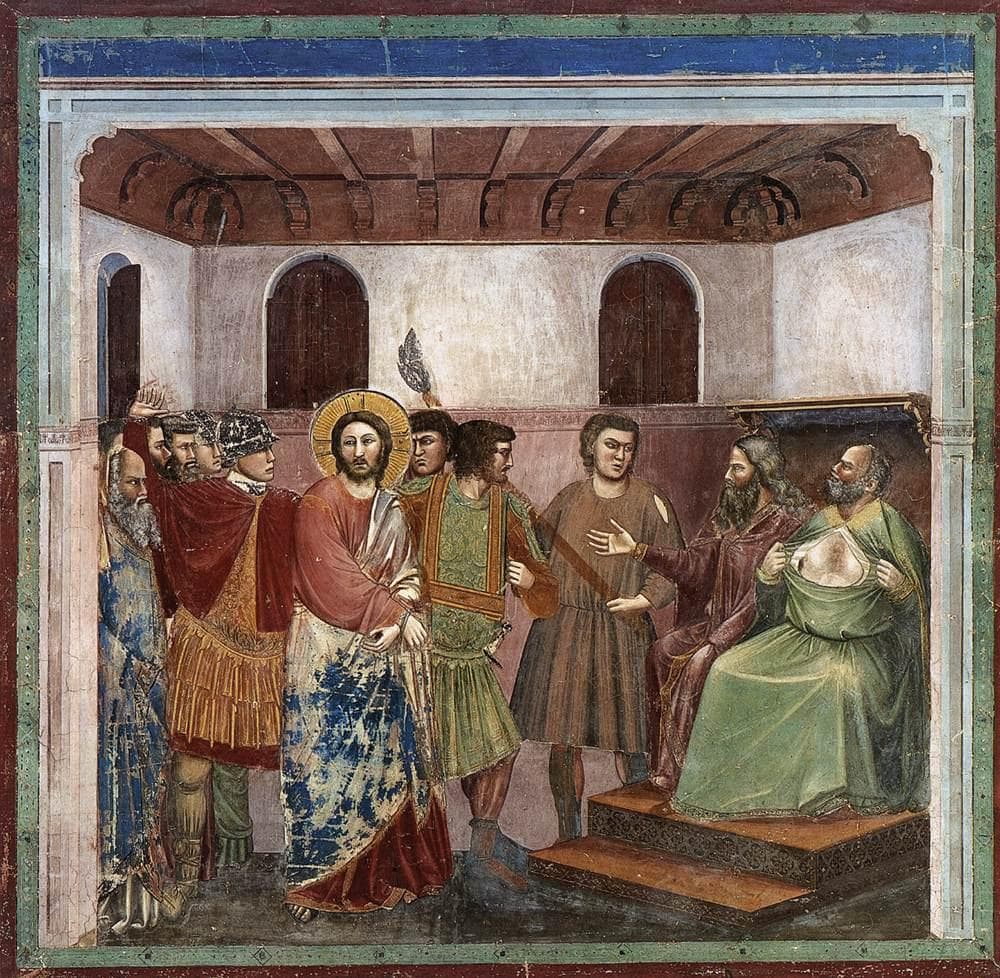
Ephesians 4 · Value 19 of 41 · Featured Study
Truthfulness
Truthfulness is speaking what is so and keeping faith with one's word.
Paul asked, “Have I now become your enemy by telling you the truth?” (Galatians 4:16).
Therefore each of you must put off falsehood and speak truthfully to his neighbor, for we are all members of one another.
- Anchor text
- Ephesians 4:25 “Therefore each of you must put off…”
- Its opposite
- The lie and the false witness
- Hold in memory
- Ephesians 4:25, John 8:32
Summary
Scripture grounds truthfulness in God before it asks it of people. God cannot lie, His word is truth, and Christ calls Himself the truth. The command to His people follows from that ground, and Paul gives the reason that binds the church: believers are members of one body, so each owes the others the truth. The Law, the Proverbs and the apostles all forbid the lie, and the last chapters of Revelation leave liars outside the holy city.
- Jesus spoke no deceit, and He came into the world to bear witness to the truth.
- Truthfulness reaches the heart and the deed as well as the lips.
- Truth is to be spoken in love, so that the church grows up into Christ.
- Scripture calls the devil the father of lies.
What Truthfulness Is
Two Hebrew and two Greek nouns name truth and its opposite, the lie.
Paul gives the command its plainest form in Ephesians 4:25, and every believer stands under it. It matters because the church is one body, and a lie told within it wrongs the members who trust the word. This study asks what the Bible means by truth, where the duty to speak it comes from, and how the church is to keep it. It answers from the Hebrew and Greek words, the key texts, the God who does not lie and the example of Christ. It also gives the people, the stories and the voices of the church, and the questions on which readers disagree.
Emet, truth
127 uses in the canon
The Hebrew noun emet (H571) is the psalmist's word for the whole of what God has said: “The entirety of Your word is truth.”
Sheqer, falsehood
113 uses in the canon
The Hebrew noun sheqer (H8267) names falsehood and deception. The ninth commandment uses it of the lying witness: “You shall not bear false witness against your neighbor.”
Aletheia, truth
109 uses in the canon
The Greek noun aletheia (G225) is John's word for what the Word made flesh was full of, “full of grace and truth.”
Pseudos, the lie
10 uses in the canon
The Greek noun pseudos (G5579) names the lie, and Paul's command in Ephesians 4:25 opens by putting it off. Jesus used it of the devil: “When he lies, he speaks his native language.”
Emet, truth, Sheqer, falsehood, Aletheia, truth, Pseudos, the lie, The Words Emet and Aletheia, the study in brief
The Key Texts of Truthfulness
The Law, the psalms, the Proverbs, the prophets and the letters command truth toward God and toward the neighbour.
Law
You must not steal. You must not lie or deceive one another.
The holiness code sets the lie beside theft as a wrong done to a neighbour.
Wisdom
Surely You desire truth in the inmost being; You teach me wisdom in the inmost place.
The psalm of confession asks for truth where only God can see it.
Psalm 51:6BSB
Wisdom
Lying lips are detestable to the LORD, but those who deal faithfully are His delight.
Proverbs ties honest dealing to the LORD's own pleasure, so truthfulness is first a matter between a person and God.
Prophets
These are the things you must do: Speak truth to one another, render true and sound judgments in your gates,
Zechariah gives the returned exiles truth in speech and in the courts as the first things they must do, and Paul takes up his words in Ephesians 4:25.
Epistles
Do not lie to one another, since you have taken off the old self with its practices,
Colossians gives the command of Ephesians 4:25 again in a letter sent to another church.
Psalm 51:6, Proverbs 12:22, Zechariah 8:16, Colossians 3:9
Truthfulness Rests on the God Who Cannot Lie
The Law, the Gospel of John and the letters set the command on God Himself and on His Spirit.
Balaam was hired to curse Israel, and the blessing he spoke instead says, “God is not a man, that He should lie, or a son of man, that He should change His mind” (Numbers 23:19).
The truth of every word God speaks rests on what God is.
| Text | The Berean words |
|---|---|
| No falsehood in Him | |
| Titus 1:2 | “in the hope of eternal life, which God, who cannot lie, promised before time began” |
| Hebrews 6:18 | “Thus by two unchangeable things in which it is impossible for God to lie, we who have fled to take hold of the hope set before us may be strongly encouraged” |
| Romans 3:4 | “Certainly not! Let God be true and every man a liar.” |
| Every word He speaks | |
| John 17:17 | “Sanctify them by the truth; Your word is truth.” |
| The Spirit of truth | |
| John 16:13 | “However, when the Spirit of truth comes, He will guide you into all truth.” |
The Spirit of truth, John 16:13
Paul grounds the command of Ephesians 4:25 in the new self, “created to be like God in true righteousness and holiness” (Ephesians 4:24).
Five texts on God, His word and His Spirit, each with its Berean words., a paragraph
Christ and Truthfulness
His practice, His teaching, His trial and His rising each stand with a verse and a door.
No deceit was found in His mouth1 Peter 2
Isaiah said of the servant of the LORD that “He had done no violence, nor was any deceit in His mouth” (Isaiah 53:9).
“He committed no sin, and no deceit was found in His mouth.”
1 Peter 2:22BSB Peter applies Isaiah's words to Christ and sets them before believers as the example they are called to follow (1 Peter 2:21).
Read the page on Jesus 33 sections, 35 verses set out
He taught that His word freesJohn 8
On the night before He died, Jesus told Thomas, “I am the way and the truth and the life” (John 14:6).
So He said to the Jews who had believed Him, “If you continue in My word, you are truly My disciples. Then you will know the truth, and the truth will set you free.”
John 8:31 to 32BSB Jesus makes knowing the truth the fruit of continuing in His word.
He testified to the truth at His trialJohn 18
Before the council “many bore false witness against Jesus, but their testimony was inconsistent” (Mark 14:56). Pilate then went out again to the Jews and told them, “I find no basis for a charge against Him” (John 18:38).
“Then You are a king!” Pilate said. “You say that I am a king,” Jesus answered. “For this reason I was born and have come into the world, to testify to the truth. Everyone who belongs to the truth listens to My voice.”
John 18:37BSB Jesus answers Pilate's question about His kingship by naming the purpose of His birth.
His rising made the apostles' witness true1 Corinthians 15
Paul told the Corinthians that if Christ has not been raised, “our preaching is worthless, and so is your faith” (1 Corinthians 15:14).
In that case, we are also exposed as false witnesses about God. For we have testified about God that He raised Christ from the dead, but He did not raise Him if in fact the dead are not raised.
1 Corinthians 15:15BSB Paul stakes the honesty of every apostle on the fact of the resurrection.
Read the story of the Empty Tomb 12 sections, 10 verses set out
He taught that His word frees (John 8), He testified to the truth at His trial (John 18), His rising made the apostles' witness true (1 Corinthians 15)
John 18:37, 1 Corinthians 15:15
Who Spoke the Truth
Four people of the Bible told the truth to a king, a court, a ruler and a council.
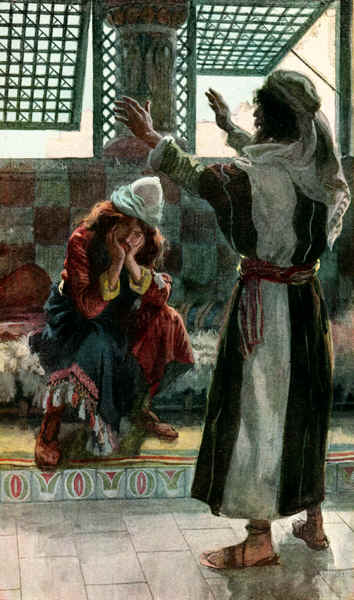
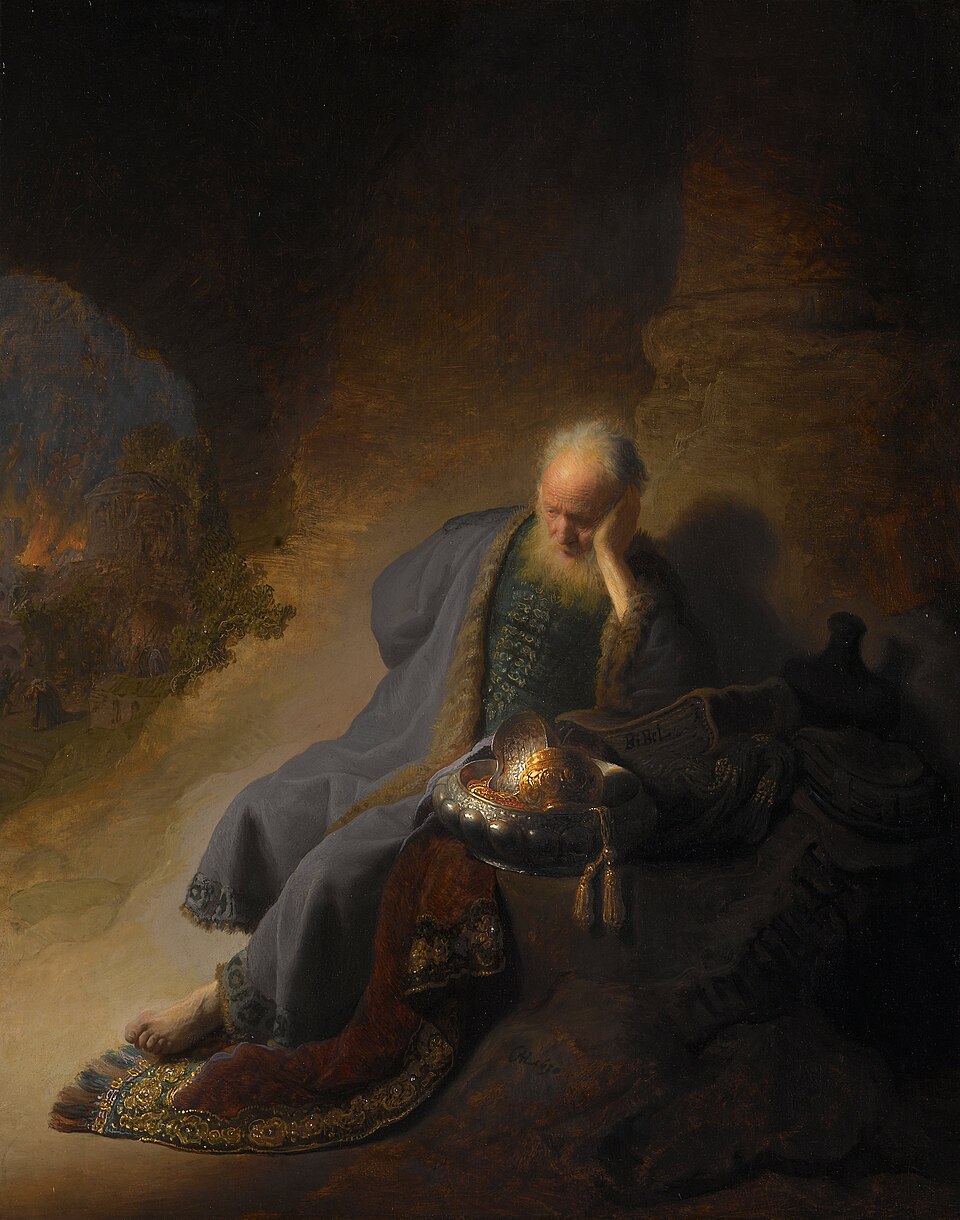
Charged as worthy of death, he answered, “truly the LORD has sent me to speak all these words in your hearing.”
Jeremiah 26:15
He kept telling Herod, “It is not lawful for you to have your brother’s wife!”
Mark 6:18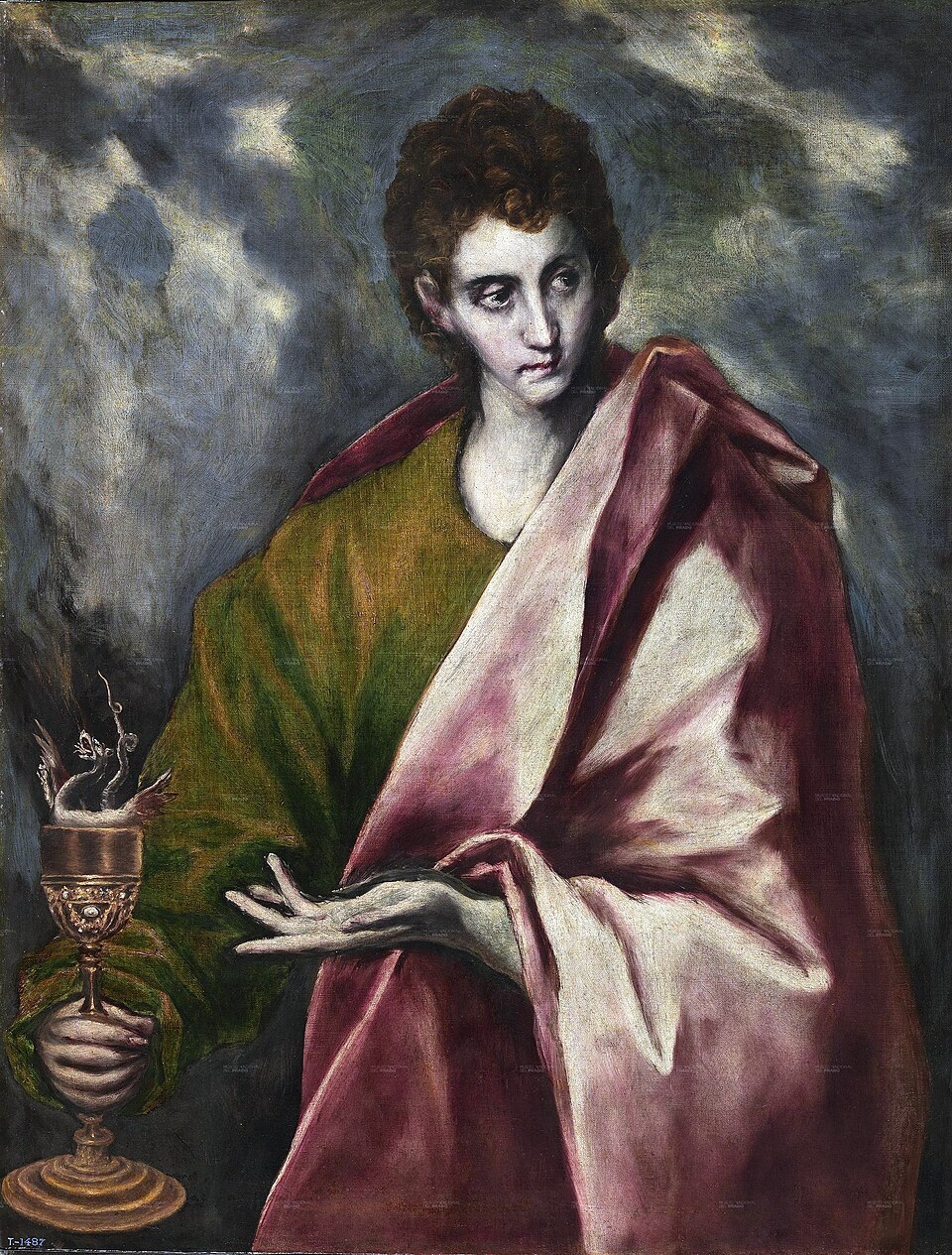
Ordered to stop teaching in Jesus' name, they replied, “we cannot stop speaking about what we have seen and heard.”
Acts 4:20
John the Baptist, Peter and John
The Practice of Truthfulness
Scripture names six practices of truthfulness, each in the words of the verse that gives it.
- 1Speak truth from the heart“He who walks with integrity and practices righteousness, who speaks the truth from his heart.”Psalm 15:2
- 2Guard the lips“Keep your tongue from evil and your lips from deceitful speech.”Psalm 34:13
- 3Pray against falsehood“Keep falsehood and deceitful words far from me.”Proverbs 30:8
- 4Confess what was hidden“I urge you to tell me what you have done; do not hide it from me.”Joshua 7:19
- 5Refuse deceit and speak openly“We do not practice deceit, nor do we distort the word of God. On the contrary, by open proclamation of the truth, we commend ourselves to every man’s conscience in the sight of God.”2 Corinthians 4:2
- 6Love in deed“Little children, let us love not in word and speech, but in action and truth.”1 John 3:18
Guard the lips, Pray against falsehood, Confess what was hidden, Refuse deceit and speak openly, Love in deed
What Stands Against Truthfulness
Scripture traces the lie from the serpent's first word to the lake of fire.
The first lie in Scripture is the serpent's answer to the woman in the garden: “You will not surely die” (Genesis 3:4).
The Proverbs teach on speech as a whole, from the healing tongue to the whisperer, in the study of the tongue.
But to the cowardly and unbelieving and abominable and murderers and sexually immoral and sorcerers and idolaters and all liars, their place will be in the lake that burns with fire and sulfur. This is the second death.”The last vision of Scripture sets the end of the liar beside the end of the murderer and the idolater.
Revelation 21:8
Truth and Lies in the Stories of the Bible
Three stories tell of a stolen blessing, a prophet who would not flatter a king and a gift that pretended to be whole.
Jacob deceives IsaacGenesis 27
Isaac was old and blind and meant to bless Esau, his firstborn. Rebekah dressed Jacob in Esau's clothes, and Jacob went in and said, “I am Esau, your firstborn” (Genesis 27:19). Asked again, “Are you really my son Esau?”, he answered, “I am” (Genesis 27:24). Isaac gave him the blessing, and when Esau came in, it could not be taken back.
But Isaac replied, “Your brother came deceitfully and took your blessing.”
Genesis 27:35BSB Isaac's word to Esau gives the deceit its name and shows that the blessing stood.
Micaiah before two kings1 Kings 22
Ahab of Israel and Jehoshaphat of Judah asked whether to go to war at Ramoth-gilead, and about four hundred prophets promised victory. Micaiah swore, “As surely as the LORD lives, I will speak whatever the LORD tells me” (1 Kings 22:14). He told of “a lying spirit in the mouths of all his prophets” (1 Kings 22:22), and Ahab died in the battle.
and tell them that this is what the king says: ‘Put this man in prison and feed him only bread and water until I return safely.’”
1 Kings 22:27BSB The king's order shows what the true word cost the one prophet who spoke it.
Ananias and SapphiraActs 5
Ananias and his wife Sapphira sold a piece of property, kept back part of the price and laid the rest at the apostles’ feet as if it were the whole. Peter asked how Satan had filled his heart “to lie to the Holy Spirit” (Acts 5:3). Husband and wife fell dead within hours of each other, “And great fear came over the whole church” (Acts 5:11).
Did it not belong to you before it was sold? And after it was sold, was it not at your disposal? How could you conceive such a deed in your heart? You have not lied to men, but to God!”
Acts 5:4BSB Peter's questions place the sin in the pretence, since the gift was theirs to give or keep.
Read the study of Ananias and Sapphira 10 sections, 6 verses set out
Micaiah before two kings (1 Kings 22), Ananias and Sapphira (Acts 5)
Truthfulness in the Church's History
Three accounts tell of Polycarp, Luther and George Fox.
Polycarp of Smyrna2nd century
The proconsul pressed the aged bishop Polycarp to swear by the fortune of Caesar and to reproach Christ. He answered, “Eighty and six years have I served Him, and He never did me any injury: how then can I blaspheme my King and my Saviour?” The Martyrdom of Polycarp dates his death to 155 or 156, and Eusebius to 167 or 168.
Therefore everyone who confesses Me before men, I will also confess him before My Father in heaven.
Matthew 10:32BSB The promise of Jesus stands behind a confession that would not be bought with a false oath.
Read the study of Polycarp: Eighty-Six Years 8 sections, 3 verses set out
Martin Luther at Worms1521
Called before the Diet of Worms in April 1521, Luther answered, as Philip Schaff prints the declaration, “my conscience is bound in the word of God: I can not and will not recant any thing, since it is unsafe and dangerous to do any thing against the conscience.” Schaff adds that the familiar words “I can not do otherwise” cannot be traced to a primitive source.
But Peter and the other apostles replied, “We must obey God rather than men.
Acts 5:29BSB Luther's stand rests on the apostles' answer to the council that forbade them to preach.
George Fox at Lancaster1664
At Lancaster, asked to take the oath of allegiance, Fox told Judge Twisden, “I am a Christian, and Christ commands me ‘not to swear,’ and so does the apostle James, and whether I should obey God or man, do thou judge.” His Journal dates the hearing to 14 March 1663, which is 1664 by the modern reckoning, since the English year then began on 25 March.
Simply let your ‘Yes’ be ‘Yes,’ and your ‘No,’ ‘No.’ Anything more comes from the evil one.
Matthew 5:37BSB Fox set this word of Christ beside James's command when he refused the oath.
Martin Luther at Worms (1521), George Fox at Lancaster (1664)
Voices on Truthfulness, by Century
Seven quotations from the second century to the nineteenth, each under the line it teaches.
died 160 · Shepherd of Hermas
Shepherd of Hermas, Commandment 3
A second-century reading: the Lord is truthful in every word, so a lie robs Him of the spirit He gave.
The quotation1 quotation
“Again he said to me, ‘Love the truth, and let nothing but truth proceed from your mouth, that the spirit which God has placed in your flesh may be found truthful before all men; and the Lord, who dwelleth in you, will be glorified, because the Lord is truthful in every word, and in Him is no falsehood. They therefore who lie deny the Lord, and rob Him, not giving back to Him the deposit which they have received. For they received from Him a spirit free from falsehood. If they give him back this spirit untruthful, they pollute the commandment of the Lord, and become robbers.’ ... And he said to me, ‘Now you hear them, and keep them, that even the falsehoods which you formerly told in your transactions may come to be believed through the truthfulness of your present statements. ... And whosoever shall hear this commandment, and depart from that great wickedness falsehood, shall live to God.’”
Shepherd of Hermas · Shepherd of Hermas, Commandment 3 · on Ephesians 4:25Patristic
died 220 · Tertullian
Against Marcion Book V
A third-century reading: Paul's command to put away lying belongs to a spiritual warfare.
The quotation1 quotation
“Learn then now, that His is a spiritual armour and warfare, since you have already discovered that the captivity is spiritual, in order that you may further learn that this also belongs to Him, even because the apostle derived the mention of the captivity from the same prophets as suggested to him his precepts likewise: ‘Putting away lying,’ (says he, ) ‘speak every man truth with his neighbour; ‘ and again, using the very words in which the Psalm expresses his meaning, (he says, ) ‘Be ye angry, and sin not; ‘ ‘Let not the sun go down upon your wrath.”
Tertullian · Against Marcion Book V · on Ephesians 4:25Patristic
died 407 · John Chrysostom
Homily on the Gospel of John 54
A fourth-century reading: the devil used the lie first and as his own, while men use it against their nature.
The quotation1 quotation
“‘And abode not in the truth.’ That is, in the right life. For since they continually accused Him of not being from God, He telleth them that this also is from thence. For the devil first was the father of a lie, when he said, ‘In the day that ye eat thereof your eyes shall be opened,’ and he first used it. For men use a lie not as a thing proper, but alien to their nature, but he as proper.”
John Chrysostom · Homily on the Gospel of John 54 · on John 8:44Patristic
died 430 · Augustine of Hippo
ON LYING 6
A fourth-century reading: Scripture forbids every lie, and Paul puts lying off with the old man.
The quotation1 quotation
“But lest any should contend that not every lie is to be called false witness, what will he say to that which is written, ‘The mouth that lieth slayeth the soul:’ and lest any should suppose that this may be understood with the exception of some liars, let him read in another place, ‘Thou wilt destroy all that speak leasing.’ Whence with His own lips the Lord saith, ‘Let your communication be yea, yea; nay, nay; for whatsoever is more than these cometh of evil.’ Hence the Apostle also in giving precept for the putting off of the old man, under which name all sins are understood, says straightway, ‘Wherefore putting away lying, speak ye truth.’”
Augustine of Hippo · On Lying 6 · on Ephesians 4:25Patristic
died 444 · Cyril of Alexandria
Commentary on the Gospel of John, Book 12
A fifth-century reading: the power of the truth drove Pilate, against his will, to declare Christ's kingship.
The quotation1 quotation
“He does not deny the glory of His Kingdom, nor leave it to the voice of Pilate only to affirm it, for as God He is King, whether man so will, or no; but He once more showed the power of the truth which impelled Pilate, though reluctant, to declare the glory of Him Who was on His trial; for, He says: Thou hast said, that I am a King.”
Cyril of Alexandria · Commentary on the Gospel of John, Book 12 · on John 18:38Patristic
1662 to 1714 · Matthew Henry
Commentary on the Whole Bible
An eighteenth-century reading: no one who is dishonest in his dealings is a true Christian.
The quotation1 quotation
“Because he would teach him, and us all, that moral honesty is a necessary branch of true Christianity, and to be minded accordingly. Though a mere moral man comes short of being a complete Christian, yet an immoral man is certainly no true Christian; for the grace of God teaches us to live soberly and righteously, as well as godly.”
Matthew Henry · Commentary on the Whole Bible · on Matthew 19:18 to 19Puritan
1834 to 1892 · Charles Spurgeon
The Treasury of David, Vol. 5
A nineteenth-century reading: a word spoken in haste may wrong others, and it cannot be recalled.
The quotation1 quotation
“I said in my haste, All men are liars. In a modified sense the expression will bear justification, even though hastily uttered, for all men will prove to be liars if we unduly trust in them; some from want of truthfulness, and others from want of power. But from the expression, ‘I said in my haste, ‘it is clear that the Psalmist did not justify his own language, but considered it as the ebullition of a hasty temper. In the sense in which he spoke his language was unjustifiable. He had no right to distrust all men, for many of them are honest, truthful, and conscientious; there are faithful friends and loyal adherents yet alive; and if sometimes they disappoint us, we ought not to call them liars for failing when the failure arises entirely from want of power, and not from lack of will. Under great affliction our temptation will be to form hasty judgments of our fellow men, and knowing this to be the case we ought carefully to watch our spirit, and to keep the door of our lips. The Psalmist had believed, and therefore he spoke; he had doubted, and therefore he spoke in haste. He believed, and therefore he rightly prayed to God; he disbelieved, and therefore he wrongfully accused mankind. Speaking is as ill in some cases as it is good in others. Speaking in haste is generally followed by bitter repentance. It is much better to be quiet when our spirit is disturbed and hasty, for it is so much easier to say than to unsay; we may repent of our words, but we cannot so recall them as to undo the mischief they have done. If even David had to eat his own words, when he spoke in a hurry, none of us can trust our tongue without a bridle.”
Charles Spurgeon · The Treasury of David, Vol. 5 · on Psalm 116:11
John Chrysostom, Augustine of Hippo, Cyril of Alexandria, Matthew Henry, Charles Spurgeon
How Truthfulness Has Been Taught
The Didache, a Roman governor's letter and Thomas Aquinas show how Christian truthfulness was taught and seen from the early church to the thirteenth century.
The Didache taught that a Christian's words must match his deeds.1 paragraph
Its second chapter, under the commandment against false witness, says, “You shall not be double-minded nor double-tongued; for to be double-tongued is a snare of death. Your speech shall not be false, nor empty, but fulfilled by deed” (translated by M. B. Riddle, Ante-Nicene Fathers, volume 7).
A Roman governor reported that Christians bound themselves to keep their word.1 paragraph
Pliny the Younger wrote to the emperor Trajan about the Christians he had examined (Letters, book 10, translated by William Melmoth). He reported that they bound themselves “by a solemn oath ... never to falsify their word, nor deny a trust when they should be called upon to deliver it up”.
Thomas Aquinas taught that every lie is evil in kind, though the truth may be kept back with prudence.1 paragraph
In the Summa Theologiae (second part of the second part, question 110, English Dominican translation, 1920) Aquinas divided lies by intention into the officious, the jocose and the mischievous. He held that “a lie is evil in respect of its genus” (article 3), and that “it is lawful to hide the truth prudently, by keeping it back” (article 3, reply to objection 4).
Where the Science Speaks
Three published studies describe how often people lie, how lying grows and what sets it off.
DePaulo and others (1996) found that 77 college students reported telling two lies a day and 70 community members one. Garrett and others (2016) found that self-serving dishonesty “increases with repetition”.
Each study measures lying in its own way, and each has a limit to what it shows.
| Study | Design and sample | A finding | What it does not show |
|---|---|---|---|
| DePaulo and others (1996), Journal of Personality and Social Psychology | two diary studies, one of college students and one of community members | interactions with lies “were less pleasant and less intimate” | a representative population; the counts are self-report only |
| Garrett and others (2016), Nature Neuroscience | a laboratory task with functional MRI | reduced amygdala response “predicts the magnitude of escalation” | behaviour outside the laboratory |
| Gerlach, Teodorescu and Hertwig (2019), Psychological Bulletin | a meta-analysis of “565 experiments (totaling N = 44,050 choices)” | dishonesty “depends on both situational factors ... and personal factors”, with “substantial evidence for publication bias” | that laboratory games measure everyday lying |
A table of three studies, each with its design and sample, a finding and what it does not show.
The Studies of Truthfulness
Each study takes one part of truthfulness into more depth.
The texts
3 studies
- Passages and psalms · 7 verses set outLet Your Yes Be Yes
Matthew 5:33 to 37 is the teaching of the Sermon on the Mount on oaths, and James 5:12 gives the same command.
- Passages and psalms · 3 verses set outSpeaking the Truth in Love
Ephesians 4:15 is the fifth verse of a six-verse paragraph, Ephesians 4:11 to 16, in the second half of Paul's letter.
- Passages and psalms · 5 verses set outThe Lying Tongue in Proverbs
Proverbs names the liar's word with two Hebrew nouns, sheqer, falsehood, and kazav, a lie.
- Passages and psalms · 7 verses set outLet Your Yes Be Yes
The stories
1 study
- Stories · 6 verses set outAnanias and Sapphira
Luke tells in Acts 5:1 to 11 how a husband and wife of the Jerusalem church died after they lied about the price of a field.
- Stories · 6 verses set outAnanias and Sapphira
The words
1 study
- Symbols and words · 10 verses set outThe Words Emet and Aletheia
Emet and aletheia are the nouns Scripture uses for truth, and sheqer and pseudos its nouns for the lie.
- Symbols and words · 10 verses set outThe Words Emet and Aletheia
The practice
1 study
- Debates · 12 verses set outIs a Lie Ever Right?
The Hebrew midwives answered Pharaoh and Rahab turned away the king's men, and Christian teachers have disagreed on whether their words were sin.
- Debates · 12 verses set outIs a Lie Ever Right?
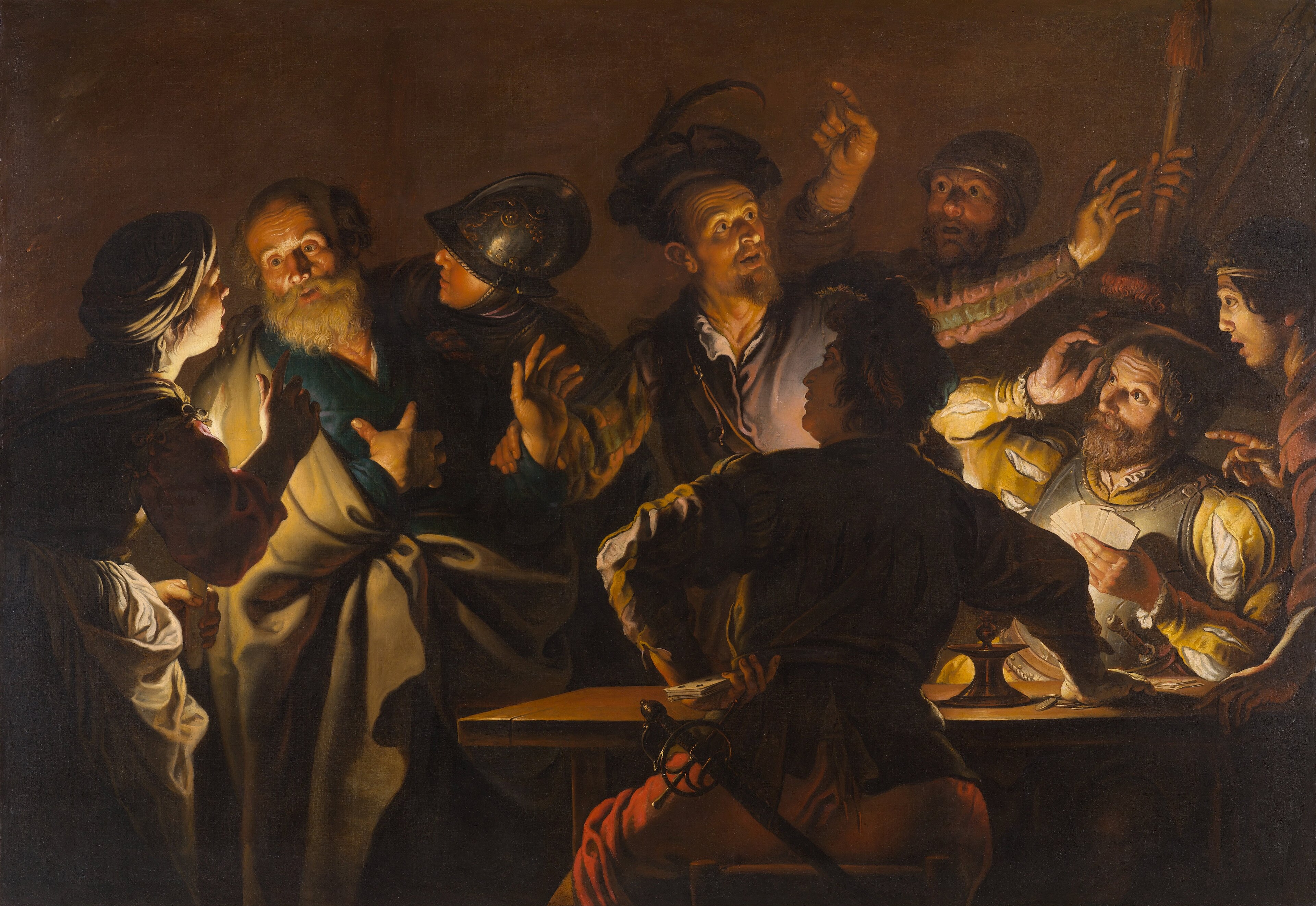
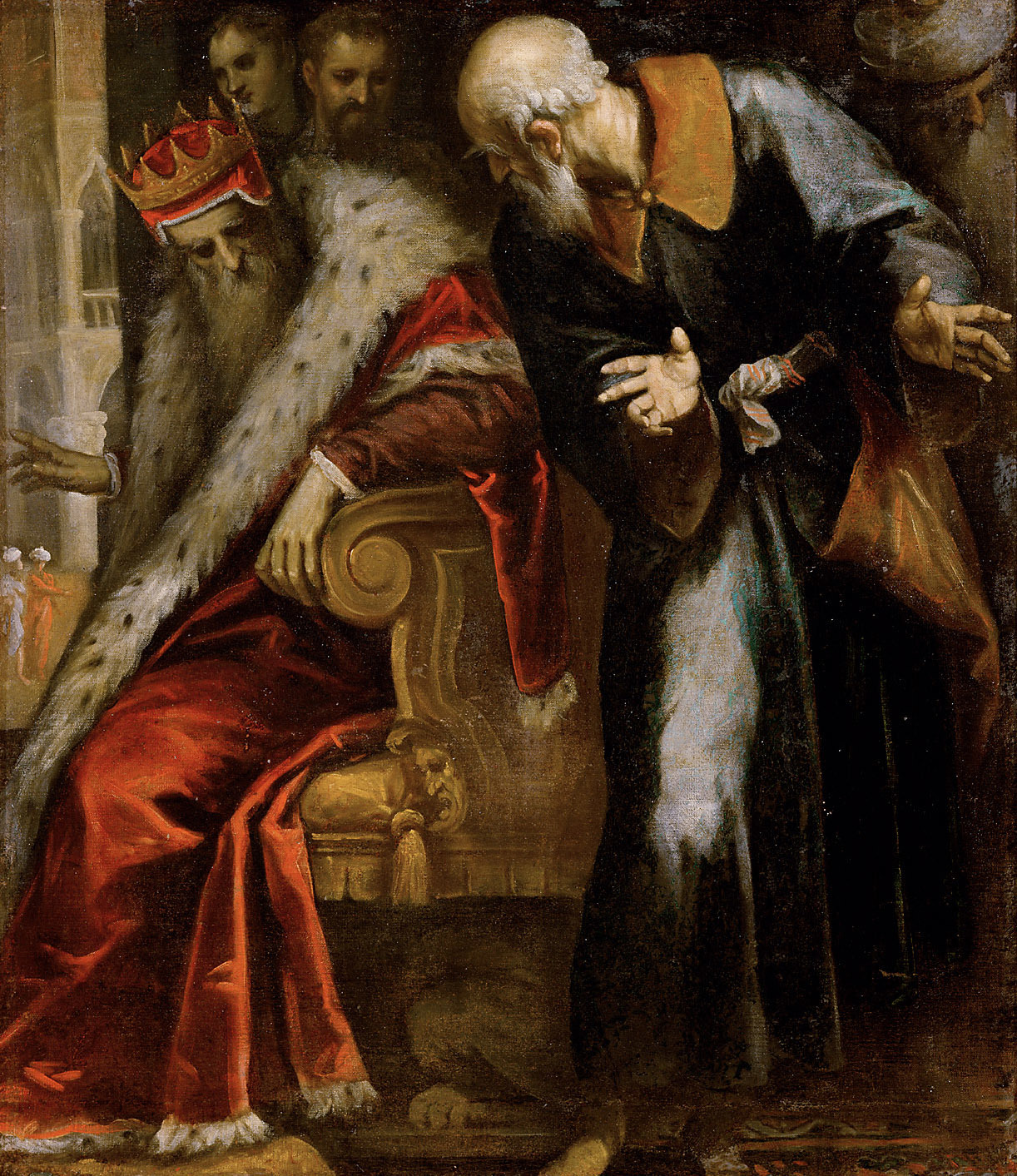
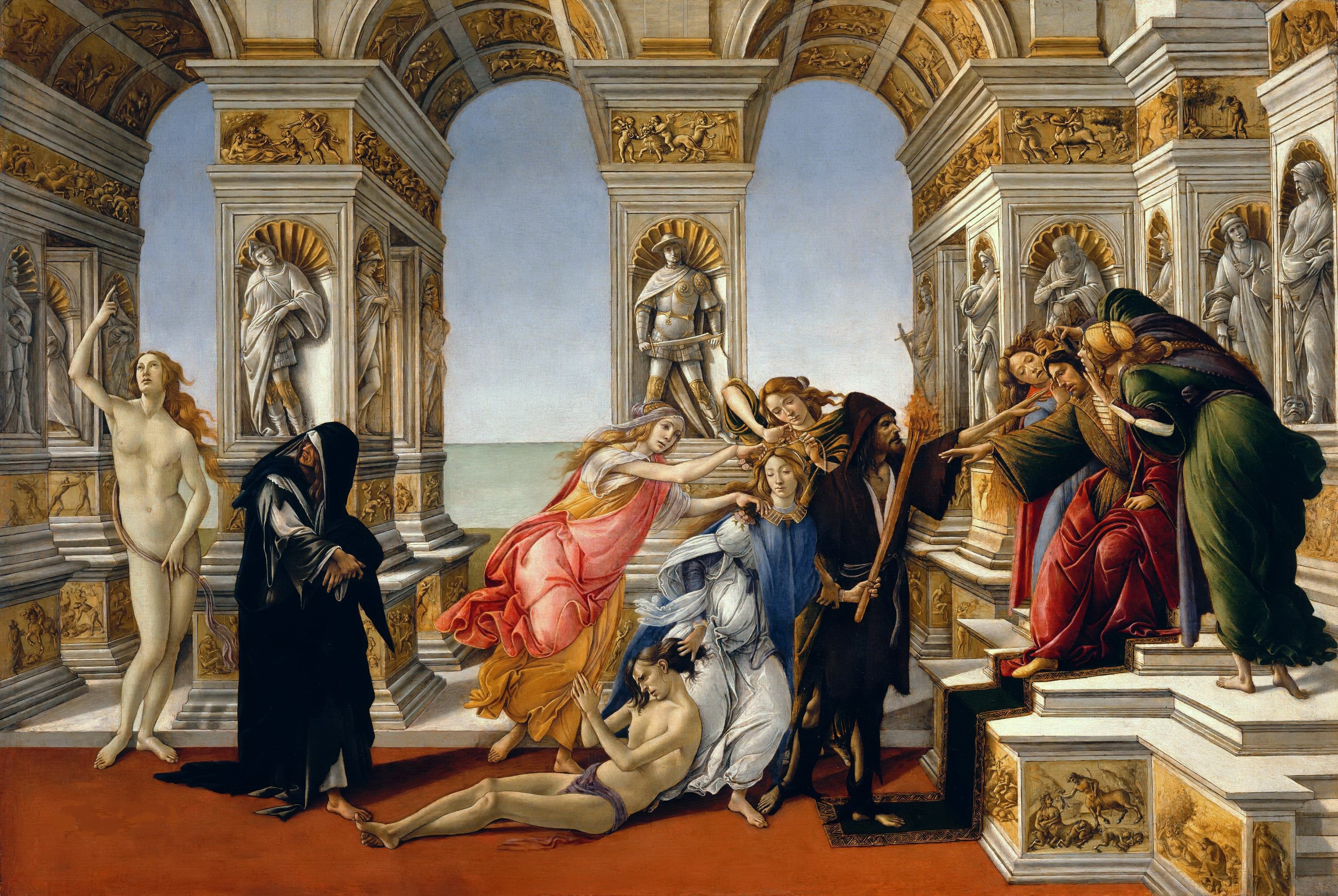
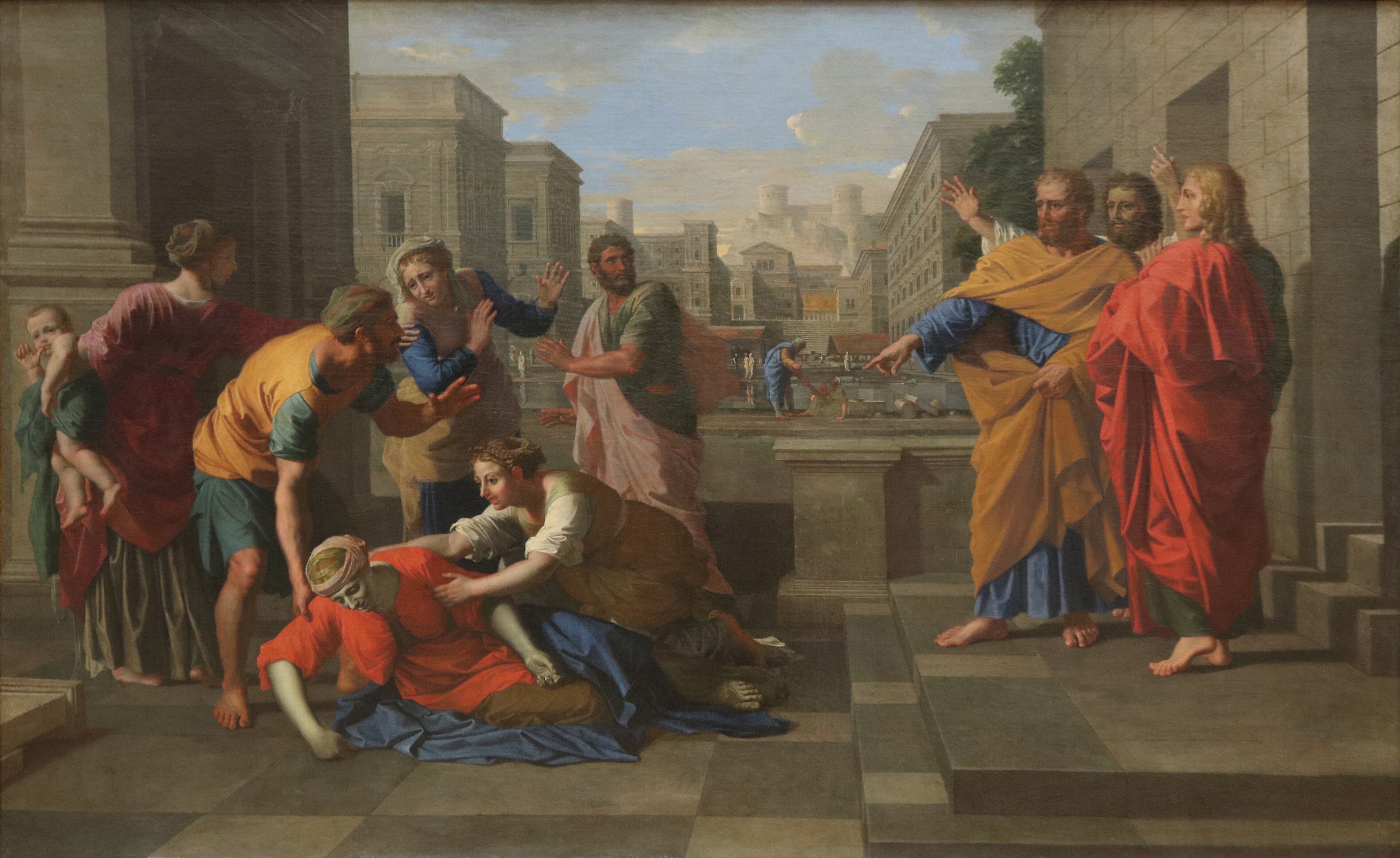
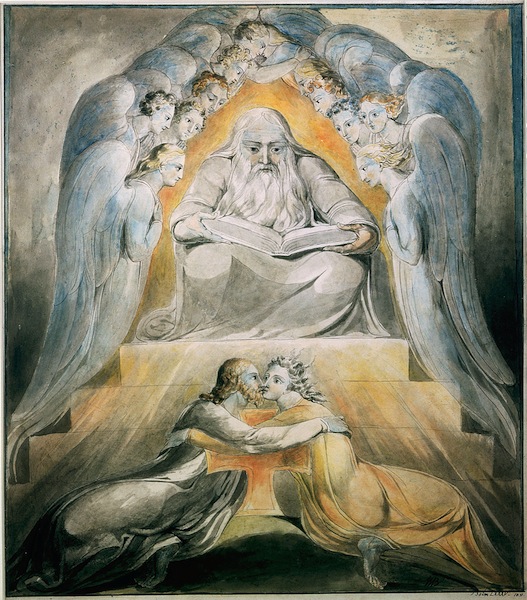
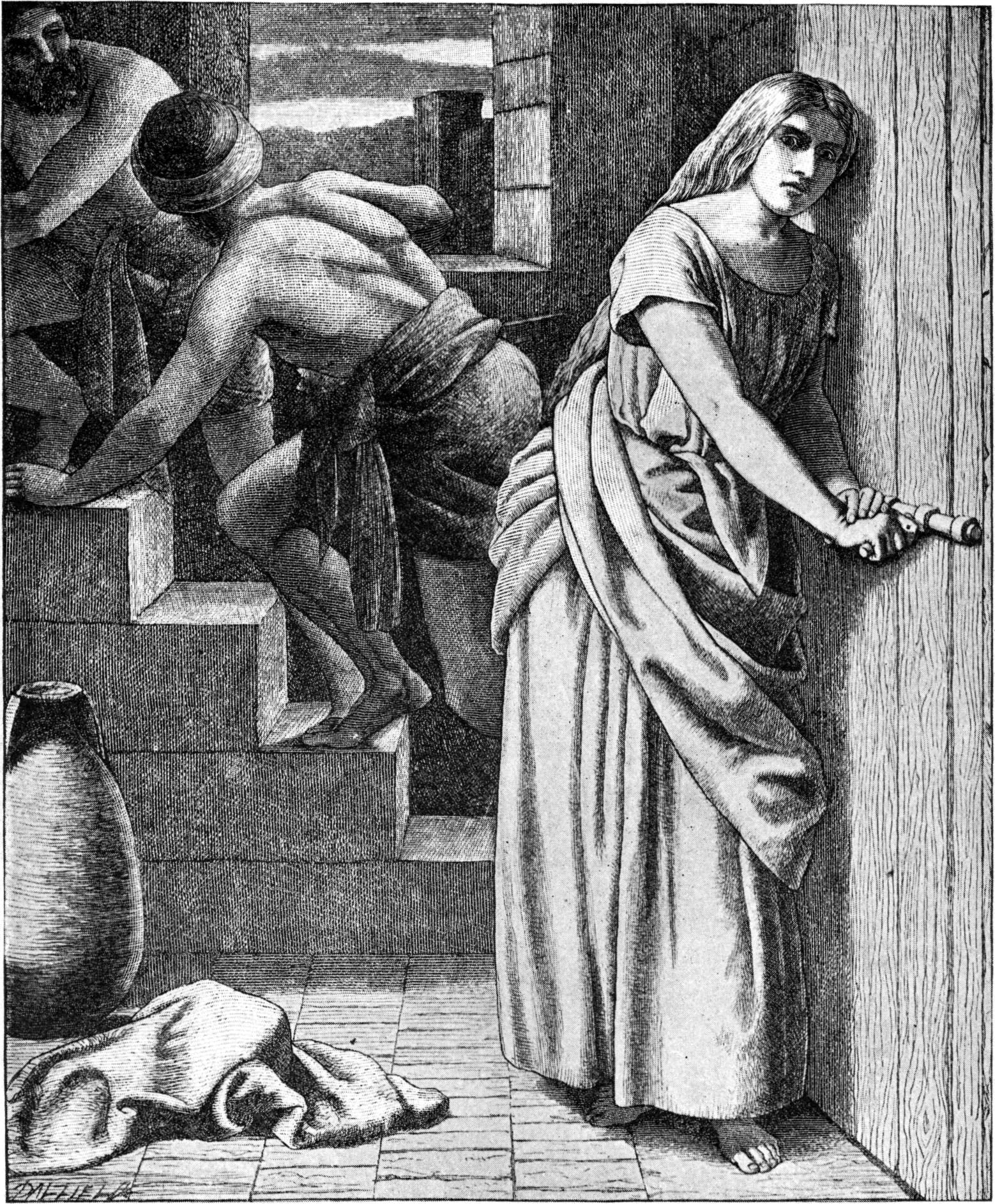
Speaking the Truth in Love, The Lying Tongue in Proverbs, Ananias and Sapphira, The Words Emet and Aletheia, Is a Lie Ever Right?
Where Readers Disagree
Six readings answer three questions, each with its holders, the work that argues it and the objection raised against it.
Whether a lie may be told to save a life
Read the study of Is a Lie Ever Right? 12 sections, 12 verses set out
| Reading | Held by | Work | Objection |
|---|---|---|---|
| Every lie is a sin, whatever its purpose | Augustine; Thomas Aquinas (The Latin fathers; the medieval schools) | Augustine, Enchiridion 18 and On Lying 25 (Nicene and Post-Nicene Fathers, first series, volume 3); Thomas Aquinas, Summa Theologiae II-II, question 110, article 3 (1920 translation) | Scripture says that “God was good to the midwives” who gave Pharaoh a false account (Exodus 1:20). |
| A false word to one who has lost the right to the truth, or a lesser evil, may be allowed | Hugo Grotius; John Cassian (Protestant natural law; early monastic teaching) | Hugo Grotius, The Rights of War and Peace (1625), book 3, chapter 1; John Cassian, Conferences 17 | Augustine held that “every lie is a sin, though it makes a great difference with what intention and on what subject one lies” (Enchiridion 18). |
Whether Matthew 5:37 forbids every oath
Read the study of Let Your Yes Be Yes 9 sections, 7 verses set out
| Reading | Held by | Work | Objection |
|---|---|---|---|
| A Christian takes no oath at all | George Fox (The Society of Friends) | George Fox, Journal, volume 2, edited by Norman Penney (1901) | Paul wrote in a letter that is Scripture, “I call God as my witness” (2 Corinthians 1:23). |
| The oath is lawful, and the needless or false oath is forbidden | Thomas Aquinas; Augustine (The medieval schools; the Latin fathers) | Thomas Aquinas, Summa Theologiae II-II, question 89, article 2 (1920 translation); Augustine on Matthew 5:33, as the Catena Aurea prints him (1841 translation) | George Fox answered from James 5:12 that a Christian may take no oath at all. |
Whether Ephesians 4:15 speaks of telling the truth or of holding it
Read the study of Speaking the Truth in Love 7 sections, 3 verses set out
| Reading | Held by | Work | Objection |
|---|---|---|---|
| Paul's participle means speaking the truth, literally truthing in love | Albert Barnes (American Presbyterian commentary) | Albert Barnes, Notes on the New Testament, on Ephesians 4:15 | Jamieson, Fausset and Brown translate the participle as holding the truth, a life kept true as well as a word. |
| The participle means holding the truth | Jamieson, Fausset and Brown (Scottish Presbyterian commentary) | Jamieson, Fausset and Brown, Commentary Critical and Explanatory (1871), on Ephesians 4:15 | Barnes answers that the verb names truthful speech, literally truthing in love. |
Sources
Scripture is the Berean Standard Bible.
- STEP Bible, Translators Brief lexicon of Extended Strongs for Hebrew and for Greek (Tyndale House, Cambridge), CC BY 4.0, with the Greek brief lexicon based on Abbott-Smith (1922)
- STEP Bible, Translators Amalgamated Hebrew Old Testament and Greek New Testament, the tagged texts (Tyndale House, Cambridge), CC BY 4.0.
- The Didache, chapter 2, translated by M. B. Riddle, Ante-Nicene Fathers, volume 7 (1886)
- Pliny the Younger, Letters, book 10, letter 97, To the Emperor Trajan, translated by William Melmoth.
- The Martyrdom of Polycarp, chapters 9 and 10, translated by Alexander Roberts and James Donaldson, Ante-Nicene Fathers, volume 1.
- Philip Schaff, History of the Christian Church, volume 7, section 55, Luther's Testimony before the Diet.
- George Fox, Journal, volume 2, edited by Norman Penney (London: Friends' Tract Association, 1901)
- Thomas Aquinas, Summa Theologiae, II-II question 110, articles 2 and 3, and question 89, article 2, English Dominican translation, second edition (1920)
- Augustine of Hippo, On Lying, sections 2, 3, 6, 25 and 42, and Enchiridion, section 18, translated by H. Browne and J. F. Shaw, Nicene and Post-Nicene Fathers, first series, volume 3.
- Thomas Aquinas, Catena Aurea on the Gospel of Matthew (English translation, Oxford, 1841), printing Augustine on Matthew 5:33.
- The Shepherd of Hermas, Commandment 3, Ante-Nicene Fathers, volume 2.
- Tertullian, Against Marcion, book 5, on Ephesians 4:25, Ante-Nicene Fathers, volume 3.
- John Chrysostom, Homilies on the Gospel of John, homily 54, on John 8:44, in the first series of the Nicene and Post-Nicene Fathers, volume 14.
- Cyril of Alexandria, Commentary on the Gospel of John, book 12, on John 18:37 to 38.
- Matthew Henry, Commentary on the Whole Bible (1710), on Matthew 19:18 to 19.
- Charles Spurgeon, The Treasury of David, volume 5, on Psalm 116:11.
- Albert Barnes, Notes on the New Testament, on Ephesians 4:15.
- Robert Jamieson, A. R. Fausset and David Brown, Commentary Critical and Explanatory on the Whole Bible (1871), on Ephesians 4:15.
- Hugo Grotius, The Rights of War and Peace (1625), book 3, chapter 1; John Cassian, Conferences 17.
- The study The Tongue, Death and Life in Proverbs, its sections The healing tongue and The Whisperer.
- DePaulo, Kashy, Kirkendol, Wyer and Epstein, Journal of Personality and Social Psychology 70(5): 979 to 995 (1996)
- Gerlach, Teodorescu and Hertwig, Psychological Bulletin 145(1): 1 to 44 (2019)
- Garrett, Lazzaro, Ariely and Sharot, Nature Neuroscience 19(12): 1727 to 1732 (2016)
Keep Studying
Studies4
In this value6
People and groups22
Show the next 6 titles
Values2