
Ruth 3:16
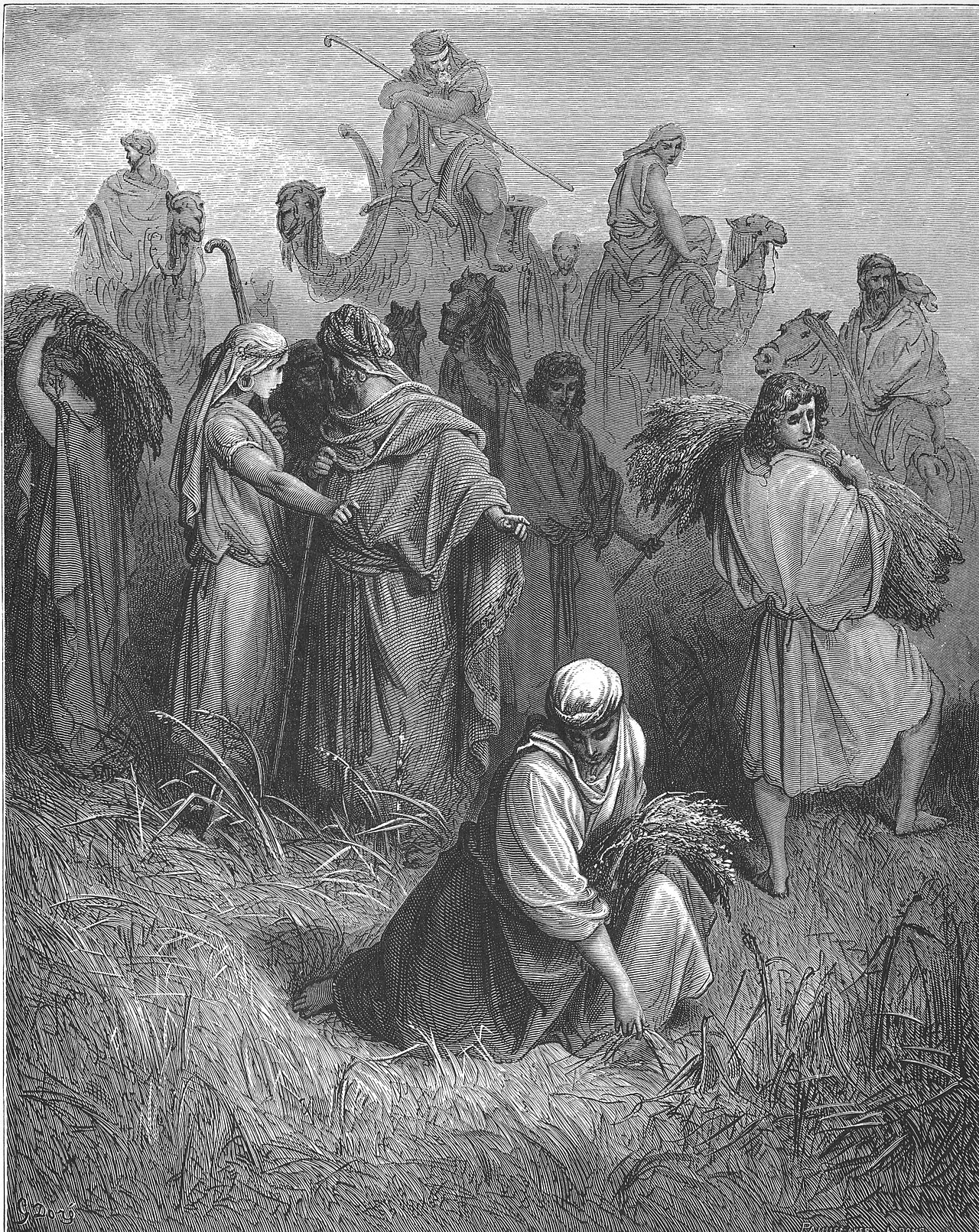
in Ruth 3When Ruth returned to her mother-in-law, Naomi asked her, “How did it go, my daughter?” Then Ruth told her all that Boaz had done for her.
BSB
The same verse in ASV and KJV ▾
ASV
And when she came to her mother-in-law, she said, Who art thou, my daughter? And she told her all that the man had done to her.
KJV
And when she came to her mother in law, she said, Who art thou, my daughter? And she told her all that the man had done to her.
⋯
This verse in Ruth 3
Commentary
5 notes on this verseA commentator
Albert Barnes1798–1870
Notes, Explanatory and Practical, on the Old and New Testaments (1832-1869)
Who art thou, my daughter? - In the dim twilight Rth 3:14 her mother was not sure at first who the young woman was, who sought admittance into the house.
This site's exposition
rose up before one could
on Ruth 3:14-16
She leaves in light too thin for recognition and Boaz orders that it not be known a woman came into the floor, which guards the name verse 11 says the whole city already honours. The six measures are six of something the text never names, and the readings run from six omers to six seahs, Barnes reckoning the larger figure a load heavy enough that Boaz had to lift it onto her. Naomi's question at verse 16 is the same three words Boaz used at verse 9, Who art thou, and Ruth answers this one by telling the whole of it.
The record, by era
The Puritans and the Awakening3 voices
Who art thou? - This is not a question of doubting, but of wonder, as if she had said, Art thou in very deed my daughter? How camest thou hither in this manner, and thus early?
And when she came to her mother in law,....
Naomi's care for her daughter's comfort is without doubt very commendable, and is recorded for imitation. She had no thoughts of marrying herself, ch. i. But, though she that was old had resolved upon a perpetual widowhood, yet she was far from the thoughts of confining her daughter-in-law to it, that was young.
The words behind it
15 Hebrew wordsEvery Hebrew word of this verse in the order it stands, with what it means and the door to its own study. The last column counts the times a word stands in the whole Bible: the rarer the word, the more the places it appears belong together.
| Hebrew | Sound | Meaning | Word study | In the Bible |
|---|---|---|---|---|
| וַתָּבוֹא֙ | vatavo' | and she came | H935 → | 2568 times |
| אֶל־ | ʾel- | to | H413 → | 5510 times |
| חֲמוֹתָ֔הּ | chamotah | mother-in-law her | H2545 → | 11 times |
| וַתֹּ֖אמֶר | vatomer | and she said | H559 → | 5305 times |
| מִי־ | mi- | who? | H4310 → | 423 times |
| אַ֣תְּ | ʾat | [are] you | H859 → | 1094 times |
| בִּתִּ֑י | biti | O daughter my | H1323 → | 588 times |
| וַתַּ֨גֶּד־ | vataged- | and she told | H5046 → | 370 times |
| לָ֔הּ | lah | to <the> her | ||
| אֵ֛ת | ʾet | <obj.> | H853 → | 10935 times |
| כָּל־ | kol- | all | H3605 → | 5413 times |
| אֲשֶׁ֥ר | ʾasher | that | H834 → | 5497 times |
| עָֽשָׂה־ | ʾasah- | he had done | H6213 → | 2628 times |
| לָ֖הּ | lah | for <the> her | ||
| הָאִֽישׁ׃ | haish | the man | H376 → | 1663 times |
וַתָּבוֹא֙and she came
vatavo'H935 →2568 times
אֶל־to
ʾel-H413 →5510 times
חֲמוֹתָ֔הּmother-in-law her
chamotahH2545 →11 times
וַתֹּ֖אמֶרand she said
vatomerH559 →5305 times
מִי־who?
mi-H4310 →423 times
אַ֣תְּ[are] you
ʾatH859 →1094 times
בִּתִּ֑יO daughter my
bitiH1323 →588 times
וַתַּ֨גֶּד־and she told
vataged-H5046 →370 times
לָ֔הּto <the> her
lah
אֵ֛ת<obj.>
ʾetH853 →10935 times
כָּל־all
kol-H3605 →5413 times
אֲשֶׁ֥רthat
ʾasherH834 →5497 times
עָֽשָׂה־he had done
ʾasah-H6213 →2628 times
לָ֖הּfor <the> her
lah
הָאִֽישׁ׃the man
haishH376 →1663 times
A shaded row is a word that stands 400 times or fewer in the Bible.
Where this verse is studied
On this page
About Ruth
Who and where
3 names in this verse with a page on the site.
- PersonJudgesRuthThe Moabitess who clave to Naomi — "thy people shall be my people, and thy God my God" — gleaned in the field of Boaz, and became…
- PersonJudgesBoazThe mighty man of wealth in Bethlehem who spread his skirt over Ruth as kinsman-redeemer (goel), bought the inheritance at the gat…
- PersonJudgesNaomiElimelech's widow who returned from Moab calling herself Mara — "the Almighty hath dealt very bitterly with me" — and whose emptin…
This page draws on Albert Barnes, Notes, Explanatory and Practical, on the Old and New Testaments (1832-1869); Albert Barnes, Notes on the Old Testament; John Gill, Exposition of the Old Testament (1748-1763); John Wesley, Explanatory Notes upon the Old Testament and Matthew Henry, Commentary on the Whole Bible.