
Ruth 3:11
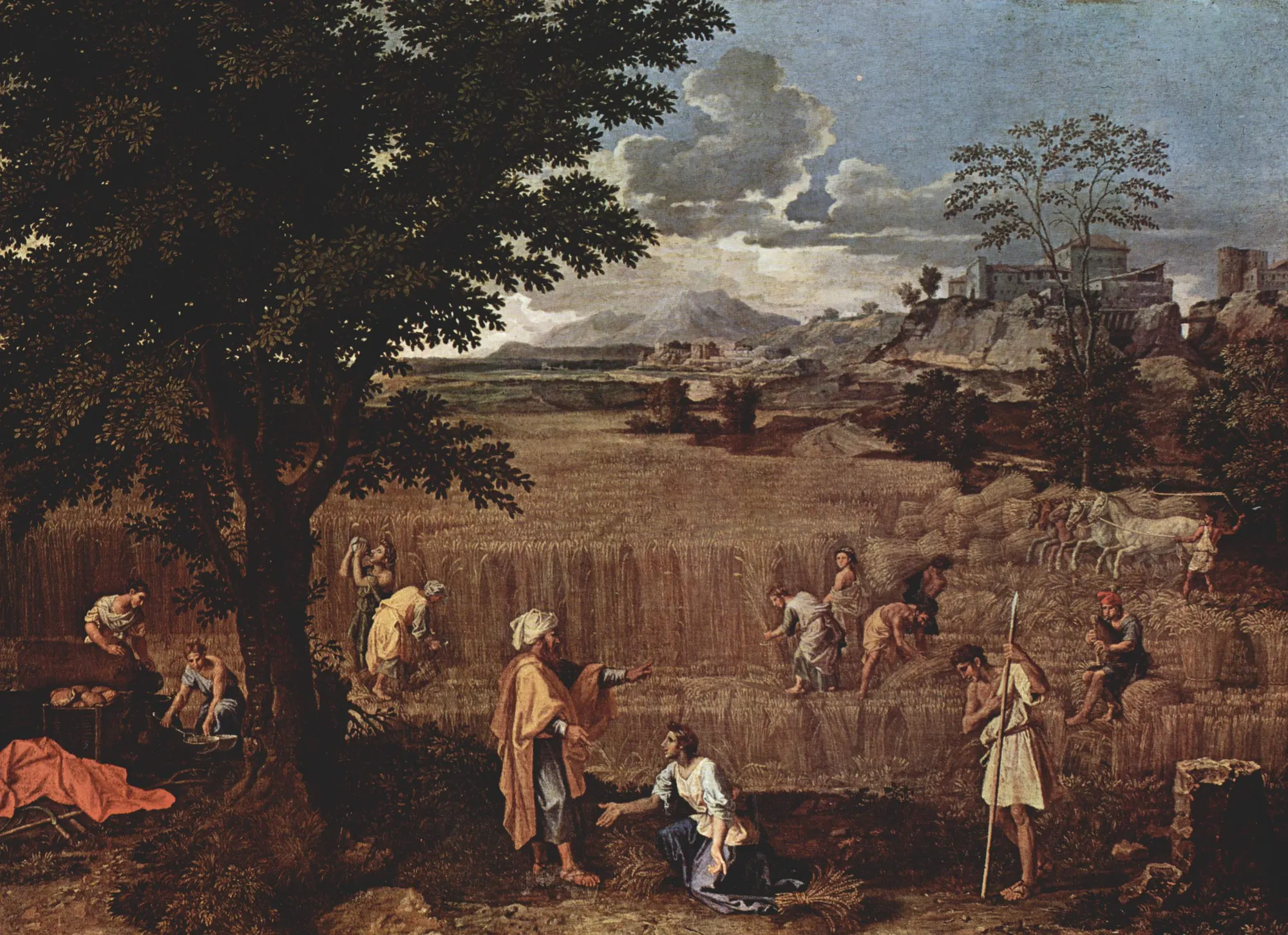
in Ruth 3And now do not be afraid, my daughter. I will do for you whatever you request, since all my fellow townspeople know that you are a woman of noble character.
BSB
The same verse in ASV and KJV ▾
ASV
And now, my daughter, fear not; I will do to thee all that thou sayest; for all the city of my people doth know that thou art a worthy woman.
KJV
And now, my daughter, fear not; I will do to thee all that thou requirest: for all the city of my people doth know that thou art a virtuous woman.
⋯
This verse in Ruth 3
Commentary
5 notes on this verseThis site's exposition
May the LORD bless you, my daughter
on Ruth 3:10-11
The word behind "kindness" is chesed, which Naomi prays over the two Moabite women at 1:8 and Boaz now names of Ruth. At verse 11, "a woman of noble character" renders eshet chayil, as at Proverbs 12:4 and 31:10. The same word chayil describes Boaz at 2:1.
This site's exposition
you are a woman of noble character
A woman of noble character is the phrase Proverbs 31:10 uses for the wife beyond price. The same noun described Boaz as a man of standing at 2:1, so the book sets the two as equals. The whole town already knows her worth.
The record, by era
The Puritans and the Awakening3 voices
): " Fear not that I will slight thee, or expose thee; no, I will do all that thou requirest, for it is the same that the law requires, from the next of kin, and I have no reason to decline it, for all the city of my people doth know that thou art a virtuous woman, "
quarantine:debris (2026-07-29) — leading-punctuation+unbalanced-parens
And now, my daughter, fear not,....
Wisdom is better than gold, and, when it is said to be good with an inheritance, the meaning is that an inheritance is worth little without it. (3.) He made his promise conditional, and could not do otherwise, for it seems there was a kinsman that was nearer than he, to whom the right of redemption did belong,
How the passage was read
What the Jewish commentators add
"אשת חיל (a virtuous woman):" I will explain this in Proverbs.
2 more on this passage, in their own words ▾
[Your] earlier [kindness]. That you did for your mother-in-law. 12 When you abandoned your home and fortune to stay with your mother-in-law. Your last act of kindness, i.e., your willingness to marry an older man to perpetuate your late husband’s name is a greater sacrifice on your part.
Now, though it is true that. אִם [=if] is written but not read, i.e., it conveys uncertainty [who will be the actual redeemer], for there is surely a redeemer closer than I. 13 The kinsman was Elimelech’s brother whereas Bo’az was only his nephew.
This section is reception history: how the passage was read and kept in the Jewish tradition. Where a reading parts from an essential of the Christian faith, the section says so at that point.
Texts and citation data: Sefaria; each excerpt follows its version’s licence. 2 further sources are cited on this chapter that carry no English text this site may quote or only restate the verse.
The words behind it
18 Hebrew wordsEvery Hebrew word of this verse in the order it stands, with what it means and the door to its own study. The last column counts the times a word stands in the whole Bible: the rarer the word, the more the places it appears belong together.
| Hebrew | Sound | Meaning | Word study | In the Bible |
|---|---|---|---|---|
| וְעַתָּ֗ה | veatah | and therefore | H6258 → | 433 times |
| בִּתִּי֙ | biti | O daughter my | H1323 → | 588 times |
| אַל־ | ʾal- | may not | H408 → | 724 times |
| תִּ֣ירְאִ֔י | tiri | you fear | H3372 → | |
| כֹּ֥ל | kol | all | H3605 → | 5413 times |
| אֲשֶׁר־ | ʾasher- | that | H834 → | 5497 times |
| תֹּאמְרִ֖י | tomri | you are saying | H559 → | 5305 times |
| אֶֽעֱשֶׂה־ | ʾeeseh- | I will do | H6213 → | 2628 times |
| לָּ֑ךְ | lakh | for <the> you | ||
| כִּ֤י | ki | for | H3588 → | 4482 times |
| יוֹדֵ֙עַ֙ | yodea' | [is] knowing | H3045 → | 945 times |
| כָּל־ | kol- | all | H3605 → | 5413 times |
| שַׁ֣עַר | shaar | [the] gate of | H8179 → | 374 times |
| עַמִּ֔י | ʾami | people my | H5971 → | 1873 times |
| כִּ֛י | ki | that | H3588 → | 4482 times |
| אֵ֥שֶׁת | ʾeshet | [are] a woman of | H802 → | 781 times |
| חַ֖יִל | chayil | ability | H2428 → | 246 times |
| אָֽתְּ׃ | ʾat | you | H859 → | 1094 times |
וְעַתָּ֗הand therefore
veatahH6258 →433 times
בִּתִּי֙O daughter my
bitiH1323 →588 times
אַל־may not
ʾal-H408 →724 times
תִּ֣ירְאִ֔יyou fear
tiriH3372 →
כֹּ֥לall
kolH3605 →5413 times
אֲשֶׁר־that
ʾasher-H834 →5497 times
תֹּאמְרִ֖יyou are saying
tomriH559 →5305 times
אֶֽעֱשֶׂה־I will do
ʾeeseh-H6213 →2628 times
לָּ֑ךְfor <the> you
lakh
כִּ֤יfor
kiH3588 →4482 times
יוֹדֵ֙עַ֙[is] knowing
yodea'H3045 →945 times
כָּל־all
kol-H3605 →5413 times
שַׁ֣עַר[the] gate of
shaarH8179 →374 times
עַמִּ֔יpeople my
ʾamiH5971 →1873 times
כִּ֛יthat
kiH3588 →4482 times
אֵ֥שֶׁת[are] a woman of
ʾeshetH802 →781 times
חַ֖יִלability
chayilH2428 →246 times
אָֽתְּ׃you
ʾatH859 →1094 times
A shaded row is a word that stands 400 times or fewer in the Bible.
The walk
8 stopsEach card is a verse this one points to, and under it the verses that one points to in turn. Where several paths arrive at the same place, that place is listed first: the text keeps returning to it.
Through
Proverbs 31:10A wife of noble character, who can find? She is far more precious than rubies.
it leads to
- Proverbs 19:14
Houses and wealth are inherited from fathers, but a prudent wife is from the LORD.
- Proverbs 12:4
A wife of noble character is her husband’s crown, but she who causes shame is like decay in his bones.
- Proverbs 18:22
He who finds a wife finds a good thing and obtains favor from the LORD.
- Ephesians 5:25–33
Husbands, love your wives, just as Christ loved the church and gave Himself up for her
- Proverbs 3:15
She is more precious than rubies; nothing you desire compares with her.
- Proverbs 19:14
Through
Proverbs 12:4A wife of noble character is her husband’s crown, but she who causes shame is like decay in his bones.
it leads to
- Proverbs 31:10–25
A wife of noble character, who can find? She is far more precious than rubies.
- Proverbs 14:30
A tranquil heart is life to the body, but envy rots the bones.
- Proverbs 14:1
Every wise woman builds her house, but a foolish one tears it down with her own hands.
- Proverbs 31:10–25
Where this verse is studied
About Ruth
This page draws on John Gill, Exposition of the Old Testament (1748-1763); Keil and Delitzsch, Biblical Commentary on the Old Testament: Joshua, Judges, Ruth and Matthew Henry, Commentary on the Whole Bible.