
Numbers 5:22
in Numbers 5May this water that brings a curse enter your stomach and cause your belly to swell and your thigh to shrivel.’ Then the woman is to say, ‘Amen, Amen.’
BSB
The same verse in ASV and KJV ▾
ASV
and this water that causeth the curse shall go into thy bowels, and make thy body to swell, and thy thigh to fall away. And the woman shall say, Amen, Amen.
KJV
And this water that causeth the curse shall go into thy bowels, to make thy belly to swell, and thy thigh to rot: And the woman shall say, Amen, amen.
⋯
This verse in Numbers 5
Commentary
6 notes on this verseThy belly to swell, and thy thigh to rot - What is meant by these expressions cannot be easily ascertained. לנפל ירך lanpel yarech signifies literally thy thigh to fall. As the thigh, feet, etc., were used among the Hebrews delicately to express the parts which nature conceals, (see Gen 46:26), the expression here is probably to be understood in this sense; and the falling down of the thigh here must mean something similar to the prolapsus uteri, or falling down of the womb, which might be a natural effect of the preternatural distension of the abdomen.
This site's exposition
Then the priest shall charge the woman with an oath of cursing
on Numbers 5:21-22
Amen enters Scripture here, in the mouth of a woman swearing to a curse laid on her own body, and she doubles it. The next place a whole nation says it is Deuteronomy 27:15-26, where Israel answers Amen to twelve curses called out from Ebal. The curse itself is given in the terms of verse 21, the thigh to rot and the belly to swell, and Adam Clarke draws on Jeremiah 29:22 to show what being made a curse and an oath among a people amounts to, a name other men use when they swear.
The record, by era
The Puritans and the Awakening3 voices
(6.) The priest was to write this curse in a scrip or scroll o parchment, verbatim--word for word, as he had expressed it, and then to wipe or scrape out what he had written into the water (
quarantine:debris (2026-07-29) — unbalanced-parens
Amen, amen - That is, so let it be if I be guilty. The word is doubled by her as an evidence of her innocency, and ardent desire that God would deal with her according to her desert.
And this water that causeth the curse,....
The Nineteenth Century1 voice
A commentator
Jamieson, Fausset & Brown1802–1910
Commentary Critical and Explanatory on the Whole Bible (1871)
proposed
the woman shall say, Amen, Amen--The Israelites were accustomed, instead of formally repeating the words of an oath merely to say, "Amen," a "so be it" to the imprecations it contained. The reduplication of the word was designed as an evidence of the woman's innocence, and a willingness that God would do to her according to her desert.
quarantine:debris (2026-07-29) — starts-lowercase
The words behind it
13 Hebrew wordsEvery Hebrew word of this verse in the order it stands, with what it means and the door to its own study. The last column counts the times a word stands in the whole Bible: the rarer the word, the more the places it appears belong together.
| Hebrew | Sound | Meaning | Word study | In the Bible |
|---|---|---|---|---|
| וּ֠בָאוּ | uvau | and they will go | H935 → | 2568 times |
| הַמַּ֨יִם | hamayim | the waters | H4325 → | 581 times |
| הַמְאָרְרִ֤ים | hamarerim | which bring a curse | H779 → | 63 times |
| הָאֵ֙לֶּה֙ | haeleh | <the> these | H428 → | 746 times |
| בְּֽמֵעַ֔יִךְ | bemeayikh | in inward parts your | H4578 → | |
| לַצְבּ֥וֹת | latzbot | to make swell | H6638 → | |
| בֶּ֖טֶן | beten | a belly | H990 → | 72 times |
| וְלַנְפִּ֣ל | velanpil | and to make fall | H5307 → | 435 times |
| יָרֵ֑ךְ | yarekh | a thigh | H3409 → | 34 times |
| וְאָמְרָ֥ה | veamerah | and she will say | H559 → | 5305 times |
| הָאִשָּׁ֖ה | haishah | the woman | H802 → | 781 times |
| אָמֵ֥ן׀ | ʾamen | amen | H543 → | |
| אָמֵֽן׃ | ʾamen | amen | H543 → |
וּ֠בָאוּand they will go
uvauH935 →2568 times
הַמַּ֨יִםthe waters
hamayimH4325 →581 times
הַמְאָרְרִ֤יםwhich bring a curse
hamarerimH779 →63 times
הָאֵ֙לֶּה֙<the> these
haelehH428 →746 times
בְּֽמֵעַ֔יִךְin inward parts your
bemeayikhH4578 →
לַצְבּ֥וֹתto make swell
latzbotH6638 →
בֶּ֖טֶןa belly
betenH990 →72 times
וְלַנְפִּ֣לand to make fall
velanpilH5307 →435 times
יָרֵ֑ךְa thigh
yarekhH3409 →34 times
וְאָמְרָ֥הand she will say
veamerahH559 →5305 times
הָאִשָּׁ֖הthe woman
haishahH802 →781 times
אָמֵ֥ן׀amen
ʾamenH543 →
אָמֵֽן׃amen
ʾamenH543 →
A shaded row is a word that stands 400 times or fewer in the Bible.
The walk
8 stopsEach card is a verse this one points to, and under it the verses that one points to in turn. Where several paths arrive at the same place, that place is listed first: the text keeps returning to it.
Through
John 3:3Jesus replied, “Truly, truly, I tell you, no one can see the kingdom of God unless he is born again.”
it leads to
- 2 Corinthians 5:17
Therefore if anyone is in Christ, he is a new creation. The old has passed away. Behold, the new has come!
- John 3:5–6
Jesus answered, “Truly, truly, I tell you, no one can enter the kingdom of God unless he is born of water and the Spirit.
- 1 Peter 1:23–25
For you have been born again, not of perishable seed, but of imperishable, through the living and enduring word of God.
- 1 John 3:9
Anyone born of God refuses to practice sin, because God’s seed abides in him; he cannot go on sinning, because he has been born of God.
- 1 John 5:1
Everyone who believes that Jesus is the Christ has been born of God, and everyone who loves the Father also loves those born of Him.
- 2 Corinthians 5:17
Through
Psalms 72:19And blessed be His glorious name forever; may all the earth be filled with His glory. Amen and amen.
it leads to
- Numbers 14:21
“Yet as surely as I live and as surely as the whole earth is filled with the glory of the LORD,
- Matthew 6:10
Your kingdom come, Your will be done, on earth as it is in heaven.
- Numbers 14:21
Through
Ezekiel 3:3“Son of man,” He said to me, “eat and fill your stomach with this scroll I am giving you.” So I ate, and it was as sweet as honey in my mouth.
it leads to
- Jeremiah 15:16
Your words were found, and I ate them. Your words became my joy and my heart’s delight. For I bear Your name, O LORD God of Hosts.
- Jeremiah 15:16
Where this verse is studied
On this page
Studies1
About Numbers
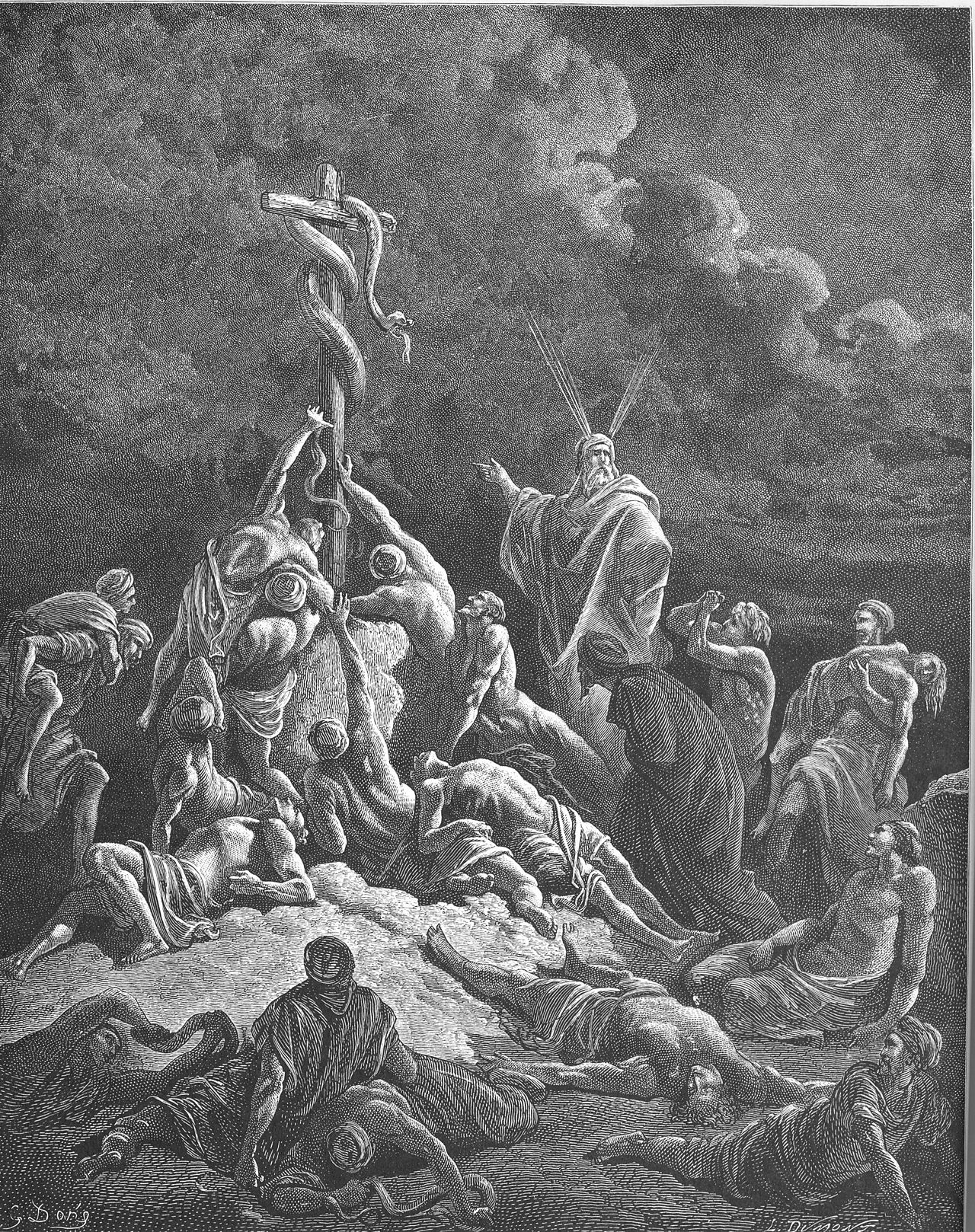
This page draws on Adam Clarke, Commentary on the Bible; Jamieson, Fausset & Brown, Commentary Critical and Explanatory on the Whole Bible; John Gill, Exposition of the Old Testament (1748-1763); John Wesley, Explanatory Notes upon the Old Testament; Keil and Delitzsch, Biblical Commentary on the Old Testament: The Pentateuch and Matthew Henry, Commentary on the Whole Bible.