
Jeremiah 36:17
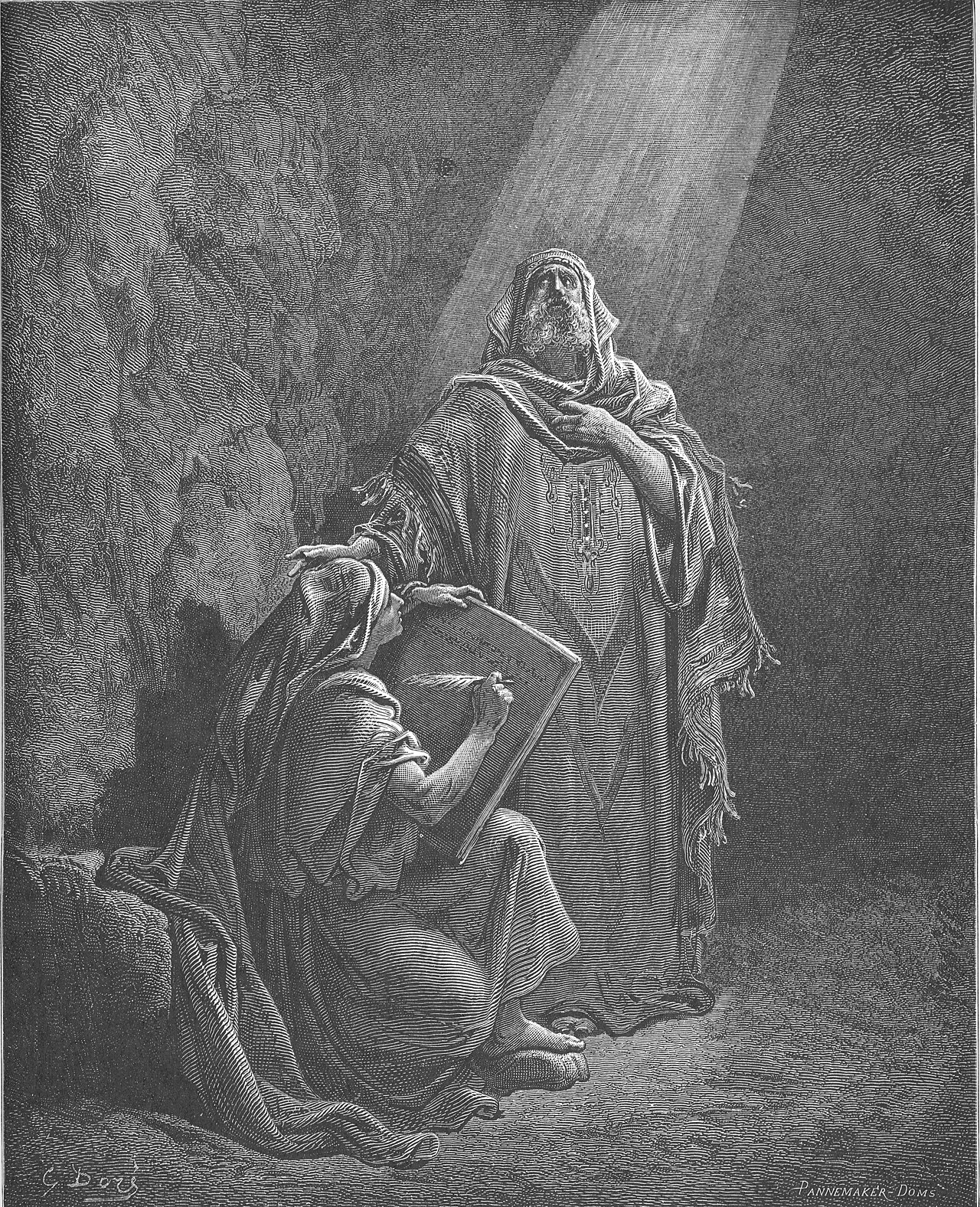
in Jeremiah 36“Tell us now,” they asked Baruch, “how did you write all these words? Was it at Jeremiah’s dictation?”
BSB
The same verse in ASV and KJV ▾
ASV
And they asked Baruch, saying, Tell us now, How didst thou write all these words at his mouth?
KJV
And they asked Baruch, saying, Tell us now, How didst thou write all these words at his mouth?
⋯
This verse in Jeremiah 36
Commentary
6 notes on this verseA commentator
Jamieson, Fausset & Brown1802–1910
Commentary Critical and Explanatory on the Whole Bible (1871)
What they wished to know was, whether what Baruch had read to them was written by him from memory after hearing Jeremiah repeating his prophecies continuously, or accurately from the prophet's own dictation.
This site's exposition
How didst thou write all these words at his mouth
on Jeremiah 36:17-19
Before taking the matter further the princes want the process confirmed, how didst thou write all these words at his mouth, and Baruch answers plainly, he pronounced them with his mouth and I wrote them with ink in the book, dictation and transcription named as exactly what happened. The princes' next move sets them apart from the king who is about to hear the same words, go, hide thee, thou and Jeremiah, and let no man know where ye be, a warning rather than an arrest. Clarke reads this as the chapter's one moment of official conscience, men who feared the message enough to protect its bearers even while they carried it toward a king who would not.
The record, by era
The Puritans and the Awakening2 voices
), as if they suspected there was something extraordinary in it; but Baruch gives them a plain answer, that there was nothing but what was common in the manner of the writing--Jeremiah dictated and he wrote,
quarantine:debris (2026-07-29) — leading-punctuation+unbalanced-parens
And they asked Baruch,....
The Nineteenth Century2 voices
How didst thou write all these words? - At his mouth? - So the text should be pointed. They wished to know whether he had not copied them, or whether he wrote as Jeremiah prophesied.
A commentator
Albert Barnes1798–1870
Notes, Explanatory and Practical, on the Old and New Testaments (1832-1869)
proposed
The scroll might have been drawn up by Baruch from memoranda of his own without the prophet’s direct authority. The princes therefore did not ask from curiosity, but to obtain necessary information.
The words behind it
14 Hebrew wordsEvery Hebrew word of this verse in the order it stands, with what it means and the door to its own study. The last column counts the times a word stands in the whole Bible: the rarer the word, the more the places it appears belong together.
| Hebrew | Sound | Meaning | Word study | In the Bible |
|---|---|---|---|---|
| וְאֶ֨ת־ | veet | and <obj.> | H853 → | 10935 times |
| בָּר֔וּךְ | barukh | Baruch | H1263 → | 26 times |
| שָׁאֲל֖וּ | shaalu | they asked | H7592 → | 171 times |
| לֵאמֹ֑ר | lemor | <to> saying | H559 → | 5305 times |
| הַגֶּד־ | haged- | tell | H5046 → | 370 times |
| נָ֣א | na' | please | H4994 → | 404 times |
| לָ֔נוּ | lanu | to <the> us | ||
| אֵ֗יךְ | ʾeikh | how? | H349 → | 82 times |
| כָּתַ֛בְתָּ | katavta | did you write | H3789 → | 224 times |
| אֶת־ | ʾet- | <obj.> | H853 → | 10935 times |
| כָּל־ | kol- | all | H3605 → | 5413 times |
| הַדְּבָרִ֥ים | hadevarim | the words | H1697 → | 1440 times |
| הָאֵ֖לֶּה | haeleh | <the> these | H428 → | 746 times |
| מִפִּֽיו׃ | mipiv | from mouth his | H6310 → | 498 times |
וְאֶ֨ת־and <obj.>
veetH853 →10935 times
בָּר֔וּךְBaruch
barukhH1263 →26 times
שָׁאֲל֖וּthey asked
shaaluH7592 →171 times
לֵאמֹ֑ר<to> saying
lemorH559 →5305 times
הַגֶּד־tell
haged-H5046 →370 times
נָ֣אplease
na'H4994 →404 times
לָ֔נוּto <the> us
lanu
אֵ֗יךְhow?
ʾeikhH349 →82 times
כָּתַ֛בְתָּdid you write
katavtaH3789 →224 times
אֶת־<obj.>
ʾet-H853 →10935 times
כָּל־all
kol-H3605 →5413 times
הַדְּבָרִ֥יםthe words
hadevarimH1697 →1440 times
הָאֵ֖לֶּה<the> these
haelehH428 →746 times
מִפִּֽיו׃from mouth his
mipivH6310 →498 times
A shaded row is a word that stands 400 times or fewer in the Bible.
The walk
2 stopsEach card is a verse this one points to, and under it the verses that one points to in turn. Where several paths arrive at the same place, that place is listed first: the text keeps returning to it.
Through
John 9:15So the Pharisees also asked him how he had received his sight. The man answered, “He put mud on my eyes, and I washed, and now I can see.”
it leads to
- John 9:10–11
“How then were your eyes opened?” they asked.
- John 9:26–27
“What did He do to you?” they asked. “How did He open your eyes?”
- John 9:10–11
Where this verse is studied
On this page
Studies3
On this verse
On this chapter
About Jeremiah
This page draws on Adam Clarke, Commentary on the Bible; Albert Barnes, Notes, Explanatory and Practical, on the Old and New Testaments (1832-1869); Jamieson, Fausset & Brown, Commentary Critical and Explanatory on the Whole Bible; John Gill, Exposition of the Old Testament (1748-1763) and Matthew Henry, Commentary on the Whole Bible.