
Ezekiel 45:15
in Ezekiel 45And one sheep shall be given from each flock of two hundred from the well-watered pastures of Israel. These are for the grain offerings, burnt offerings, and peace offerings, to make atonement for the people, declares the Lord GOD.
BSB
The same verse in ASV and KJV ▾
ASV
and one lamb of the flock, out of two hundred, from the well-watered pastures of Israel;—for a meal-offering, and for a burnt-offering, and for peace-offerings, to make atonement for them, saith the Lord Jehovah.
KJV
And one lamb out of the flock, out of two hundred, out of the fat pastures of Israel; for a meat offering, and for a burnt offering, and for peace offerings, to make reconciliation for them, saith the Lord God.
⋯
This verse in Ezekiel 45
Commentary
3 notes on this verseA commentator
Jamieson, Fausset & Brown1802–1910
Commentary Critical and Explanatory on the Whole Bible (1871)
on Ezekiel 45:13-15
In these oblations there is a progression as to the relation between the kind and the quantity: of the corn, the sixth of a tenth, that is, a sixtieth part of the quantity specified; of the oil, the tenth of a tenth, that is, an hundredth part; and of the flock, one from every two hundred.
This site's exposition
This is the oblation that ye shall offer
on Ezekiel 45:13-15
The people's own oblation is fixed by the new honest measures just given, a sixth part of an ephah of wheat and of barley, a tenth of the bath of oil, and one lamb from every two hundred, brought for the meat offering, the burnt offering and the peace offerings. The stated purpose closes the unit, to make reconciliation for them, keeping the whole ordinance tied to atonement rather than mere ritual tax. Fairbairn notes the modest fraction required, a system built to be sustainable rather than crushing.
The record, by era
The Puritans and the Awakening1 voice
Christ is our sacrifice of atonement, by whom reconciliation is made, and to him we must have an eye in our sacrifices of acknowledgment. This oblation must be given for the prince in Israel,
The words behind it
16 Hebrew wordsEvery Hebrew word of this verse in the order it stands, with what it means and the door to its own study. The last column counts the times a word stands in the whole Bible: the rarer the word, the more the places it appears belong together.
| Hebrew | Sound | Meaning | Word study | In the Bible |
|---|---|---|---|---|
| וְשֶׂה־ | veseh- | and a sheep | H7716 → | 47 times |
| אַחַ֨ת | ʾachat | one | H259 → | 971 times |
| מִן־ | min- | from | H4480 → | 1188 times |
| הַצֹּ֤אן | hatzon | the flock | H6629 → | 274 times |
| מִן־ | min- | from | H4480 → | 1188 times |
| הַמָּאתַ֙יִם֙ | hamatayim | the two hundred | H3967 → | 581 times |
| מִמַּשְׁקֵ֣ה | mimashkeh | from [the] well-watered land of | H4945 → | |
| יִשְׂרָאֵ֔ל | yisrael | Israel | H3478 → | 2507 times |
| לְמִנְחָ֖ה | leminchah | to a grain offering | H4503 → | 211 times |
| וּלְעוֹלָ֣ה | uleolah | and to a burnt offering | H5930 → | 287 times |
| וְלִשְׁלָמִ֑ים | velishlamim | and to peace offerings | H8002 → | 87 times |
| לְכַפֵּ֣ר | lekhaper | to make atonement | H3722 → | 102 times |
| עֲלֵיהֶ֔ם | ʾaleihem | on them | H5921 → | 5755 times |
| נְאֻ֖ם | neum | [the] utterance of | H5002 → | 376 times |
| אֲדֹנָ֥י | ʾadonai | [the] Lord | H136 → | 440 times |
| יְהוִֽה׃ | yahweh | Yahweh | H3069 → | 306 times |
וְשֶׂה־and a sheep
veseh-H7716 →47 times
אַחַ֨תone
ʾachatH259 →971 times
מִן־from
min-H4480 →1188 times
הַצֹּ֤אןthe flock
hatzonH6629 →274 times
מִן־from
min-H4480 →1188 times
הַמָּאתַ֙יִם֙the two hundred
hamatayimH3967 →581 times
מִמַּשְׁקֵ֣הfrom [the] well-watered land of
mimashkehH4945 →
יִשְׂרָאֵ֔לIsrael
yisraelH3478 →2507 times
לְמִנְחָ֖הto a grain offering
leminchahH4503 →211 times
וּלְעוֹלָ֣הand to a burnt offering
uleolahH5930 →287 times
וְלִשְׁלָמִ֑יםand to peace offerings
velishlamimH8002 →87 times
לְכַפֵּ֣רto make atonement
lekhaperH3722 →102 times
עֲלֵיהֶ֔םon them
ʾaleihemH5921 →5755 times
נְאֻ֖ם[the] utterance of
neumH5002 →376 times
אֲדֹנָ֥י[the] Lord
ʾadonaiH136 →440 times
יְהוִֽה׃Yahweh
yahwehH3069 →306 times
A shaded row is a word that stands 400 times or fewer in the Bible.
The walk
8 stopsEach card is a verse this one points to, and under it the verses that one points to in turn. Where several paths arrive at the same place, that place is listed first: the text keeps returning to it.
Through
Colossians 1:21Once you were alienated from God and were hostile in your minds, engaging in evil deeds.
it leads to
- Ephesians 2:12
remember that at that time you were separate from Christ, alienated from the commonwealth of Israel, and strangers to the covenants of the promise, without hope and without God in the world.
- Titus 3:3–7
For at one time we too were foolish, disobedient, misled, and enslaved to all sorts of desires and pleasures—living in malice and envy, being hated and hating one another.
- Ephesians 2:1–3
And you were dead in your trespasses and sins,
- Ephesians 4:18
They are darkened in their understanding and alienated from the life of God because of the ignorance that is in them due to the hardness of their hearts.
- Romans 5:9–10
Therefore, since we have now been justified by His blood, how much more shall we be saved from wrath through Him!
- Ephesians 2:12
Through
Ephesians 2:16and reconciling both of them to God in one body through the cross, by which He extinguished their hostility.
it leads to
- Colossians 1:20–22
and through Him to reconcile to Himself all things, whether things on earth or things in heaven, by making peace through the blood of His cross.
- Romans 5:10
For if, when we were enemies of God, we were reconciled to Him through the death of His Son, how much more, having been reconciled, shall we be saved through His life!
- 2 Corinthians 5:18–21
All this is from God, who reconciled us to Himself through Christ and gave us the ministry of reconciliation:
- Colossians 1:20–22
Where this verse is studied
On this page
About Ezekiel
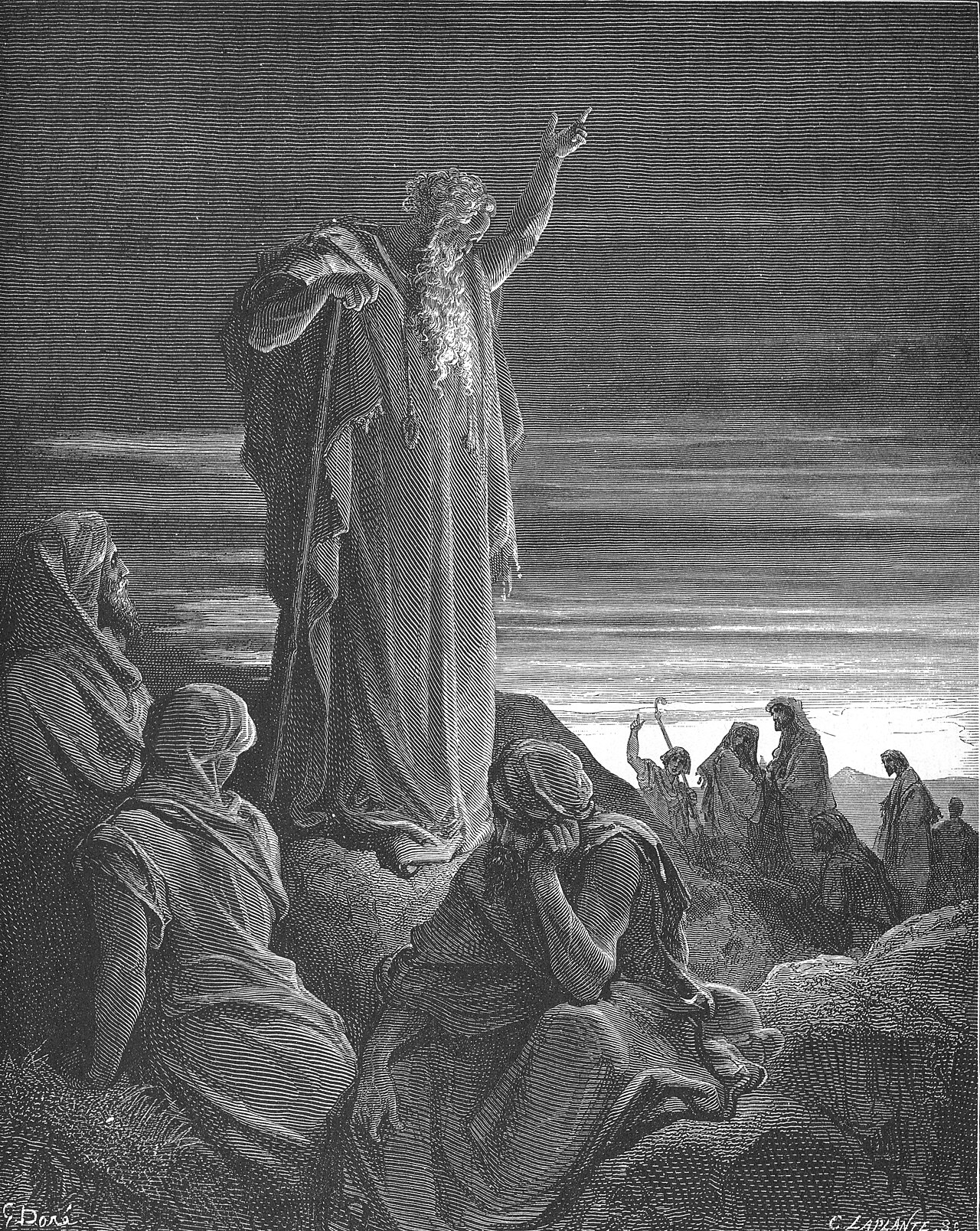
This page draws on Carl Friedrich Keil, Biblical Commentary on the Prophecies of Ezekiel; Jamieson, Fausset & Brown, Commentary Critical and Explanatory on the Whole Bible; Matthew Henry, Commentary on the Whole Bible and Patrick Fairbairn, An Exposition of Ezekiel.