
Deuteronomy 34:3
in Deuteronomy 34the Negev, and the region from the Valley of Jericho (the City of Palms) all the way to Zoar.
BSB
The same verse in ASV and KJV ▾
ASV
and the South, and the Plain of the valley of Jericho the city of palm-trees, unto Zoar.
KJV
And the south, and the plain of the valley of Jericho, the city of palm trees, unto Zoar.
⋯
This verse in Deuteronomy 34
Commentary
2 notes on this verseThe south - The south quarter of the land of Judah, which is towards the salt sea, the city of palm-trees - Jericho, so called from the multitude of palm-trees, which were in those parts, as Josephus and Strabo write. From whence and the balm there growing it was called Jericho, which signifies, odouriferous or sweet smelling.
This site's exposition
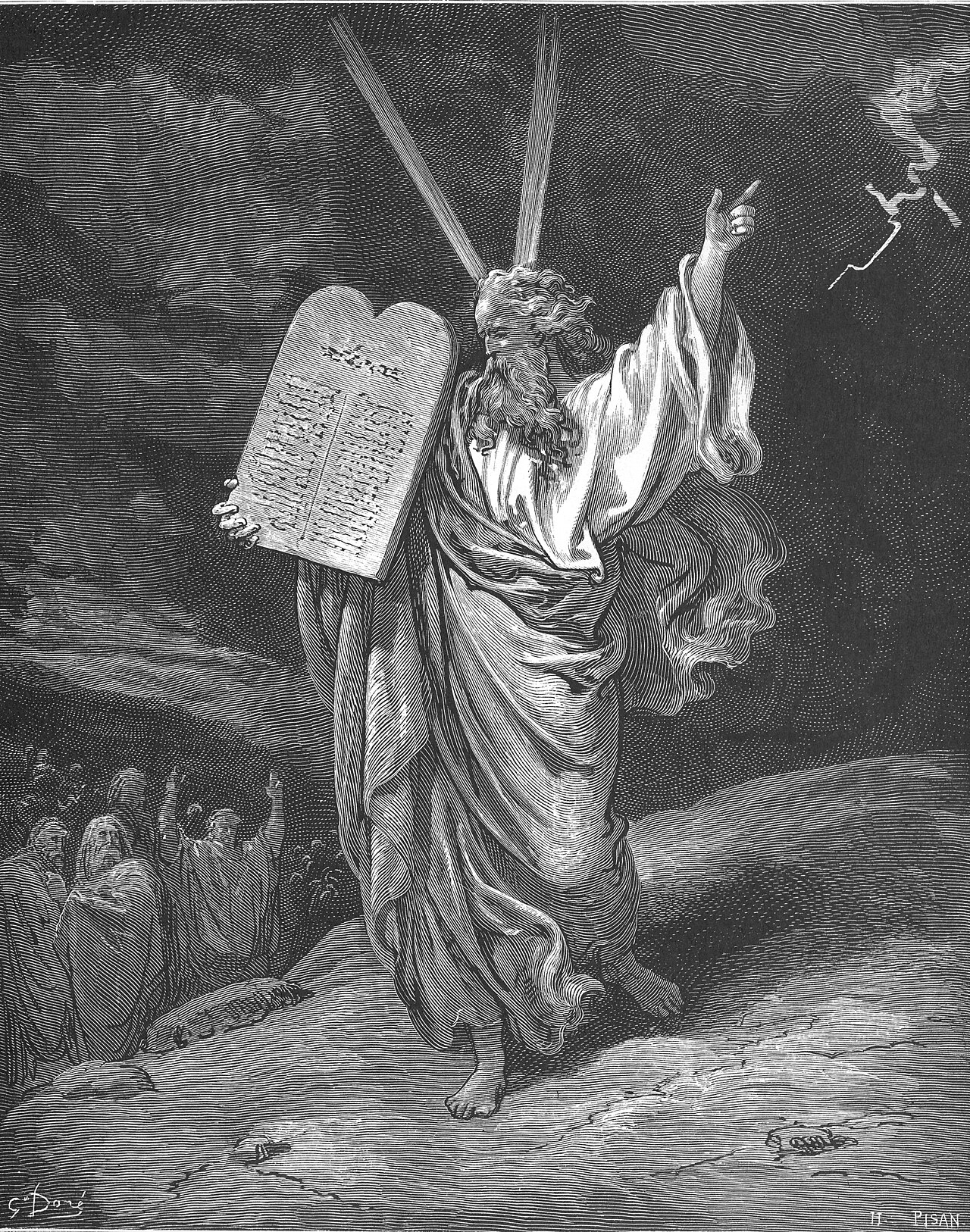
And Moses went up from the plains of Moab
on Deuteronomy 34:1-3
The going up was ordered twice, at 3:27 where the mountain is called the top of Pisgah and at 32:49 where it is called Nebo, and this verse uses both names together. What is shown is named by tribes, Gilead unto Dan, then Naphtali, Ephraim, Manasseh and Judah, so Moses is given the country as it will be divided rather than as it stood that day. Readers divide over the sight itself. Jamieson, Fausset and Brown hold that no miraculous power of vision was imparted and that the foreground alone was clearly discernible, while Albert Barnes reads the showing as supernatural and sets it beside the sight of all the kingdoms of the world at Luke 4:5.
How the passage was read
What the Jewish commentators add
ואת הנגב means THE SOUTH COUNTRY. — Another explanation is, that it refers to the cave of Machpelah (which was in the Negeb), as it is said, (Numbers:22) “And they went up to the south country, and came to Hebron” (where this cave was situated) (Sifrei Devarim:20).
This section is reception history: how the passage was read and kept in the Jewish tradition. Where a reading parts from an essential of the Christian faith, the section says so at that point.
Texts and citation data: Sefaria; each excerpt follows its version’s licence. 2 further sources are cited on this chapter that carry no English text this site may quote or only restate the verse.
The words behind it
10 Hebrew wordsEvery Hebrew word of this verse in the order it stands, with what it means and the door to its own study. The last column counts the times a word stands in the whole Bible: the rarer the word, the more the places it appears belong together.
| Hebrew | Sound | Meaning | Word study | In the Bible |
|---|---|---|---|---|
| וְאֶת־ | veet | and <obj.> | H853 → | 10935 times |
| הַנֶּ֗גֶב | hanegev | the Negev | H5045 → | |
| וְֽאֶת־ | veet | and <obj.> | H853 → | 10935 times |
| הַכִּכָּ֞ר | hakikar | the district | H3603 → | |
| בִּקְעַ֧ת | bikat | in [the] valley of | H1237 → | 20 times |
| יְרֵח֛וֹ | yerecho | Jericho | H3405 → | 57 times |
| עִ֥יר | ʾir | [the] city of | H5899 → | |
| הַתְּמָרִ֖ים | hatemarim | the palm trees | H5899 → | |
| עַד־ | ʾad- | to | H5704 → | 1261 times |
| צֹֽעַר׃ | tzoar | Zoar | H6820 → |
וְאֶת־and <obj.>
veetH853 →10935 times
הַנֶּ֗גֶבthe Negev
hanegevH5045 →
וְֽאֶת־and <obj.>
veetH853 →10935 times
הַכִּכָּ֞רthe district
hakikarH3603 →
בִּקְעַ֧תin [the] valley of
bikatH1237 →20 times
יְרֵח֛וֹJericho
yerechoH3405 →57 times
עִ֥יר[the] city of
ʾirH5899 →
הַתְּמָרִ֖יםthe palm trees
hatemarimH5899 →
עַד־to
ʾad-H5704 →1261 times
צֹֽעַר׃Zoar
tzoarH6820 →
A shaded row is a word that stands 400 times or fewer in the Bible.
The walk
8 stopsEach card is a verse this one points to, and under it the verses that one points to in turn. Where several paths arrive at the same place, that place is listed first: the text keeps returning to it.
Through
Genesis 14:2went to war against Bera king of Sodom, Birsha king of Gomorrah, Shinab king of Admah, Shemeber king of Zeboiim, and the king of Bela (that is, Zoar).
it leads to
- Genesis 13:10
And Lot looked out and saw that the whole plain of the Jordan, all the way to Zoar, was well watered like the garden of the LORD, like the land of Egypt. (This was…
Reached by 2 separate paths from here.
- Deuteronomy 29:23
All its soil will be a burning waste of sulfur and salt, unsown and unproductive, with no plant growing on it, just like the destruction of Sodom and Gomorrah, Admah and Zeboiim, which the…
- Genesis 13:10
Through
Judges 3:13After enlisting the Ammonites and Amalekites to join forces with him, Eglon attacked and defeated Israel, taking possession of the City of Palms.
it leads to
- Judges 1:16
Now the descendants of Moses’ father-in-law, the Kenite, went up with the men of Judah from the City of Palms to the Wilderness of Judah in the Negev near Arad. They went to live…
Reached by 2 separate paths from here.
- Judges 1:16
Through
Judges 1:16Now the descendants of Moses’ father-in-law, the Kenite, went up with the men of Judah from the City of Palms to the Wilderness of Judah in the Negev near Arad. They went to live…
it leads to
- Numbers 10:29–32
Then Moses said to Hobab, the son of Moses’ father-in-law Reuel the Midianite, “We are setting out for the place of which the LORD said: ‘I will give it to you.’ Come with us,…
- Judges 4:11
Now Heber the Kenite had moved away from the Kenites, the descendants of Hobab the father-in-law of Moses, and had pitched his tent by the great tree of Zaanannim, which was near Kedesh.
- 1 Samuel 15:6
And he warned the Kenites, “Since you showed kindness to all the Israelites when they came up out of Egypt, go on and get away from the Amalekites. Otherwise I will sweep you away…
- Numbers 21:1
When the Canaanite king of Arad, who lived in the Negev, heard that Israel was coming along the road to Atharim, he attacked Israel and captured some prisoners.
- Numbers 10:29–32
Through
Genesis 19:22Hurry! Run there quickly, for I cannot do anything until you reach it.” That is why the town was called Zoar.
it leads to
- Genesis 14:2
went to war against Bera king of Sodom, Birsha king of Gomorrah, Shinab king of Admah, Shemeber king of Zeboiim, and the king of Bela (that is, Zoar).
- Genesis 14:2
Where this verse is studied
On this page
Studies1
About Deuteronomy
Who and where
1 name in this verse with a page on the site.
This page draws on Albert Barnes, Notes on the Old Testament; Jamieson, Fausset & Brown, Commentary Critical and Explanatory on the Whole Bible and John Wesley, Explanatory Notes upon the Old Testament.