
Deuteronomy 30:13
in Deuteronomy 30And it is not beyond the sea, that you should need to ask, ‘Who will cross the sea to get it for us and proclaim it, that we may obey it?’
BSB
The same verse in ASV and KJV ▾
ASV
Neither is it beyond the sea, that thou shouldest say, Who shall go over the sea for us, and bring it unto us, and make us to hear it, that we may do it?
KJV
Neither is it beyond the sea, that thou shouldest say, Who shall go over the sea for us, and bring it unto us, that we may hear it, and do it?
⋯
This verse in Deuteronomy 30
Commentary
3 notes on this verseon Deuteronomy 30:11-14
OUR Lord Jesus Christ, in John's Gospel, in the 46th verse of the fifth chapter, says, "Moses wrote of Me." Hence we may safely interpret much that Moses said, not only of the Law, but also of the Gospel. Indeed, the Law itself was given primarily to drive men to the Gospel. It was meant to show them the impossibility of salvation by their own works and so to shut them up to a salvation which is available even for sinners.
This site's exposition
For this commandment which I command thee
on Deuteronomy 30:11-13
Two errands are named and both are impossible, going up to heaven and going over the sea, and the point of naming them is that neither is required of anybody. Paul quotes these verses at Romans 10:6-7 and reads them of the righteousness which is of faith, and where Moses says beyond the sea Paul says who shall descend into the deep, applying it to bringing Christ up from the dead. Albert Barnes held that Paul's reading gives the true intent of the words themselves, and John Wesley read the passage of a law made practicable by gospel grace. The commandment is called near on the ground that it has already been spoken to them, in the wilderness, that day.
The record, by era
The Puritans and the Awakening1 voice
Neither beyond the sea - The knowledge of this commandment is not to be fetched from far distant places, to which divers of the wise Heathens travelled for their wisdom; but it was brought to thy very doors and ears, and declared to thee in this wilderness.
How the passage was read
What the Jewish commentators add
This explains neither is it far off (v. 11). It is possible that the reference is to the great sea. The Atlantic Ocean.
This section is reception history: how the passage was read and kept in the Jewish tradition. Where a reading parts from an essential of the Christian faith, the section says so at that point.
Texts and citation data: Sefaria; each excerpt follows its version’s licence. 4 further sources are cited on this chapter that carry no English text this site may quote or only restate the verse.
The words behind it
16 Hebrew wordsEvery Hebrew word of this verse in the order it stands, with what it means and the door to its own study. The last column counts the times a word stands in the whole Bible: the rarer the word, the more the places it appears belong together.
| Hebrew | Sound | Meaning | Word study | In the Bible |
|---|---|---|---|---|
| וְלֹֽא־ | velo'- | and not | H3808 → | 5168 times |
| מֵעֵ֥בֶר | meever | [is] from [the] other side | H5676 → | 90 times |
| לַיָּ֖ם | laiyam | of the sea | H3220 → | 396 times |
| הִ֑וא | hi' | it | H1931 → | 1879 times |
| לֵאמֹ֗ר | lemor | to say | H559 → | 5305 times |
| מִ֣י | mi | who? | H4310 → | 423 times |
| יַעֲבָר־ | yaavor- | will he pass over | H5674 → | 556 times |
| לָ֜נוּ | lanu | for <the> us | ||
| אֶל־ | ʾel- | to | H413 → | 5510 times |
| עֵ֤בֶר | ʾever | [the] other side of | H5676 → | 90 times |
| הַיָּם֙ | haiyam | the sea | H3220 → | 396 times |
| וְיִקָּחֶ֣הָ | veyikacheha | so he may fetch it | H3947 → | 966 times |
| לָּ֔נוּ | lanu | for <the> us | ||
| וְיַשְׁמִעֵ֥נוּ | veyashmienu | so he may make hear us | H8085 → | 1159 times |
| אֹתָ֖הּ | ʾotah | <obj.> it | H853 → | 10935 times |
| וְנַעֲשֶֽׂנָּה׃ | venaasenah | so we may do it | H6213 → | 2628 times |
וְלֹֽא־and not
velo'-H3808 →5168 times
מֵעֵ֥בֶר[is] from [the] other side
meeverH5676 →90 times
לַיָּ֖םof the sea
laiyamH3220 →396 times
הִ֑ואit
hi'H1931 →1879 times
לֵאמֹ֗רto say
lemorH559 →5305 times
מִ֣יwho?
miH4310 →423 times
יַעֲבָר־will he pass over
yaavor-H5674 →556 times
לָ֜נוּfor <the> us
lanu
אֶל־to
ʾel-H413 →5510 times
עֵ֤בֶר[the] other side of
ʾeverH5676 →90 times
הַיָּם֙the sea
haiyamH3220 →396 times
וְיִקָּחֶ֣הָso he may fetch it
veyikachehaH3947 →966 times
לָּ֔נוּfor <the> us
lanu
וְיַשְׁמִעֵ֥נוּso he may make hear us
veyashmienuH8085 →1159 times
אֹתָ֖הּ<obj.> it
ʾotahH853 →10935 times
וְנַעֲשֶֽׂנָּה׃so we may do it
venaasenahH6213 →2628 times
A shaded row is a word that stands 400 times or fewer in the Bible.
The walk
8 stopsEach card is a verse this one points to, and under it the verses that one points to in turn. Where several paths arrive at the same place, that place is listed first: the text keeps returning to it.
Through
John 6:27Do not work for food that perishes, but for food that endures to eternal life, which the Son of Man will give you. For on Him God the Father has placed His seal of…
it leads to
- Colossians 3:2
Set your minds on things above, not on earthly things.
- Isaiah 55:2
Why spend money on that which is not bread, and your labor on that which does not satisfy? Listen carefully to Me, and eat what is good, and your soul will delight in the…
- John 6:54
Whoever eats My flesh and drinks My blood has eternal life, and I will raise him up at the last day.
- 2 Timothy 2:19
Nevertheless, God’s firm foundation stands, bearing this seal: “The Lord knows those who are His,” and, “Everyone who calls on the name of the Lord must turn away from iniquity.”
- Matthew 6:19
Do not store up for yourselves treasures on earth, where moth and rust destroy, and where thieves break in and steal.
- Colossians 3:2
Through
Proverbs 8:11For wisdom is more precious than rubies, and nothing you desire compares with her.
it leads to
- Proverbs 4:5–7
Get wisdom, get understanding; do not forget my words or turn from them.
- Proverbs 3:14–15
for she is more profitable than silver, and her gain is better than fine gold.
- Psalms 19:10
They are more precious than gold, than much pure gold; they are sweeter than honey, than honey from the comb.
- Proverbs 4:5–7
Where this verse is studied
About Deuteronomy
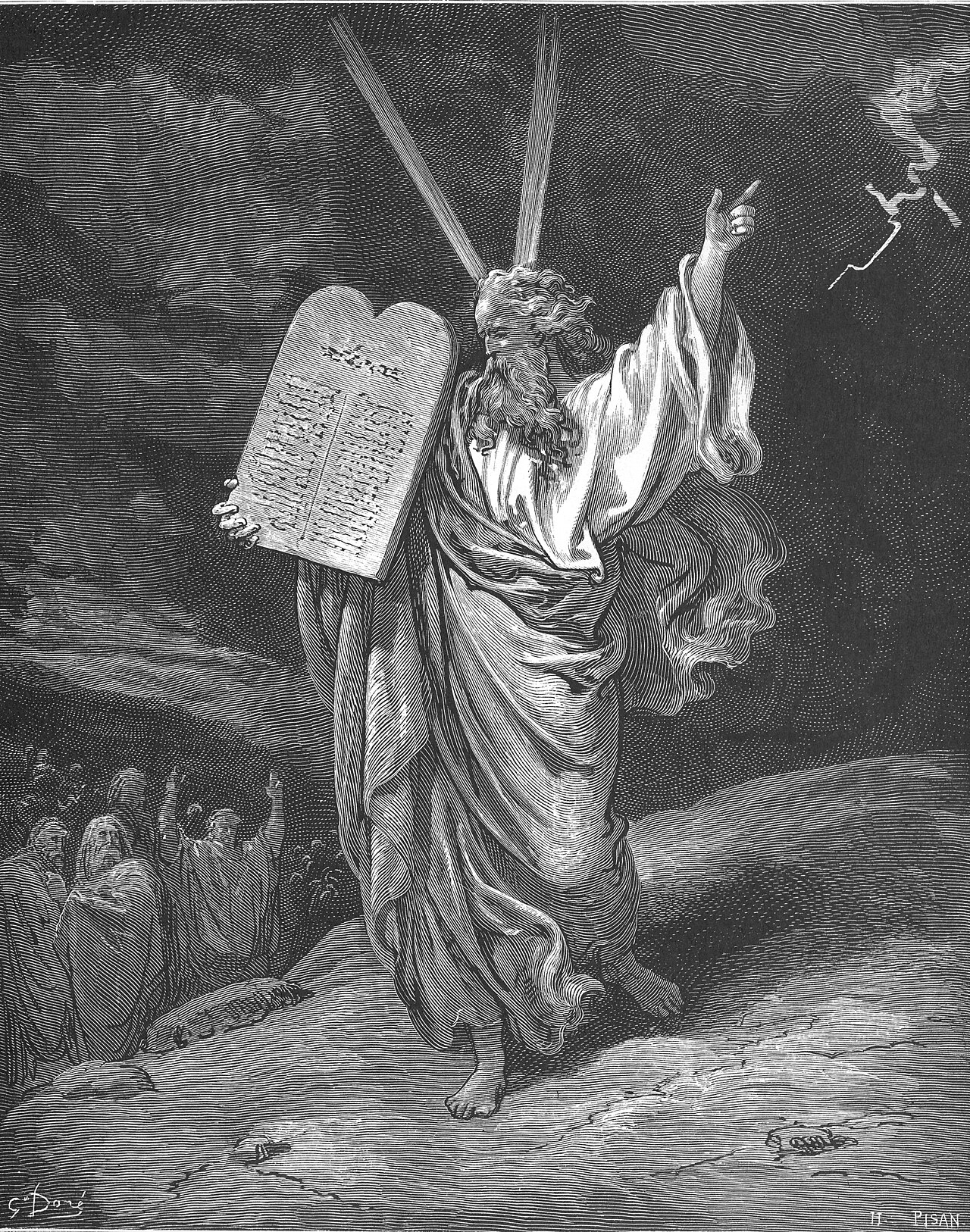
This page draws on Albert Barnes, Notes on the Old Testament; Charles Spurgeon, The Metropolitan Tabernacle Pulpit, Sermon No. 1967: “Plain Gospel For Plain People” (lightly modernized text, CCEL edition); Jamieson, Fausset & Brown, Commentary Critical and Explanatory on the Whole Bible and John Wesley, Explanatory Notes upon the Old Testament.