
Deuteronomy 23:6
in Deuteronomy 23You are not to seek peace or prosperity from them as long as you live.
BSB
The same verse in ASV and KJV ▾
ASV
Thou shalt not seek their peace nor their prosperity all thy days for ever.
KJV
Thou shalt not seek their peace nor their prosperity all thy days for ever.
⋯
This verse in Deuteronomy 23
Commentary
4 notes on this verseA commentator
Albert Barnes1798–1870
Notes, Explanatory and Practical, on the Old and New Testaments (1832-1869)
i. e. “thou shalt not invite them robe on terms of amity with thee (compare Deu 20:10 ff), nor make their welfare thy care”: compare Ezr 9:12. There is no injunction to hatred or retaliation (compare Deu 2:9, Deu 2:19); but later history contains frequent record of hostility between Israel and these nations.
This site's exposition
An Ammonite or Moabite shall not enter
on Deuteronomy 23:3-6
The charge against Moab and Ammon is two things done on the road out of Egypt, no bread and water offered and Balaam hired to curse, which Numbers 22 to 24 tells at length. Verse 5 says the Lord turned the curse into a blessing because he loved thee, and Nehemiah 13:1-2 quotes that whole charge back, the turned curse included, on the day the book of Moses is read aloud in Jerusalem. Deuteronomy 2:29 says the Moabites who dwelt in Ar sold Israel food on that same road, both verses stand in the book, and Keil reads the charge here as the conduct of the nation rather than of every man in it. Ruth the Moabitess is the case a reader sets against verse 3, since Ruth 4:17 makes her the great-grandmother of David and Matthew 1:5 names her in the line of Christ, and the readings offered are that the law bars naturalization rather than marriage, which is where Barnes lands, or that the Hebrew is masculine and reaches the men of Moab only, or that Ruth came in as a proselyte.
The record, by era
The Puritans and the Awakening2 voices
), is because of the unkindness they had now lately done to the camp of Israel, notwithstanding the orders God had given not to distress or vex them, ch. ii. It was bad enough that they did not meet them with bread and water in the way (
quarantine:debris (2026-07-29) — leading-punctuation
Thou shalt not seek their peace nor their prosperity all thy days for ever. Not that they were to retain malice towards them, or indulge a spirit of revenge, or not do them any good offices in a private way, which is contrary to the law of love; nor does this contradict any offices of kindness and friendship that might be performed in a personal way: so we find that David had a kindness for Hanun the Ammonite, and showed it, though ill rewarded for it, yet is not blamed for doing it; 2Sa 10:2 for these words respect not persons in a private capacity, but the people of Israel as a body politic, who, as such, were not to carry on trade and commerce with those people, nor intermarry with them, nor make leagues and enter into alliances with them; the reason of which was, because being very near neighbours to them, had there not been such a law, as a wall of partition between them, they might have become very familiar, and so have learnt their evil ways and customs, which this was designed to prevent: the Jews restrain (o) this to overtures and proclamations of peace, which they were not to make with these nations, as they were directed to do when they went out to war with others, Deu 20:10. (o) Hilchot Melachim, c. 6. sect. 6.
The words behind it
7 Hebrew wordsEvery Hebrew word of this verse in the order it stands, with what it means and the door to its own study. The last column counts the times a word stands in the whole Bible: the rarer the word, the more the places it appears belong together.
| Hebrew | Sound | Meaning | Word study | In the Bible |
|---|---|---|---|---|
| לֹא־ | lo'- | not | H3808 → | 5168 times |
| תִדְרֹ֥שׁ | tidrosh | you will seek | H1875 → | 164 times |
| שְׁלֹמָ֖ם | shelomam | peace their | H7965 → | 236 times |
| וְטֹבָתָ֑ם | vetoatam | and good their | H2896 → | 538 times |
| כָּל־ | kol- | all | H3605 → | 5413 times |
| יָמֶ֖יךָ | yameikha | days your | H3117 → | 2304 times |
| לְעוֹלָֽם׃ ס | leolam | for ever | H5769 → | 438 times |
לֹא־not
lo'-H3808 →5168 times
תִדְרֹ֥שׁyou will seek
tidroshH1875 →164 times
שְׁלֹמָ֖םpeace their
shelomamH7965 →236 times
וְטֹבָתָ֑םand good their
vetoatamH2896 →538 times
כָּל־all
kol-H3605 →5413 times
יָמֶ֖יךָdays your
yameikhaH3117 →2304 times
לְעוֹלָֽם׃ סfor ever
leolamH5769 →438 times
A shaded row is a word that stands 400 times or fewer in the Bible.
The walk
8 stopsEach card is a verse this one points to, and under it the verses that one points to in turn. Where several paths arrive at the same place, that place is listed first: the text keeps returning to it.
Through
Ezra 9:12Now, therefore, do not give your daughters in marriage to their sons or take their daughters for your sons. Never seek their peace or prosperity, so that you may be strong and may eat…
it leads to
- Deuteronomy 7:3
Do not intermarry with them. Do not give your daughters to their sons or take their daughters for your sons,
- Joshua 23:12–13
For if you turn away and cling to the rest of these nations that remain among you, and if you intermarry and associate with them,
- Proverbs 13:22
A good man leaves an inheritance to his children’s children, but the sinner’s wealth is passed to the righteous.
- Exodus 34:15–16
Do not make a covenant with the inhabitants of the land, for when they prostitute themselves to their gods and sacrifice to them, they will invite you, and you will eat their sacrifices.
- 2 John 1:10–11
If anyone comes to you but does not bring this teaching, do not receive him into your home or even greet him.
- Deuteronomy 7:3
Through
2 Samuel 8:2David also defeated the Moabites, made them lie down on the ground, and measured them off with a cord. He measured off with two lengths those to be put to death, and with one…
it leads to
- Numbers 24:17
I see him, but not now; I behold him, but not near. A star will come forth from Jacob, and a scepter will arise from Israel. He will crush the skulls of Moab and…
- 2 Samuel 8:6
Then he placed garrisons in Aram of Damascus, and the Arameans became subject to David and brought him tribute. So the LORD made David victorious wherever he went.
- Numbers 24:17
Through
2 Samuel 12:31David brought out the people who were there and put them to work with saws, iron picks, and axes, and he made them work at the brick kilns. He did the same to all…
it leads to
- 1 Chronicles 20:3
David brought out the people who were there and put them to work with saws, iron picks, and axes. And he did the same to all the Ammonite cities. Then David and all his…
- 1 Chronicles 20:3
Where this verse is studied
On this page
About Deuteronomy
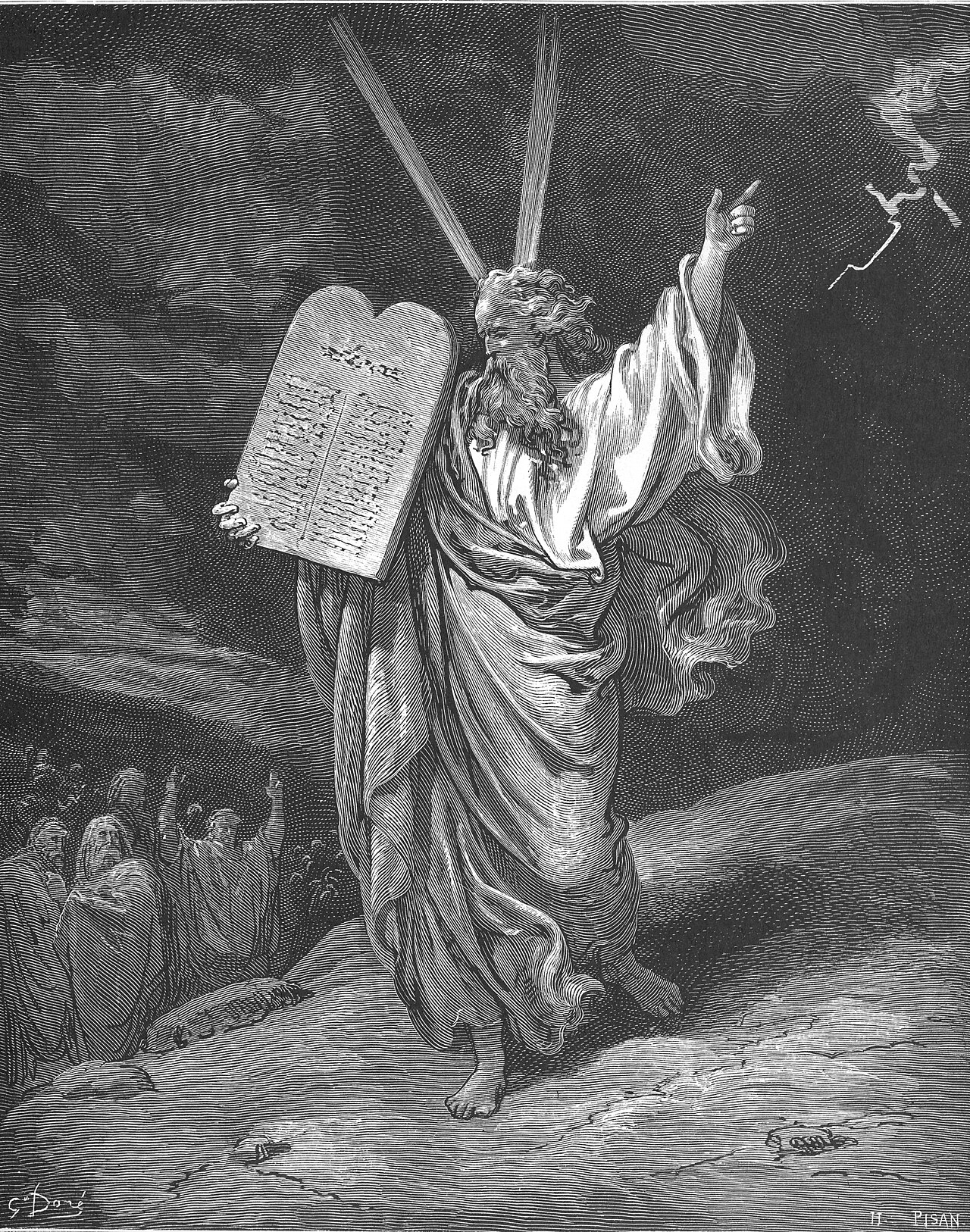
This page draws on Albert Barnes, Notes, Explanatory and Practical, on the Old and New Testaments (1832-1869); Albert Barnes, Notes on the Old Testament; John Gill, Exposition of the Old Testament (1748-1763); Keil and Delitzsch, Biblical Commentary on the Old Testament: The Pentateuch and Matthew Henry, Commentary on the Whole Bible.