
Daniel 3:12
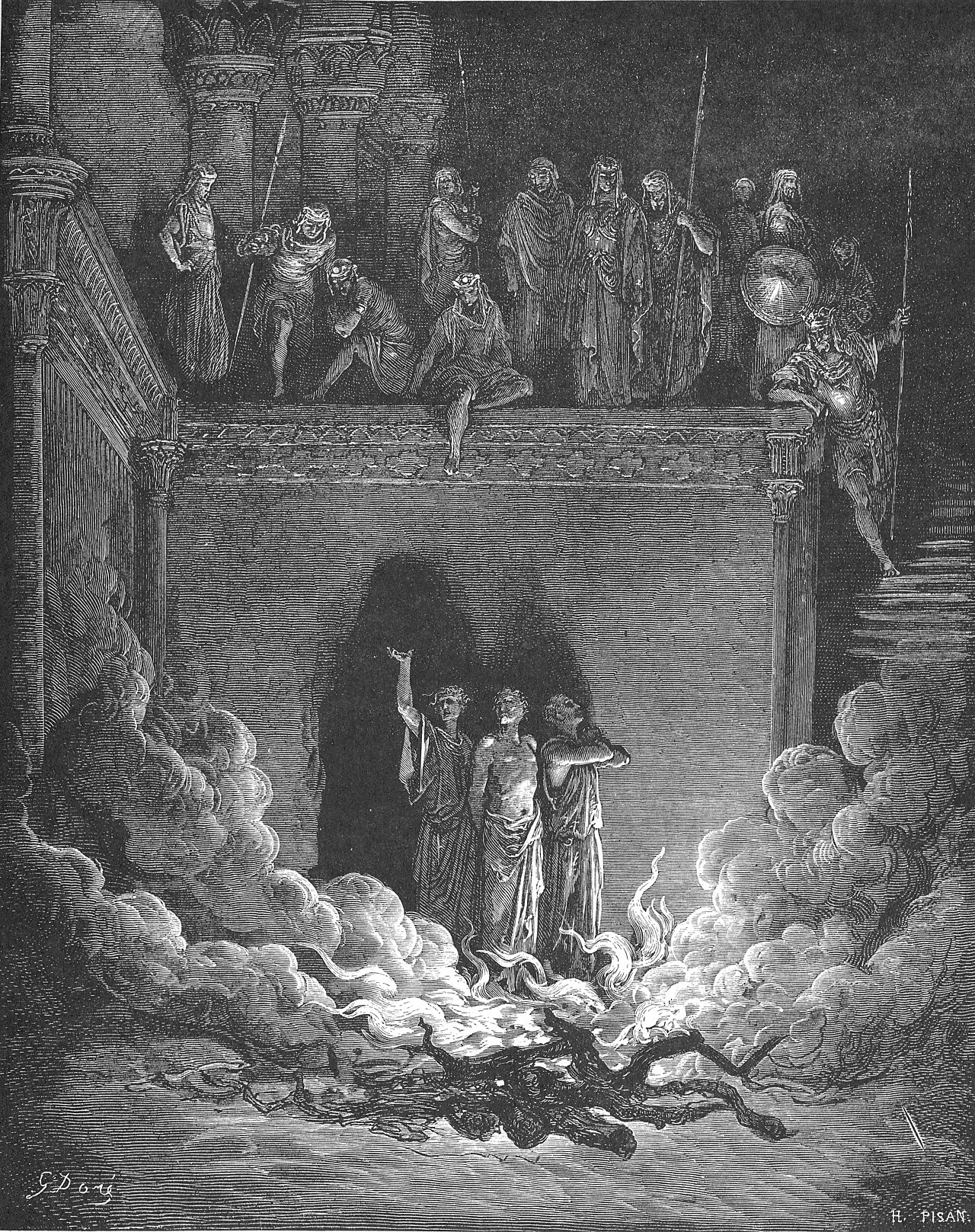
in Daniel 3But there are some Jews you have appointed to manage the province of Babylon—Shadrach, Meshach, and Abednego—who have ignored you, O king, and have refused to serve your gods or worship the golden statue you have set up.”
BSB
The same verse in ASV and KJV ▾
ASV
There are certain Jews whom thou hast appointed over the affairs of the province of Babylon: Shadrach, Meshach, and Abed-nego; these men, O king, have not regarded thee: they serve not thy gods, nor worship the golden image which thou hast set up.
KJV
There are certain Jews whom thou hast set over the affairs of the province of Babylon, Shadrach, Meshach, and Abed–nego; these men, O king, have not regarded thee: they serve not thy gods, nor worship the golden image which thou hast set up.
⋯
This verse in Daniel 3
Commentary
8 notes on this verseVerse 12. "Now then, there are certain Jews whom thou hast appointed over the affairs of the district of Babylon, namely Shadrach, Meshach, and Abednego, who have despised thy decree" (the Vulgate reads: "those men of thine have despised the decree, O king").
This site's exposition
accused the Jews
on Daniel 3:8-15
Some astrologers “maliciously accused the Jews,” and Keil notes the Aramaic idiom behind it: they ate the pieces of them, accusation pictured as devouring. His question, “Then what god will be able to deliver you from my hands?” is the one the rest of the chapter answers.
This site's exposition
some Jews you have appointed
John Chrysostom notes the malice of the charge: the astrologers remind the king that he had appointed these Jews to manage the province himself. Albert Barnes finds it remarkable that Daniel is not named. The account leaves him out of the scene.
The record, by era
The Church Fathers2 voices
When in Babylon an image had been made, And everyone against his will worshiped the lifeless things as though it were alive, Then, as Scripture tells, three youths, Having received in their hearts divine guidance, did not leave the straight path, For they considered the …
Consider thou also with me the wickedness of those who were their accusers, and how maliciously and bitterly they brought the accusation! "There are," say they, "certain Jews whom thou hast set up over the works of the province of Babylon." They did not merely make mention of the nation, but they also bring to mind their honourable condition, that they may inflame the wrath of the king; almost as if they had said, "These slaves, these captives, who are without a city, thou hast made rulers over us. But they shew contempt for such honour, and treat insolently him who has given them this honour!" Therefore they say this; "The Jews whom thou hast set over the works of the province of Babylon, obey not thy decree, nor serve thy gods." The accusation becomes their greatest praise; and the crimes imputed, their encomium; a testimony indeed that is indubitable, since their enemies bring it forward.
The Puritans and the Awakening2 voices
There are certain Jews,....
(2.) They suggest that it was done maliciously, contumaciously, and in contempt of him and his authority: "They have set no regard upon thee; for they serve not the gods which thou servest, and which thou requirest them to serve, nor worship the golden image which thou hast set up. " II.
The Nineteenth Century1 voice
A commentator
Albert Barnes1798–1870
Notes, Explanatory and Practical, on the Old and New Testaments (1832-1869)
proposed
There are certain Jews whom thou hast set over the affairs of the province of Babylon, Shadrach, Meshach, and Abed-nego - Dan 2:49. It is quite remarkable that the name of Daniel does not occur in the record of this transaction, and that he does not appear to have been involved in the difficulty. Why he was not cannot now be certainly known.
The words behind it
30 Hebrew wordsEvery Hebrew word of this verse in the order it stands, with what it means and the door to its own study. The last column counts the times a word stands in the whole Bible: the rarer the word, the more the places it appears belong together.
| Hebrew | Sound | Meaning | Word study | In the Bible |
|---|---|---|---|---|
| אִיתַ֞י | ʾitai | there | H383 → | 17 times |
| גֻּבְרִ֣ין | guvrin | [are] men | H1400 → | 21 times |
| יְהוּדָאיִ֗ן | yehudayin | Jewish | H3062 → | |
| דִּֽי־ | di- | whom | H1768 → | 345 times |
| מַנִּ֤יתָ | manita | you have appointed | H4483 → | 5 times |
| יָתְהוֹן֙ | yatehon | <obj.> them | H3487 → | |
| עַל־ | ʾal- | over | H5922 → | 104 times |
| עֲבִידַת֙ | ʾavidat | [the] administration of | H5673 → | |
| מְדִינַ֣ת | medinat | [the] province of | H4083 → | 11 times |
| בָּבֶ֔ל | bavel | Babylon | H895 → | 25 times |
| שַׁדְרַ֥ךְ | shadrakh | Shadrach | H7715 → | 14 times |
| מֵישַׁ֖ךְ | meishakh | Meshach | H4336 → | 14 times |
| וַעֲבֵ֣ד | vaaved | and Abed- | H5665 → | 28 times |
| נְג֑וֹ | nego | -nego | H5665 → | 28 times |
| גֻּבְרַיָּ֣א | guvraiya' | men the | H1400 → | 21 times |
| אִלֵּ֗ךְ | ʾilekh | these | H479 → | 14 times |
| לָא־ | la'- | not | H3809 → | 82 times |
| שָׂ֨מֽוּ | samu | they have set | H7761 → | 26 times |
| עֲלָ֤ךְ | alayikh | to you | H5922 → | 104 times |
| מַלְכָּא֙ | malka' | king O | H4430 → | 180 times |
| טְעֵ֔ם | teem | discretion | H2942 → | 28 times |
| לֵֽאלָהָךְ֙ | lelahayikh | to god your | H426 → | 95 times |
| לָ֣א | la' | not | H3809 → | 82 times |
| פָלְחִ֔ין | falechin | [they are] paying reverence | H6399 → | 10 times |
| וּלְצֶ֧לֶם | uletzelem | and to [the] image of | H6755 → | 17 times |
| דַּהֲבָ֛א | dahava' | <the> gold | H1722 → | 23 times |
| דִּ֥י | di | which | H1768 → | 345 times |
| הֲקֵ֖ימְתָּ | hakeimeta | you have set up | H6966 → | 35 times |
| לָ֥א | la' | not | H3809 → | 82 times |
| סָגְדִֽין׃ ס | sagedin | [they are] paying homage | H5457 → | 12 times |
אִיתַ֞יthere
ʾitaiH383 →17 times
גֻּבְרִ֣ין[are] men
guvrinH1400 →21 times
יְהוּדָאיִ֗ןJewish
yehudayinH3062 →
דִּֽי־whom
di-H1768 →345 times
מַנִּ֤יתָyou have appointed
manitaH4483 →5 times
יָתְהוֹן֙<obj.> them
yatehonH3487 →
עַל־over
ʾal-H5922 →104 times
עֲבִידַת֙[the] administration of
ʾavidatH5673 →
מְדִינַ֣ת[the] province of
medinatH4083 →11 times
בָּבֶ֔לBabylon
bavelH895 →25 times
שַׁדְרַ֥ךְShadrach
shadrakhH7715 →14 times
מֵישַׁ֖ךְMeshach
meishakhH4336 →14 times
וַעֲבֵ֣דand Abed-
vaavedH5665 →28 times
נְג֑וֹ-nego
negoH5665 →28 times
גֻּבְרַיָּ֣אmen the
guvraiya'H1400 →21 times
אִלֵּ֗ךְthese
ʾilekhH479 →14 times
לָא־not
la'-H3809 →82 times
שָׂ֨מֽוּthey have set
samuH7761 →26 times
עֲלָ֤ךְto you
alayikhH5922 →104 times
מַלְכָּא֙king O
malka'H4430 →180 times
טְעֵ֔םdiscretion
teemH2942 →28 times
לֵֽאלָהָךְ֙to god your
lelahayikhH426 →95 times
לָ֣אnot
la'H3809 →82 times
פָלְחִ֔ין[they are] paying reverence
falechinH6399 →10 times
וּלְצֶ֧לֶםand to [the] image of
uletzelemH6755 →17 times
דַּהֲבָ֛א<the> gold
dahava'H1722 →23 times
דִּ֥יwhich
diH1768 →345 times
הֲקֵ֖ימְתָּyou have set up
hakeimetaH6966 →35 times
לָ֥אnot
la'H3809 →82 times
סָגְדִֽין׃ ס[they are] paying homage
sagedinH5457 →12 times
A shaded row is a word that stands 400 times or fewer in the Bible.
The walk
8 stopsEach card is a verse this one points to, and under it the verses that one points to in turn. Where several paths arrive at the same place, that place is listed first: the text keeps returning to it.
Through
Acts 5:28“We gave you strict orders not to teach in this name,” he said. “Yet you have filled Jerusalem with your teaching and are determined to make us responsible for this man’s blood.”
it leads to
- Matthew 27:25
All the people answered, “His blood be on us and on our children!”
- Acts 7:52
Which of the prophets did your fathers fail to persecute? They even killed those who foretold the coming of the Righteous One. And now you are His betrayers and murderers—
- Acts 4:18–21
Then they called them in again and commanded them not to speak or teach at all in the name of Jesus.
- Acts 4:10–11
then let this be known to all of you and to all the people of Israel: It is by the name of Jesus Christ of Nazareth, whom you crucified but whom God raised from…
- Matthew 27:25
Through
Proverbs 27:4Wrath is cruel and anger is like a flood, but who can withstand jealousy?
it leads to
- Proverbs 6:34
For jealousy enrages a husband, and he will show no mercy in the day of vengeance.
- Proverbs 14:30
A tranquil heart is life to the body, but envy rots the bones.
- James 3:14–16
But if you harbor bitter jealousy and selfish ambition in your hearts, do not boast in it or deny the truth.
- Proverbs 6:34
Through
Acts 17:7and Jason has welcomed them into his home. They are all defying Caesar’s decrees, saying that there is another king, named Jesus!”
it leads to
- Luke 23:2
And they began to accuse Him, saying, “We found this man subverting our nation, forbidding payment of taxes to Caesar, and proclaiming Himself to be Christ, a King.”
- Luke 23:2
Where this verse is studied
On this page
About Daniel
Who and where
1 name in this verse with a page on the site.
This page draws on Albert Barnes, Notes, Explanatory and Practical, on the Old and New Testaments (1832-1869); Carl Friedrich Keil, Biblical Commentary on the Book of Daniel; Jerome, St. Jerome, Commentary on Daniel, CHAPTER THREE; John Chrysostom, HOMILIES CONCERNING THE STATUES 4:8; John Gill, Exposition of the Old Testament; John Gill, Exposition of the Old Testament (1748-1763); Matthew Henry, Commentary on the Whole Bible and Romanos the Melodist, KONTAKION ON THE THREE CHILDREN 2.