
2 Samuel 21:12
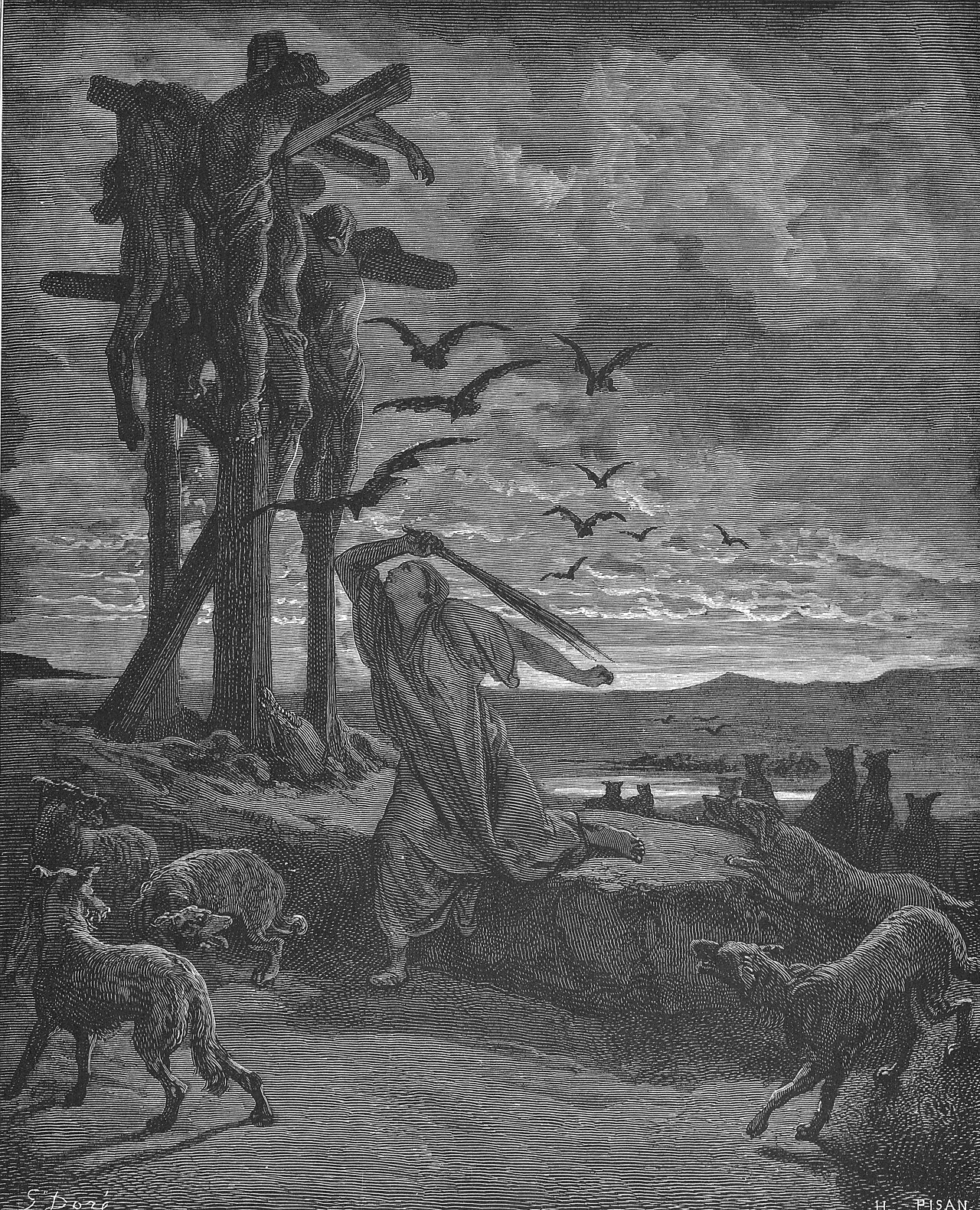
in 2 Samuel 21he went and took the bones of Saul and his son Jonathan from the men of Jabesh-gilead, who had stolen them from the public square of Beth-shan where the Philistines had hung the bodies after they had struck down Saul at Gilboa.
BSB
The same verse in ASV and KJV ▾
ASV
And David went and took the bones of Saul and the bones of Jonathan his son from the men of Jabesh-gilead, who had stolen them from the street of Beth-shan, where the Philistines had hanged them, in the day that the Philistines slew Saul in Gilboa;
KJV
And David went and took the bones of Saul and the bones of Jonathan his son from the men of Jabesh–gilead, which had stolen them from the street of Beth–shan, where the Philistines had hanged them, when the Philistines had slain Saul in Gilboa:
⋯
This verse in 2 Samuel 21
Commentary
4 notes on this verseAnd David went and took the bones of Saul, and the bones of Jonathan his son, from the men of Jabeshgilead,.... Which, according to Bunting (t), was fifty two miles from Jerusalem; though perhaps David did not go thither in person to fetch them, but by his messengers, see 2Sa 21:14, which had stolen them from the street of Bethshan, where the Philistines had hanged them, when the Philistines had slain Saul in Gilboa; the history of all which see in 1Sa 31:8. (t) Travels, &c. p. 122, 143.
This site's exposition
had slain Saul in Gilboa
on 2 Samuel 21:12-14
David finally does what Rizpah's vigil moved him to do, closing a debt owed since Saul's death: he sends for the bones the men of Jabesh-gilead had stolen from the wall of Beth-shan the night after Gilboa, an act of loyalty told in full at 1 Samuel 31:11-13. The bones of the seven who were hanged are gathered too, and all are buried together in the family tomb of Kish at Zelah, in Benjamin's own territory rather than left where the Gibeonites' justice had put them. Clarke notes David may have sent messengers rather than travel the distance himself, since Gill records the route at some fifty miles. The chapter's last clause closes the famine that opened it in one line, after that God was intreated for the land, the oath kept and the guilt answered.
The record, by era
The Nineteenth Century2 voices
Took the bones of Saul - The reader will recollect that the men of Jabesh-gilead burned the bodies of Saul and his sons, and buried the remaining bones under a tree at Jabesh. See 1Sa 31:12, 1Sa 31:13. These David might have digged up again, in order to bury them in the family sepulcher.
A commentator
Albert Barnes1798–1870
Notes, Explanatory and Practical, on the Old and New Testaments (1832-1869)
proposed
From the street of Beth-shan - This was the wide place just inside the gate of an Oriental city, bounded therefore by the city wall (compare the marginal reference). Here, as the place of concourse, the Philistines had fastened the bodies.
How the passage was read
What the Jewish commentators add
He took Shaul's bones. He [Dovid] was told concerning them, "Because of Shaul" 20 Earlier in:1. who was not eulogized according to halachah.
1 more on this passage, in their own words ▾
They gathered the bones. Of the seven people that were hung there. 21 In verse.
This section is reception history: how the passage was read and kept in the Jewish tradition. Where a reading parts from an essential of the Christian faith, the section says so at that point.
Texts and citation data: Sefaria; each excerpt follows its version’s licence. 3 further sources are cited on this chapter that carry no English text this site may quote or only restate the verse.
The words behind it
30 Hebrew wordsEvery Hebrew word of this verse in the order it stands, with what it means and the door to its own study. The last column counts the times a word stands in the whole Bible: the rarer the word, the more the places it appears belong together.
| Hebrew | Sound | Meaning | Word study | In the Bible |
|---|---|---|---|---|
| וַיֵּ֣לֶךְ | vaiyelekh | and he went | H1980 → | 1546 times |
| דָּוִ֗ד | david | David | H1732 → | 999 times |
| וַיִּקַּ֞ח | vaiyikach | and he took | H3947 → | 966 times |
| אֶת־ | ʾet- | <obj.> | H853 → | 10935 times |
| עַצְמ֤וֹת | atzmot | [the] bones of | H6106 → | 126 times |
| שָׁאוּל֙ | shaul | Saul | H7586 → | 402 times |
| וְאֶת־ | veet | and <obj.> | H853 → | 10935 times |
| עַצְמוֹת֙ | ʾatzmot | [the] bones of | H6106 → | 126 times |
| יְהוֹנָתָ֣ן | yehonatan | Jonathan | H3083 → | 81 times |
| בְּנ֔וֹ | beno | son his | H1121 → | 4930 times |
| מֵאֵ֕ת | meet | from with | H854 → | 929 times |
| בַּעֲלֵ֖י | baalei | [the] citizens of | H1167 → | 84 times |
| יָבֵ֣ישׁ | yaveish | Jabesh | H3003 → | 24 times |
| גִּלְעָ֑ד | gilad | Gilead | H1568 → | 134 times |
| אֲשֶׁר֩ | ʾasher | who | H834 → | 5497 times |
| גָּנְב֨וּ | ganevu | they had stolen | H1589 → | 40 times |
| אֹתָ֜ם | ʾotam | <obj.> them | H853 → | 10935 times |
| מֵרְחֹ֣ב | merecho | from [the] open square of | H7339 → | |
| בֵּֽית־ | beit- | Beth | H1052 → | |
| שַׁ֗ן | shan | Shan | H1052 → | |
| אֲשֶׁ֨ר | ʾasher | where | H834 → | 5497 times |
| תְּלָא֥וּם | telum | they had hung up them | H8511 → | |
| שָׁ֙מָּה֙ | shamh | there <towards> | H8033 → | 834 times |
| פְּלִשְׁתִּ֔ים | hapelishtim | [the] Philistines | H6430 → | 287 times |
| בְּי֨וֹם | beyom | on [the] day | H3117 → | 2304 times |
| הַכּ֧וֹת | hakot | struck down | H5221 → | 499 times |
| פְּלִשְׁתִּ֛ים | pelishtim | [the] Philistines | H6430 → | 287 times |
| אֶת־ | ʾet- | <obj.> | H853 → | 10935 times |
| שָׁא֖וּל | shaul | Saul | H7586 → | 402 times |
| בַּגִּלְבֹּֽעַ׃ | bagilboa' | on <the> Gilboa | H1533 → | 8 times |
וַיֵּ֣לֶךְand he went
vaiyelekhH1980 →1546 times
דָּוִ֗דDavid
davidH1732 →999 times
וַיִּקַּ֞חand he took
vaiyikachH3947 →966 times
אֶת־<obj.>
ʾet-H853 →10935 times
עַצְמ֤וֹת[the] bones of
atzmotH6106 →126 times
שָׁאוּל֙Saul
shaulH7586 →402 times
וְאֶת־and <obj.>
veetH853 →10935 times
עַצְמוֹת֙[the] bones of
ʾatzmotH6106 →126 times
יְהוֹנָתָ֣ןJonathan
yehonatanH3083 →81 times
בְּנ֔וֹson his
benoH1121 →4930 times
מֵאֵ֕תfrom with
meetH854 →929 times
בַּעֲלֵ֖י[the] citizens of
baaleiH1167 →84 times
יָבֵ֣ישׁJabesh
yaveishH3003 →24 times
גִּלְעָ֑דGilead
giladH1568 →134 times
אֲשֶׁר֩who
ʾasherH834 →5497 times
גָּנְב֨וּthey had stolen
ganevuH1589 →40 times
אֹתָ֜ם<obj.> them
ʾotamH853 →10935 times
מֵרְחֹ֣בfrom [the] open square of
merechoH7339 →
בֵּֽית־Beth
beit-H1052 →
שַׁ֗ןShan
shanH1052 →
אֲשֶׁ֨רwhere
ʾasherH834 →5497 times
תְּלָא֥וּםthey had hung up them
telumH8511 →
שָׁ֙מָּה֙there <towards>
shamhH8033 →834 times
פְּלִשְׁתִּ֔ים[the] Philistines
hapelishtimH6430 →287 times
בְּי֨וֹםon [the] day
beyomH3117 →2304 times
הַכּ֧וֹתstruck down
hakotH5221 →499 times
פְּלִשְׁתִּ֛ים[the] Philistines
pelishtimH6430 →287 times
אֶת־<obj.>
ʾet-H853 →10935 times
שָׁא֖וּלSaul
shaulH7586 →402 times
בַּגִּלְבֹּֽעַ׃on <the> Gilboa
bagilboa'H1533 →8 times
A shaded row is a word that stands 400 times or fewer in the Bible.
The walk
8 stopsEach card is a verse this one points to, and under it the verses that one points to in turn. Where several paths arrive at the same place, that place is listed first: the text keeps returning to it.
Through
1 Samuel 28:4The Philistines came together and camped at Shunem, while Saul gathered all Israel and camped at Gilboa.
it leads to
- 1 Samuel 31:1
Now the Philistines fought against Israel, and the men of Israel fled before them, and many fell slain on Mount Gilboa.
Reached by 2 separate paths from here.
- Joshua 19:18
Their territory included Jezreel, Chesulloth, Shunem,
- 1 Samuel 31:1
Through
Joshua 17:11Within Issachar and Asher, Manasseh was assigned Beth-shean, Ibleam, Dor (that is, Naphath), Endor, Taanach, and Megiddo, each with their surrounding settlements.
it leads to
- 1 Chronicles 7:29
And along the borders of Manasseh were Beth-shean, Taanach, Megiddo, and Dor, together with their villages. The descendants of Joseph son of Israel lived in these towns.
- Judges 5:19
Kings came and fought; then the kings of Canaan fought at Taanach by the waters of Megiddo, but they took no plunder of silver.
- 2 Kings 9:27
When King Ahaziah of Judah saw this, he fled up the road toward Beth-haggan. And Jehu pursued him, shouting, “Shoot him too!” So they shot Ahaziah in his chariot on the Ascent of Gur,…
- Joshua 12:23
the king of Dor in Naphath-dor, one; the king of Goiim in Gilgal, one;
- Judges 1:27
At that time Manasseh failed to drive out the inhabitants of Beth-shean, Taanach, Dor, Ibleam, Megiddo, and their villages; for the Canaanites were determined to dwell in that land.
- 1 Chronicles 7:29
Through
2 Samuel 1:21O mountains of Gilboa, may you have no dew or rain, no fields yielding offerings of grain. For there the shield of the mighty was defiled, the shield of Saul, no longer anointed with…
it leads to
- Isaiah 21:5
They prepare a table, they lay out a carpet, they eat, they drink! Rise up, O princes, oil the shields!
- Isaiah 21:5
Where this verse is studied
About 2 Samuel
Who and where
2 names in this verse with a page on the site.
- PersonUnited monarchySaulIsrael's first king, head and shoulders above the people; began in humility, ended in rejection — sparing what God devoted, consul…
- PersonEarly monarchyJonathanSon of King Saul who climbed a cliff to rout a garrison on the conviction that nothing restrains Jehovah; cut a covenant of steadf…
This page draws on Adam Clarke, Commentary on the Bible; Albert Barnes, Notes, Explanatory and Practical, on the Old and New Testaments (1832-1869); John Gill, Exposition of the Old Testament (1748-1763) and John Gill, Exposition of the Old Testament.