
1 Samuel 20:5
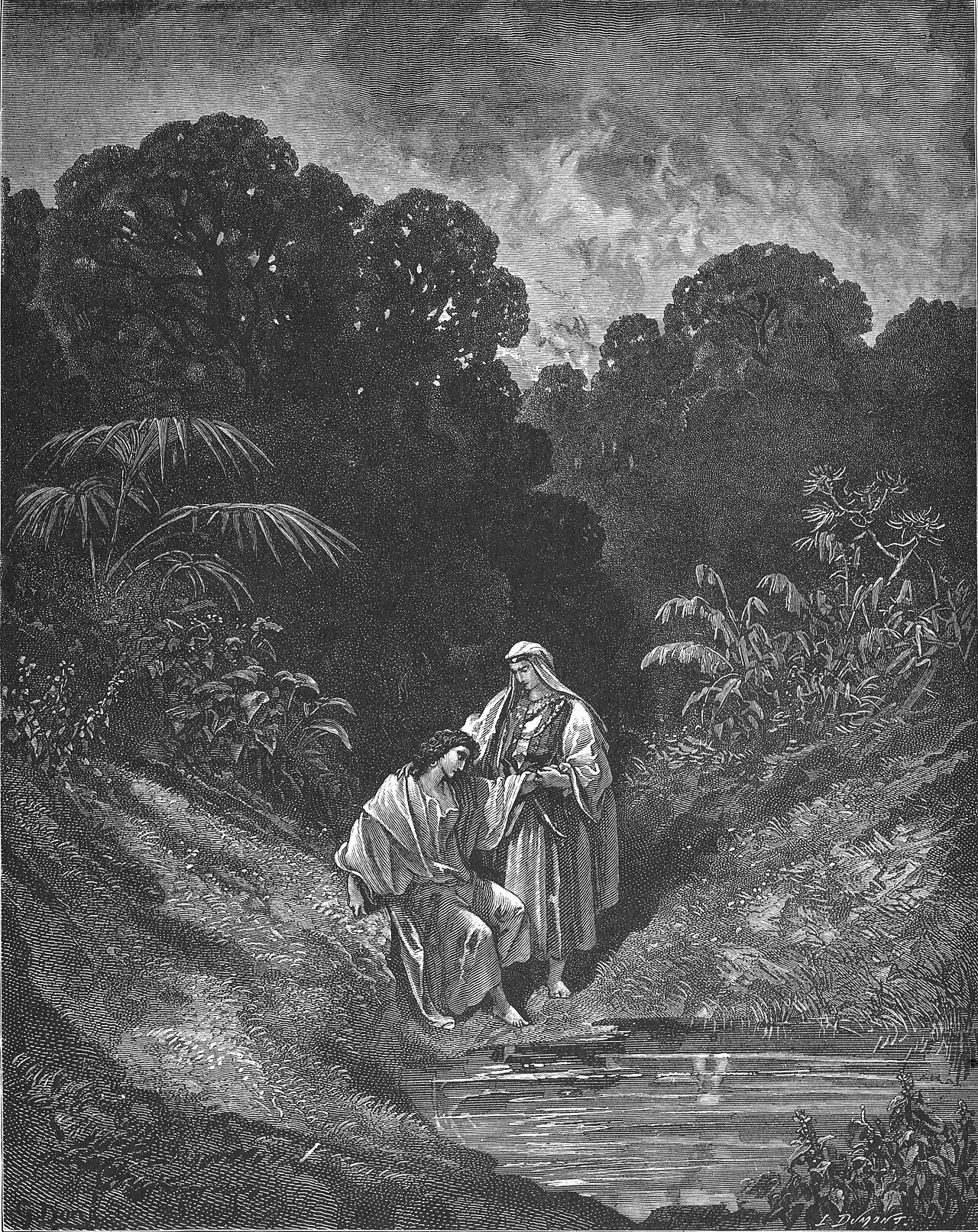
in 1 Samuel 20So David told him, “Look, tomorrow is the New Moon, and I am supposed to dine with the king. Instead, let me go and hide in the field until the third evening from now.
BSB
The same verse in ASV and KJV ▾
ASV
And David said unto Jonathan, Behold, to-morrow is the new moon, and I should not fail to sit with the king at meat: but let me go, that I may hide myself in the field unto the third day at even.
KJV
And David said unto Jonathan, Behold, to morrow is the new moon, and I should not fail to sit with the king at meat: but let me go, that I may hide myself in the field unto the third day at even.
⋯
This verse in 1 Samuel 20
Commentary
9 notes on this verseA commentator
Albert Barnes1798–1870
Notes, Explanatory and Practical, on the Old and New Testaments (1832-1869)
The new moon, or beginning of each month, was celebrated with especial sacrifices and blowing of trumpets (marginal references.) The feast was kept with great solemnity as “a day of gladness,” and we may presume that the “peace offerings” offered on the occasion furnished the tables of those that offered.
This site's exposition
Whatever you desire, I will do for you
on 1 Samuel 20:4-6
Jonathan's open promise, "Whatever you desire, I will do for you," becomes the shape of David's test: the New Moon meal the king kept publicly will show whether Saul still means to kill him. David's excuse, if missed, is "an annual sacrifice for his whole clan" at Bethlehem. An absence that draws anger rather than disappointment will answer David's question without a word spoken to Saul.
This site's exposition
tomorrow is the New Moon
Albert Barnes notes that the New Moon opened each month with special sacrifices and trumpets, and its peace offerings supplied the tables of those who offered them. David's seat at the king's table was expected. He asks to stay hidden until the third evening, covering both days of the feast.
The record, by era
The Medieval Church1 voice
And Jonathan said to him: Tomorrow is the New Moon, etc. The holy Scripture does not denote those unequal beginnings of the months, which the Romans have annually, twelve in number, but the new moons, which are called Neomenia by the Greeks; which the Hebrews …
The Puritans and the Awakening3 voices
Jonathan promises to give him intelligence, and confirms his friendship, ver. 9-23. He finds his father implacable, ver. 24-34. He gives David notice of it, in the manner they had agreed on, ver.
quarantine:anchor (2026-07-29) — cites-ver-9/24-anchored-1-5
And David said unto Jonathan,.... Moved that the following method might be taken as a trial of the disposition of Saul's mind towards David: behold, tomorrow is the new moon; the first day of the month, which was kept solemnly with burnt offerings and peace offerings, see Num 10:
Jonathan faithfully promises to get and give him intelligence how his father stood affected to him, and renews the covenant of friendship with him,
The Nineteenth Century1 voice
A commentator
Jamieson, Fausset & Brown1802–1910
Commentary Critical and Explanatory on the Whole Bible (1871)
proposed
David said unto Jonathan, Behold, to-morrow the new moon, and I should not fail to sit with the king at meat--The beginning of a new month or moon was always celebrated by special sacrifices, followed by feasting, at which the head of a family expected all its members to be present.
1 more voice on this verse
The Nineteenth Century1 voice
To-morrow is the new moon - The months of the Hebrews were lunar months, and they reckoned from new moon to new moon. And as their other feasts, particularly the passover, were reckoned according to this, they were very scrupulous in observing the first appearance of each new moon. On these new moons they offered sacrifices, and had a feast; as we learn from Num 10:10; Num 28:11. And we may suppose that the families, on such occasions, sacrificed and feasted together. To this David seems to refer; but the gathering together all the families of a whole tribe seems to have taken place only once in the year. There is a yearly sacrifice there for all the family, 1Sa 20:6.
The words behind it
19 Hebrew wordsEvery Hebrew word of this verse in the order it stands, with what it means and the door to its own study. The last column counts the times a word stands in the whole Bible: the rarer the word, the more the places it appears belong together.
| Hebrew | Sound | Meaning | Word study | In the Bible |
|---|---|---|---|---|
| וַיֹּ֨אמֶר | vaiyomer | and he said | H559 → | 5305 times |
| דָּוִ֜ד | david | David | H1732 → | 999 times |
| אֶל־ | ʾel- | to | H413 → | 5510 times |
| יְהוֹנָתָ֗ן | yehonatan | Jonathan | H3083 → | 81 times |
| הִֽנֵּה־ | hineh- | here! | H2009 → | 843 times |
| חֹ֙דֶשׁ֙ | chodesh | a new moon | H2320 → | 284 times |
| מָחָ֔ר | machar | [will be] tomorrow | H4279 → | 52 times |
| וְאָנֹכִ֛י | veanokhi | and I | H595 → | 359 times |
| יָשֹׁב־ | yashov- | certainly <to sit> | H3427 → | 1079 times |
| אֵשֵׁ֥ב | ʾeshev | I will sit | H3427 → | 1079 times |
| עִם־ | ʾim- | with | H5973 → | 1050 times |
| הַמֶּ֖לֶךְ | hamelekh | the king | H4428 → | 2525 times |
| לֶאֱכ֑וֹל | leekhol | to eat | H398 → | 810 times |
| וְשִׁלַּחְתַּ֙נִי֙ | veshilachtani | and you will let go me | H7971 → | 845 times |
| וְנִסְתַּרְתִּ֣י | venistarti | and I will hide myself | H5641 → | 80 times |
| בַשָּׂדֶ֔ה | vasadeh | in the field | H7704 → | 334 times |
| עַ֖ד | ʾad | until | H5704 → | 1261 times |
| הָעֶ֥רֶב | haerev | the evening | H6153 → | 134 times |
| הַשְּׁלִשִֽׁית׃ | hashelishit | <the> third | H7992 → | 107 times |
וַיֹּ֨אמֶרand he said
vaiyomerH559 →5305 times
דָּוִ֜דDavid
davidH1732 →999 times
אֶל־to
ʾel-H413 →5510 times
יְהוֹנָתָ֗ןJonathan
yehonatanH3083 →81 times
הִֽנֵּה־here!
hineh-H2009 →843 times
חֹ֙דֶשׁ֙a new moon
chodeshH2320 →284 times
מָחָ֔ר[will be] tomorrow
macharH4279 →52 times
וְאָנֹכִ֛יand I
veanokhiH595 →359 times
יָשֹׁב־certainly <to sit>
yashov-H3427 →1079 times
אֵשֵׁ֥בI will sit
ʾeshevH3427 →1079 times
עִם־with
ʾim-H5973 →1050 times
הַמֶּ֖לֶךְthe king
hamelekhH4428 →2525 times
לֶאֱכ֑וֹלto eat
leekholH398 →810 times
וְשִׁלַּחְתַּ֙נִי֙and you will let go me
veshilachtaniH7971 →845 times
וְנִסְתַּרְתִּ֣יand I will hide myself
venistartiH5641 →80 times
בַשָּׂדֶ֔הin the field
vasadehH7704 →334 times
עַ֖דuntil
ʾadH5704 →1261 times
הָעֶ֥רֶבthe evening
haerevH6153 →134 times
הַשְּׁלִשִֽׁית׃<the> third
hashelishitH7992 →107 times
A shaded row is a word that stands 400 times or fewer in the Bible.
The walk
8 stopsEach card is a verse this one points to, and under it the verses that one points to in turn. Where several paths arrive at the same place, that place is listed first: the text keeps returning to it.
Through
Psalms 81:3Sound the ram’s horn at the New Moon, and at the full moon on the day of our Feast.
it leads to
- 2 Chronicles 2:4
Behold, I am about to build a house for the Name of the LORD my God to dedicate to Him for burning fragrant incense before Him, for displaying the showbread continuously, and for making…
Reached by 2 separate paths from here.
- Numbers 15:3
and you present an offering made by fire to the LORD from the herd or flock to produce a pleasing aroma to the LORD—either a burnt offering or a sacrifice, for a special vow…
- Leviticus 23:24–25
“Speak to the Israelites and say, ‘On the first day of the seventh month you are to have a day of rest, a sacred assembly announced by trumpet blasts.
- 2 Chronicles 2:4
Through
Numbers 10:10And on your joyous occasions, your appointed feasts, and the beginning of each month, you are to blow the trumpets over your burnt offerings and fellowship offerings to serve as a reminder for you…
it leads to
- Psalms 81:3
Sound the ram’s horn at the New Moon, and at the full moon on the day of our Feast.
- Psalms 81:3
Through
Numbers 28:11At the beginning of every month, you are to present to the LORD a burnt offering of two young bulls, one ram, and seven male lambs a year old, all unblemished,
it leads to
- Numbers 10:10
And on your joyous occasions, your appointed feasts, and the beginning of each month, you are to blow the trumpets over your burnt offerings and fellowship offerings to serve as a reminder for you…
- Ezekiel 46:6
On the day of the New Moon he shall offer a young, unblemished bull, six lambs, and a ram without blemish.
- Numbers 10:10
Through
1 Samuel 20:6If your father misses me at all, tell him, ‘David urgently requested my permission to hurry to Bethlehem, his hometown, because there is an annual sacrifice for his whole clan.’
it leads to
- 1 Samuel 9:12
“Yes, he is ahead of you,” they answered. “Hurry now, for today he has come to the city because the people have a sacrifice on the high place.
- 1 Samuel 17:58
“Whose son are you, young man?” asked Saul. “I am the son of your servant Jesse of Bethlehem,” David replied.
- 1 Samuel 9:12
Where this verse is studied
On this page
About 1 Samuel
Who and where
1 name in this verse with a page on the site.
This page draws on Adam Clarke, Commentary on the Bible; Albert Barnes, Notes, Explanatory and Practical, on the Old and New Testaments (1832-1869); Bede, Commentary on Samuel; Jamieson, Fausset & Brown, Commentary Critical and Explanatory on the Whole Bible; John Gill, Exposition of the Old Testament; John Gill, Exposition of the Old Testament (1748-1763); John Wesley, Explanatory Notes upon the Old Testament and Matthew Henry, Commentary on the Whole Bible.