
1 Samuel 20:14
in 1 Samuel 20And as long as I live, treat me with the LORD’s loving devotion, that I may not die,
BSB
The same verse in ASV and KJV ▾
ASV
And thou shalt not only while yet I live show me the lovingkindness of Jehovah, that I die not;
KJV
And thou shalt not only while yet I live shew me the kindness of the Lord, that I die not:
⋯
This verse in 1 Samuel 20
Commentary
6 notes on this verseShow me the kindness of the Lord - When thou comest to the kingdom, if I am alive, thou shalt show kindness to me, and thou shalt continue that kindness to my family after me.
This site's exposition
treat me with the LORD’s loving devotion, that I may not die
on 1 Samuel 20:14-15
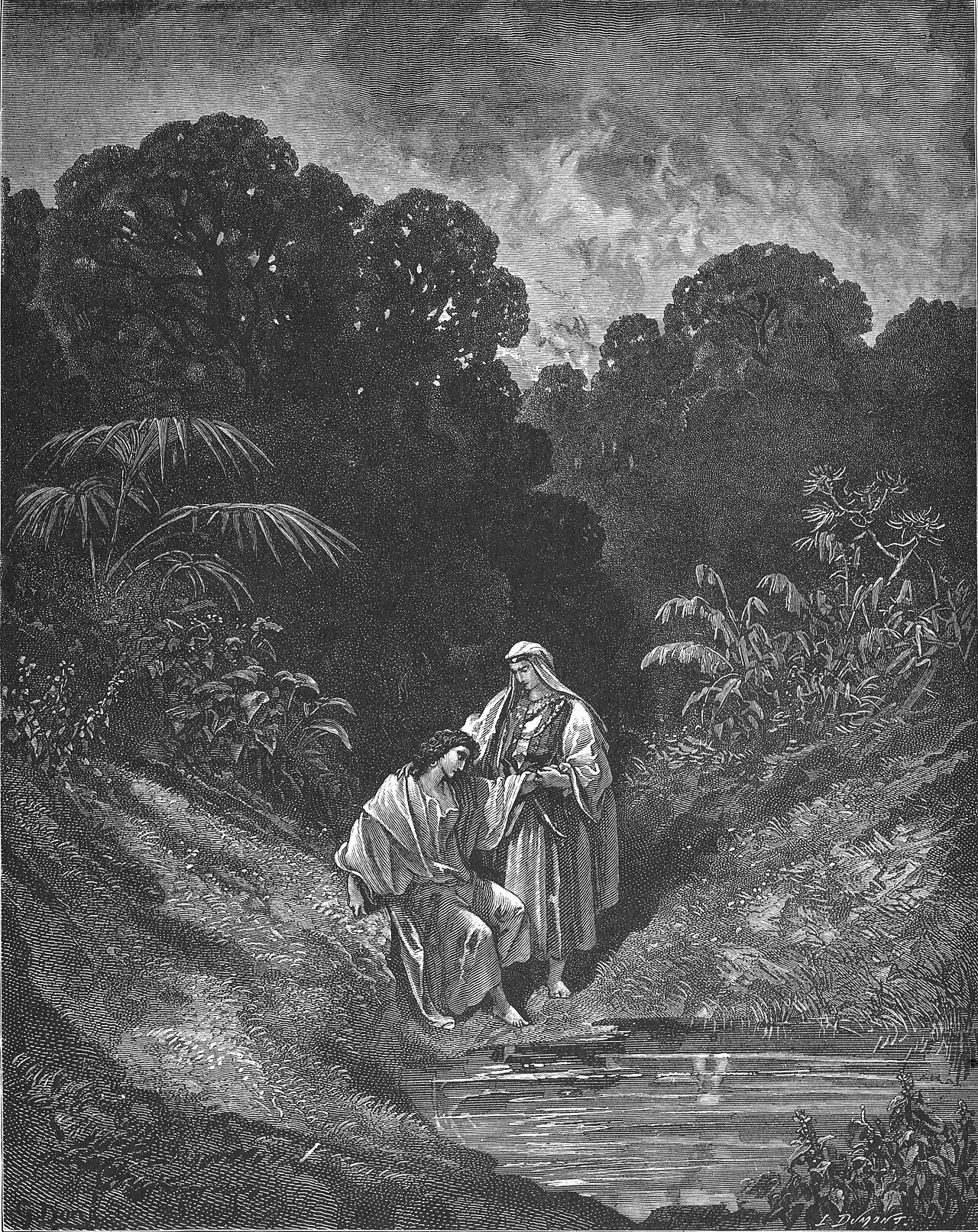
Jonathan asks first for himself, "treat me with the LORD’s loving devotion," then widens the request to his whole household, even when the LORD cuts off every one of David's enemies. The same word returns at 2 Samuel 9:3, where David asks whether any of Saul's house remains to receive God's kindness and finds Mephibosheth. Jonathan asks here for what David grants there, before David has any throne.
The record, by era
The Medieval Church1 voice
"If I live, you will show me the kindness of the Lord, etc." [1 Samuel 20:14] This, said by Jonathan to David, whom he lamented was being harassed by the unjust persecutions of his father: If I live, you will show me the kindness of …
The Puritans and the Awakening2 voices
I die not - That thou do not kill me or mine, as princes of another line use to kill the nearest relations of the former line, from whom the kingdom was translated to them. A covenant - The covenant which before was personal, he now extends to the whole house of David, expecting a reciprocal enlargement of it on David's side, which doubtless he obtained.
And thou shalt not only, while yet I live, show me the kindness of the Lord,....
The Nineteenth Century1 voice
A commentator
Albert Barnes1798–1870
Notes, Explanatory and Practical, on the Old and New Testaments (1832-1869)
proposed
The general meaning is: Jonathan had a presentiment, doubtless from God, that David would be established upon the throne. By God’s mercy he had the comfort, which he well deserved, of knowing that his own posterity would receive kindness at David’s hand (see the marginal references).
How the passage was read
What the Jewish commentators add
I will not [ask of you] if I still be alive. An expression of request, as in and if only [ וָלאׁ ] it will be given to your bondsman.' 8 II Melachim:17.
1 more on this passage, in their own words ▾
Not even when Adonoy cuts off. And also, you will not remove your kindness from them even when retribution befalls my father's house, for I know that God will cut off your enemies. 9 And being that my father’s family is included among your enemies, you will not kill them.
This section is reception history: how the passage was read and kept in the Jewish tradition. Where a reading parts from an essential of the Christian faith, the section says so at that point.
Texts and citation data: Sefaria; each excerpt follows its version’s licence. 5 further sources are cited on this chapter that carry no English text this site may quote or only restate the verse.
The words behind it
11 Hebrew wordsEvery Hebrew word of this verse in the order it stands, with what it means and the door to its own study. The last column counts the times a word stands in the whole Bible: the rarer the word, the more the places it appears belong together.
| Hebrew | Sound | Meaning | Word study | In the Bible |
|---|---|---|---|---|
| וְלֹ֖א | velo' | and not | H3808 → | 5168 times |
| אִם־ | ʾim- | if | H518 → | 1069 times |
| עוֹדֶ֣נִּי | odeni | still I | H5750 → | 490 times |
| חָ֑י | chai | [am] alive | H2416 → | 498 times |
| וְלֹֽא־ | velo'- | and not | H3808 → | 5168 times |
| תַעֲשֶׂ֧ה | taaseh | you will do | H6213 → | 2628 times |
| עִמָּדִ֛י | ʾimadi | with me | H5978 → | 42 times |
| חֶ֥סֶד | chesed | [the] covenant loyalty of | H2617 → | 247 times |
| יְהוָ֖ה | yahweh | Yahweh | H3068 → | 6520 times |
| וְלֹ֥א | velo' | and not | H3808 → | 5168 times |
| אָמֽוּת׃ | ʾamut | I will die | H4191 → | 839 times |
וְלֹ֖אand not
velo'H3808 →5168 times
אִם־if
ʾim-H518 →1069 times
עוֹדֶ֣נִּיstill I
odeniH5750 →490 times
חָ֑י[am] alive
chaiH2416 →498 times
וְלֹֽא־and not
velo'-H3808 →5168 times
תַעֲשֶׂ֧הyou will do
taasehH6213 →2628 times
עִמָּדִ֛יwith me
ʾimadiH5978 →42 times
חֶ֥סֶד[the] covenant loyalty of
chesedH2617 →247 times
יְהוָ֖הYahweh
yahwehH3068 →6520 times
וְלֹ֥אand not
velo'H3808 →5168 times
אָמֽוּת׃I will die
ʾamutH4191 →839 times
A shaded row is a word that stands 400 times or fewer in the Bible.
The walk
5 stopsEach card is a verse this one points to, and under it the verses that one points to in turn. Where several paths arrive at the same place, that place is listed first: the text keeps returning to it.
Through
2 Samuel 9:3So the king asked, “Is there anyone left of Saul’s family to whom I can show the kindness of God?” Ziba answered, “There is still Jonathan’s son, who is lame in both feet.”
it leads to
- 2 Samuel 4:4
And Jonathan son of Saul had a son who was lame in his feet. He was five years old when the report about Saul and Jonathan came from Jezreel. His nurse picked him up…
- Titus 3:3–4
For at one time we too were foolish, disobedient, misled, and enslaved to all sorts of desires and pleasures—living in malice and envy, being hated and hating one another.
- Deuteronomy 10:15
Yet the LORD has set His affection on your fathers and loved them. And He has chosen you, their descendants after them, above all the peoples, even to this day.
- Luke 6:36
Be merciful, just as your Father is merciful.
- 1 Samuel 20:14–17
And as long as I live, treat me with the LORD’s loving devotion, that I may not die,
- 2 Samuel 4:4
Where this verse is studied
On this page
About 1 Samuel
This page draws on Adam Clarke, Commentary on the Bible; Albert Barnes, Notes, Explanatory and Practical, on the Old and New Testaments (1832-1869); Bede, Questions on the Book of Kings #5; John Gill, Exposition of the Old Testament (1748-1763); John Wesley, Explanatory Notes upon the Old Testament and Keil and Delitzsch, Biblical Commentary on the Books of Samuel.