
Study
The featured studies
The studies in How We Got the Bible: the World It Came From, sorted by the kind of thing each one teaches.
Summary
How We Got the Bible: the World It Came From holds 16 of the site's 1993 featured studies, in 3 of the eleven kinds.
- 10 studies ask what a whole book of the Bible says from end to end.
- 5 studies ask what Scripture teaches on a subject, from its first text to its fullest.
- 1 study asks why Christians read the same texts differently.
The studies by kind
Books of the Bible
One study for each book, with the studies of how the Bible came to us and how its writers wrote. This is the place to begin a book from end to end.
10 studies, 4 as cards, 6 in the register
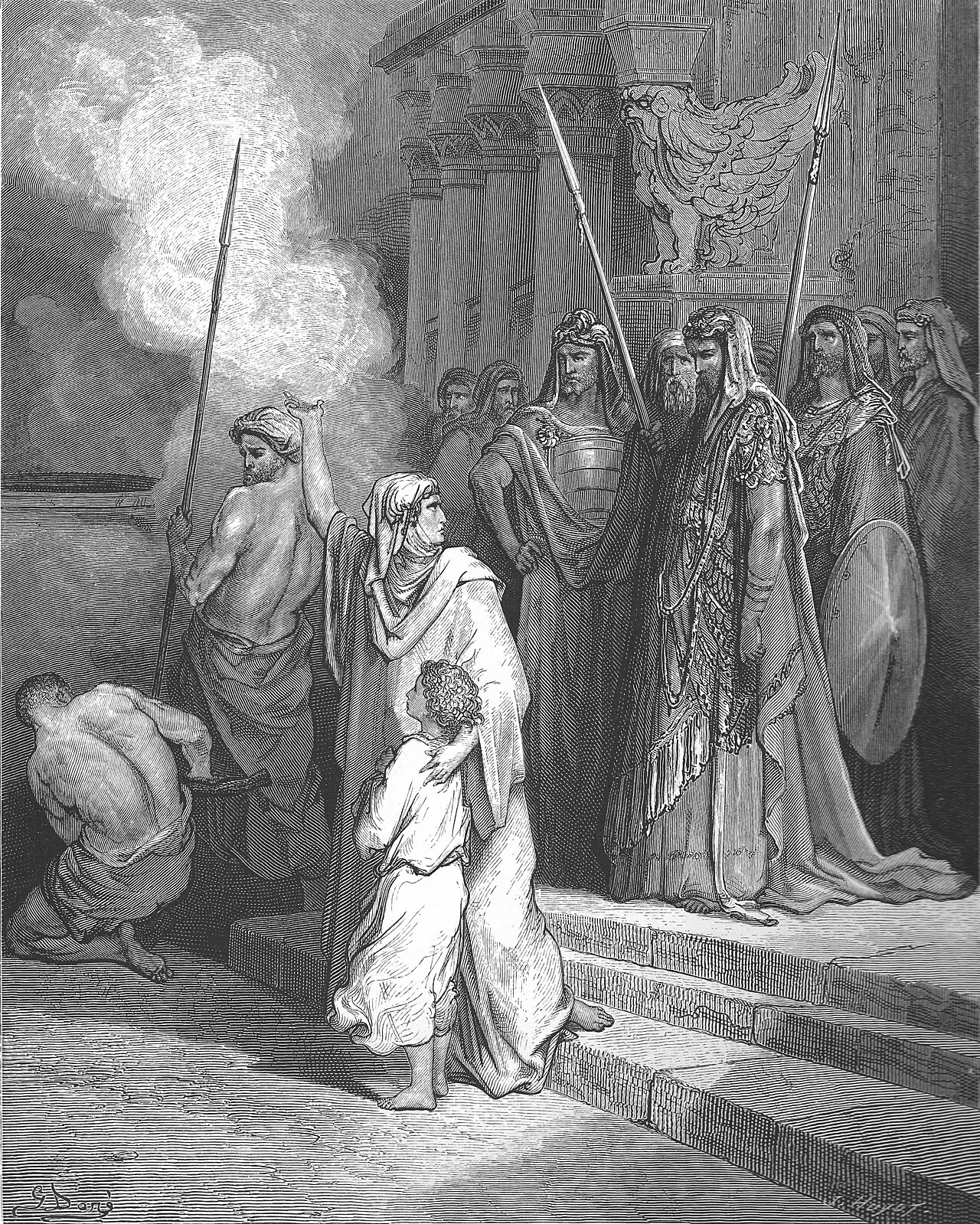 The Intertestamental PeriodThe 400 years between Malachi and Matthew, Alexander, Antiochus, the Maccabees, and Rome, setting the stage the New Testament opens on.
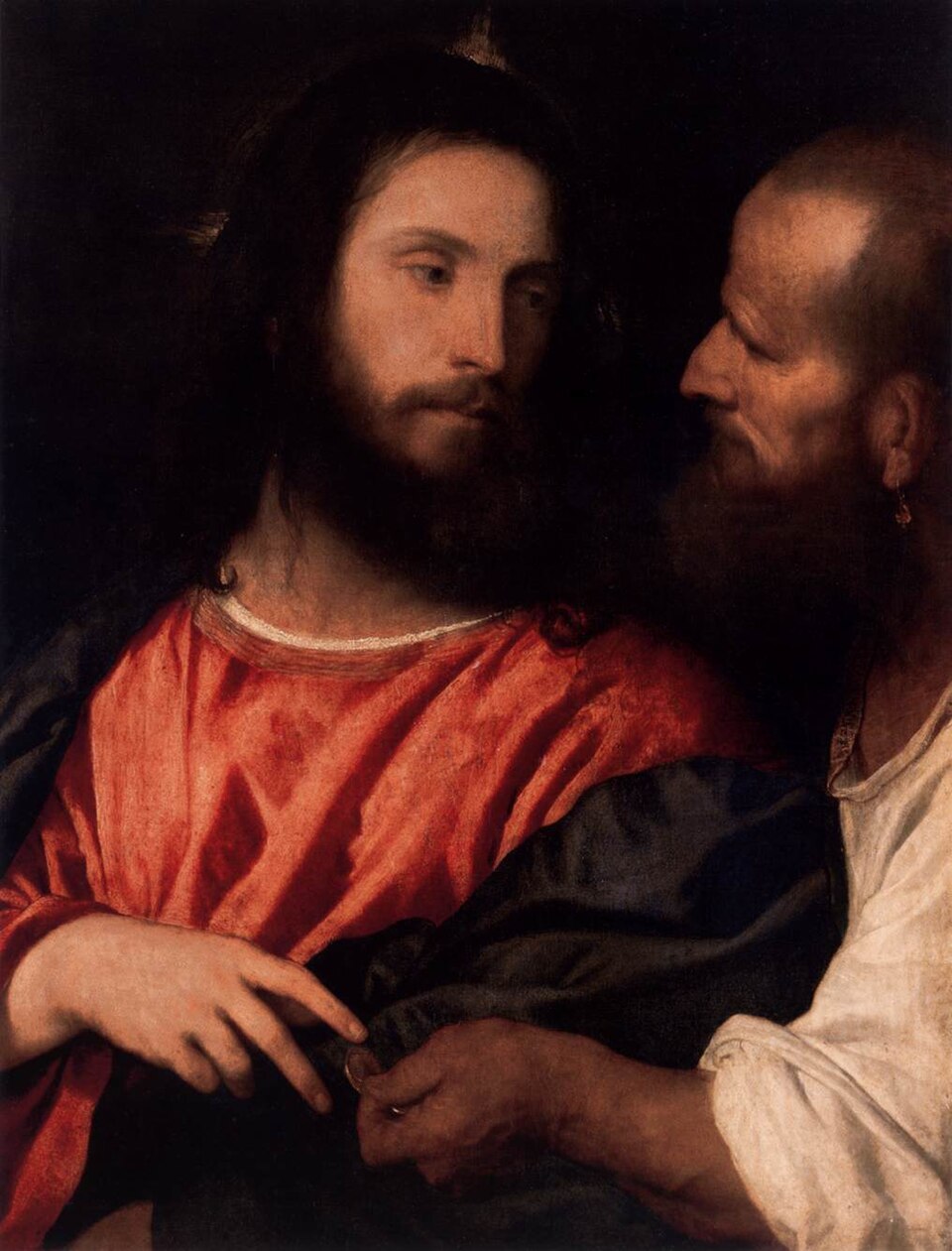 The Sects of Second Temple JudaismPharisees, Sadducees, Essenes, and Zealots: four answers to faithfulness under Rome, and where each one collided with Jesus.
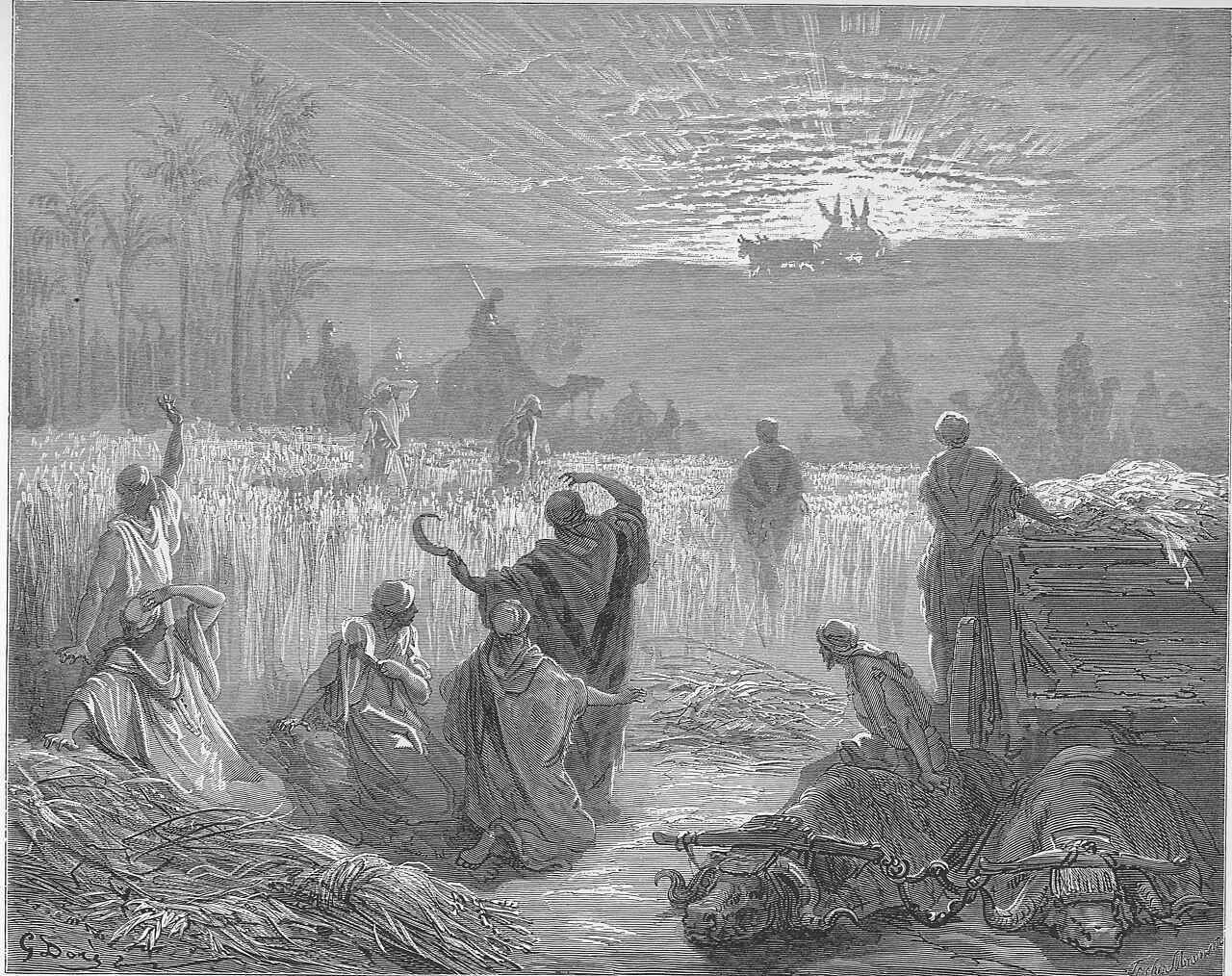 The Bible and the Ancient Near EastHammurabi, Gilgamesh, Enuma Elish and the Hittite treaty form set honestly beside Genesis, Exodus and Deuteronomy, what does a parallel actually prove?
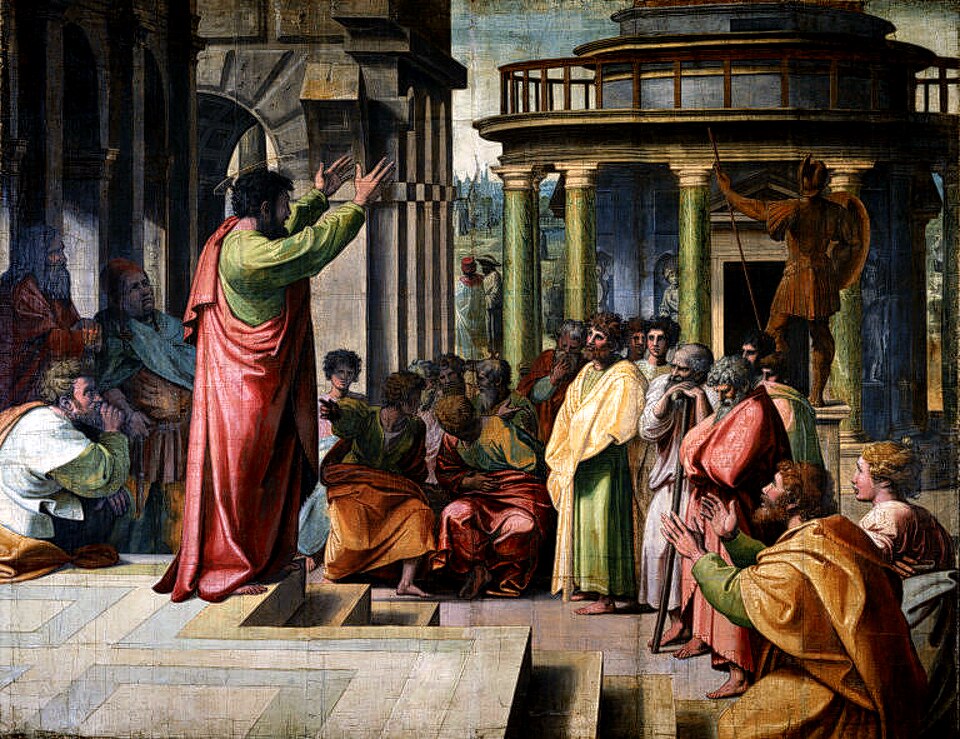 Paul and the PoetsThree occasions, four pagan lines: Epimenides quoted twice (Mars Hill and Crete), Aratus at Athens, Menander in Corinth, and what Paul's method licenses.
The register: 6 more studies of this kind
- 1 Enoch: The Book Jude Quotes1 Enoch is a five-book Jewish library that Jude quotes by name and Jesus appears to draw on when he answers the Sadducees on marriage and the resurrection.
- The Hebrew Calendar
- The Jewish Day and the Watches of the Night
- The Maccabean Revolt
- Weights, Measures, and Money in Scripture
- Who Decided the Canon?This page walks the timeline of how the biblical canon actually formed, from the counted Hebrew books through Jerome's line, the Reformers, Trent, Jerusalem, and Ethiopia, and shows what the four living lists share and where they differ.
What Scripture teaches on a subject, from its first text to its fullest. The traditions that formed the teaching are named.
5 studies, 0 as cards, 5 in the register
Questions Christians answer differently. Each study sets out the texts both sides read, the positions with their holders, and where this site's tradition lands.
1 study
Keep studying
On this page
People and groups1
The text itself3
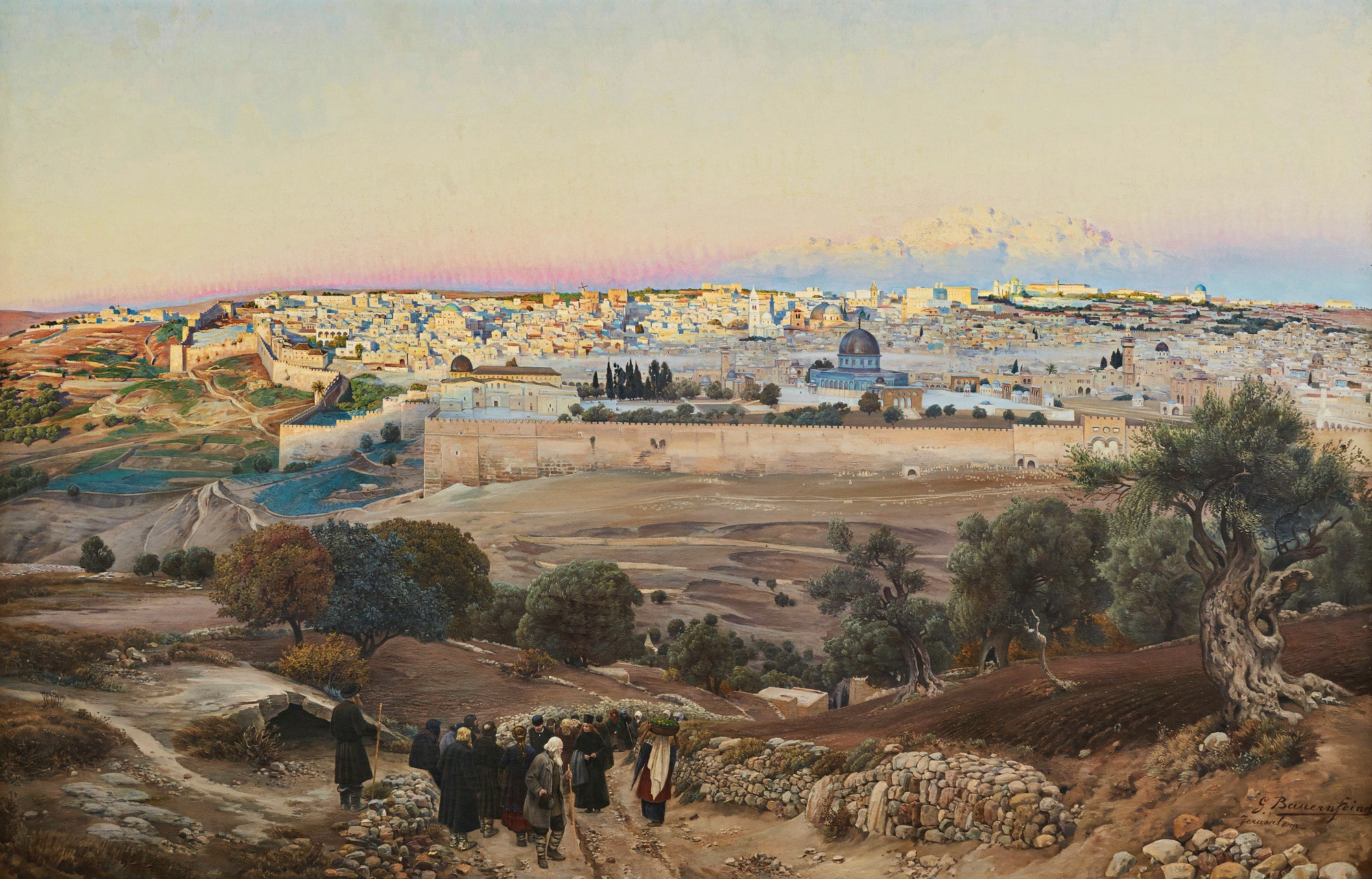
The roster is the site’s own build manifest, so no study can be missing from it. A study leads its kind when it carries a line of its own and more of the other studies link to it; a register row with no line of its own borrows the first sentence of the study’s own summary. The pictures are public domain: engravings by Gustave Doré from Doré’s English Bible(1866), and paintings held at Wikimedia Commons. Each is named in full on the study’s own page.