
Psalms 18:9
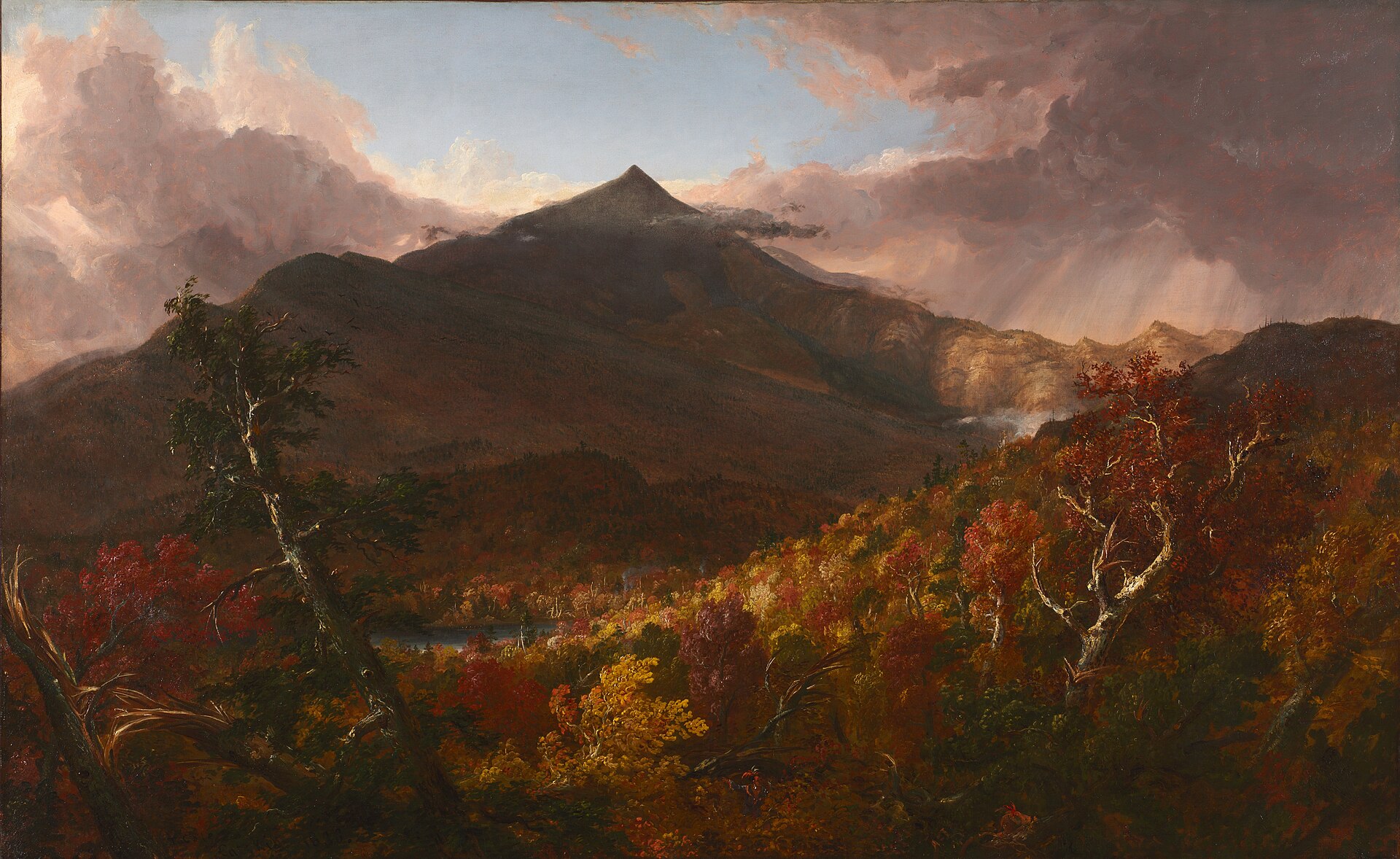
in Psalms 18He parted the heavens and came down with dark clouds beneath His feet.
BSB
The same verse in ASV and KJV ▾
ASV
He bowed the heavens also, and came down; And thick darkness was under his feet.
KJV
He bowed the heavens also, and came down: and darkness was under his feet.
⋯
This verse in Psalms 18
Commentary
13 notes on this verseBecause we are little and lowly and unable to lift ourselves up to him, the Lord stoops down to us and in his compassionate kindness deigns to hear us. In fact, because we are people and cannot become gods, God became man and inclined himself, as it is written: "He inclined the heavens and came down."
This site's exposition
the earth shook and quaked
on Psalms 18:7-9
This is a theophany, God appearing in the created world. The earth shook and quaked, the foundations of the mountains trembled, and the shaking came from His anger. Smoke rose from His nostrils, fire came from His mouth, and He came down with dark clouds under His feet.
This site's exposition
He parted the heavens and came down
God Himself now comes down into the storm. Albert Barnes pictured a tempest with clouds so low that the heavens seemed brought nearer the earth. Matthew Henry noted that God came in person, as one afflicted in the afflictions of His people.
The record, by era
The Church Fathers1 voice
"And He bowed the heaven, and came down" [Psalm 18:9]. And He humbled the just One, that He might descend to men's infirmity. "And darkness under His feet." And the ungodly, who savour of things earthly, in the darkness of their own malice, knew not Him: for the earth under His feet is as it were His footstool.
The Medieval Church1 voice
"He inclined." Here he treats of the winds. Note that the matter of wind is a dry vapor or exhalation that is heated but not so refined that it can ascend to the highest place, nor so heated; hence it is impeded by the cold, …
The Puritans and the Awakening2 voices
), did not send an angel, but came himself, as one afflicted in the afflictions of his people. (5.) He wrapped himself in darkness, and yet commanded light to shine out of darkness for his people, Isa. xlv. He is a God that hideth himself; for he made darkness his pavilion,
quarantine:debris (2026-07-29) — leading-punctuation+unbalanced-parens
He bowed the heavens also, and came down,....
The Nineteenth Century1 voice
Amid the terror of the storm Jehovah the Avenger descended, bending beneath his foot the arch of heaven. " "He bowed the heavens also, and came down." He came in haste, and spurned everything which impeded his rapidity. The thickest gloom concealed his splendour, "and darkness was under his feet;"he fought within the dense vapours, as a warrior in clouds of smoke and dust, and found out the hearts of his enemies with the sharp falchion of his vengeance. Darkness is no impediment to God; its densest gloom he makes his tent and secret pavilion.
5 more voices on this verse
The Nineteenth Century5 voices
In most poetical language the Psalmist now describes his experience of Jehovah's delivering power. Poesy has in all her treasures no gem more lustrous than the sonnet of the following verses; the sorrow, the cry, the descent of the Divine One, and the rescue of the afflicted, are here set to a music worthy of the golden harps.
In most poetical language the Psalmist now describes his experience of Jehovah's delivering power. Poesy has in all her treasures no gem more lustrous than the sonnet of the following verses; the sorrow, the cry, the descent of the Divine One, and the rescue of the afflicted, are here set to a music worthy of the golden harps. The Messiah our Saviour is evidently, over and beyond David or any other believer, the main and chief subject of this song; and while studying it we have grown more and more sure that every line here has its deepest and profoundest fulfilment in Him; but as we are desirous not to extend our comment beyond moderate bounds, we must leave it with the devout reader to make the very easy application of the passage to our once distressed but now triumphant Lord.
Amid the terror of the storm Jehovah the Avenger descended, bending beneath his foot the arch of heaven. " "He bowed the heavens also, and came down." He came in haste, and spurned everything which impeded his rapidity. The thickest gloom concealed his splendour, "and darkness was under his feet;"he fought within the dense vapours, as a warrior in clouds of smoke and dust, and found out the hearts of his enemies with the sharp falchion of his vengeance. Darkness is no impediment to God; its densest gloom he makes his tent and secret pavilion. See how prayer moves earth and heaven, and raises storms to overthrow in a moment the foes of God's Israel. Things were bad for David before he prayed, but they were much worse for his foes so soon as the petition had gone up to heaven. A trustful heart, by enlisting the divine aid, turns the tables on its enemies. If I must have an enemy let him not be a man of prayer, or he will soon get the better of me by calling in his God into the quarrel.
He bowed the heavens also, and came down - He made the heavens bend under him when he descended to take vengeance on his enemies. The psalmist seems here to express the appearance of the Divine majesty in a glorious cloud, descending from heaven, which underneath was substantially dark, but above, bright, and shining with exceeding lustre; and which, by its gradual approach to the earth, would appear as though the heavens themselves were bending down and approaching towards us.
A commentator
Albert Barnes1798–1870
Notes, Explanatory and Practical, on the Old and New Testaments (1832-1869)
proposed
He bowed the heavens also - He seemed to bend down the heavens - to bring them nearer to the earth. “He inclines the canopy of the heavens, as it were, toward the earth; wraps himself in the darkness of night, and shoots forth his arrows; hurls abroad his lightnings, and wings them with speed.” Herder, Spirit of Hebrew Poetry (Marsh), ii. 157. The allusion is still to the tempest, when the clouds ran low; when they seem to sweep along the ground; when it appears as if the heavens were brought nearer to the earth - as if, to use a common expression, “the heavens and earth were coming together.” And came down - God himself seemed to descend in the fury of the storm. And darkness was under his feet - A dark cloud; or, the darkness caused by thick clouds. Compare Nah 1:3, “The Lord hath his way in the whirlwind and in the storm, and the clouds are the dust of his feet.” Deu 4:11, “the mountain burned ... with thick darkness.” Deu 5:22, “these words the Lord spake out of the thick darkness.” Psa 97:2, “clouds and darkness are round about him.” The idea here is that of awful majesty and power, as we are nowhere more forcibly impressed with the idea of majesty and power than in the fury of a storm.
How the passage was read
What the Jewish commentators add
On the verses either side of this one
And He bent the heavens, and He came down to pass through the land of Egypt. “He came down” is to be understood in its simple meaning. Another explanation is “i atonvit” in Old French, to flatten, as (in Exod.:3), and the radical is רדד.
This section is reception history: how the passage was read and kept in the Jewish tradition. Where a reading parts from an essential of the Christian faith, the section says so at that point.
Texts and citation data: Sefaria; each excerpt follows its version’s licence. 4 further sources are cited on this chapter that carry no English text this site may quote or only restate the verse.
The words behind it
6 Hebrew wordsEvery Hebrew word of this verse in the order it stands, with what it means and the door to its own study. The last column counts the times a word stands in the whole Bible: the rarer the word, the more the places it appears belong together.
| Hebrew | Sound | Meaning | Word study | In the Bible |
|---|---|---|---|---|
| וַיֵּ֣ט | vaiyet | and he bent down | H5186 → | 214 times |
| שָׁ֭מַיִם | shamayim | [the] heavens | H8064 → | 421 times |
| וַיֵּרַ֑ד | vaiyerad | and he came down | H3381 → | 381 times |
| וַ֝עֲרָפֶ֗ל | vaarafel | and thick darkness | H6205 → | |
| תַּ֣חַת | tachat | [was] under | H8478 → | 505 times |
| רַגְלָֽיו׃ | raglav | feet his | H7272 → | 247 times |
וַיֵּ֣טand he bent down
vaiyetH5186 →214 times
שָׁ֭מַיִם[the] heavens
shamayimH8064 →421 times
וַיֵּרַ֑דand he came down
vaiyeradH3381 →381 times
וַ֝עֲרָפֶ֗לand thick darkness
vaarafelH6205 →
תַּ֣חַת[was] under
tachatH8478 →505 times
רַגְלָֽיו׃feet his
raglavH7272 →247 times
A shaded row is a word that stands 400 times or fewer in the Bible.
The walk
8 stopsEach card is a verse this one points to, and under it the verses that one points to in turn. Where several paths arrive at the same place, that place is listed first: the text keeps returning to it.
Through
2 Peter 3:10But the Day of the Lord will come like a thief. The heavens will disappear with a roar, the elements will be destroyed by fire, and the earth and its works will be laid…
it leads to
- Revelation 21:1
Then I saw a new heaven and a new earth, for the first heaven and earth had passed away, and the sea was no more.
- Matthew 24:35
Heaven and earth will pass away, but My words will never pass away.
- 2 Peter 3:7
And by that same word, the present heavens and earth are reserved for fire, being kept for the day of judgment and destruction of ungodly men.
- Revelation 16:15
“Behold, I am coming like a thief. Blessed is the one who remains awake and clothed, so that he will not go naked and let his shame be exposed.”
- Isaiah 51:6
Lift up your eyes to the heavens, and look at the earth below; for the heavens will vanish like smoke, the earth will wear out like a garment, and its people will die like…
- Revelation 21:1
Through
Mark 15:33From the sixth hour until the ninth hour darkness came over all the land.
it leads to
- Matthew 27:45
From the sixth hour until the ninth hour darkness came over all the land.
- Luke 23:44–45
It was now about the sixth hour, and darkness came over all the land until the ninth hour.
- Amos 8:9–10
And in that day, declares the Lord GOD, I will make the sun go down at noon, and I will darken the earth in the daytime.
- Matthew 27:45
Where this verse is studied
About Psalms
This page draws on 11 works. Open the list of works
This page draws on Adam Clarke, Commentary on the Bible; Albert Barnes, Notes, Explanatory and Practical, on the Old and New Testaments; Albert Barnes, Notes, Explanatory and Practical, on the Old and New Testaments (1832-1869); Augustine of Hippo, Exposition on Psalm 18; Charles Spurgeon, The Treasury of David; Charles Spurgeon, The Treasury of David, Vol. 1; Franz Delitzsch, Biblical Commentary on the Psalms; Jerome, HOMILY ON PSALM 114(116a); John Gill, Exposition of the Old Testament (1748-1763); Matthew Henry, Commentary on the Whole Bible and Thomas Aquinas, Exposition on the Psalms of David.