
Psalms 18:7
in Psalms 18Then the earth shook and quaked, and the foundations of the mountains trembled; they were shaken because He burned with anger.
BSB
The same verse in ASV and KJV ▾
ASV
Then the earth shook and trembled; The foundations also of the mountains quaked And were shaken, because he was wroth.
KJV
Then the earth shook and trembled; the foundations also of the hills moved and were shaken, because he was wroth.
⋯
This verse in Psalms 18
Commentary
13 notes on this verseWhen the Son of God journeyed on the earth in the time of his incarnation, whoever worshiped the natural elements of this earth were shaken and trembled, and everywhere his reputation became familiar to the ears of Greeks and barbarians; and truly those things he called the foundations of the mountains have trembled and quaked.… The mountains were all the lofty thoughts that were directed against the knowledge of God, namely, certain adversarial powers that through the long span of the ages had led all who dwelled on the earth into error and the worship of multiple gods.
This site's exposition
the earth shook and quaked
on Psalms 18:7-9
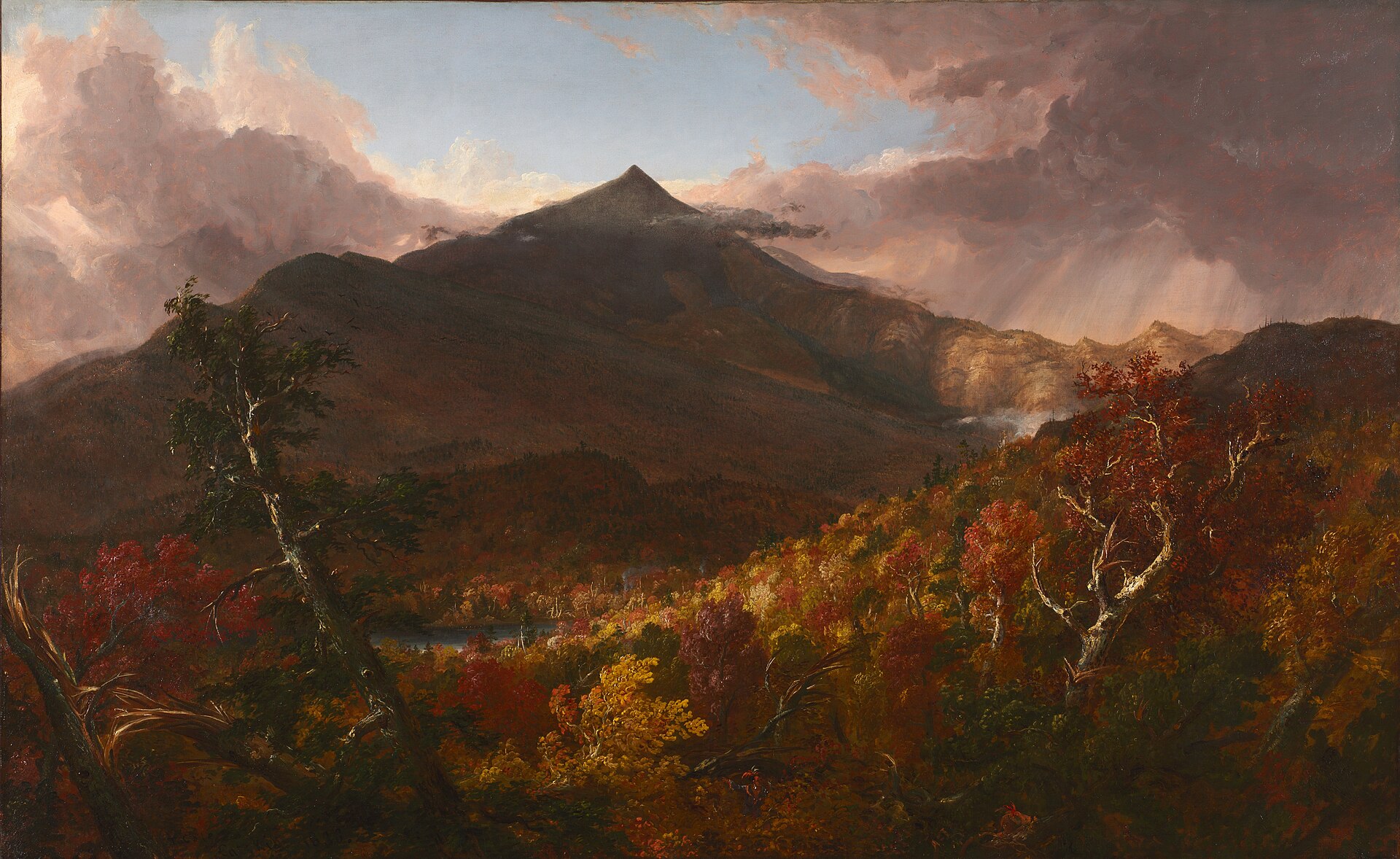
This is a theophany, God appearing in the created world. The earth shook and quaked, the foundations of the mountains trembled, and the shaking came from His anger. Smoke rose from His nostrils, fire came from His mouth, and He came down with dark clouds under His feet.
The record, by era
The Church Fathers2 voices
"And the earth was moved and trembled" [Psalm 18:7]. When the Son of Man was thus glorified, sinners were moved and trembled. "And the foundations of the mountains were troubled." And the hopes of the proud, which were in this life, were troubled. "And were moved, for God was angry with them." That is, that the hope of temporal goods might have now no more establishment in the hearts of men.
The effect of God's hearkening and being moved to wrath was that everything together was reduced to alarm and confusion, their common master being enraged.
The Medieval Church1 voice
"It was moved." Above the Psalmist treated the affection conceived from the benefits of deliverance; here he treats the power of the deliverer. The power of an agent is shown from the agent's effect; and the things said here can pertain to a twofold effect …
The Puritans and the Awakening2 voices
), as of old at Mount Sinai. When the men of the earth were struck with fear, then the earth might be said to tremble; when the great men of the earth were put into confusion, then the hills moved. (2.) He showed his anger and displeasure against the enemies and persecutors of his people: He was wroth,
quarantine:debris (2026-07-29) — leading-punctuation+unbalanced-parens
Then the earth shook and trembled,....
6 more voices on this verse
The Nineteenth Century6 voices
There was no great space between the cry and its answer. The Lord is not slack concerning his promise, but is swift to rescue his afflicted. David has in his mind's eye the glorious manifestations of God in Egypt, at Sinai, and on different occasions to Joshua and the judges; and he considers that his own case exhibits the same glory of power and goodness, and that, therefore, he may accommodate the descriptions of former displays of the divine majesty into his hymn of praise. "Then the earth shook and trembled."
In most poetical language the Psalmist now describes his experience of Jehovah's delivering power. Poesy has in all her treasures no gem more lustrous than the sonnet of the following verses; the sorrow, the cry, the descent of the Divine One, and the rescue of the afflicted, are here set to a music worthy of the golden harps.
In most poetical language the Psalmist now describes his experience of Jehovah's delivering power. Poesy has in all her treasures no gem more lustrous than the sonnet of the following verses; the sorrow, the cry, the descent of the Divine One, and the rescue of the afflicted, are here set to a music worthy of the golden harps. The Messiah our Saviour is evidently, over and beyond David or any other believer, the main and chief subject of this song; and while studying it we have grown more and more sure that every line here has its deepest and profoundest fulfilment in Him; but as we are desirous not to extend our comment beyond moderate bounds, we must leave it with the devout reader to make the very easy application of the passage to our once distressed but now triumphant Lord.
There was no great space between the cry and its answer. The Lord is not slack concerning his promise, but is swift to rescue his afflicted. David has in his mind's eye the glorious manifestations of God in Egypt, at Sinai, and on different occasions to Joshua and the judges; and he considers that his own case exhibits the same glory of power and goodness, and that, therefore, he may accommodate the descriptions of former displays of the divine majesty into his hymn of praise. "Then the earth shook and trembled." Observe how the most solid and immovable things feel the force of supplication. Prayer has shaken houses, opened prison doors, and made stout hearts to quail. Prayer rings the alarm bell, and the Master of the house arises to the rescue, shaking all things beneath his tread. "The foundations also of the hills moved and were shaken, because of his wrath." He who fixed the world's pillars can make them rock in their sockets, and can upheave the corner-stones of creation. The huge roots of the towering mountains are torn up when the Lord bestirs himself in anger to smite the enemies of his people. How shall puny man be able to face it out with God when the very mountains quake with fear? Let not the boaster dream that his present false confidence will support him in the dread day of wrath.
Then the earth shook and trembled - “In this and the following verses David describes, by the sublimest expressions and grandest terms, the majesty of God, and the awful manner in which he came to his assistance. The representation of the storm in these verses must be allowed by all skillful and impartial judges to be truly sublime and noble, and in the genuine spirit of poetry. The majesty of God, and the manner in which he is represented as coming to the aid of his favourite king, surrounded with all the powers of nature as his attendants and ministers, and arming (as it were) heaven and earth to fight his battles, and execute his vengeance, is described in the loftiest and most striking terms. The shaking of the earth; the trembling of the mountains and pillars of heaven; the smoke that drove out of his nostrils; the flames of devouring fire that flashed from his mouth; the heavens bending down to convey him to the battle; his riding upon a cherub, and rapidly flying on the wings of a whirlwind; his concealing his majesty in the thick clouds of heaven; the bursting of the lightnings from the horrid darkness; the uttering of his voice in peals of thunder; the storm of fiery hail; the melting of the heavens, and their dissolving into floods of tempestuous rain; the cleaving of the earth, and disclosing of the bottom of the hills, and the subterraneous channels or torrents of water, by the very breath of the nostrils of the Almighty; are all of them circumstances which create admiration, excite a kind of horror, and exceed every thing of this nature that is to be found in any of the remains of heathen antiquity. See Longinus on the Sublime, sec. […]
A commentator
Albert Barnes1798–1870
Notes, Explanatory and Practical, on the Old and New Testaments (1832-1869)
proposed
Then the earth shook and trembled - The description which follows here is one of the most sublime that is to be found in any language. It is taken from the fury of the storm and tempest, when all the elements are in commotion; when God seems to go forth in the greatness of his majesty and the terror of his power, to prostrate everything before him. We are not to regard this as descriptive of anything which literally occurred, but rather as expressive of the fact of the divine interposition, as if he thus came forth in the greatness of his power. There is no improbability indeed in supposing that in some of the dangerous periods of David’s life, when surrounded by enemies, or even when in the midst of a battle, a furious tempest may have occurred that seemed to be a special divine interposition in his behalf, but we have no distinct record of such an event, and it is not necessary to suppose that such an event occurred in order to a correct understanding of the passage. All that is needful is to regard this as a representation of the mighty interposition of God; to suppose that his intervention was as direct, as manifest, and as sublime, as if he had thus interposed. There are frequent references in the Scriptures to such storms and tempests as illustrative of the majesty, the power, and the glory of God, and of the manner in which he interposes on behalf of his people. See Psa 144:5-7; Psa 46:6-8; Psa 29:1-11; Job 37:21-24; Job 38:1; Nah 1:3; and particularly Hab 3:3-16. The description in Habakkuk strongly resembles the passage before us, and both were drawn doubtless from an actual observation of the fury of a tempest. The foundations also of the hills moved - The mountains seemed to rock on their foundations. […]
The words behind it
10 Hebrew wordsEvery Hebrew word of this verse in the order it stands, with what it means and the door to its own study. The last column counts the times a word stands in the whole Bible: the rarer the word, the more the places it appears belong together.
| Hebrew | Sound | Meaning | Word study | In the Bible |
|---|---|---|---|---|
| וַתִּגְעַ֬שׁ | vatigash | and it shook | H1607 → | |
| וַתִּרְעַ֨שׁ׀ | vatirash | and it quaked | H7493 → | 30 times |
| הָאָ֗רֶץ | haaretz | the earth | H776 → | 2504 times |
| וּמוֹסְדֵ֣י | umosdei | and [the] foundations of | H4144 → | |
| הָרִ֣ים | harim | [the] mountains | H2022 → | 546 times |
| יִרְגָּ֑זוּ | yirgazu | they trembled | H7264 → | 41 times |
| וַ֝יִּתְגָּֽעֲשׁ֗וּ | vaiyitgaashu | and they shook back and forth | H1607 → | |
| כִּי־ | ki- | for | H3588 → | 4482 times |
| חָ֥רָה | charah | it burned | H2734 → | 91 times |
| לֽוֹ׃ | lo | to him |
וַתִּגְעַ֬שׁand it shook
vatigashH1607 →
וַתִּרְעַ֨שׁ׀and it quaked
vatirashH7493 →30 times
הָאָ֗רֶץthe earth
haaretzH776 →2504 times
וּמוֹסְדֵ֣יand [the] foundations of
umosdeiH4144 →
הָרִ֣ים[the] mountains
harimH2022 →546 times
יִרְגָּ֑זוּthey trembled
yirgazuH7264 →41 times
וַ֝יִּתְגָּֽעֲשׁ֗וּand they shook back and forth
vaiyitgaashuH1607 →
כִּי־for
ki-H3588 →4482 times
חָ֥רָהit burned
charahH2734 →91 times
לֽוֹ׃to him
lo
A shaded row is a word that stands 400 times or fewer in the Bible.
The walk
8 stopsEach card is a verse this one points to, and under it the verses that one points to in turn. Where several paths arrive at the same place, that place is listed first: the text keeps returning to it.
Through
Acts 4:31After they had prayed, their meeting place was shaken, and they were all filled with the Holy Spirit and spoke the word of God boldly.
it leads to
- Matthew 21:22
If you believe, you will receive whatever you ask for in prayer.”
- Acts 2:4
And they were all filled with the Holy Spirit and began to speak in other tongues as the Spirit enabled them.
- Isaiah 65:24
Even before they call, I will answer, and while they are still speaking, I will hear.
- Acts 2:2
Suddenly a sound like a mighty rushing wind came from heaven and filled the whole house where they were sitting.
- Acts 16:25–26
About midnight Paul and Silas were praying and singing hymns to God, and the other prisoners were listening to them.
- Matthew 21:22
Through
Judges 5:4O LORD, when You went out from Seir, when You marched from the land of Edom, the earth trembled, the heavens poured out rain, and the clouds poured down water.
it leads to
- Deuteronomy 33:2
He said: “The LORD came from Sinai and dawned upon us from Seir; He shone forth from Mount Paran and came with myriads of holy ones, with flaming fire at His right hand.
- Psalms 77:17
The clouds poured down water; the skies resounded with thunder; Your arrows flashed back and forth.
- Deuteronomy 33:2
Through
Jeremiah 4:24I looked at the mountains, and behold, they were quaking; all the hills were swaying.
it leads to
- Ezekiel 38:20
The fish of the sea, the birds of the air, the beasts of the field, every creature that crawls upon the ground, and all mankind on the face of the earth will tremble at…
- Ezekiel 38:20
Where this verse is studied
About Psalms
This page draws on 11 works. Open the list of works
This page draws on Adam Clarke, Commentary on the Bible; Albert Barnes, Notes, Explanatory and Practical, on the Old and New Testaments (1832-1869); Augustine of Hippo, Exposition on Psalm 18; Charles Spurgeon, The Treasury of David; Charles Spurgeon, The Treasury of David, Vol. 1; Diodorus of Tarsus, COMMENTARY ON PSALM 18; Eusebius of Caesarea, COMMENTARY ON PSALMS 18:8; Franz Delitzsch, Biblical Commentary on the Psalms; John Gill, Exposition of the Old Testament (1748-1763); Matthew Henry, Commentary on the Whole Bible and Thomas Aquinas, Exposition on the Psalms of David.