
Psalms 18:13
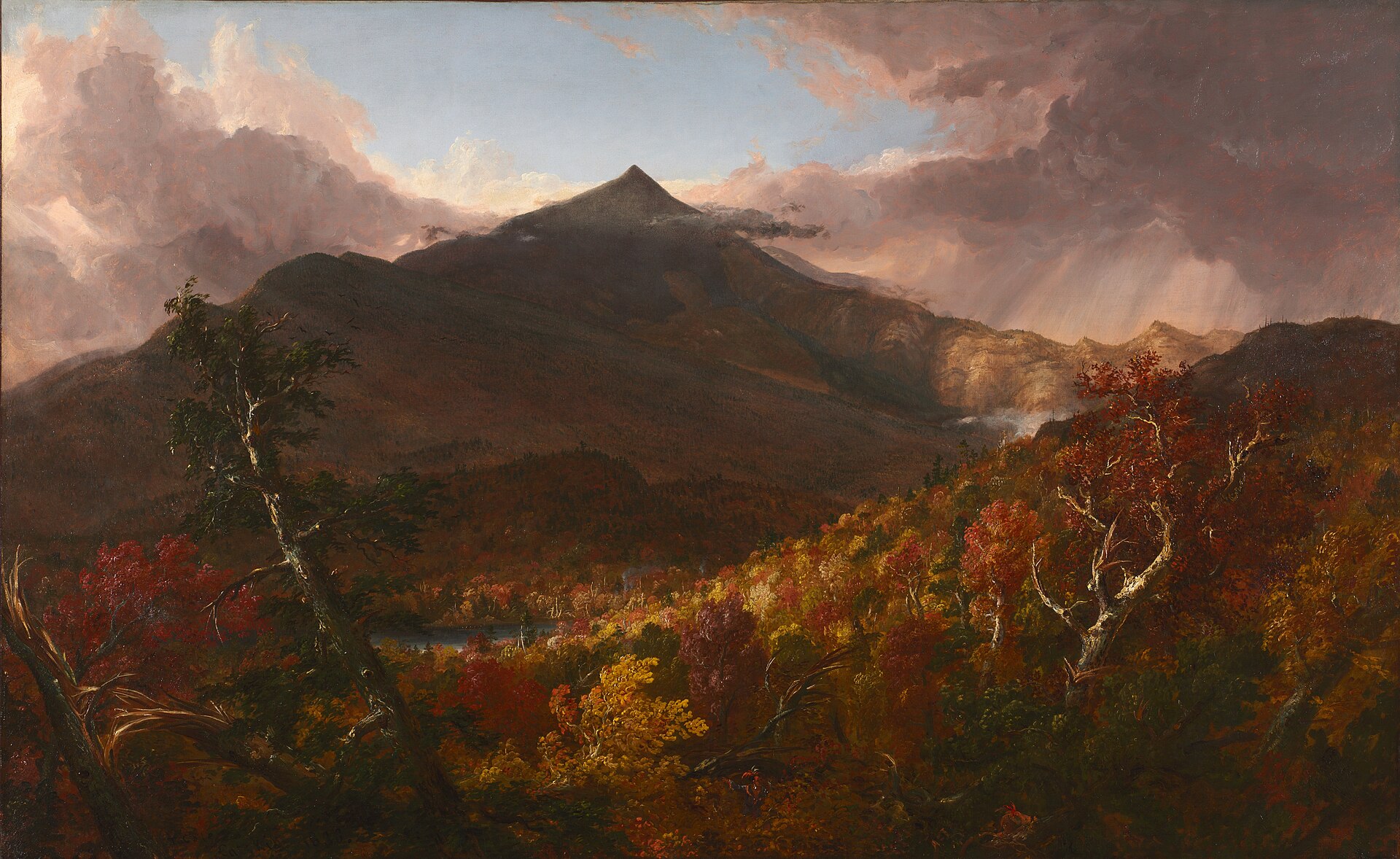
in Psalms 18The LORD thundered from heaven; the voice of the Most High resounded— hailstones and coals of fire.
BSB
The same verse in ASV and KJV ▾
ASV
Jehovah also thundered in the heavens, And the Most High uttered his voice, Hailstones and coals of fire.
KJV
The Lord also thundered in the heavens, and the Highest gave his voice; hail stones and coals of fire.
⋯
This verse in Psalms 18
Commentary
12 notes on this verseThe Lord also thundered in the heavens,.... By his apostles and ministers, some of which were Boanergeses, sons of thunder, whose ministry was useful to shake the consciences of men, and bring them to a sense of themselves, Mar 3:17; and the Highest gave his voice; the same with thunder; for thunder is often called the voice of the Lord, Job 37:5; compare with this Psa 68:11; the Targum interprets it, "he lifted up his word"; the same effects as before follow, hail stones and coals of fire; See Gill on Psa 18:12.
This site's exposition
He mounted a cherub and flew
on Psalms 18:10-15
The appearing is a storm, and God acts from inside it. He mounted a cherub and flew, made darkness His hiding place, and set storm clouds around Him as a canopy. He shot arrows and hurled lightning, and the blast of His nostrils laid the sea's channels bare.
This site's exposition
the voice of the Most High resounded
Verse 12 gave the lightning, and verse 13 gives its thunder. Adam Clarke reported that the repeated hailstones and coals of fire are missing here in the Septuagint and in 2 Samuel. Some think a copyist carried them over from verse 12.
The record, by era
The Church Fathers2 voices
"And the Lord has thundered from heaven" [Psalm 18:13]. And in confidence of the Gospel the Lord has sounded forth from the heart of the just One. "And the Highest gave His voice;" that we might entertain it, and in the depth of human things, might hear things heavenly.
"And the Lord has thundered from heaven" [Psalm 18:13]. And in confidence of the Gospel the Lord has sounded forth from the heart of the just One. "And the Highest gave His voice;" that we might entertain it, and in the depth of human things, might hear things heavenly.
The Medieval Church1 voice
Here he treats of the third change. And first, of thunder. Second, of lightning, at "he sent his arrows." It should be known that the Psalmist speaks here according to this likeness: that whatever happens in the sky is attributed to God. Hence he takes …
The Nineteenth Century2 voices
Over all this splendour of tempest pealed the dread thunder. "The Lord also thundered in the heavens, and the Highest gave his voice." Fit accompaniment for the flames of vengeance. How will men bear to hear it at the last when addressed to them in proclamation of their doom, for even now their hearts are in their mouths if they do but hear it muttering from afar? In all this terror David found a theme for song, and thus every believer finds even in the terrors of God a subject for holy praise.
In most poetical language the Psalmist now describes his experience of Jehovah's delivering power. Poesy has in all her treasures no gem more lustrous than the sonnet of the following verses; the sorrow, the cry, the descent of the Divine One, and the rescue of the afflicted, are here set to a music worthy of the golden harps. The Messiah our Saviour is evidently, over and beyond David or any other believer, the main and chief subject of this song; and while studying it we have grown more and more sure that every line here has its deepest and profoundest fulfilment in Him; but as we are desirous not to extend our comment beyond moderate bounds, we must leave it with the devout reader to make the very easy application of the passage to our once distressed but now triumphant Lord.
4 more voices on this verse
The Nineteenth Century4 voices
Over all this splendour of tempest pealed the dread thunder. "The Lord also thundered in the heavens, and the Highest gave his voice." Fit accompaniment for the flames of vengeance. How will men bear to hear it at the last when addressed to them in proclamation of their doom, for even now their hearts are in their mouths if they do but hear it muttering from afar? In all this terror David found a theme for song, and thus every believer finds even in the terrors of God a subject for holy praise. "Hailstones and coals of fire" are twice mentioned to show how certainly they are in the divine hand, and are the weapons of Heaven's vengeance. Horne remarks that "every thunderstorm should remind us of that exhibition of power and vengeance, which is hereafter to accompany the general resurrection;" may it not also assure us of the real power of him who is our Father and our friend, and tend to assure us of our safety while he fights our battles for us. The prince of the power of the air is soon dislodged when the cherubic chariot is driven through his dominions; therefore let not the legions of hell cause us dismay. He who is with us is greater than all they that be against us.
In most poetical language the Psalmist now describes his experience of Jehovah's delivering power. Poesy has in all her treasures no gem more lustrous than the sonnet of the following verses; the sorrow, the cry, the descent of the Divine One, and the rescue of the afflicted, are here set to a music worthy of the golden harps.
The Lord also thundered in the heavens, and the Highest gave his voice - And then followed the hail and coals of fire. The former verse mentioned the lightning, with its effects; this gives us the report of the thunder, and the increasing storm of hail and fire that attended it. Some think the words hail-stones and coals of fire are entered here by some careless transcribers from the preceding verse; and it is true that they are wanting in the Septuagint and the Arabic, in the parallel place in 2 Samuel, and in five of Kennicott’s and De Rossi’s MSS. I should rather, with Bishop Horsley, suppose them to be an interpolation in the preceding verse: or in that to have been borrowed from this; for this most certainly is their true place.
A commentator
Albert Barnes1798–1870
Notes, Explanatory and Practical, on the Old and New Testaments (1832-1869)
proposed
The Lord also thundered in the heavens - Thunder is often in the Scriptures described as the voice of God. See the magnificent description in Psa 29:1-11; compare Job 40:9, “Canst thou thunder with a voice like him?” So 1Sa 7:10; 1Sa 12:18; Psa 77:18; Job 37:4. And the Highest gave his voice - God, the most exalted Being in the universe, uttered his voice in the thunder; or, the thunder was his voice. Hail-stones, and coals of fire - Accompanying the thunder. The repetition seems to be because these were such striking and constant accompaniments of the storm.
How the passage was read
What the Jewish commentators add
passed Heb. עברו, trepasant in Old French, passed. The hail split and passes through onto the Egyptians at the Sea of Reeds.
1 more on this passage, in their own words ▾
the darkness of waters that are in the thick clouds of the skies are the darkness that is about Him.
This section is reception history: how the passage was read and kept in the Jewish tradition. Where a reading parts from an essential of the Christian faith, the section says so at that point.
Texts and citation data: Sefaria; each excerpt follows its version’s licence. 4 further sources are cited on this chapter that carry no English text this site may quote or only restate the verse.
The words behind it
9 Hebrew wordsEvery Hebrew word of this verse in the order it stands, with what it means and the door to its own study. The last column counts the times a word stands in the whole Bible: the rarer the word, the more the places it appears belong together.
| Hebrew | Sound | Meaning | Word study | In the Bible |
|---|---|---|---|---|
| וַיַּרְעֵ֬ם | vaiyarem | and he thundered | H7481 → | 13 times |
| בַּשָּׁמַ֨יִם׀ | bashamayim | in the heavens | H8064 → | 421 times |
| יְֽהוָ֗ה | yahweh | Yahweh | H3068 → | 6520 times |
| וְ֭עֶלְיוֹן | veelyon | and [the] Most High | H5945 → | 53 times |
| יִתֵּ֣ן | yiten | he gave forth | H5414 → | 2011 times |
| קֹל֑וֹ | kolo | voice his | H6963 → | 506 times |
| בָּ֝רָ֗ד | barad | hail | H1259 → | 29 times |
| וְגַֽחֲלֵי־ | vegachalei- | and coals of | H1513 → | 18 times |
| אֵֽשׁ׃ | ʾesh | fire | H784 → | 378 times |
וַיַּרְעֵ֬םand he thundered
vaiyaremH7481 →13 times
בַּשָּׁמַ֨יִם׀in the heavens
bashamayimH8064 →421 times
יְֽהוָ֗הYahweh
yahwehH3068 →6520 times
וְ֭עֶלְיוֹןand [the] Most High
veelyonH5945 →53 times
יִתֵּ֣ןhe gave forth
yitenH5414 →2011 times
קֹל֑וֹvoice his
koloH6963 →506 times
בָּ֝רָ֗דhail
baradH1259 →29 times
וְגַֽחֲלֵי־and coals of
vegachalei-H1513 →18 times
אֵֽשׁ׃fire
ʾeshH784 →378 times
A shaded row is a word that stands 400 times or fewer in the Bible.
The walk
8 stopsEach card is a verse this one points to, and under it the verses that one points to in turn. Where several paths arrive at the same place, that place is listed first: the text keeps returning to it.
Through
Revelation 4:5From the throne came flashes of lightning, and rumblings, and peals of thunder. Before the throne burned seven torches of fire. These are the seven Spirits of God.
it leads to
- Revelation 11:19
Then the temple of God in heaven was opened, and the ark of His covenant appeared in His temple. And there were flashes of lightning, and rumblings, and peals of thunder, and an earthquake,…
- Revelation 8:5
Then the angel took the censer, filled it with fire from the altar, and hurled it to the earth; and there were peals of thunder, and rumblings, and flashes of lightning, and an earthquake.
- Revelation 1:4
John, To the seven churches in the province of Asia: Grace and peace to you from Him who is and was and is to come, and from the seven Spirits before His throne,
- Revelation 16:17–18
Then the seventh angel poured out his bowl into the air, and a loud voice came from the throne in the temple, saying, “It is done!”
- Revelation 5:6
Then I saw a Lamb who appeared to have been slain, standing in the center of the throne, encircled by the four living creatures and the elders. The Lamb had seven horns and seven…
- Revelation 11:19
Through
Psalms 140:10May burning coals fall on them; may they be thrown into the fire, into the miry pits, never to rise again.
it leads to
- Psalms 11:6
On the wicked He will rain down fiery coals and sulfur; a scorching wind will be their portion.
- Psalms 21:9
You will place them in a fiery furnace at the time of Your appearing. In His wrath the LORD will engulf them, and the fire will consume them.
- Psalms 11:6
Through
Psalms 104:7At Your rebuke the waters fled; at the sound of Your thunder they hurried away—
it leads to
- Psalms 18:15
The channels of the sea appeared, and the foundations of the world were exposed, at Your rebuke, O LORD, at the blast of the breath of Your nostrils.
- Psalms 18:15
Where this verse is studied
About Psalms
This page draws on 9 works. Open the list of works
This page draws on Adam Clarke, Commentary on the Bible; Albert Barnes, Notes, Explanatory and Practical, on the Old and New Testaments; Albert Barnes, Notes, Explanatory and Practical, on the Old and New Testaments (1832-1869); Augustine of Hippo, Exposition on Psalm 18; Charles Spurgeon, The Treasury of David, Vol. 1; Franz Delitzsch, Biblical Commentary on the Psalms; John Gill, Exposition of the Old Testament (1748-1763); John Gill, Exposition of the Old Testament and Thomas Aquinas, Exposition on the Psalms of David.