
Proverbs 6:32
in Proverbs 6He who commits adultery lacks judgment; whoever does so destroys himself.
BSB
The same verse in ASV and KJV ▾
ASV
He that committeth adultery with a woman is void of understanding: He doeth it who would destroy his own soul.
KJV
But whoso committeth adultery with a woman lacketh understanding: he that doeth it destroyeth his own soul.
⋯
This verse in Proverbs 6
Commentary
6 notes on this verseBut whoso committeth adultery - The case understood is that of a married man: he has a wife; and therefore is not in the circumstances of the poor thief, who stole to appease his hunger, having nothing to eat. In this alone the opposition between the two cases is found: the thief had no food, and he stole some; the married man had a wife, and yet went in to the wife of his neighbor. Destroyeth his own soul - Sins against his life, for, under the law of Moses, adultery was punished with death; Lev 20:10; Deu 22:22.
This site's exposition
lacketh understanding
on Proverbs 6:32-35
Where the thief's penalty could be paid and the matter closed, adultery is named as a debt that destroys the soul of the one who commits it and leaves a reproach that shall not be wiped away, a wound with no restitution schedule. The husband's jealousy is called the rage of a man, and the chapter states plainly that no ransom and no multiplied gift will buy him to content, breaking the pattern the thief's sevenfold payment just established. The unit that opened on deliver thyself as a roe closes on a debt from which there is no delivering, the cost accounting the father promised at its start.
The record, by era
The Church Fathers1 voice
A commentator
John ChrysostomHOMILIES CONCERNING THE STATUES 10:11 · Written in the 5th century.
proposed
For not every sin brings the same penalty; but those which are easiest to be amended, bring upon us the greatest punishment: which indeed Solomon intimated, when he said, "It is not wonderful if any one be taken stealing; for he stealeth that he may satisfy his soul that is hungry; but the adulterer, by the lack of understanding, destroyeth his own soul." But what he means is to this effect. The thief is a grievous offender, but not so grievous a one as the adulterer: for the former, though it be a sorry reason for his conduct, yet at the same time has to plead the necessity arising from indigence; but the latter, when no necessity compels him, by his mere madness rushes into the gulph of iniquity. This also may be said with regard to those who swear. For they have not any pretext to allege, but merely their contempt.
The Puritans and the Awakening3 voices
5 ), and then showed him that his sin was more exceedingly sinful than that. First, It is a greater reproach to a man's reason, for he cannot excuse it, as a thief may, by saying that it was to satisfy his hunger, but must own that it was to gratify a brutish lust which would break the hedge of God's law, not for want, but for wantonness.
quarantine:debris (2026-07-29) — leading-citation-number+unbalanced-parens
But whoso committeth adultery with a woman,....
We are here dissuaded from sin very much by arguments borrowed from our secular interests, for it is not only represented as damning in the other world, but as impoverishing in this.
The words behind it
8 Hebrew wordsEvery Hebrew word of this verse in the order it stands, with what it means and the door to its own study. The last column counts the times a word stands in the whole Bible: the rarer the word, the more the places it appears belong together.
| Hebrew | Sound | Meaning | Word study | In the Bible |
|---|---|---|---|---|
| נֹאֵ֣ף | noef | [one who] commits adultery | H5003 → | |
| אִשָּׁ֣ה | ʾishah | a woman | H802 → | 781 times |
| חֲסַר־ | chasar- | [is] lacking of | H2638 → | 17 times |
| לֵ֑ב | lev | heart | H3820 → | 595 times |
| מַֽשְׁחִ֥ית | mashchit | [one who] destroys | H7843 → | 146 times |
| נַ֝פְשׁ֗וֹ | nafsho | own self his | H5315 → | 754 times |
| ה֣וּא | hu' | he | H1931 → | 1879 times |
| יַעֲשֶֽׂנָּה׃ | yaasenah | he will do it | H6213 → | 2628 times |
נֹאֵ֣ף[one who] commits adultery
noefH5003 →
אִשָּׁ֣הa woman
ʾishahH802 →781 times
חֲסַר־[is] lacking of
chasar-H2638 →17 times
לֵ֑בheart
levH3820 →595 times
מַֽשְׁחִ֥ית[one who] destroys
mashchitH7843 →146 times
נַ֝פְשׁ֗וֹown self his
nafshoH5315 →754 times
ה֣וּאhe
hu'H1931 →1879 times
יַעֲשֶֽׂנָּה׃he will do it
yaasenahH6213 →2628 times
A shaded row is a word that stands 400 times or fewer in the Bible.
The walk
8 stopsEach card is a verse this one points to, and under it the verses that one points to in turn. Where several paths arrive at the same place, that place is listed first: the text keeps returning to it.
Through
Hebrews 13:4Marriage should be honored by all and the marriage bed kept undefiled, for God will judge the sexually immoral and adulterers.
it leads to
- Genesis 2:24
For this reason a man will leave his father and mother and be united to his wife, and they will become one flesh.
- Proverbs 5:15–23
Drink water from your own cistern, and running water from your own well.
- 1 Corinthians 7:2–16
But because there is so much sexual immorality, each man should have his own wife, and each woman her own husband.
- Galatians 5:19
The acts of the flesh are obvious: sexual immorality, impurity, and debauchery;
- Genesis 1:27–28
So God created man in His own image; in the image of God He created him; male and female He created them.
- Genesis 2:24
Through
Proverbs 7:7I saw among the simple, I noticed among the youths, a young man lacking judgment,
it leads to
- Proverbs 1:22
“How long, O simple ones, will you love your simple ways? How long will scoffers delight in their scorn and fools hate knowledge?
- Proverbs 1:32
For the waywardness of the simple will slay them, and the complacency of fools will destroy them.
- Proverbs 8:5
O simple ones, learn to be shrewd; O fools, gain understanding.
- Proverbs 1:22
Where this verse is studied
On this page
About Proverbs
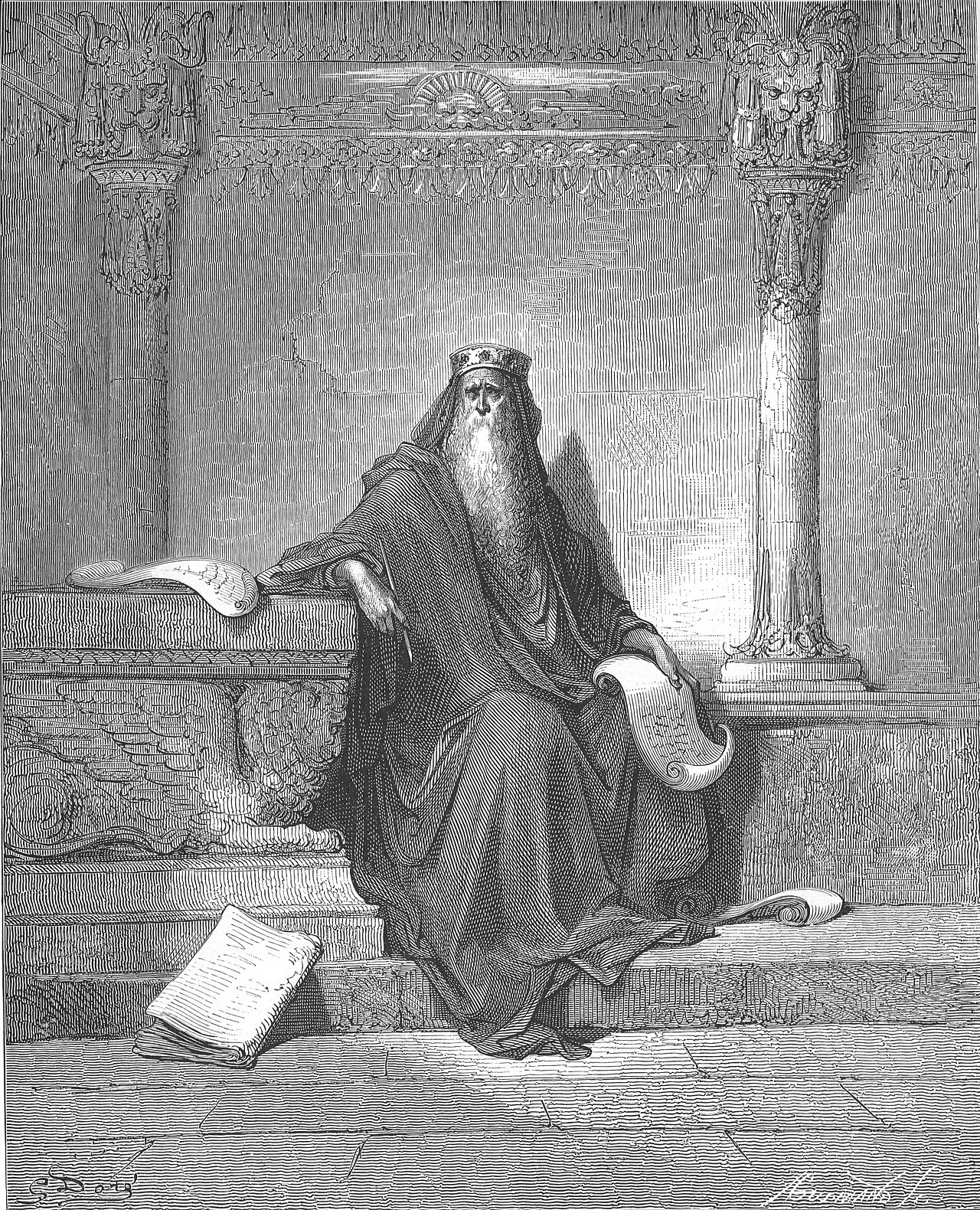
This page draws on Adam Clarke, Commentary on the Bible; Charles Bridges, An Exposition of the Book of Proverbs; John Chrysostom, HOMILIES CONCERNING THE STATUES 10:11; John Gill, Exposition of the Old Testament (1748-1763) and Matthew Henry, Commentary on the Whole Bible.