
Proverbs 6:21
in Proverbs 6Bind them always upon your heart; tie them around your neck.
BSB
The same verse in ASV and KJV ▾
ASV
Bind them continually upon thy heart; Tie them about thy neck.
KJV
Bind them continually upon thine heart, and tie them about thy neck.
⋯
This verse in Proverbs 6
Commentary
9 notes on this verseA commentator
Albert Barnes1798–1870
Notes, Explanatory and Practical, on the Old and New Testaments (1832-1869)
The thought of Pro 3:3 is carried step further. No outward charm, but the law of obedience, shall give safety to the traveler, when he sleeps or when he wakes.
This site's exposition
forsake not the law of thy mother
on Proverbs 6:20-23
The chapter turns back to the father's ordinary appeal before it resumes its warning against adultery, naming both parents as teachers whose commandment and law are to be bound on the heart and tied about the neck like a worn ornament. The threefold promise, leading when the son goes, keeping when he sleeps, talking with him when he wakes, pictures instruction as a constant companion rather than a rule consulted only in crisis. Calling the commandment a lamp and the law a light sets up the very image the son will need in the verses that follow, since it is this light he is warned not to trade away.
The record, by era
The Medieval Church1 voice
Bind them in your heart forever, etc. And keep the precepts of the Lord fixed in your mind, and safeguard your speech with their sweetness on all sides, lest you fall into sin in your speech.
The Puritans and the Awakening3 voices
Bind them continually upon thine heart,....
(1.) By its arguments it is a light, which our understandings must subscribe to; it is a lamp to our eyes for discovery, and so to our feet for direction. The word of God reveals to us truths of eternal certainty, and is built upon the highest reason.
Tie them about thy neck, as an ornament, a bracelet, or gold chain,-- about thy throat (so the word is); let them be a guard upon that pass; tie them about thy throat, that no forbidden fruit may be suffered to go in nor any evil word suffered to go out through the throat; and thus a great deal of sin would be prevented.
The Nineteenth Century1 voice
A commentator
Charles Spurgeon1834–1892
The Metropolitan Tabernacle Pulpit, Sermon No. 2406: “An Appeal to Children of Godly Parents” (lightly modernized text, CCEL edition) · Written before 1892.
proposed
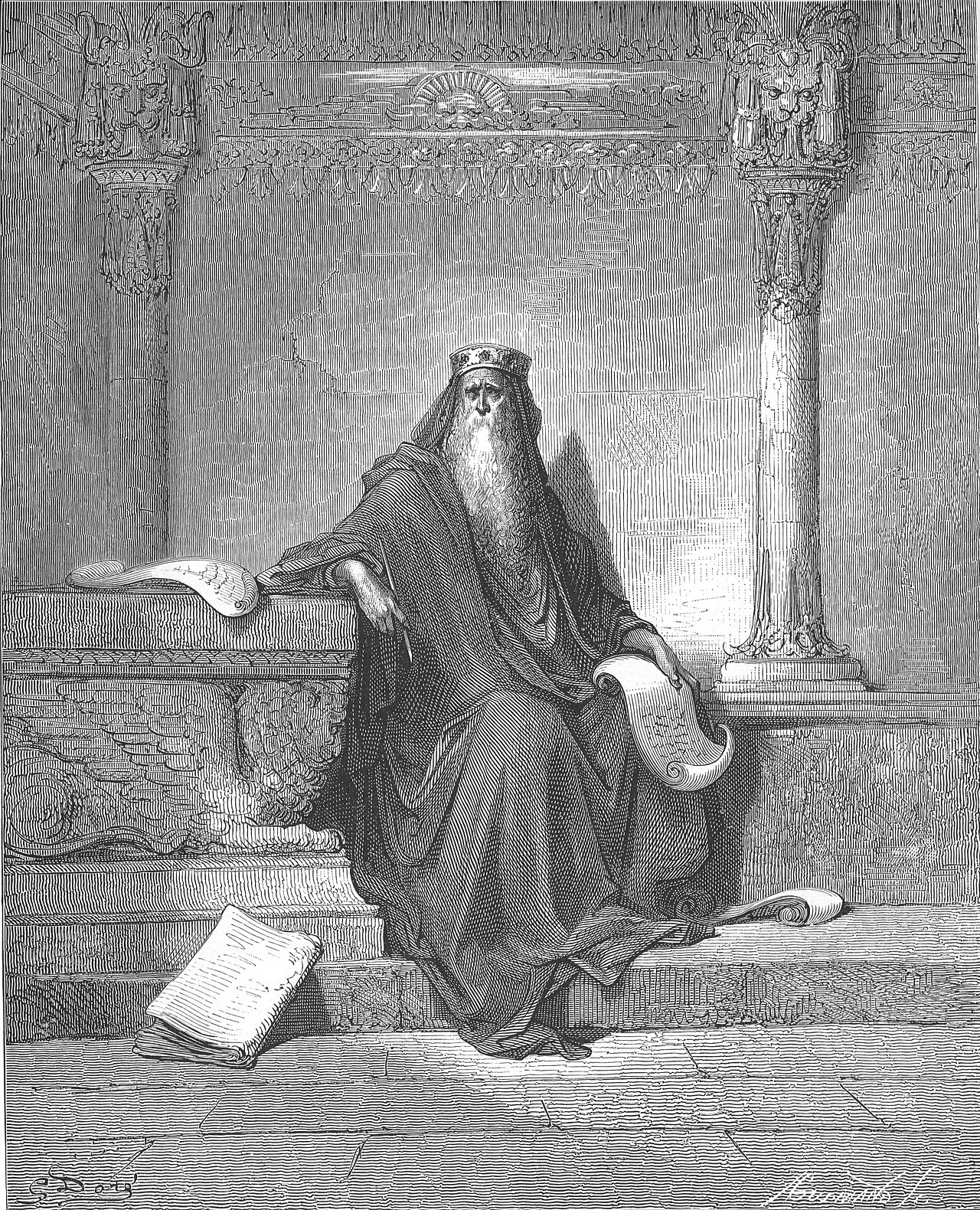
You have here, before you, the advice of King Solomon, rightly reckoned to be one of the wisest of men, and verily he must be wise, indeed, who could excel in wisdom the son of David, the King of Israel. It is worth while to listen to what Solomon has to say—it must be good for the most intelligent young person to listen—and to listen carefully, to what so experienced a man as Solomon has to say to young men. But I must remind you that a greater than Solomon is here, for the Spirit of God inspired the Proverbs! They are not merely jewels from earthly mines, but they are also precious treasures from the heavenly hills, so that the advice we have, here, is not only the counsel of a wise man, but the advice of that Incarnate Wisdom who speaks to us out of the Word of God! Would you become the sons of wisdom? Come and sit at the feet of Solomon! Would you become spiritually wise? Come and hear what the Spirit of God has to say by the mouth of this wise man! In considering this subject, I am going, first of all, to show you that true godliness, of which the wise man, here, speaks, comes to many of us recommended by parental example—"My son, keep your father's commandment, and forsake not the law of your mother: bind them continually upon your heart, and tie them about your neck." But, in addition to that, true religion comes to us commended by practical uses, by its beneficial effect upon our lives—"When you go, it shall lead you; when you sleep, it shall keep you; and when you awake, it shall talk with you. For the commandment is a lamp; and the law is light; and reproofs of instruction are the way of life." I. Now, in the first place, I want to show you that TRUE RELIGION COMES TO MANY OF US RECOMMENDED BY PARENTAL EXAMPLE. Unhappily, it is not so with all of you.
2 more voices on this verse
The Nineteenth Century2 voices
A commentator
Charles Spurgeon1834–1892
The Metropolitan Tabernacle Pulpit, Sermon No. 2406: “An Appeal to Children of Godly Parents” (lightly modernized text, CCEL edition) · Written before 1892.
proposed
You have here, before you, the advice of King Solomon, rightly reckoned to be one of the wisest of men, and verily he must be wise, indeed, who could excel in wisdom the son of David, the King of Israel. It is worth while to listen to what Solomon has to say—it must be good for the most intelligent young person to listen—and to listen carefully, to what so experienced a man as Solomon has to say to young men. But I must remind you that a greater than Solomon is here, for the Spirit of God inspired the Proverbs!
Bind them continually upon thine heart - See on Pro 3:3 (note). And see a similar command, to which this is an allusion, Deu 6:6-8 (note).
The words behind it
7 Hebrew wordsEvery Hebrew word of this verse in the order it stands, with what it means and the door to its own study. The last column counts the times a word stands in the whole Bible: the rarer the word, the more the places it appears belong together.
| Hebrew | Sound | Meaning | Word study | In the Bible |
|---|---|---|---|---|
| קָשְׁרֵ֣ם | kasherem | bind them | H7194 → | 44 times |
| עַל־ | ʾal- | on | H5921 → | 5755 times |
| לִבְּךָ֣ | libekha | heart your | H3820 → | 595 times |
| תָמִ֑יד | tamid | continually | H8548 → | 104 times |
| עָ֝נְדֵ֗ם | ʾanedem | tie them | H6029 → | |
| עַל־ | ʾal- | on | H5921 → | 5755 times |
| גַּרְגְּרֹתֶֽךָ׃ | gargerotekha | necks your | H1621 → | 4 times |
קָשְׁרֵ֣םbind them
kasheremH7194 →44 times
עַל־on
ʾal-H5921 →5755 times
לִבְּךָ֣heart your
libekhaH3820 →595 times
תָמִ֑ידcontinually
tamidH8548 →104 times
עָ֝נְדֵ֗םtie them
ʾanedemH6029 →
עַל־on
ʾal-H5921 →5755 times
גַּרְגְּרֹתֶֽךָ׃necks your
gargerotekhaH1621 →4 times
A shaded row is a word that stands 400 times or fewer in the Bible.
The walk
8 stopsEach card is a verse this one points to, and under it the verses that one points to in turn. Where several paths arrive at the same place, that place is listed first: the text keeps returning to it.
Through
Proverbs 3:3Never let loving devotion or faithfulness leave you; bind them around your neck, write them on the tablet of your heart.
it leads to
- Hebrews 10:16
“This is the covenant I will make with them after those days, declares the Lord. I will put My laws in their hearts and inscribe them on their minds.”
Reached by 2 separate paths from here.
- 2 Corinthians 3:3
It is clear that you are a letter from Christ, the result of our ministry, written not with ink but with the Spirit of the living God, not on tablets of stone but on…
- Proverbs 7:3
Tie them to your fingers; write them on the tablet of your heart.
- Deuteronomy 11:18–21
Fix these words of mine in your hearts and minds; tie them as reminders on your hands and bind them on your foreheads.
- Hebrews 10:16
Through
2 Corinthians 3:3It is clear that you are a letter from Christ, the result of our ministry, written not with ink but with the Spirit of the living God, not on tablets of stone but on…
it leads to
- Ezekiel 11:19
And I will give them singleness of heart and put a new spirit within them; I will remove their heart of stone and give them a heart of flesh,
- Jeremiah 31:33
“But this is the covenant I will make with the house of Israel after those days, declares the LORD. I will put My law in their minds and inscribe it on their hearts. And…
- Hebrews 8:10
For this is the covenant I will make with the house of Israel after those days, declares the Lord. I will put My laws in their minds and inscribe them on their hearts. And…
- Psalms 40:8
I delight to do Your will, O my God; Your law is within my heart.”
- Ezekiel 11:19
Where this verse is studied
On this page
About Proverbs
This page draws on Adam Clarke, Commentary on the Bible; Albert Barnes, Notes, Explanatory and Practical, on the Old and New Testaments (1832-1869); Bede, Commentary on Proverbs; Charles Spurgeon, The Metropolitan Tabernacle Pulpit, Sermon No. 2406: “An Appeal to Children of Godly Parents” (lightly modernized text, CCEL edition); John Gill, Exposition of the Old Testament (1748-1763) and Matthew Henry, Commentary on the Whole Bible.