
Numbers 5:15
in Numbers 5then he is to bring his wife to the priest. He must also bring for her an offering of a tenth of an ephah of barley flour. He is not to pour oil over it or put frankincense on it, because it is a grain offering for jealousy, an offering of memorial as a reminder of iniquity.
BSB
The same verse in ASV and KJV ▾
ASV
then shall the man bring his wife unto the priest, and shall bring her oblation for her, the tenth part of an ephah of barley meal; he shall pour no oil upon it, nor put frankincense thereon; for it is a meal-offering of jealousy, a meal-offering of memorial, bringing iniquity to remembrance.
KJV
Then shall the man bring his wife unto the priest, and he shall bring her offering for her, the tenth part of an ephah of barley meal; he shall pour no oil upon it, nor put frankincense thereon; for it is an offering of jealousy, an offering of memorial, bringing iniquity to remembrance.
⋯
This verse in Numbers 5
Commentary
4 notes on this verseA commentator
Jamieson, Fausset & Brown1802–1910
Commentary Critical and Explanatory on the Whole Bible (1871)
But on the occasion referred to, both these ingredients were to be excluded, partly because it was a solemn appeal to God in distressing circumstances, and partly because it was a sin offering on the part of the wife, who came before God in the character of a real or suspected offender.
This site's exposition
a tenth of an ephah of barley flour
Leviticus 2:1-2 gives the grain offering oil and frankincense, but here the husband “is not to pour oil over it or put frankincense on it”. This matches the poor man’s sin offering of Leviticus 5:11.
The record, by era
The Puritans and the Awakening2 voices
If she did, she was not put to death, (which must have been, if it had been proved against her) but only was divorced and lost her dowry. Her offering - By way of solemn appeal to God, whom hereby she desired to judge between her and her husband, and by way of atonement to appease God, who had for her sins stirred up her husband against her.
Then shall the man bring his wife unto the priest,....
How the passage was read
What the Jewish commentators add
HE SHALL POUR NO OIL UPON IT — “so that her offering shall not be enriched, for oil is called light, whereas she acted in darkness. NOR SHALL HE PUT FRANKINCENSE THEREON, for the matriarchs are compared to frankincense, as it is said, to the hill of frankincense.
1 more on this passage, in their own words ▾
ועבר עליו AND [THE SPIRIT OF JEALOUSY] COME UPON HIM — i.e., had come upon him before her seclusion with the man.
This section is reception history: how the passage was read and kept in the Jewish tradition. Where a reading parts from an essential of the Christian faith, the section says so at that point.
Texts and citation data: Sefaria; each excerpt follows its version’s licence. 4 further sources are cited on this chapter that carry no English text this site may quote or only restate the verse.
The words behind it
30 Hebrew wordsEvery Hebrew word of this verse in the order it stands, with what it means and the door to its own study. The last column counts the times a word stands in the whole Bible: the rarer the word, the more the places it appears belong together.
| Hebrew | Sound | Meaning | Word study | In the Bible |
|---|---|---|---|---|
| וְהֵבִ֨יא | vehevi' | and he will bring | H935 → | 2568 times |
| הָאִ֣ישׁ | haish | the man | H376 → | 1663 times |
| אֶת־ | ʾet- | <obj.> | H853 → | 10935 times |
| אִשְׁתּוֹ֮ | ʾishto | wife his | H802 → | 781 times |
| אֶל־ | ʾel- | to | H413 → | 5510 times |
| הַכֹּהֵן֒ | hakohen | the priest | H3548 → | 750 times |
| וְהֵבִ֤יא | vehevi' | and he will bring | H935 → | 2568 times |
| אֶת־ | ʾet- | <obj.> | H853 → | 10935 times |
| קָרְבָּנָהּ֙ | karebanah | offering her | H7133 → | 82 times |
| עָלֶ֔יהָ | ʾaleiha | on her | H5921 → | 5755 times |
| עֲשִׂירִ֥ת | ʾasirit | <the> tenth of | H6224 → | 29 times |
| הָאֵיפָ֖ה | haeifah | <the> ephah | H374 → | |
| קֶ֣מַח | kemach | flour of | H7058 → | |
| שְׂעֹרִ֑ים | seorim | barley<s> | H8184 → | |
| לֹֽא־ | lo'- | not | H3808 → | 5168 times |
| יִצֹ֨ק | yitzok | he will pour out | H3332 → | |
| עָלָ֜יו | ʾalav | on it | H5921 → | 5755 times |
| שֶׁ֗מֶן | shemen | oil | H8081 → | 193 times |
| וְלֹֽא־ | velo'- | and not | H3808 → | 5168 times |
| יִתֵּ֤ן | yiten | he will put | H5414 → | 2011 times |
| עָלָיו֙ | ʾalav | on it | H5921 → | 5755 times |
| לְבֹנָ֔ה | levonah | frankincense | H3828 → | |
| כִּֽי־ | ki- | for | H3588 → | 4482 times |
| מִנְחַ֤ת | minchat | [is] a grain offering of | H4503 → | 211 times |
| קְנָאֹת֙ | kenaot | jealousi<es> | H7068 → | 43 times |
| ה֔וּא | hu' | it | H1931 → | 1879 times |
| מִנְחַ֥ת | minchat | a grain offering of | H4503 → | 211 times |
| זִכָּר֖וֹן | zikaron | remembrance | H2146 → | 24 times |
| מַזְכֶּ֥רֶת | mazkeret | [which] brings to remembrance | H2142 → | 230 times |
| עָוֹֽן׃ | ʾavon | iniquity | H5771 → | 233 times |
וְהֵבִ֨יאand he will bring
vehevi'H935 →2568 times
הָאִ֣ישׁthe man
haishH376 →1663 times
אֶת־<obj.>
ʾet-H853 →10935 times
אִשְׁתּוֹ֮wife his
ʾishtoH802 →781 times
אֶל־to
ʾel-H413 →5510 times
הַכֹּהֵן֒the priest
hakohenH3548 →750 times
וְהֵבִ֤יאand he will bring
vehevi'H935 →2568 times
אֶת־<obj.>
ʾet-H853 →10935 times
קָרְבָּנָהּ֙offering her
karebanahH7133 →82 times
עָלֶ֔יהָon her
ʾaleihaH5921 →5755 times
עֲשִׂירִ֥ת<the> tenth of
ʾasiritH6224 →29 times
הָאֵיפָ֖ה<the> ephah
haeifahH374 →
קֶ֣מַחflour of
kemachH7058 →
שְׂעֹרִ֑יםbarley<s>
seorimH8184 →
לֹֽא־not
lo'-H3808 →5168 times
יִצֹ֨קhe will pour out
yitzokH3332 →
עָלָ֜יוon it
ʾalavH5921 →5755 times
שֶׁ֗מֶןoil
shemenH8081 →193 times
וְלֹֽא־and not
velo'-H3808 →5168 times
יִתֵּ֤ןhe will put
yitenH5414 →2011 times
עָלָיו֙on it
ʾalavH5921 →5755 times
לְבֹנָ֔הfrankincense
levonahH3828 →
כִּֽי־for
ki-H3588 →4482 times
מִנְחַ֤ת[is] a grain offering of
minchatH4503 →211 times
קְנָאֹת֙jealousi<es>
kenaotH7068 →43 times
ה֔וּאit
hu'H1931 →1879 times
מִנְחַ֥תa grain offering of
minchatH4503 →211 times
זִכָּר֖וֹןremembrance
zikaronH2146 →24 times
מַזְכֶּ֥רֶת[which] brings to remembrance
mazkeretH2142 →230 times
עָוֹֽן׃iniquity
ʾavonH5771 →233 times
A shaded row is a word that stands 400 times or fewer in the Bible.
The walk
8 stopsEach card is a verse this one points to, and under it the verses that one points to in turn. Where several paths arrive at the same place, that place is listed first: the text keeps returning to it.
Through
Leviticus 2:1“When anyone brings a grain offering to the LORD, his offering must consist of fine flour. He is to pour olive oil on it, put frankincense on it,
it leads to
- Leviticus 6:14–18
Now this is the law of the grain offering: Aaron’s sons shall present it before the LORD in front of the altar.
- Isaiah 66:20
And they will bring all your brothers from all the nations as a gift to the LORD on horses and chariots and wagons, on mules and camels, to My holy mountain Jerusalem,” says the…
- Revelation 8:3
Then another angel, who had a golden censer, came and stood at the altar. He was given much incense to offer, along with the prayers of all the saints, on the golden altar before…
- Leviticus 6:14–18
Through
1 Kings 17:18“O man of God,” said the woman to Elijah, “what have you done to me? Have you come to remind me of my iniquity and cause the death of my son?”
it leads to
- Luke 5:8
When Simon Peter saw this, he fell at Jesus’ knees. “Go away from me, Lord,” he said, “for I am a sinful man.”
- 2 Kings 3:13
Elisha, however, said to the king of Israel, “What have we to do with each other? Go to the prophets of your father and of your mother!” “No,” replied the king of Israel, “for…
- Luke 5:8
Through
Ezekiel 29:16Egypt will never again be an object of trust for the house of Israel, but will remind them of their iniquity in turning to the Egyptians. Then they will know that I am the…
it leads to
- Ezekiel 29:6–7
Then all the people of Egypt will know that I am the LORD. For you were only a staff of reeds to the house of Israel.
- Hosea 8:13
Though they offer sacrifices as gifts to Me, and though they eat the meat, the LORD does not accept them. Now He will remember their iniquity and punish their sins: They will return to…
- Ezekiel 29:6–7
Through
Hosea 3:2So I bought her for fifteen shekels of silver and a homer and a lethech of barley.
it leads to
- Genesis 34:12
Demand a high dowry and an expensive gift, and I will give you whatever you ask. Only give me the girl as my wife!”
- Genesis 34:12
Where this verse is studied
On this page
About Numbers
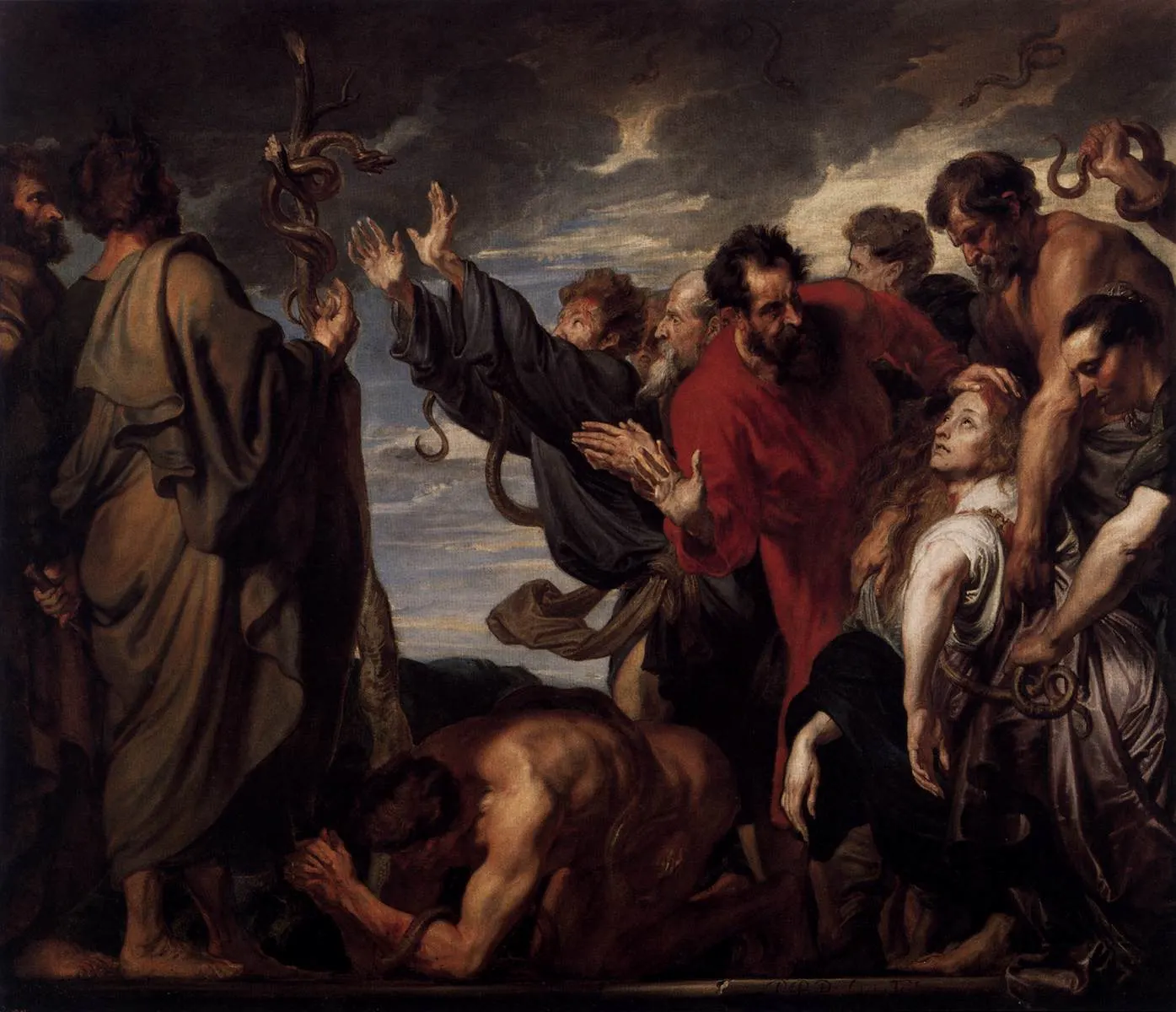
This page draws on Jamieson, Fausset & Brown, Commentary Critical and Explanatory on the Whole Bible; John Gill, Exposition of the Old Testament (1748-1763); John Wesley, Explanatory Notes upon the Old Testament and Keil and Delitzsch, Biblical Commentary on the Old Testament: The Pentateuch.