
Nehemiah 8:9
in Nehemiah 8Nehemiah the governor, Ezra the priest and scribe, and the Levites who were instructing the people said to all of them, “This day is holy to the LORD your God. Do not mourn or weep.” For all the people were weeping as they heard the words of the Law.
BSB
The same verse in ASV and KJV ▾
ASV
And Nehemiah, who was the governor, and Ezra the priest the scribe, and the Levites that taught the people, said unto all the people, This day is holy unto Jehovah your God; mourn not, nor weep. For all the people wept, when they heard the words of the law.
KJV
And Nehemiah, which is the Tirshatha, and Ezra the priest the scribe, and the Levites that taught the people, said unto all the people, This day is holy unto the Lord your God; mourn not, nor weep. For all the people wept, when they heard the words of the law.
⋯
This verse in Nehemiah 8
Commentary
6 notes on this verse"But all the people wept when they heard the words of the law." For the same holy teachers, who stir the minds of their hearers to tears with sacred readings and devout exhortations, also console those tears by promising them the eternal joys to come. …
This site's exposition
Do not mourn or weep
on Nehemiah 8:9-10
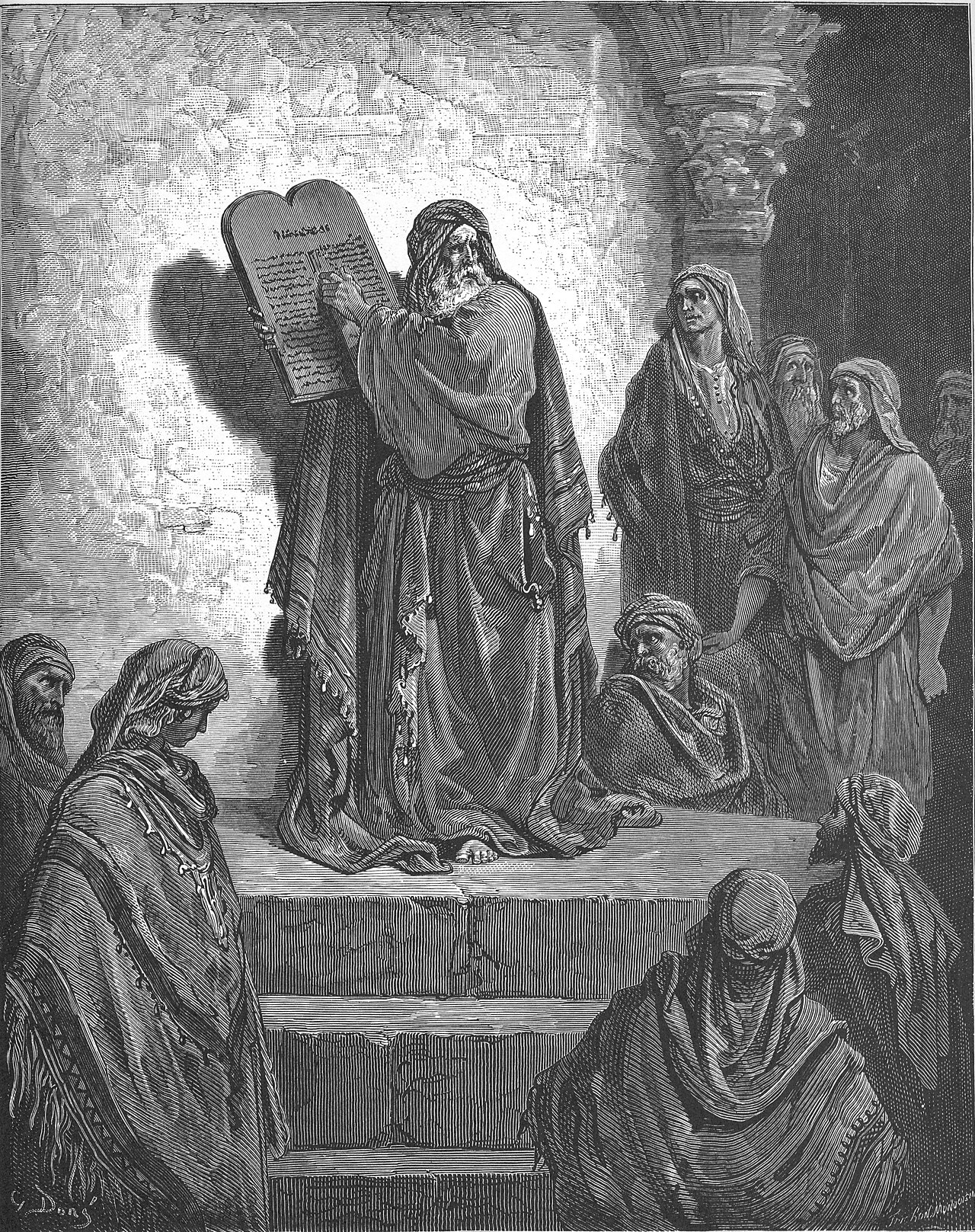
The people weep as they hear the words of the Law, and the leaders forbid the grief. Then comes the line the chapter rests on: "the joy of the LORD is your strength," joy named as the source of strength.
The record, by era
The Puritans and the Awakening2 voices
The masters of the assembly endeavoured to pacify them and encourage them. Now Nehemiah is brought in, and not before, in this chapter; he took notice of the people's weeping. Ezra was pleased to see them so affected with the word, but Nehemiah observed to him, and Ezra concurred in the thought, that it was now unseasonable.
And Nehemiah which is the Tirshatha,....
The Nineteenth Century2 voices
A commentator
Albert Barnes1798–1870
Notes, Explanatory and Practical, on the Old and New Testaments (1832-1869)
Nehemiah, which is the Tirshatha - Hereto, Nehemiah has called himself פחה pechâh Neh 5:14-15, Neh 5:18, which is the ordinary word for “governor.” Now for the first time he is called ‘the Tirshatha’” (see Ezr 2:63 note.) The people wept ... - Because the Law brought vividly before them their sins of omission and commission. In Neh 8:10 the Jews were not forbidden to be sorry for their sins, but they were only prohibited from marring a festive occasion with the expression of their sorrow.
Nehemiah, which is the Tirshatha - This puts it out of doubt that, when the Tirshatha is mentioned, Nehemiah himself is intended, Tirshatha being the name of his office. Mourn not, nor weep - This is a holy day to God: a day appointed for general rejoicing in Him who has turned our captivity, restored to us his law, and again established among us his ordinances.
How the passage was read
On Nehemiah 8:1-18On Nehemiah 8:1-18
The seventh month, rediscovered
Everything in this chapter happens on the calendar of Leviticus 23. Ezra reads the Law on “the first day of the seventh month”: that is the Day of Trumpets, kept today as Rosh Hashanah, the Jewish new year, announced by the ram's-horn trumpet (shofar). Then the people find the command about booths and keep Tabernacles (Sukkot) for the first time “since the days of Joshua”: seven days living in leafy shelters, remembering the wilderness. Jewish families still build these booths every autumn: a hut in the yard or on the balcony, roofed with branches you can see the stars through, where meals are eaten all week.
The chapter also gives the day its enduring tone: “the joy of the LORD is your strength” was said on Rosh Hashanah, to a congregation weeping under the words of the Law and told instead to feast.
What the Jewish commentators add
On the verses either side of this one
to whoever has nothing prepared to a poor man who has no food prepared for himself.
This section is reception history: how the passage was read and kept in the Jewish tradition. Where a reading parts from an essential of the Christian faith, the section says so at that point.
Sources: Leviticus 23:23–43 (the seventh month's appointments) · Mishnah Sukkah 1:1 (the booth's rules)
Texts and citation data: Sefaria; each excerpt follows its version’s licence. 3 further sources are cited on this chapter that carry no English text this site may quote or only restate the verse.
The words behind it
30 Hebrew wordsEvery Hebrew word of this verse in the order it stands, with what it means and the door to its own study. The last column counts the times a word stands in the whole Bible: the rarer the word, the more the places it appears belong together.
| Hebrew | Sound | Meaning | Word study | In the Bible |
|---|---|---|---|---|
| וַיֹּ֣אמֶר | vaiyomer | and he said | H559 → | 5305 times |
| נְחֶמְיָ֣ה | nechemyah | Nehemiah | H5166 → | 8 times |
| ה֣וּא | hu' | he | H1931 → | 1879 times |
| הַתִּרְשָׁ֡תָא | hatirshata' | [was] the governor | H8660 → | 5 times |
| וְעֶזְרָ֣א | veezra' | and Ezra | H5830 → | 22 times |
| הַכֹּהֵ֣ן׀ | hakohen | the priest | H3548 → | 750 times |
| הַסֹּפֵ֡ר | hasofer | the scribe | H5608 → | 159 times |
| וְהַלְוִיִּם֩ | vehalviyim | and the Levites | H3881 → | 291 times |
| הַמְּבִינִ֨ים | hamevinim | who were causing to understand | H995 → | 170 times |
| אֶת־ | ʾet- | <obj.> | H853 → | 10935 times |
| הָעָ֜ם | haam | the people | H5971 → | 1873 times |
| לְכָל־ | lekhol | to all | H3605 → | 5413 times |
| הָעָ֗ם | haam | the people | H5971 → | 1873 times |
| הַיּ֤וֹם | haiyom | this day | H3117 → | 2304 times |
| קָדֹֽשׁ־ | kadosh- | [is] holy | H6918 → | 116 times |
| הוּא֙ | hu' | it | H1931 → | 1879 times |
| לַיהוָ֣ה | layahweh | to Yahweh | H3068 → | 6520 times |
| אֱלֹהֵיכֶ֔ם | ʾeloheikhem | God your | H430 → | 2601 times |
| אַל־ | ʾal- | may not | H408 → | 724 times |
| תִּֽתְאַבְּל֖וּ | titabelu | you mourn | H56 → | |
| וְאַל־ | veal- | and may not | H408 → | 724 times |
| תִּבְכּ֑וּ | tivku | you weep | H1058 → | 114 times |
| כִּ֤י | ki | for | H3588 → | 4482 times |
| בוֹכִים֙ | vokhim | [were] weeping | H1058 → | 114 times |
| כָּל־ | kol- | all | H3605 → | 5413 times |
| הָעָ֔ם | haam | the people | H5971 → | 1873 times |
| כְּשָׁמְעָ֖ם | keshameam | when heard they | H8085 → | 1159 times |
| אֶת־ | ʾet- | <obj.> | H853 → | 10935 times |
| דִּבְרֵ֥י | divrei | [the] words of | H1697 → | 1440 times |
| הַתּוֹרָֽה׃ | hatorah | the law | H8451 → | 219 times |
וַיֹּ֣אמֶרand he said
vaiyomerH559 →5305 times
נְחֶמְיָ֣הNehemiah
nechemyahH5166 →8 times
ה֣וּאhe
hu'H1931 →1879 times
הַתִּרְשָׁ֡תָא[was] the governor
hatirshata'H8660 →5 times
וְעֶזְרָ֣אand Ezra
veezra'H5830 →22 times
הַכֹּהֵ֣ן׀the priest
hakohenH3548 →750 times
הַסֹּפֵ֡רthe scribe
hasoferH5608 →159 times
וְהַלְוִיִּם֩and the Levites
vehalviyimH3881 →291 times
הַמְּבִינִ֨יםwho were causing to understand
hamevinimH995 →170 times
אֶת־<obj.>
ʾet-H853 →10935 times
הָעָ֜םthe people
haamH5971 →1873 times
לְכָל־to all
lekholH3605 →5413 times
הָעָ֗םthe people
haamH5971 →1873 times
הַיּ֤וֹםthis day
haiyomH3117 →2304 times
קָדֹֽשׁ־[is] holy
kadosh-H6918 →116 times
הוּא֙it
hu'H1931 →1879 times
לַיהוָ֣הto Yahweh
layahwehH3068 →6520 times
אֱלֹהֵיכֶ֔םGod your
ʾeloheikhemH430 →2601 times
אַל־may not
ʾal-H408 →724 times
תִּֽתְאַבְּל֖וּyou mourn
titabeluH56 →
וְאַל־and may not
veal-H408 →724 times
תִּבְכּ֑וּyou weep
tivkuH1058 →114 times
כִּ֤יfor
kiH3588 →4482 times
בוֹכִים֙[were] weeping
vokhimH1058 →114 times
כָּל־all
kol-H3605 →5413 times
הָעָ֔םthe people
haamH5971 →1873 times
כְּשָׁמְעָ֖םwhen heard they
keshameamH8085 →1159 times
אֶת־<obj.>
ʾet-H853 →10935 times
דִּבְרֵ֥י[the] words of
divreiH1697 →1440 times
הַתּוֹרָֽה׃the law
hatorahH8451 →219 times
A shaded row is a word that stands 400 times or fewer in the Bible.
The walk
8 stopsEach card is a verse this one points to, and under it the verses that one points to in turn. Where several paths arrive at the same place, that place is listed first: the text keeps returning to it.
Through
Deuteronomy 12:12And you shall rejoice before the LORD your God—you, your sons and daughters, your menservants and maidservants, and the Levite within your gates, since he has no portion or inheritance among you.
it leads to
- Deuteronomy 12:7
There, in the presence of the LORD your God, you and your households shall eat and rejoice in all you do, because the LORD your God has blessed you.
Reached by 2 separate paths from here.
- Deuteronomy 26:12
When you have finished laying aside a tenth of all your produce in the third year, the year of the tithe, you are to give it to the Levite, the foreigner, the fatherless, and…
- Deuteronomy 10:9
That is why Levi has no portion or inheritance among his brothers; the LORD is his inheritance, as the LORD your God promised him.
- Deuteronomy 14:29
Then the Levite (because he has no portion or inheritance among you), the foreigner, the fatherless, and the widow within your gates may come and eat and be satisfied. And the LORD your God…
- Deuteronomy 12:19
and be careful not to neglect the Levites as long as you live in your land.
- Deuteronomy 12:7
Through
Nehemiah 8:2On the first day of the seventh month, Ezra the priest brought the Law before the assembly of men and women and all who could listen and understand.
it leads to
- Leviticus 23:24
“Speak to the Israelites and say, ‘On the first day of the seventh month you are to have a day of rest, a sacred assembly announced by trumpet blasts.
- Leviticus 23:24
Through
Deuteronomy 16:11and you shall rejoice before the LORD your God in the place He will choose as a dwelling for His Name—you, your sons and daughters, your menservants and maidservants, and the Levite within your…
it leads to
- Deuteronomy 12:12
And you shall rejoice before the LORD your God—you, your sons and daughters, your menservants and maidservants, and the Levite within your gates, since he has no portion or inheritance among you.
- Deuteronomy 12:12
Through
Nehemiah 7:65The governor ordered them not to eat the most holy things until there was a priest to consult the Urim and Thummim.
it leads to
- Exodus 28:30
And place the Urim and Thummim in the breastpiece of judgment, so that they will also be over Aaron’s heart whenever he comes before the LORD. Aaron will continually carry the judgment of the…
- Exodus 28:30
Where this verse is studied
On this page
Studies10
About Nehemiah
Who and where
2 names in this verse with a page on the site.
- PersonReturn from exileEzraPriest and ready scribe of the law of Moses who came up from Babylon, set his heart to seek, do, and teach the law, and led the re…
- PersonReturn from exileNehemiahCupbearer to Artaxerxes who wept over Jerusalem's ruins, rebuilt the wall in fifty-two days with a sword in one hand and a trowel…
This page draws on Adam Clarke, Commentary on the Bible; Albert Barnes, Notes, Explanatory and Practical, on the Old and New Testaments (1832-1869); Bede, Commentary on Ezra and Nehemiah; Charles Spurgeon, The Joy of the Lord, the Strength of His People (Metropolitan Tabernacle Pulpit, No. 1027); John Gill, Exposition of the Old Testament (1748-1763) and Matthew Henry, Commentary on the Whole Bible.