
Nahum 1:6
in Nahum 1Who can withstand His indignation? Who can endure His burning anger? His wrath is poured out like fire; even rocks are shattered before Him.
BSB
The same verse in ASV and KJV ▾
ASV
Who can stand before his indignation? and who can abide in the fierceness of his anger? his wrath is poured out like fire, and the rocks are broken asunder by him.
KJV
Who can stand before his indignation? and who can abide in the fierceness of his anger? his fury is poured out like fire, and the rocks are thrown down by him.
⋯
This verse in Nahum 1
Commentary
7 notes on this verse(Verse 6) Who can stand before the face of His anger, and who can endure the fury of His wrath? LXX translation: Who can withstand the face of His anger, and who can resist in the fury of His wrath? Symmachus has interpreted it more clearly: Who can endure the wrath of His fury? Therefore, it is rare or nonexistent to find anyone who is not worthy of being seized by anger. And there will be no soul that does not tremble at the judgment of God, since even the stars are not clean in His sight (Job. XXV, 5).
This site's exposition
He rebukes the sea
on Nahum 1:4-6
The sea dried up and the rivers run dry recall the Red Sea and the Jordan. Bashan, Carmel and Lebanon were the richest pasture, orchard and forest. Verse 6 asks "Who can endure His burning anger" and leaves it for verse 7 to name the Lord's people as the exception.
This site's exposition
Who can withstand His indignation
Two questions stand at the centre of the poem, and the answer to both is no one. They appeal to conscience. Jamieson, Fausset and Brown compare the wrath poured out like fire to the burning flow of a volcano that splits even rock.
The record, by era
The Puritans and the Awakening2 voices
A particular application of this (as most interpreters think) to the destruction of Sennacherib and the Assyrian army, when they besieged Jerusalem, which was a very memorable and illustrious instance of the power both of God's justice and of his mercy, and spoke abundance of terror to his enemies and encouragement to his faithful servants,
Who can stand before his indignation?....
The Nineteenth Century2 voices
A commentator
Jamieson, Fausset & Brown1802–1910
Commentary Critical and Explanatory on the Whole Bible (1871)
proposed
fury is poured out like fire--like the liquid fire poured out of volcanoes in all directions (see Jer 7:20). rocks are thrown down--or, "are burnt asunder"; the usual effect of volcanic fire (Jer 51:25, 56).
quarantine:debris (2026-07-29) — starts-lowercase
A commentator
Albert Barnes1798–1870
Notes, Explanatory and Practical, on the Old and New Testaments (1832-1869)
proposed
Who can stand before His indignation? - This question appeals to our own consciences, that we cannot . It anticipates the self-conviction at every day of God’s visitation, the forerunners of the lust.
The words behind it
14 Hebrew wordsEvery Hebrew word of this verse in the order it stands, with what it means and the door to its own study. The last column counts the times a word stands in the whole Bible: the rarer the word, the more the places it appears belong together.
| Hebrew | Sound | Meaning | Word study | In the Bible |
|---|---|---|---|---|
| לִפְנֵ֤י | lifnei | <to> before | H6440 → | 2123 times |
| זַעְמוֹ֙ | za'mo | indignation his | H2195 → | |
| מִ֣י | mi | who? | H4310 → | 423 times |
| יַֽעֲמ֔וֹד | yaamod | will he stand | H5975 → | 521 times |
| וּמִ֥י | umi | and who? | H4310 → | 423 times |
| יָק֖וּם | yakum | will he endure | H6965 → | |
| בַּחֲר֣וֹן | bacharon | at [the] burning of | H2740 → | |
| אַפּ֑וֹ | ʾapo | anger his | H639 → | |
| חֲמָתוֹ֙ | chamato | rage his | H2534 → | |
| נִתְּכָ֣ה | nitekhah | it is poured out | H5413 → | |
| כָאֵ֔שׁ | khaesh | like <the> fire | H784 → | 378 times |
| וְהַצֻּרִ֖ים | vehatzurim | and the rocks | H6697 → | |
| נִתְּצ֥וּ | nitetzu | they are pulled down | H5422 → | |
| מִמֶּֽנּוּ׃ | mimenu | from him | H4480 → | 1188 times |
לִפְנֵ֤י<to> before
lifneiH6440 →2123 times
זַעְמוֹ֙indignation his
za'moH2195 →
מִ֣יwho?
miH4310 →423 times
יַֽעֲמ֔וֹדwill he stand
yaamodH5975 →521 times
וּמִ֥יand who?
umiH4310 →423 times
יָק֖וּםwill he endure
yakumH6965 →
בַּחֲר֣וֹןat [the] burning of
bacharonH2740 →
אַפּ֑וֹanger his
ʾapoH639 →
חֲמָתוֹ֙rage his
chamatoH2534 →
נִתְּכָ֣הit is poured out
nitekhahH5413 →
כָאֵ֔שׁlike <the> fire
khaeshH784 →378 times
וְהַצֻּרִ֖יםand the rocks
vehatzurimH6697 →
נִתְּצ֥וּthey are pulled down
nitetzuH5422 →
מִמֶּֽנּוּ׃from him
mimenuH4480 →1188 times
A shaded row is a word that stands 400 times or fewer in the Bible.
The walk
8 stopsEach card is a verse this one points to, and under it the verses that one points to in turn. Where several paths arrive at the same place, that place is listed first: the text keeps returning to it.
Through
Malachi 3:2But who can endure the day of His coming? And who can stand when He appears? For He will be like a refiner’s fire, like a launderer’s soap.
it leads to
- Zechariah 13:9
This third I will bring through the fire; I will refine them like silver and test them like gold. They will call on My name, and I will answer them. I will say, ‘They…
- Isaiah 4:4
when the Lord has washed away the filth of the daughters of Zion and cleansed the bloodstains from the heart of Jerusalem by a spirit of judgment and a spirit of fire.
- 1 Corinthians 3:13–15
his workmanship will be evident, because the Day will bring it to light. It will be revealed with fire, and the fire will prove the quality of each man’s work.
- Revelation 6:17
For the great day of Their wrath has come, and who is able to withstand it?”
- 1 Peter 2:7–8
To you who believe, then, this stone is precious. But to those who do not believe, “The stone the builders rejected has become the cornerstone,”
- Zechariah 13:9
Through
Jeremiah 10:10But the LORD is the true God; He is the living God and eternal King. The earth quakes at His wrath, and the nations cannot endure His indignation.
it leads to
- Deuteronomy 32:4
He is the Rock, His work is perfect; all His ways are just. A God of faithfulness without injustice, righteous and upright is He.
- Isaiah 57:15
For thus says the One who is high and lifted up, who inhabits eternity, whose name is Holy: “I dwell in a high and holy place, and with the oppressed and humble in spirit,…
- Deuteronomy 32:4
Through
Nahum 1:2The LORD is a jealous and avenging God; the LORD is avenging and full of wrath. The LORD takes vengeance on His foes and reserves wrath for His enemies.
it leads to
- Exodus 20:5
You shall not bow down to them or worship them; for I, the LORD your God, am a jealous God, visiting the iniquity of the fathers on their children to the third and fourth…
- Exodus 20:5
Where this verse is studied
About Nahum
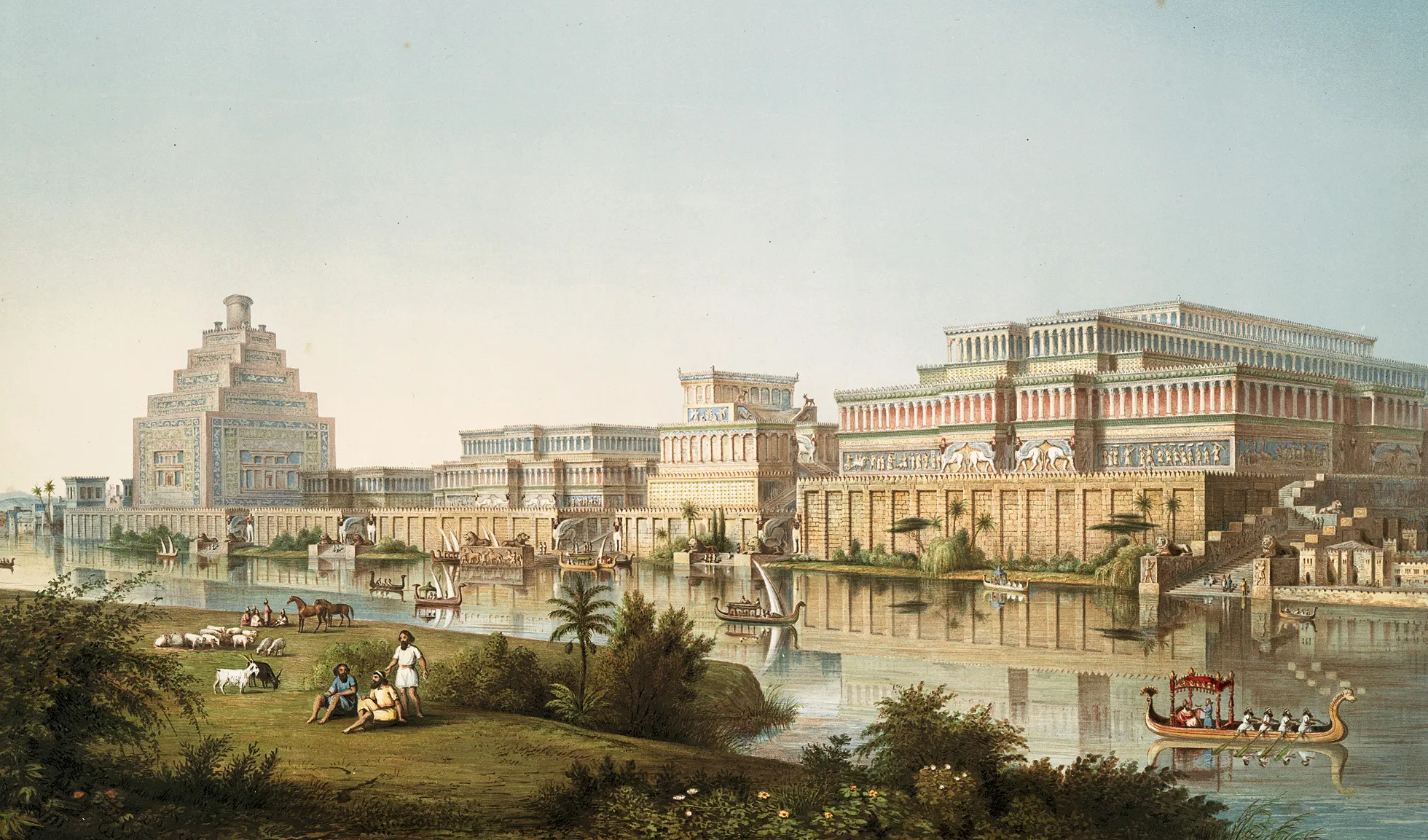
This page draws on Adam Clarke, Commentary on the Bible; Albert Barnes, Notes on the Old Testament; Albert Barnes, Notes, Explanatory and Practical, on the Old and New Testaments (1832-1869); Jamieson, Fausset & Brown, Commentary Critical and Explanatory on the Whole Bible; Jerome, Commentary on Nahum; John Gill, Exposition of the Old Testament (1748-1763) and Matthew Henry, Commentary on the Whole Bible.