
Nahum 1:15
in Nahum 1Look to the mountains—the feet of one who brings good news, who proclaims peace! Celebrate your feasts, O Judah; fulfill your vows. For the wicked will never again march through you; they will be utterly cut off.
BSB
The same verse in ASV and KJV ▾
ASV
Behold, upon the mountains the feet of him that bringeth good tidings, that publisheth peace! Keep thy feasts, O Judah, perform thy vows; for the wicked one shall no more pass through thee; he is utterly cut off.
KJV
Behold upon the mountains the feet of him that bringeth good tidings, that publisheth peace! O Judah, keep thy solemn feasts, perform thy vows: for the wicked shall no more pass through thee; he is utterly cut off.
⋯
This verse in Nahum 1
Commentary
11 notes on this verseA commentator
Albert Barnes1798–1870
Notes, Explanatory and Practical, on the Old and New Testaments (1832-1869)
Behold upon the mountains, the feet of him that bringeth good tidings, that publisheth peace - From mountain-top to mountain-top by beacon-fires they spread the glad tidings.
This site's exposition
one who brings good news
The messenger, "the feet of one who brings good news," shares its wording with Isaiah 52:7. For Judah the good news is Nineveh's fall, the feasts safe to keep because "the wicked will never again march through you". The chapter closes on comfort before the siege poetry of chapter 2.
The record, by era
The Church Fathers3 voices
This is Nahum the eighth in order who was also privileged to prophesy concerning the resurrection of the Lord Christ, and he says: Feast, O Judah, keep thy feasts, perform thy vows, for they shall add to pass through thee no more. It has been …
The prophet Nahum (or, better, God speaking through him) says, "I will destroy the graven and molten thing; I will make it your grave. Behold upon the mountains the feet of him that brings peace. O Judah, keep your festivals and pay your vows, for it shall no longer be that they may pass into disuse. It is completed, it is consumed, it is taken away. He is come up that breathes into your face and rescues you from tribulation." Anyone who knows the Gospels will recognize who it was that came up from hell and breathed the Holy Spirit into the face of Judah, that is, into the face of his Jewish disciples. The words about the festivals are, of course, a reference to the New Testament, in which festivals are so spiritually renewed that they can never "pass into disuse." The rest of the prophecy too we see realized in that the gospel brought about the destruction of "graven and molten things," that is, the idols of the false gods, consigned now to the oblivion of the grave.
(Verse 15.) Behold, upon the mountains are the feet of the messenger of good news and of the announcer of peace. Celebrate, O Judah, your festivals, and fulfill your vows, for Belial will no longer pass through you; everything has perished. I will postpone the discussion of the Septuagint translators for a little while, because even the chapters themselves have been confused by the variety of interpretations. And when I briefly explain the history, I will adapt their edition to my own style.
The Puritans and the Awakening2 voices
These words are also quoted by the apostle, both from Isaiah and Nahum, and applied to the great redemption wrought out for us by our Lord Jesus, and the publishing of it to the world by the everlasting gospel, Rom. x. Christ's ministers are those messengers of good tidings, that preach peace by Jesus Christ. How beautiful are the feet of those messengers!
): The wicked shall no more pass through thee as they have done, to lay all waste, for he is utterly cut off and disabled to do it. His army is cut off, his spirit cut off, and at length he himself is cut off. The tidings of this great deliverance shall be published and welcomed with abundance of joy throughout the kingdom,
quarantine:debris (2026-07-29) — leading-punctuation+unbalanced-parens
4 more voices on this verse
The Puritans and the Awakening2 voices
Behold upon the mountains,....
Let each take his portion from it; let sinners read it and tremble; let saints read it and triumph. The wrath of God is here revealed from heaven against him enemies, his favour and mercy are here assured to his faithful loyal subjects, and his almighty power in both, making his wrath very terrible and his favour very desirable.
The Nineteenth Century2 voices
A commentator
Jamieson, Fausset & Brown1802–1910
Commentary Critical and Explanatory on the Whole Bible (1871)
A type of the far more glorious spiritual deliverance of God's people from Satan by Messiah, heralded by ministers of the Gospel (Ro 10:15). perform thy vows--which thou didst promise if God would deliver thee from the Assyrian. the wicked--literally, "Belial"; the same as the "counsellor of Belial" (Na 1:11, Margin); namely, Sennacherib.
Behold upon the mountains - Borrowed probably from Isa 52:7, but applied here to the messengers who brought the good tidings of the destruction of Nineveh. Judah might then keep her solemn feasts, for the wicked Assyrian should pass through the land no more; being entirely cut off, and the imperial city razed to its foundations.
How the passage was read
What the Jewish commentators add
On the verses either side of this one
And the Lord shall command concerning you —Now the king of Assyria is being addressed.
This section is reception history: how the passage was read and kept in the Jewish tradition. Where a reading parts from an essential of the Christian faith, the section says so at that point.
Texts and citation data: Sefaria; each excerpt follows its version’s licence. 4 further sources are cited on this chapter that carry no English text this site may quote or only restate the verse.
The words behind it
21 Hebrew wordsEvery Hebrew word of this verse in the order it stands, with what it means and the door to its own study. The last column counts the times a word stands in the whole Bible: the rarer the word, the more the places it appears belong together.
| Hebrew | Sound | Meaning | Word study | In the Bible |
|---|---|---|---|---|
| הִנֵּ֨ה | hineh | there! | H2009 → | |
| עַל־ | ʾal- | on | H5921 → | 5755 times |
| הֶהָרִ֜ים | heharim | the mountains | H2022 → | 546 times |
| רַגְלֵ֤י | raglei | [the] feet of | H7272 → | |
| מְבַשֵּׂר֙ | mevaser | [one who] bears news | H1319 → | |
| מַשְׁמִ֣יעַ | mashmia' | [one who] proclaims | H8085 → | 1159 times |
| שָׁל֔וֹם | shalom | peace | H7965 → | |
| חָגִּ֧י | chagi | celebrate a festival | H2287 → | |
| יְהוּדָ֛ה | yehudah | O Judah | H3063 → | |
| חַגַּ֖יִךְ | chagayikh | festivals your | H2282 → | |
| שַׁלְּמִ֣י | shalemi | pay | H7999 → | |
| נְדָרָ֑יִךְ | nedarayikh | vows your | H5088 → | |
| כִּי֩ | ki | for | H3588 → | 4482 times |
| לֹ֨א | lo' | not | H3808 → | 5168 times |
| יוֹסִ֥יף | yosif | he will repeat | H3254 → | |
| ע֛וֹד | od | again | H5750 → | 490 times |
| לַֽעֲבָר | laavor- | to pass | H5674 → | 556 times |
| בָּ֥ךְ | bakh | in you | ||
| בְּלִיַּ֖עַל | beliyaal | a worthless person | H1100 → | |
| כֻּלֹּ֥ה | kuloh | all of him | H3605 → | 5413 times |
| נִכְרָֽת׃ | nikhrat | it will be cut off | H3772 → | 288 times |
הִנֵּ֨הthere!
hinehH2009 →
עַל־on
ʾal-H5921 →5755 times
הֶהָרִ֜יםthe mountains
heharimH2022 →546 times
רַגְלֵ֤י[the] feet of
ragleiH7272 →
מְבַשֵּׂר֙[one who] bears news
mevaserH1319 →
מַשְׁמִ֣יעַ[one who] proclaims
mashmia'H8085 →1159 times
שָׁל֔וֹםpeace
shalomH7965 →
חָגִּ֧יcelebrate a festival
chagiH2287 →
יְהוּדָ֛הO Judah
yehudahH3063 →
חַגַּ֖יִךְfestivals your
chagayikhH2282 →
שַׁלְּמִ֣יpay
shalemiH7999 →
נְדָרָ֑יִךְvows your
nedarayikhH5088 →
כִּי֩for
kiH3588 →4482 times
לֹ֨אnot
lo'H3808 →5168 times
יוֹסִ֥יףhe will repeat
yosifH3254 →
ע֛וֹדagain
odH5750 →490 times
לַֽעֲבָרto pass
laavor-H5674 →556 times
בָּ֥ךְin you
bakh
בְּלִיַּ֖עַלa worthless person
beliyaalH1100 →
כֻּלֹּ֥הall of him
kulohH3605 →5413 times
נִכְרָֽת׃it will be cut off
nikhratH3772 →288 times
A shaded row is a word that stands 400 times or fewer in the Bible.
The walk
8 stopsEach card is a verse this one points to, and under it the verses that one points to in turn. Where several paths arrive at the same place, that place is listed first: the text keeps returning to it.
Through
Romans 10:15And how can they preach unless they are sent? As it is written: “How beautiful are the feet of those who bring good news!”
it leads to
- Isaiah 52:7
How beautiful on the mountains are the feet of those who bring good news, who proclaim peace, who bring good tidings, who proclaim salvation, who say to Zion, “Your God reigns!”
- Ephesians 2:17
He came and preached peace to you who were far away and peace to those who were near.
- Matthew 28:18–20
Then Jesus came to them and said, “All authority in heaven and on earth has been given to Me.
- Isaiah 52:7
Through
Isaiah 52:7How beautiful on the mountains are the feet of those who bring good news, who proclaim peace, who bring good tidings, who proclaim salvation, who say to Zion, “Your God reigns!”
it leads to
- Romans 10:12–15
For there is no difference between Jew and Greek: The same Lord is Lord of all, and gives richly to all who call on Him,
- Isaiah 61:1–3
The Spirit of the Lord GOD is on Me, because the LORD has anointed Me to preach good news to the poor. He has sent Me to bind up the brokenhearted, to proclaim liberty…
- Mark 16:15
And He said to them, “Go into all the world and preach the gospel to every creature.
- Psalms 93:1
The LORD reigns! He is robed in majesty; the LORD has clothed and armed Himself with strength. The world indeed is firmly established; it cannot be moved.
- Isaiah 40:9
Go up on a high mountain, O Zion, herald of good news. Raise your voice loudly, O Jerusalem, herald of good news. Lift it up, do not be afraid! Say to the cities of…
- Romans 10:12–15
Where this verse is studied
On this page
About Nahum
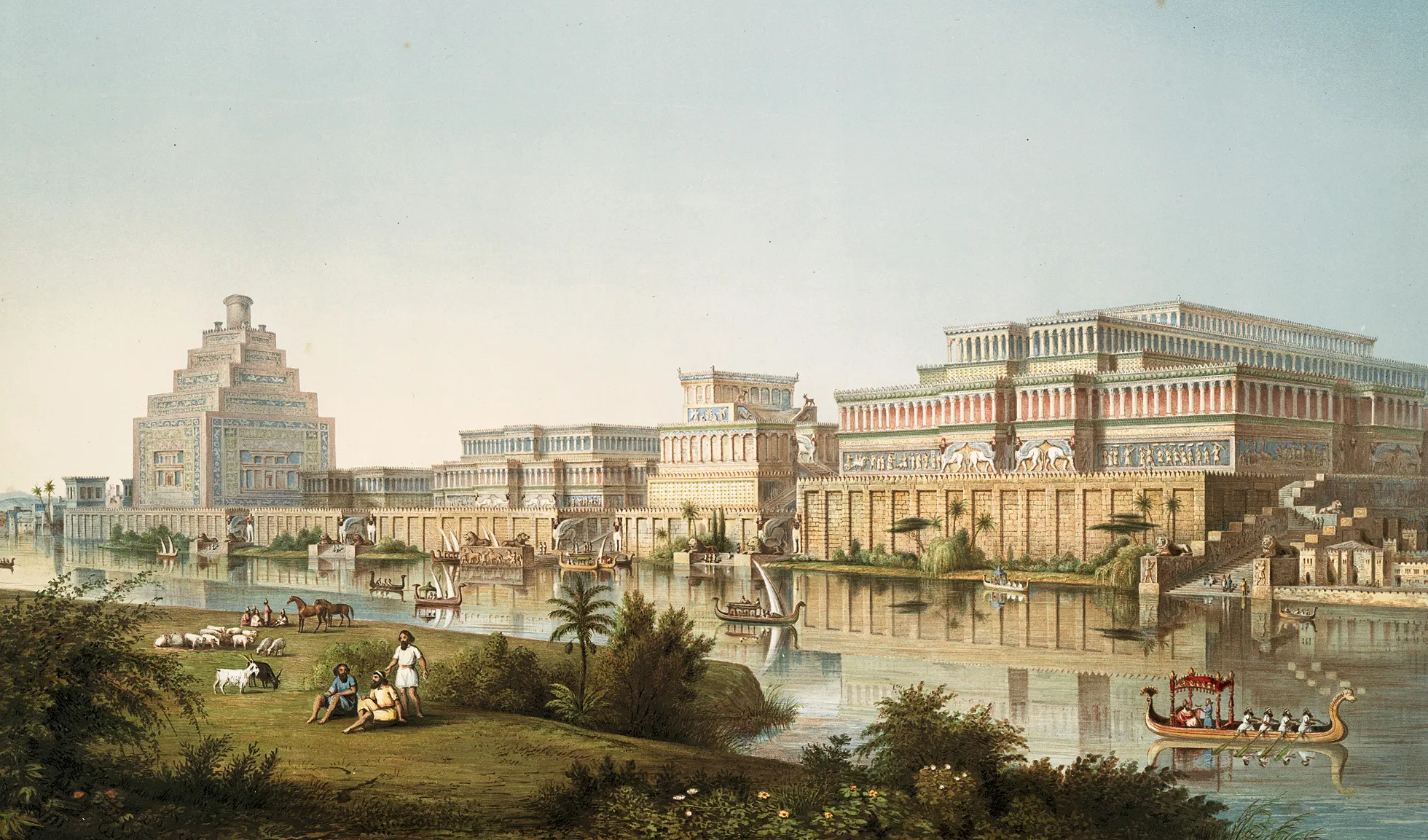
Who and where
1 name in this verse with a page on the site.
This page draws on 10 works. Open the list of works
This page draws on Adam Clarke, Commentary on the Bible; Albert Barnes, Notes, Explanatory and Practical, on the Old and New Testaments (1832-1869); Augustine of Hippo, City of God 18.31; Carl Friedrich Keil, The Twelve Minor Prophets; Cosmas Indicopleustes, The Christian Topography, Book 5; Edward Bouverie Pusey, The Minor Prophets: A Commentary; Jamieson, Fausset & Brown, Commentary Critical and Explanatory on the Whole Bible; Jerome, Commentary on Nahum; John Gill, Exposition of the Old Testament (1748-1763) and Matthew Henry, Commentary on the Whole Bible.