
Leviticus 20:3
in Leviticus 20And I will set My face against that man and cut him off from his people, because by giving his offspring to Molech, he has defiled My sanctuary and profaned My holy name.
BSB
The same verse in ASV and KJV ▾
ASV
I also will set my face against that man, and will cut him off from among his people; because he hath given of his seed unto Molech, to defile my sanctuary, and to profane my holy name.
KJV
And I will set my face against that man, and will cut him off from among his people; because he hath given of his seed unto Molech, to defile my sanctuary, and to profane my holy name.
⋯
This verse in Leviticus 20
Commentary
5 notes on this verseTo defile my sanctuary - Because the sanctuary was defiled by gross abominations committed in that city or land where God's sanctuary was: or because by these actions they declared to all men that they esteemed the sanctuary and service of God abominable and vile, by preferring such odious idolatry before it.
This site's exposition
the LORD spake unto Moses, saying
on Leviticus 20:1-3
Chapter 18 listed the things Israel may not do and chapter 20 sets the price on them, beginning with the one that costs a child. The name Molech occurs five times in the Torah and four of them fall in this chapter, the fifth at 18:21. The sentence is stoning, and the hands named are the people of the land, so the community carries out the judgment itself. Verse 3 adds a second sentence no court can execute, since God says he will set his face against that man and cut him off from among his people.
The record, by era
The Puritans and the Awakening3 voices
Abraham's offering Isaac could not give countenance, much less could it give rise to this barbarous practice, since, though that was commanded, it was immediately countermanded.
And I will set my face against that man,....
Note, Those that escape punishment from men, yet shall not escape the righteous judgments of God; so wretchedly do those deceive themselves that promise themselves impunity in sin. How can those escape against whom God sets his face, that is, whom he frowns upon, meets as an enemy, and fights against?
The words behind it
22 Hebrew wordsEvery Hebrew word of this verse in the order it stands, with what it means and the door to its own study. The last column counts the times a word stands in the whole Bible: the rarer the word, the more the places it appears belong together.
| Hebrew | Sound | Meaning | Word study | In the Bible |
|---|---|---|---|---|
| וַאֲנִ֞י | vaani | and I | H589 → | 874 times |
| אֶתֵּ֤ן | ʾeten | I will set | H5414 → | 2011 times |
| אֶת־ | ʾet- | <obj.> | H853 → | 10935 times |
| פָּנַי֙ | panai | face my | H6440 → | 2123 times |
| בָּאִ֣ישׁ | baish | on the person | H376 → | 1663 times |
| הַה֔וּא | hahu' | <the> that | H1931 → | 1879 times |
| וְהִכְרַתִּ֥י | vehikhrati | and I will cut off | H3772 → | 288 times |
| אֹת֖וֹ | ʾoto | <obj.> him | H853 → | 10935 times |
| מִקֶּ֣רֶב | mikerev | from among | H7130 → | 227 times |
| עַמּ֑וֹ | amo | people his | H5971 → | 1873 times |
| כִּ֤י | ki | for | H3588 → | 4482 times |
| מִזַּרְעוֹ֙ | mizaro | one of offspring his | H2233 → | 229 times |
| נָתַ֣ן | natan | he has given | H5414 → | 2011 times |
| לַמֹּ֔לֶךְ | lamolekh | to <the> Molech | H4432 → | 8 times |
| לְמַ֗עַן | lemaan | so as | H4616 → | 272 times |
| טַמֵּא֙ | tame' | to make unclean | H2930 → | 162 times |
| אֶת־ | ʾet- | <obj.> | H853 → | 10935 times |
| מִקְדָּשִׁ֔י | mikdashi | sanctuary my | H4720 → | 75 times |
| וּלְחַלֵּ֖ל | ulechalel | and to profane | H2490 → | 143 times |
| אֶת־ | ʾet- | <obj.> | H853 → | 10935 times |
| שֵׁ֥ם | shem | [the] name of | H8034 → | 864 times |
| קָדְשִֽׁי׃ | kodshi | holiness my | H6944 → | 469 times |
וַאֲנִ֞יand I
vaaniH589 →874 times
אֶתֵּ֤ןI will set
ʾetenH5414 →2011 times
אֶת־<obj.>
ʾet-H853 →10935 times
פָּנַי֙face my
panaiH6440 →2123 times
בָּאִ֣ישׁon the person
baishH376 →1663 times
הַה֔וּא<the> that
hahu'H1931 →1879 times
וְהִכְרַתִּ֥יand I will cut off
vehikhratiH3772 →288 times
אֹת֖וֹ<obj.> him
ʾotoH853 →10935 times
מִקֶּ֣רֶבfrom among
mikerevH7130 →227 times
עַמּ֑וֹpeople his
amoH5971 →1873 times
כִּ֤יfor
kiH3588 →4482 times
מִזַּרְעוֹ֙one of offspring his
mizaroH2233 →229 times
נָתַ֣ןhe has given
natanH5414 →2011 times
לַמֹּ֔לֶךְto <the> Molech
lamolekhH4432 →8 times
לְמַ֗עַןso as
lemaanH4616 →272 times
טַמֵּא֙to make unclean
tame'H2930 →162 times
אֶת־<obj.>
ʾet-H853 →10935 times
מִקְדָּשִׁ֔יsanctuary my
mikdashiH4720 →75 times
וּלְחַלֵּ֖לand to profane
ulechalelH2490 →143 times
אֶת־<obj.>
ʾet-H853 →10935 times
שֵׁ֥ם[the] name of
shemH8034 →864 times
קָדְשִֽׁי׃holiness my
kodshiH6944 →469 times
A shaded row is a word that stands 400 times or fewer in the Bible.
The walk
8 stopsEach card is a verse this one points to, and under it the verses that one points to in turn. Where several paths arrive at the same place, that place is listed first: the text keeps returning to it.
Through
2 Corinthians 6:16What agreement can exist between the temple of God and idols? For we are the temple of the living God. As God has said: “I will dwell with them and walk among them, and…
it leads to
- Revelation 21:3
And I heard a loud voice from the throne saying: “Behold, the dwelling place of God is with man, and He will dwell with them. They will be His people, and God Himself will…
- Exodus 29:45
Then I will dwell among the Israelites and be their God.
- Hebrews 8:10
For this is the covenant I will make with the house of Israel after those days, declares the Lord. I will put My laws in their minds and inscribe them on their hearts. And…
- Leviticus 26:12
I will walk among you and be your God, and you will be My people.
- Jeremiah 32:38
They will be My people, and I will be their God.
- Revelation 21:3
Through
Leviticus 17:10If anyone from the house of Israel or a foreigner living among them eats any blood, I will set My face against that person and cut him off from among his people.
it leads to
- Leviticus 17:11
For the life of the flesh is in the blood, and I have given it to you to make atonement for your souls upon the altar; for it is the blood that makes atonement…
- Deuteronomy 12:23
Only be sure not to eat the blood, because the blood is the life, and you must not eat the life with the meat.
- Leviticus 17:11
Through
Leviticus 18:21You must not give any of your children to be sacrificed to Molech, for you must not profane the name of your God. I am the LORD.
it leads to
- Deuteronomy 12:31
You must not worship the LORD your God in this way, because they practice for their gods every abomination which the LORD hates. They even burn their sons and daughters in the fire as…
- Deuteronomy 12:31
About Leviticus
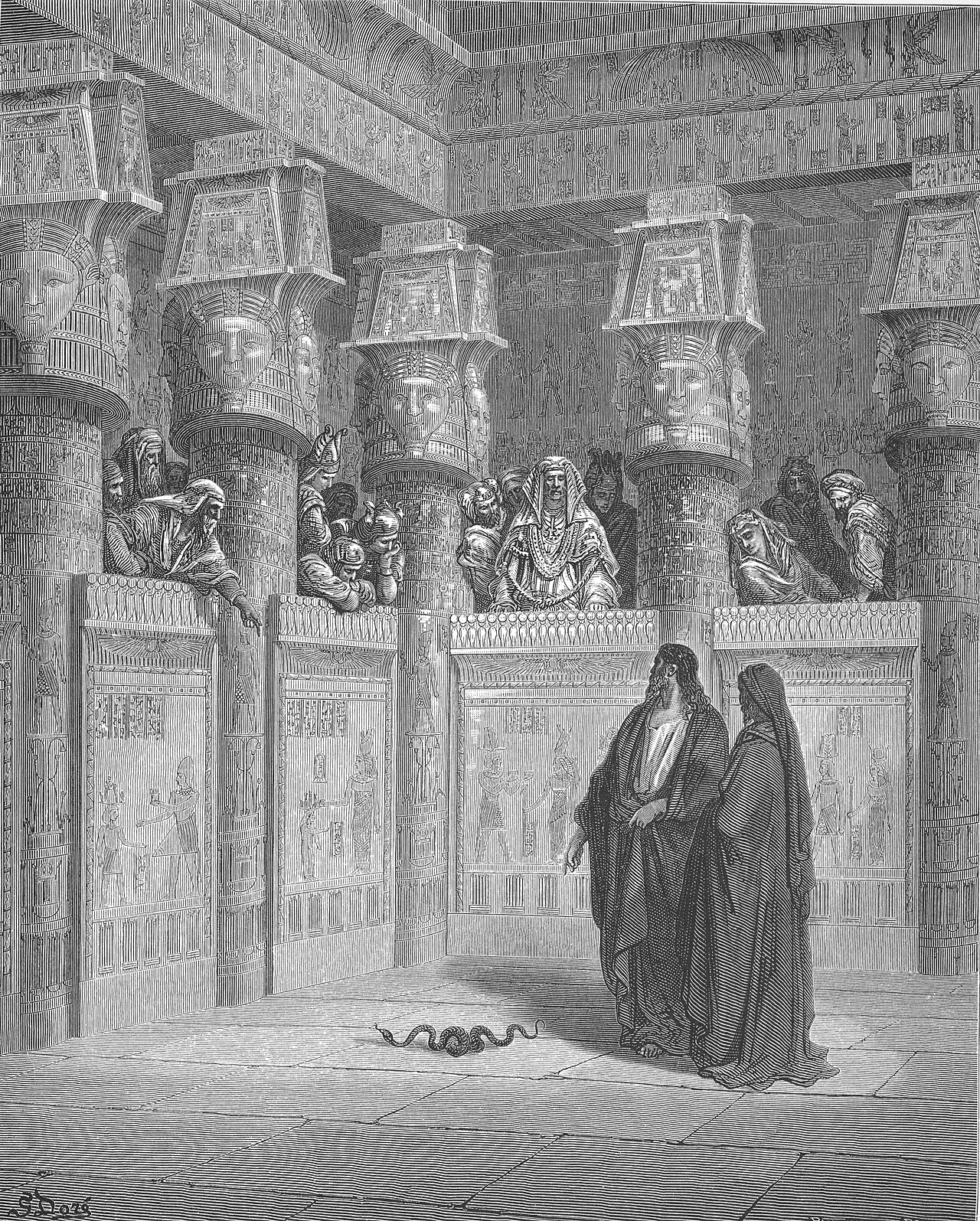
This page draws on John Gill, Exposition of the Old Testament; John Gill, Exposition of the Old Testament (1748-1763); John Wesley, Explanatory Notes upon the Old Testament and Matthew Henry, Commentary on the Whole Bible.