
Jeremiah 36:10
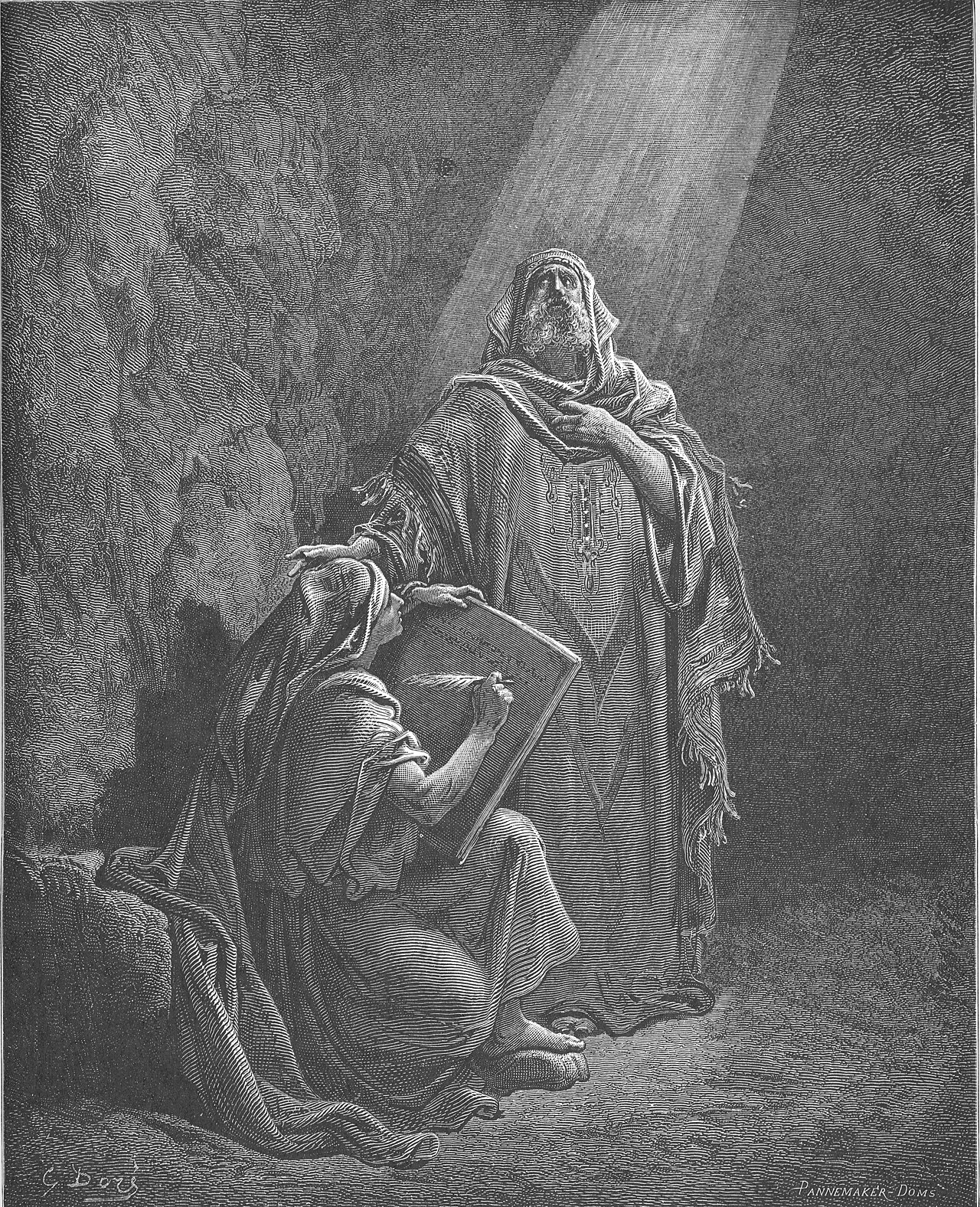
in Jeremiah 36From the chamber of Gemariah son of Shaphan the scribe, which was in the upper courtyard at the opening of the New Gate of the house of the LORD, Baruch read from the scroll the words of Jeremiah in the hearing of all the people.
BSB
The same verse in ASV and KJV ▾
ASV
Then read Baruch in the book the words of Jeremiah in the house of Jehovah, in the chamber of Gemariah the son of Shaphan the scribe, in the upper court, at the entry of the new gate of Jehovah’s house, in the ears of all the people.
KJV
Then read Baruch in the book the words of Jeremiah in the house of the Lord, in the chamber of Gemariah the son of Shaphan the scribe, in the higher court, at the entry of the new gate of the Lord’s house, in the ears of all the people.
⋯
This verse in Jeremiah 36
Commentary
5 notes on this verseA commentator
Albert Barnes1798–1870
Notes, Explanatory and Practical, on the Old and New Testaments (1832-1869)
Gemariah seems to have inherited his father’s office of public scribe or secretary of state (see 2Ki 22:3). As brother of Ahikam, he would be favorable to Jeremiah. The higher court - The inner court; into which it was not lawful for the people to enter, but the chamber probably itself formed one of its sides, and could be approached from the outer court.
This site's exposition
the fifth year of Jehoiakim the son of Josiah king of Judah
on Jeremiah 36:9-10
A full year passes before the occasion comes, the fast finally proclaimed in the fifth year, ninth month, drawing people from every city of Judah into Jerusalem at once. Baruch reads from a position of real visibility, the chamber of Gemariah the son of Shaphan, in the higher court at the entry of the new gate, a scribe's room chosen because Gemariah's family had already shown Jeremiah some sympathy. Henry notes the timing as providence rather than accident, a national fast assembling the very audience the roll needed and a friendly official's chamber giving Baruch a platform to reach it from.
The record, by era
The Puritans and the Awakening2 voices
Then read Baruch in the book the words of Jeremiah in the house of the Lord,....
Note, When we are speaking to God we must be willing to hear from him; and therefore, on days of fasting and prayer, it is requisite that the word be read and preached. Hearken unto me, that God may hearken unto you. For our help in suing out mercy and grace, it is proper that we should be told of sin and duty.
The Nineteenth Century1 voice
In the chamber of Gemariah - He was one of the princes of Judah. See Jer 36:12.
How the passage was read
What the Jewish commentators add
the new gate That is the Eastern Gate; so did Jonathan translate.
This section is reception history: how the passage was read and kept in the Jewish tradition. Where a reading parts from an essential of the Christian faith, the section says so at that point.
Texts and citation data: Sefaria; each excerpt follows its version’s licence. 7 further sources are cited on this chapter that carry no English text this site may quote or only restate the verse.
The words behind it
23 Hebrew wordsEvery Hebrew word of this verse in the order it stands, with what it means and the door to its own study. The last column counts the times a word stands in the whole Bible: the rarer the word, the more the places it appears belong together.
| Hebrew | Sound | Meaning | Word study | In the Bible |
|---|---|---|---|---|
| וַיִּקְרָ֨א | vaiyikra' | and he read aloud | H7121 → | 733 times |
| בָר֥וּךְ | varukh | Baruch | H1263 → | 26 times |
| בַּסֵּ֛פֶר | basefer | in the scroll | H5612 → | 186 times |
| אֶת־ | ʾet- | <obj.> | H853 → | 10935 times |
| דִּבְרֵ֥י | divrei | [the] words of | H1697 → | 1440 times |
| יִרְמְיָ֖הוּ | yirmeyahu | Jeremiah | H3414 → | 147 times |
| בֵּ֣ית | beit | [the] house of | H1004 → | 2046 times |
| יְהוָ֑ה | yahweh | Yahweh | H3068 → | 6520 times |
| בְּלִשְׁכַּ֡ת | belishkat | in [the] room of | H3957 → | 47 times |
| גְּמַרְיָהוּ֩ | gemaryahu | Gemariah | H1587 → | 5 times |
| בֶן־ | ven- | [the] son of | H1121 → | 4930 times |
| שָׁפָ֨ן | shafan | Shaphan | H8227 → | 34 times |
| הַסֹּפֵ֜ר | hasofer | the scribe | H5608 → | 159 times |
| בֶּחָצֵ֣ר | bechatzer | in the court | H2691 → | 191 times |
| הָעֶלְי֗וֹן | haelyon | <the> upper | H5945 → | |
| פֶּ֣תַח | petach | [the] entrance of | H6607 → | 164 times |
| שַׁ֤עַר | shaar | [the] gate of | H8179 → | 374 times |
| בֵּית־ | beit- | [the] house of | H1004 → | 2046 times |
| יְהוָה֙ | yahweh | Yahweh | H3068 → | 6520 times |
| הֶֽחָדָ֔שׁ | hechadash | <the> new | H2319 → | 53 times |
| בְּאָזְנֵ֖י | beazenei | in [the] ears of | H241 → | 187 times |
| כָּל־ | kol- | all | H3605 → | 5413 times |
| הָעָֽם׃ | haam | the people | H5971 → | 1873 times |
וַיִּקְרָ֨אand he read aloud
vaiyikra'H7121 →733 times
בָר֥וּךְBaruch
varukhH1263 →26 times
בַּסֵּ֛פֶרin the scroll
baseferH5612 →186 times
אֶת־<obj.>
ʾet-H853 →10935 times
דִּבְרֵ֥י[the] words of
divreiH1697 →1440 times
יִרְמְיָ֖הוּJeremiah
yirmeyahuH3414 →147 times
בֵּ֣ית[the] house of
beitH1004 →2046 times
יְהוָ֑הYahweh
yahwehH3068 →6520 times
בְּלִשְׁכַּ֡תin [the] room of
belishkatH3957 →47 times
גְּמַרְיָהוּ֩Gemariah
gemaryahuH1587 →5 times
בֶן־[the] son of
ven-H1121 →4930 times
שָׁפָ֨ןShaphan
shafanH8227 →34 times
הַסֹּפֵ֜רthe scribe
hasoferH5608 →159 times
בֶּחָצֵ֣רin the court
bechatzerH2691 →191 times
הָעֶלְי֗וֹן<the> upper
haelyonH5945 →
פֶּ֣תַח[the] entrance of
petachH6607 →164 times
שַׁ֤עַר[the] gate of
shaarH8179 →374 times
בֵּית־[the] house of
beit-H1004 →2046 times
יְהוָה֙Yahweh
yahwehH3068 →6520 times
הֶֽחָדָ֔שׁ<the> new
hechadashH2319 →53 times
בְּאָזְנֵ֖יin [the] ears of
beazeneiH241 →187 times
כָּל־all
kol-H3605 →5413 times
הָעָֽם׃the people
haamH5971 →1873 times
A shaded row is a word that stands 400 times or fewer in the Bible.
The walk
8 stopsEach card is a verse this one points to, and under it the verses that one points to in turn. Where several paths arrive at the same place, that place is listed first: the text keeps returning to it.
Through
Jeremiah 52:25Of those still in the city, he took a court official who had been appointed over the men of war, as well as seven trusted royal advisers. He also took the scribe of the…
it leads to
- 2 Kings 25:19
Of those still in the city, he took a court official who had been appointed over the men of war, as well as five royal advisors. He also took the scribe of the captain…
- Esther 1:14
His closest advisors were Carshena, Shethar, Admatha, Tarshish, Meres, Marsena, and Memucan, the seven princes of Persia and Media who had personal access to the king and ranked highest in the kingdom.
- 2 Kings 25:19
Through
2 Samuel 8:17Zadok son of Ahitub and Ahimelech son of Abiathar were priests; Seraiah was the scribe;
it leads to
- 1 Chronicles 18:16
Zadok son of Ahitub and Ahimelech son of Abiathar were priests; Shavsha was the scribe;
- 1 Chronicles 6:8
Ahitub was the father of Zadok, Zadok was the father of Ahimaaz,
- 1 Chronicles 16:39
And David left Zadok the priest and his fellow priests before the tabernacle of the LORD at the high place in Gibeon
- 1 Chronicles 24:3–4
With the help of Eleazar’s descendant Zadok and Ithamar’s descendant Ahimelech, David divided them according to the offices of their service.
- 1 Chronicles 18:16
Through
Jeremiah 36:25Even though Elnathan, Delaiah, and Gemariah urged the king not to burn the scroll, he would not listen to them.
it leads to
- Jeremiah 36:12
he went down to the scribe’s chamber in the king’s palace, where all the officials were sitting: Elishama the scribe, Delaiah son of Shemaiah, Elnathan son of Achbor, Gemariah son of Shaphan, Zedekiah son…
- Acts 5:34–39
But a Pharisee named Gamaliel, a teacher of the law who was honored by all the people, stood up in the Sanhedrin and ordered that the men be put outside for a short time.
- Jeremiah 36:12
Where this verse is studied
On this page
Studies3
On this verse
On this chapter
What the record shows
1 entry- Gemariah — attested in contemporary inscriptionundisputed
City of David bulla of 'Gemariah son of Shaphan'
Biblical figure (Official under Jehoiakim, 609-598 BC) identified in extra-biblical epigraphy.
Counterpoint: The bulla was properly excavated, but it records only a name and a father's name with no title. Lawrence Mykytiuk's standard for these identifications asks for three matching marks, typically name, father's name, and office, and this seal offers two.
About Jeremiah
Who and where
1 name in this verse with a page on the site.
This page draws on Adam Clarke, Commentary on the Bible; Albert Barnes, Notes, Explanatory and Practical, on the Old and New Testaments (1832-1869); Albert Barnes, Notes on the Old Testament; John Gill, Exposition of the Old Testament (1748-1763) and Matthew Henry, Commentary on the Whole Bible.