
Judges 21:4
in Judges 21The next day the people got up early, built an altar there, and presented burnt offerings and peace offerings.
BSB
The same verse in ASV and KJV ▾
ASV
And it came to pass on the morrow, that the people rose early, and built there an altar, and offered burnt-offerings and peace-offerings.
KJV
And it came to pass on the morrow, that the people rose early, and built there an altar, and offered burnt offerings and peace offerings.
⋯
This verse in Judges 21
Commentary
6 notes on this verseBuilt there an altar - This affords some evidence that this was not a regular place of worship, else an altar would have been found in the place; and their act was not according to the law, as may be seen in several places of the Pentateuch. But there was neither king nor law among them, and they did whatever appeared right in their own eyes.
This site's exposition
the people got up early, built an altar there
on Judges 21:4-5
They build an altar before they offer, which Clarke reads as evidence that the place held no standing altar of its own at that time. Then a second oath surfaces, also unrecorded when it was sworn, laying death on any man who failed to come up to Mizpeh. Two oaths are now on the record inside five verses, and the rest of the chapter is spent working around the first one by means of the second.
The record, by era
The Church Fathers1 voice
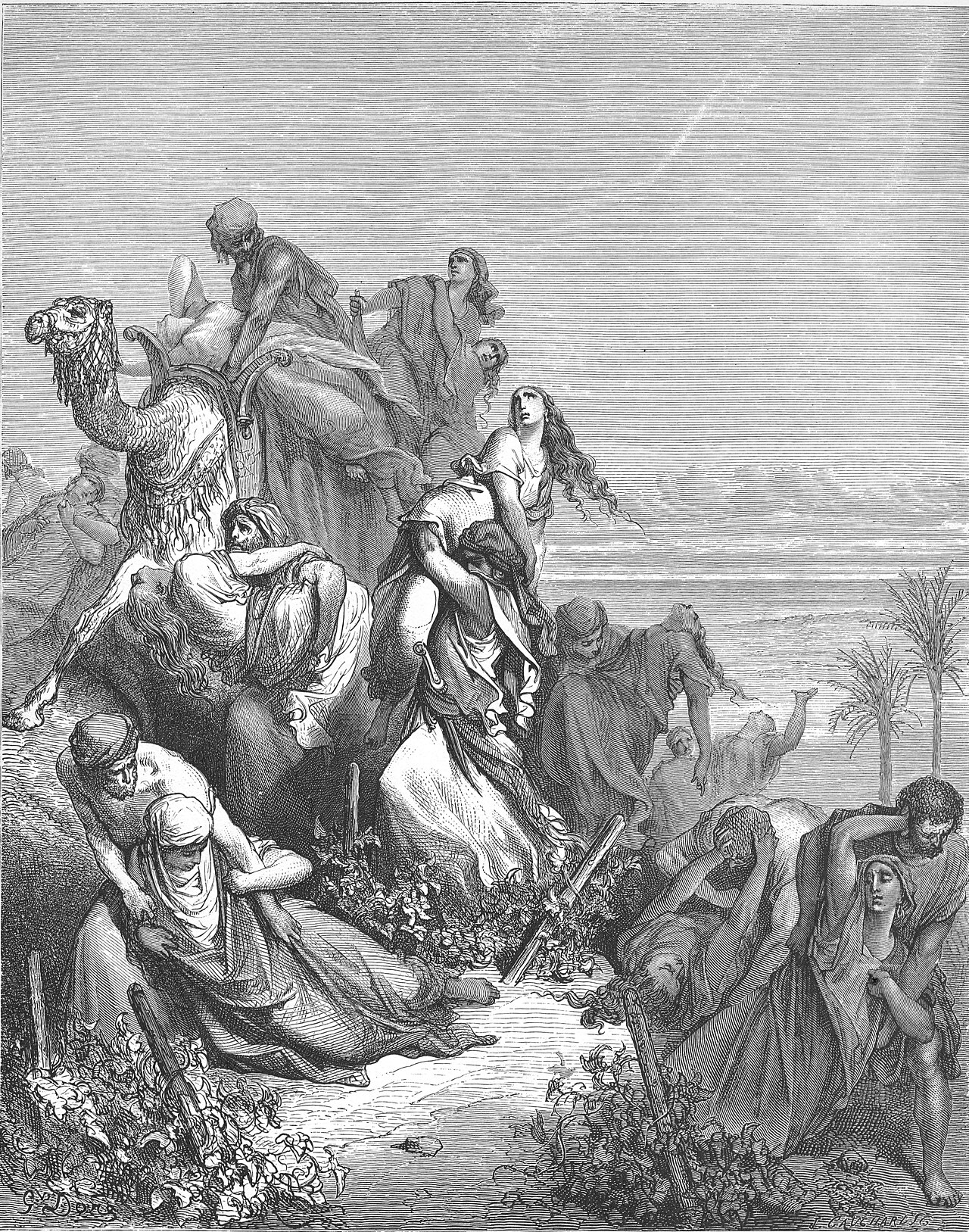
The end of the war was also the end of their wrath, and anger turned to sorrow. Then, putting off their armor, the men of Israel met together and wept much and celebrated a fast, grieving that one tribe of their brothers had perished and a strong band of people had been wiped out.
The Puritans and the Awakening1 voice
And it came to pass on the morrow, that the people rose early,....
The Nineteenth Century2 voices
A commentator
Jamieson, Fausset & Brown1802–1910
Commentary Critical and Explanatory on the Whole Bible (1871)
proposed
There is no previous record of this oath; but the purport of it was, that they would treat the perpetrators of this Gibeah atrocity in the same way as the Canaanites, who were doomed to destruction; and the entering into this solemn league was of a piece with the rest of their inconsiderate conduct in this whole affair.
A commentator
Albert Barnes1798–1870
Notes, Explanatory and Practical, on the Old and New Testaments (1832-1869)
proposed
It is not certain whether the brass altar was at Bethel at this time, or whether it may not have been elsewhere, e. g., at Shiloh with the tabernacle. Some, however, think that the altar here mentioned was “additional” to the brass altar, in consequence of the unusual number of sacrifices caused by the presence of the whole congregation (compare 1Ki 8:64 note).
The words behind it
10 Hebrew wordsEvery Hebrew word of this verse in the order it stands, with what it means and the door to its own study. The last column counts the times a word stands in the whole Bible: the rarer the word, the more the places it appears belong together.
| Hebrew | Sound | Meaning | Word study | In the Bible |
|---|---|---|---|---|
| וַֽיְהִי֙ | vayhi | and it was | H1961 → | 3559 times |
| מִֽמָּחֳרָ֔ת | mimochorat | from [the] next day | H4283 → | 32 times |
| וַיַּשְׁכִּ֣ימוּ | vaiyashkimu | and they rose early | H7925 → | 65 times |
| הָעָ֔ם | haam | the people | H5971 → | 1873 times |
| וַיִּבְנוּ־ | vaiyivnu- | and they built | H1129 → | 376 times |
| שָׁ֖ם | sham | there | H8033 → | 834 times |
| מִזְבֵּ֑חַ | mizbeach | an altar | H4196 → | 401 times |
| וַיַּעֲל֥וּ | vaiyaalu | and they offered up | H5927 → | 890 times |
| עֹל֖וֹת | olot | burnt offerings | H5930 → | 287 times |
| וּשְׁלָמִֽים׃ פ | ushelamim | and peace offerings | H8002 → |
וַֽיְהִי֙and it was
vayhiH1961 →3559 times
מִֽמָּחֳרָ֔תfrom [the] next day
mimochoratH4283 →32 times
וַיַּשְׁכִּ֣ימוּand they rose early
vaiyashkimuH7925 →65 times
הָעָ֔םthe people
haamH5971 →1873 times
וַיִּבְנוּ־and they built
vaiyivnu-H1129 →376 times
שָׁ֖םthere
shamH8033 →834 times
מִזְבֵּ֑חַan altar
mizbeachH4196 →401 times
וַיַּעֲל֥וּand they offered up
vaiyaaluH5927 →890 times
עֹל֖וֹתburnt offerings
olotH5930 →287 times
וּשְׁלָמִֽים׃ פand peace offerings
ushelamimH8002 →
A shaded row is a word that stands 400 times or fewer in the Bible.
The walk
8 stopsEach card is a verse this one points to, and under it the verses that one points to in turn. Where several paths arrive at the same place, that place is listed first: the text keeps returning to it.
Through
Hosea 5:15Then I will return to My place until they admit their guilt and seek My face; in their affliction they will earnestly seek Me.”
it leads to
- Isaiah 26:16
O LORD, they sought You in their distress; when You disciplined them, they poured out a quiet prayer.
- Jeremiah 29:12–14
Then you will call upon Me and come and pray to Me, and I will listen to you.
- Psalms 78:34
When He slew them, they would seek Him; they repented and searched for God.
- Deuteronomy 4:29–31
But if from there you will seek the LORD your God, you will find Him if you seek Him with all your heart and with all your soul.
- Leviticus 26:40–42
But if they will confess their iniquity and that of their fathers in the unfaithfulness that they practiced against Me, by which they have also walked in hostility toward Me—
- Isaiah 26:16
Through
2 Samuel 24:25And there he built an altar to the LORD and offered burnt offerings and peace offerings. Then the LORD answered the prayers on behalf of the land, and the plague upon Israel was halted.
it leads to
- 2 Samuel 21:14
And they buried the bones of Saul and his son Jonathan in Zela in the land of Benjamin, in the tomb of Saul’s father Kish. After they had done everything the king had commanded,…
- Lamentations 3:32–33
Even if He causes grief, He will show compassion according to His abundant loving devotion.
- 2 Samuel 24:14
David answered Gad, “I am deeply distressed. Please, let us fall into the hand of the LORD, for His mercies are great; but do not let me fall into the hands of men.”
- 2 Samuel 21:14
Where this verse is studied
On this page
Studies1
About Judges
This page draws on Adam Clarke, Commentary on the Bible; Albert Barnes, Notes, Explanatory and Practical, on the Old and New Testaments (1832-1869); Ambrose of Milan, LETTER 33; Jamieson, Fausset & Brown, Commentary Critical and Explanatory on the Whole Bible; John Gill, Exposition of the Old Testament and John Gill, Exposition of the Old Testament (1748-1763).