
Isaiah 14:6
in Isaiah 14It struck the peoples in anger with unceasing blows; it subdued the nations in rage with relentless persecution.
BSB
The same verse in ASV and KJV ▾
ASV
that smote the peoples in wrath with a continual stroke, that ruled the nations in anger, with a persecution that none restrained.
KJV
He who smote the people in wrath with a continual stroke, he that ruled the nations in anger, is persecuted, and none hindereth.
⋯
This verse in Isaiah 14
Commentary
8 notes on this verseA commentator
Albert Barnes1798–1870
Notes, Explanatory and Practical, on the Old and New Testaments (1832-1869)
He who smote - This may either refer to the king of Babylon, or to the rod or scepter which he had used, and which was now broken. Herder refers it to the scepter, ‘that which smote the nations.’ (On the meaning of the word “smote,” see the notes at Isa 10:20) The people - The nations that were subject to his authority. With a continual stroke - Margin, ‘A stroke without removing.’ Vulgate, Plaga insanabili - ‘With an incurable plague.’ - Septuagint the same - Πληγῇ ἀνιάτῳ Plēgē aniatō.
This site's exposition
this proverb against the king of Babylon
on Isaiah 14:4-8
This proverb against the king of Babylon names the taunt-song's target plainly, the Hebrew mashal a form of mocking poetry taken up once an oppressor falls. The whole earth breaking into singing pictures relief on a global scale, and the fir trees and cedars of Lebanon personified as rejoicing because no feller comes against them anymore point to a real economic burden: Babylon's building projects consumed Lebanon's timber for palaces and siege engines, and the forests themselves are pictured breathing easier. The taunt's opening line sets its tone before a single specific charge is laid against the king.
The record, by era
The Church Fathers1 voice
(Verse 6) That struck the people in anger with a continual stroke, that ruled the nations in wrath with a relentless persecution. Whose blow could not be withstood, who even cruelly pursued those fleeing.
The Medieval Church1 voice
That struck the people in wrath with an incurable wound, that brought nations under in fury, that persecuted in a cruel manner: how is the hammer of the whole earth broken, and destroyed (Jer 50:32).
The Puritans and the Awakening3 voices
), to gratify his own peevish resentments, and that with a continual stroke, pursued them with his forces, and gave them no respite, no breathing time, no cessation of arms. He ruled the nations, but he ruled them in anger, every thing he said and did was in a passion; so that he who had the government of all about him had no government of himself.
quarantine:debris (2026-07-29) — leading-punctuation+unbalanced-parens
); violent hands are laid upon him, and none hinders. It is the common fate of tyrants, when they fall into the power of their enemies, to be deserted by their flatterers, whom they took for their friends. We read of another enemy like this, of whom it is foretold that he shall come to his end and none shall help him, Dan. xi.
quarantine:debris (2026-07-29) — leading-punctuation+unbalanced-parens
He who smote the people in wrath with a continual stroke,....
1 more voice on this verse
The Nineteenth Century1 voice
A commentator
Jamieson, Fausset & Brown1802–1910
Commentary Critical and Explanatory on the Whole Bible (1871)
proposed
people--the peoples subjected to Babylon. is persecuted--the Hebrew is rather, active, "which persecuted them, without any to hinder him" [Vulgate, JEROME, and HORSLEY].
quarantine:debris (2026-07-29) — starts-lowercase
The words behind it
12 Hebrew wordsEvery Hebrew word of this verse in the order it stands, with what it means and the door to its own study. The last column counts the times a word stands in the whole Bible: the rarer the word, the more the places it appears belong together.
| Hebrew | Sound | Meaning | Word study | In the Bible |
|---|---|---|---|---|
| מַכֶּ֤ה | makeh | [which] struck | H5221 → | 499 times |
| עַמִּים֙ | ʾamim | peoples | H5971 → | 1873 times |
| בְּעֶבְרָ֔ה | beevrah | in wrath | H5678 → | 34 times |
| מַכַּ֖ת | makat | a blow | H4347 → | 48 times |
| בִּלְתִּ֣י | bilti | <of> not | H1115 → | 112 times |
| סָרָ֑ה | sarah | ceasing | H5627 → | 8 times |
| רֹדֶ֤ה | rodeh | [which] ruled | H7287 → | 26 times |
| בָאַף֙ | vaaf | in <the> anger | H639 → | 276 times |
| גּוֹיִ֔ם | goyim | nations | H1471 → | 561 times |
| מֻרְדָּ֖ף | murdaf | persecution | H4783 → | |
| בְּלִ֥י | beli | [which] not | H1097 → | 58 times |
| חָשָֽׂךְ׃ | chasakh | anyone restrained | H2820 → | 28 times |
מַכֶּ֤ה[which] struck
makehH5221 →499 times
עַמִּים֙peoples
ʾamimH5971 →1873 times
בְּעֶבְרָ֔הin wrath
beevrahH5678 →34 times
מַכַּ֖תa blow
makatH4347 →48 times
בִּלְתִּ֣י<of> not
biltiH1115 →112 times
סָרָ֑הceasing
sarahH5627 →8 times
רֹדֶ֤ה[which] ruled
rodehH7287 →26 times
בָאַף֙in <the> anger
vaafH639 →276 times
גּוֹיִ֔םnations
goyimH1471 →561 times
מֻרְדָּ֖ףpersecution
murdafH4783 →
בְּלִ֥י[which] not
beliH1097 →58 times
חָשָֽׂךְ׃anyone restrained
chasakhH2820 →28 times
A shaded row is a word that stands 400 times or fewer in the Bible.
The walk
8 stopsEach card is a verse this one points to, and under it the verses that one points to in turn. Where several paths arrive at the same place, that place is listed first: the text keeps returning to it.
Through
James 2:13For judgment without mercy will be shown to anyone who has not been merciful. Mercy triumphs over judgment.
it leads to
- Matthew 5:7
Blessed are the merciful, for they will be shown mercy.
- Proverbs 21:13
Whoever shuts his ears to the cry of the poor, he too shall cry out and receive no answer.
- Matthew 6:15
But if you do not forgive men their trespasses, neither will your Father forgive yours.
- Luke 6:37
Do not judge, and you will not be judged. Do not condemn, and you will not be condemned. Forgive, and you will be forgiven.
- Ephesians 2:4–7
But because of His great love for us, God, who is rich in mercy,
- Matthew 5:7
Through
Jeremiah 50:31“Behold, I am against you, O arrogant one,” declares the Lord GOD of Hosts, “for your day has come, the time when I will punish you.
it leads to
- Jeremiah 50:29
Summon the archers against Babylon, all who string the bow. Encamp all around her; let no one escape. Repay her according to her deeds; do to her as she has done. For she has…
- Jeremiah 21:13
Behold, I am against you who dwell above the valley, atop the rocky plateau—declares the LORD—you who say, “Who can come against us? Who can enter our dwellings?”
- Habakkuk 2:4–5
Look at the proud one; his soul is not upright—but the righteous will live by faith—
- Jeremiah 50:29
Where this verse is studied
On this page
About Isaiah
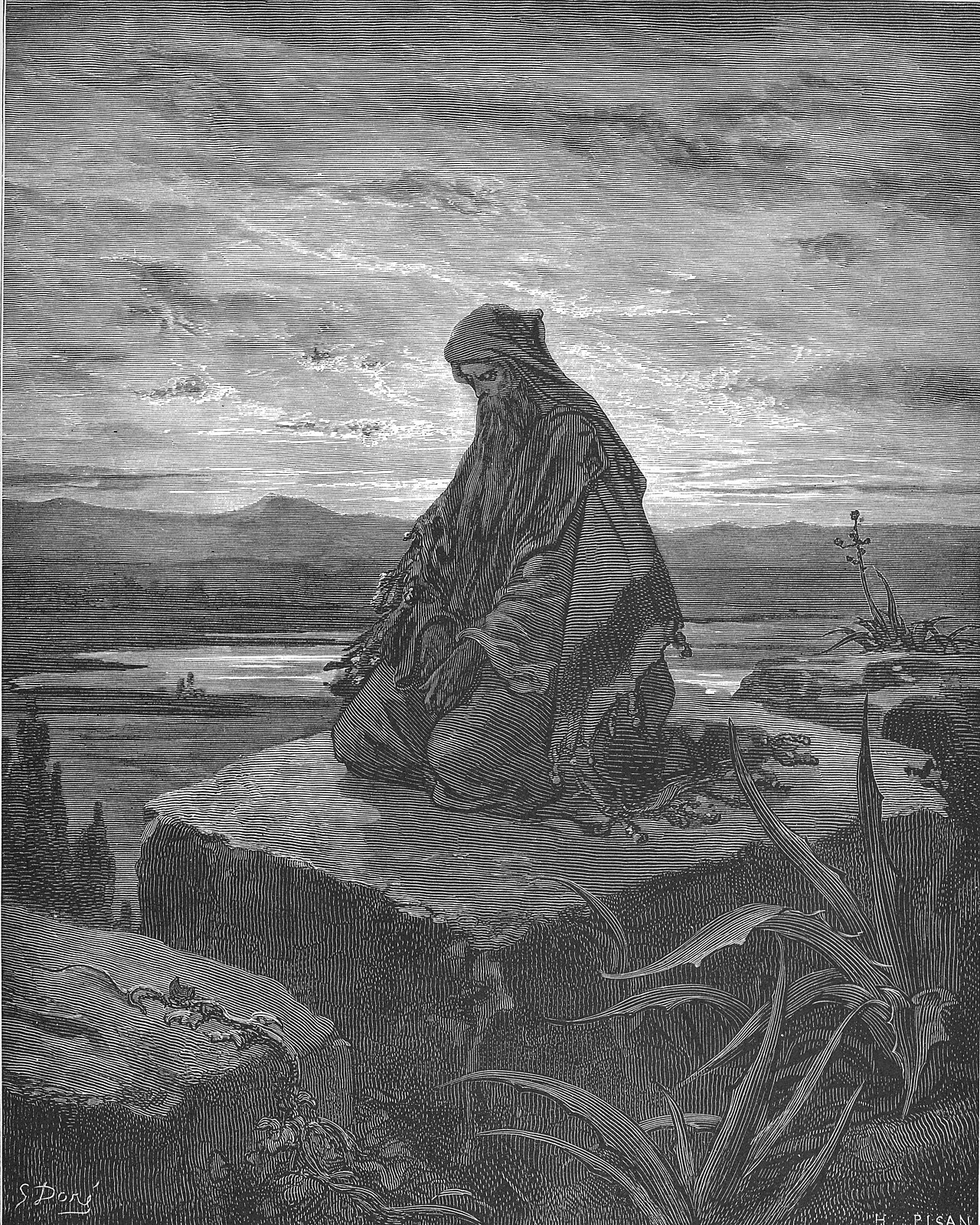
This page draws on Albert Barnes, Notes, Explanatory and Practical, on the Old and New Testaments (1832-1869); Albert Barnes, Notes on the Book of Isaiah; Franz Delitzsch, Biblical Commentary on the Prophecies of Isaiah; Jamieson, Fausset & Brown, Commentary Critical and Explanatory on the Whole Bible; Jerome, Commentary on Isaiah; John Gill, Exposition of the Old Testament (1748-1763); Matthew Henry, Commentary on the Whole Bible and Thomas Aquinas, Commentary on Isaiah.