
Ezekiel 27:9
in Ezekiel 27The elders of Gebal were aboard as shipwrights, repairing your leaks. All the ships of the sea and their sailors came alongside to barter for your merchandise.
BSB
The same verse in ASV and KJV ▾
ASV
The old men of Gebal and the wise men thereof were in thee thy calkers: all the ships of the sea with their mariners were in thee to deal in thy merchandise.
KJV
The ancients of Gebal and the wise men thereof were in thee thy calkers: all the ships of the sea with their mariners were in thee to occupy thy merchandise.
⋯
This verse in Ezekiel 27
Commentary
8 notes on this verseThe ancients of Gebal,.... A promontory of the Phoenicians, the same with the Gabale of Pliny (n), and with the land of the Giblites, Jos 13:5. It was by the Greeks called Byblus; and so the Septuagint here render the words, the elders of Bybli or Byblus, a place once famous for the birth and temple of Adonis; it is now called Gibyle.
This site's exposition
Zidon and Arvad were thy mariners
on Ezekiel 27:8-9
The crew is drawn the same way as the timber, Zidon and Arvad supplying mariners, Tyre's own wise men serving as pilots, and the ancients of Gebal, the Phoenician city the Greeks called Byblos, working as calkers who sealed the ship's seams. All the ships of the sea with their mariners were in thee to occupy thy merchandise widens the picture from one vessel to a whole fleet drawing on Tyre's harbor for its trade. Gill notes the specificity of each city's trade, mariners here, pilots there, calkers elsewhere, as evidence of a maritime economy organized by specialized skill rather than by chance.
The record, by era
The Church Fathers1 voice
(Vers. 8, 9.) The inhabitants of Sidon and Arad were your sailors. Your wise men, Tyre, became your captains. The elders of Biblos and their wise men provided sailors for the service of your various goods. All the ships of the sea and their sailors were in the service of your commerce. LXX: Your princes dwelled in Sidon and the men of Arad were your sailors. Your wise men, Sora, who were in you, they were your captains.
The Puritans and the Awakening2 voices
); for there is more need of wisdom and prudence to repair what has gone to decay than to build anew. In public matters there is occasion for the ancients and wise men to be the repairers of the breaches and the restorers of paths to dwell in.
quarantine:debris (2026-07-29) — leading-punctuation+unbalanced-parens
), which is designed to make its ruin the more lamentable. A prediction of its fall and ruin, and the confusion and consternation which all its neighbours shall thereby be put into,
quarantine:debris (2026-07-29) — leading-punctuation+unbalanced-parens
The Nineteenth Century2 voices
A commentator
Albert Barnes1798–1870
Notes, Explanatory and Practical, on the Old and New Testaments (1832-1869)
Gebal - i. e., Byblos (modern Gebeil) in Phoenicia, the chief seat of the worship of Adonis, and situated on an eminence over-looking the river Adonis, north of Beirut, not far from the Mediterranean sea. The “ancients” is a term for the council that presided over maritime cities.
A commentator
Jamieson, Fausset & Brown1802–1910
Commentary Critical and Explanatory on the Whole Bible (1871)
proposed
Gebal--a Phœnician city and region between Beirut and Tripolis, famed for skilled workmen (1Ki 5:18, Margin; Ps 83:7). calkers--stoppers of chinks in a vessel: carrying on the metaphor as to Tyre. occupy thy merchandise--that is, to exchange merchandise with thee.
quarantine:debris (2026-07-29) — unbalanced-curly-quotes
1 more voice on this verse
The Nineteenth Century1 voice
The ancients of Gebal - This was a city of Phoenicia, near Mount Libanus, Jos 13:5. It was called Biblos by the Greeks. Thy calkers - Those who repaired their vessels; paying, as it is termed, pitched hemp into the seams, to prevent the water from oozing through. To occupy thy merchandise - That is, to be thy agents or factors.
The words behind it
15 Hebrew wordsEvery Hebrew word of this verse in the order it stands, with what it means and the door to its own study. The last column counts the times a word stands in the whole Bible: the rarer the word, the more the places it appears belong together.
| Hebrew | Sound | Meaning | Word study | In the Bible |
|---|---|---|---|---|
| זִקְנֵ֨י | ziknei | [the] elders of | H2205 → | 178 times |
| גְבַ֤ל | geval | Gebal | H1380 → | |
| וַחֲכָמֶ֙יהָ֙ | vachakhameiha | and wise [people] its | H2450 → | 138 times |
| הָ֣יוּ | hayu | they were | H1961 → | 3559 times |
| בָ֔ךְ | vakh | in you | ||
| מַחֲזִיקֵ֖י | machazikei | [the] repairers of | H2388 → | 291 times |
| בִּדְקֵ֑ךְ | bidkekh | leaks your | H919 → | |
| כָּל־ | kol- | all | H3605 → | 5413 times |
| אֳנִיּ֨וֹת | ʾoniyot | [the] ships of | H591 → | 31 times |
| הַיָּ֤ם | haiyam | the sea | H3220 → | 396 times |
| וּמַלָּֽחֵיהֶם֙ | umalacheihem | and mariners their | H4419 → | 4 times |
| הָ֣יוּ | hayu | they were | H1961 → | 3559 times |
| בָ֔ךְ | vakh | in you | ||
| לַעֲרֹ֖ב | laaro | to trade | H6148 → | |
| מַעֲרָבֵֽךְ׃ | maaravekh | merchandise your | H4627 → | 9 times |
זִקְנֵ֨י[the] elders of
zikneiH2205 →178 times
גְבַ֤לGebal
gevalH1380 →
וַחֲכָמֶ֙יהָ֙and wise [people] its
vachakhameihaH2450 →138 times
הָ֣יוּthey were
hayuH1961 →3559 times
בָ֔ךְin you
vakh
מַחֲזִיקֵ֖י[the] repairers of
machazikeiH2388 →291 times
בִּדְקֵ֑ךְleaks your
bidkekhH919 →
כָּל־all
kol-H3605 →5413 times
אֳנִיּ֨וֹת[the] ships of
ʾoniyotH591 →31 times
הַיָּ֤םthe sea
haiyamH3220 →396 times
וּמַלָּֽחֵיהֶם֙and mariners their
umalacheihemH4419 →4 times
הָ֣יוּthey were
hayuH1961 →3559 times
בָ֔ךְin you
vakh
לַעֲרֹ֖בto trade
laaroH6148 →
מַעֲרָבֵֽךְ׃merchandise your
maaravekhH4627 →9 times
A shaded row is a word that stands 400 times or fewer in the Bible.
The walk
8 stopsEach card is a verse this one points to, and under it the verses that one points to in turn. Where several paths arrive at the same place, that place is listed first: the text keeps returning to it.
Through
Psalms 83:7of Gebal, Ammon, and Amalek, of Philistia with the people of Tyre.
it leads to
- Joshua 13:5
the land of the Gebalites; and all Lebanon to the east, from Baal-gad below Mount Hermon to Lebo-hamath.
Reached by 2 separate paths from here.
- Ezekiel 27:3
Tell Tyre, who dwells at the gateway to the sea, merchant of the peoples on many coasts, that this is what the Lord GOD says: You have said, O Tyre, ‘I am perfect in…
- 1 Samuel 4:1
Thus the word of Samuel came to all Israel. Now the Israelites went out to meet the Philistines in battle and camped at Ebenezer, while the Philistines camped at Aphek.
- Joshua 13:5
Through
Joshua 13:5the land of the Gebalites; and all Lebanon to the east, from Baal-gad below Mount Hermon to Lebo-hamath.
it leads to
- Psalms 83:7
of Gebal, Ammon, and Amalek, of Philistia with the people of Tyre.
Reached by 2 separate paths from here.
- 1 Kings 5:18
So Solomon’s and Hiram’s builders, along with the Gebalites, quarried the stone and prepared the timber and stone for the construction of the temple.
- Joshua 12:7
And these are the kings of the land that Joshua and the Israelites conquered beyond the Jordan to the west, from Baal-gad in the Valley of Lebanon to Mount Halak, which rises toward Seir…
- Joshua 11:17
from Mount Halak, which rises toward Seir, as far as Baal-gad in the Valley of Lebanon at the foot of Mount Hermon. He captured all their kings and struck them down, putting them to…
- Numbers 34:8
and from Mount Hor to Lebo-hamath, then extend to Zedad,
- Psalms 83:7
About Ezekiel
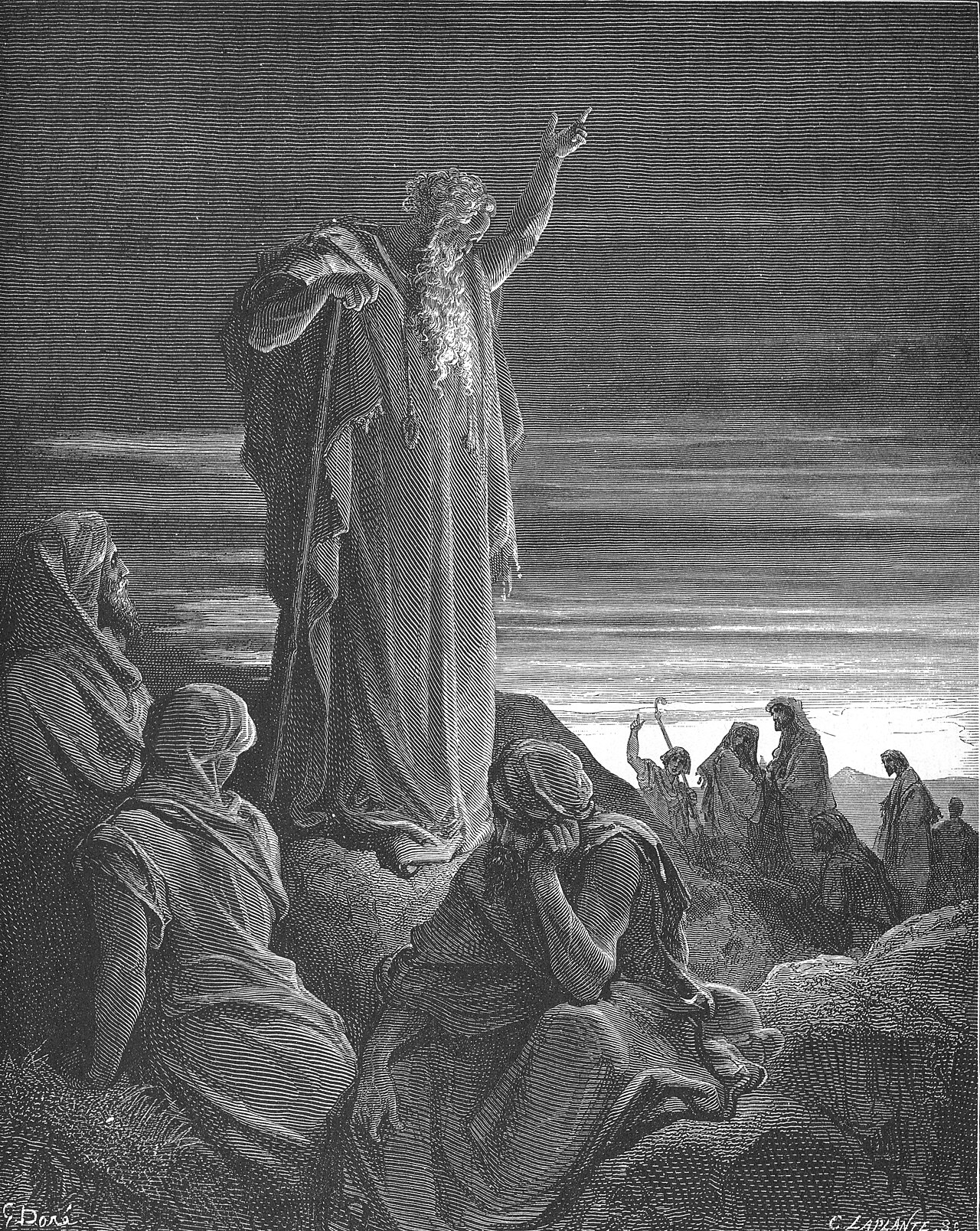
This page draws on Adam Clarke, Commentary on the Bible; Albert Barnes, Notes, Explanatory and Practical, on the Old and New Testaments (1832-1869); Carl Friedrich Keil, Biblical Commentary on the Prophecies of Ezekiel; Jamieson, Fausset & Brown, Commentary Critical and Explanatory on the Whole Bible; Jerome, Commentary on Ezekiel; John Gill, Exposition of the Old Testament (1748-1763); John Gill, Exposition of the Old Testament and Matthew Henry, Commentary on the Whole Bible.