
Ezekiel 21:6
in Ezekiel 21But you, son of man, groan! Groan before their eyes with a broken heart and bitter grief.
BSB
The same verse in ASV and KJV ▾
ASV
Sigh therefore, thou son of man; with the breaking of thy loins and with bitterness shalt thou sigh before their eyes.
KJV
Sigh therefore, thou son of man, with the breaking of thy loins; and with bitterness sigh before their eyes.
⋯
This verse in Ezekiel 21
Commentary
4 notes on this verseon Ezekiel 21:6-7
(Vers. 6, 7.) And you, son of man, groan in the breaking of your loins, and groan bitterly before them. And when they say to you, 'Why do you groan?' you shall say, 'Because of the news, for it is coming, and every heart shall melt, and all hands shall be loosened, and every spirit shall faint, and water shall flow from all knees. Behold, it is coming, and it shall be,' says the Lord (Vulgate adds 'God'). LXX: And you, son of man, groan in the breaking of your loins, and groan in pains before them.
This site's exposition
with the breaking of thy loins
on Ezekiel 21:6-7
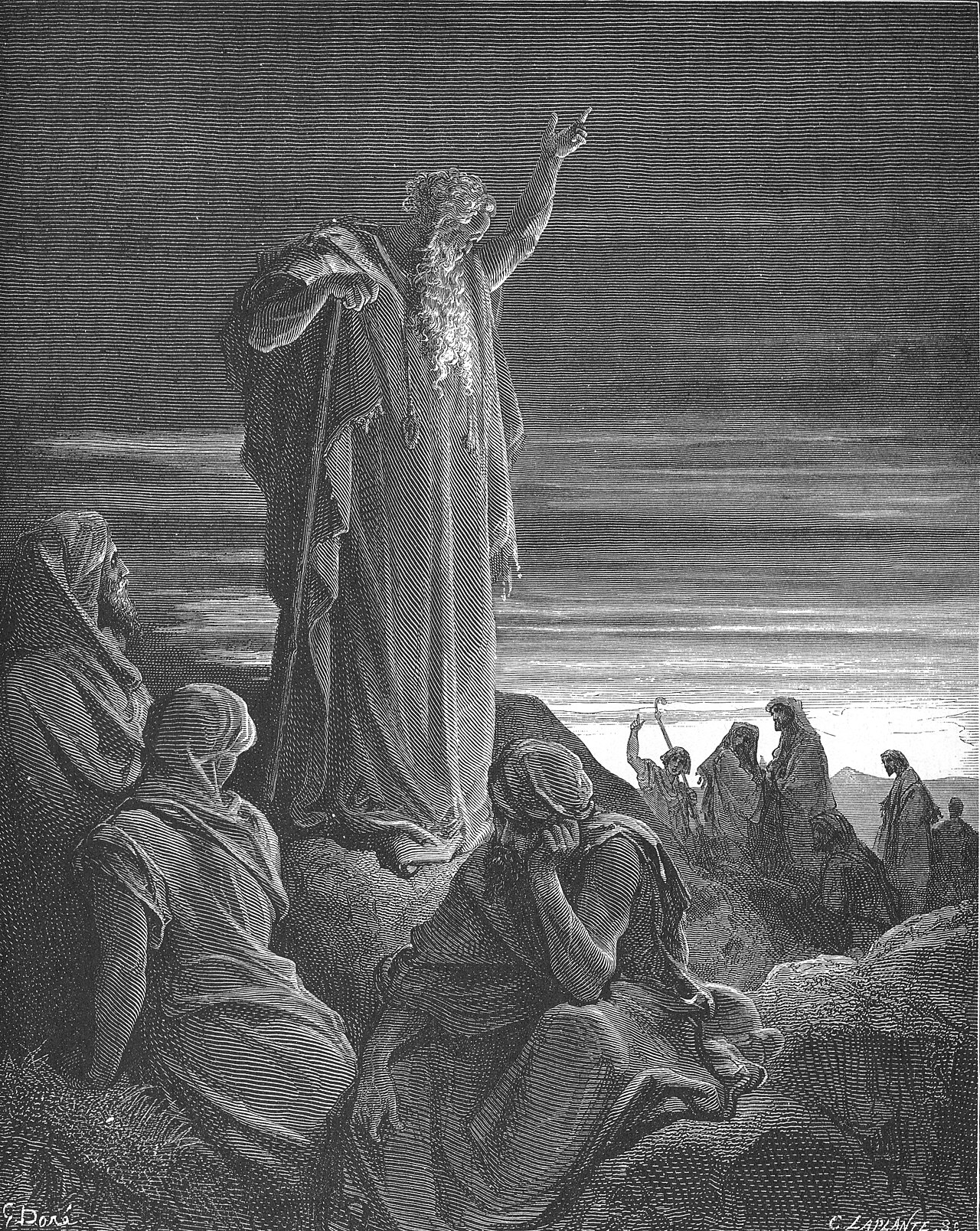
The prophet is himself made a sign again, commanded to sigh with the breaking of thy loins and with bitterness before the eyes of the exiles watching him. When they ask the reason he is to answer only for the tidings, because it cometh, refusing to explain further until the news itself explains it. Henry reads the bodily collapse the verse then describes, every heart shall melt, all hands feeble, all knees weak as water, as Ezekiel's own body rehearsing in advance the terror Jerusalem's people would feel when the siege actually began.
The record, by era
The Puritans and the Awakening1 voice
But, if we be beside ourselves it is to God; and, if this be to be vile, we will be yet more so. Note, Ministers, if they would affect others with the things they speak of, must show that they are themselves in the greatest sincerity affected with them, and must submit to that which may create uneasiness to themselves, so that it will promote the ends of their ministry.
The Nineteenth Century1 voice
Sigh - with the breaking of thy loins - Let thy mourning for this sore calamity be like that of a woman in the pains of travail.
The words behind it
9 Hebrew wordsEvery Hebrew word of this verse in the order it stands, with what it means and the door to its own study. The last column counts the times a word stands in the whole Bible: the rarer the word, the more the places it appears belong together.
| Hebrew | Sound | Meaning | Word study | In the Bible |
|---|---|---|---|---|
| וְאַתָּ֥ה | veatah | and you | H859 → | 1094 times |
| בֶן־ | ven- | O son of | H1121 → | 4930 times |
| אָדָ֖ם | ʾadam | humankind | H120 → | 551 times |
| הֵֽאָנַ֑ח | heanach | groan | H584 → | 13 times |
| בְּשִׁבְר֤וֹן | beshivron | with breaking of | H7670 → | |
| מָתְנַ֙יִם֙ | matenayim | loins | H4975 → | 47 times |
| וּבִמְרִיר֔וּת | uvimrirut | and with bitterness | H4814 → | |
| תֵּֽאָנַ֖ח | teanach | you will groan | H584 → | 13 times |
| לְעֵינֵיהֶֽם׃ | leeineihem | to eyes their | H5869 → | 887 times |
וְאַתָּ֥הand you
veatahH859 →1094 times
בֶן־O son of
ven-H1121 →4930 times
אָדָ֖םhumankind
ʾadamH120 →551 times
הֵֽאָנַ֑חgroan
heanachH584 →13 times
בְּשִׁבְר֤וֹןwith breaking of
beshivronH7670 →
מָתְנַ֙יִם֙loins
matenayimH4975 →47 times
וּבִמְרִיר֔וּתand with bitterness
uvimrirutH4814 →
תֵּֽאָנַ֖חyou will groan
teanachH584 →13 times
לְעֵינֵיהֶֽם׃to eyes their
leeineihemH5869 →887 times
A shaded row is a word that stands 400 times or fewer in the Bible.
The walk
8 stopsEach card is a verse this one points to, and under it the verses that one points to in turn. Where several paths arrive at the same place, that place is listed first: the text keeps returning to it.
Through
Habakkuk 3:16I heard and trembled within; my lips quivered at the sound. Decay entered my bones; I trembled where I stood. Yet I must wait patiently for the day of distress to come upon the…
it leads to
- Jeremiah 23:9
As for the prophets: My heart is broken within me, and all my bones tremble. I have become like a drunkard, like a man overcome by wine, because of the LORD, because of His…
- Habakkuk 3:2
O LORD, I have heard the report of You; I stand in awe, O LORD, of Your deeds. Revive them in these years; make them known in these years. In Your wrath, remember mercy!
- Habakkuk 1:5–11
“Look at the nations and observe—be utterly astounded! For I am doing a work in your days that you would never believe even if someone told you.
- Daniel 10:8
So I was left alone, gazing at this great vision. No strength remained in me; my face grew deathly pale, and I was powerless.
- Jeremiah 25:9–11
behold, I will summon all the families of the north, declares the LORD, and I will send for My servant Nebuchadnezzar king of Babylon, whom I will bring against this land, against its residents,…
- Jeremiah 23:9
Through
Ezekiel 6:11This is what the Lord GOD says: Clap your hands, stomp your feet, and cry out “Alas!” because of all the wicked abominations of the house of Israel, who will fall by sword and…
it leads to
- Ezekiel 5:12
A third of your people will die by plague or be consumed by famine within you, a third will fall by the sword outside your walls, and a third I will scatter to every…
- Ezekiel 5:12
Through
Isaiah 22:4Therefore I said, “Turn away from me, let me weep bitterly! Do not try to console me over the destruction of the daughter of my people.”
it leads to
- Jeremiah 9:1
Oh, that my head were a spring of water, and my eyes a fountain of tears! I would weep day and night over the slain daughter of my people.
- Jeremiah 9:1
Through
Ezekiel 4:12And you shall eat the food as you would a barley cake, after you bake it over dried human excrement in the sight of the people.”
it leads to
- Isaiah 36:12
But the Rabshakeh replied, “Has my master sent me to speak these words only to you and your master, and not to the men sitting on the wall, who are destined with you to…
- Isaiah 36:12
About Ezekiel
This page draws on Adam Clarke, Commentary on the Bible; Jerome, Commentary on Ezekiel; John Wesley, Explanatory Notes upon the Old Testament and Matthew Henry, Commentary on the Whole Bible.