
Deuteronomy 23:9
in Deuteronomy 23When you are encamped against your enemies, then you shall keep yourself from every wicked thing.
BSB
The same verse in ASV and KJV ▾
ASV
When thou goest forth in camp against thine enemies, then thou shalt keep thee from every evil thing.
KJV
When the host goeth forth against thine enemies, then keep thee from every wicked thing.
⋯
This verse in Deuteronomy 23
Commentary
4 notes on this verseA commentator
Albert Barnes1798–1870
Notes, Explanatory and Practical, on the Old and New Testaments (1832-1869)
The whole passage refers not to the encampments of the nation while passing from Egypt through the wilderness, but to future warlike expeditions seat out from Canaan.
This site's exposition
When the host goeth forth against thine enemies
on Deuteronomy 23:9-14
Verse 9 puts the army in the field under the law it lives under at home, keep thee from every wicked thing, and what follows is bodily rather than moral. A man unclean by night goes outside until he has washed and the sun is down, which Leviticus 15:16 had already required, and every man carries a paddle on his weapon to cover his own waste beyond the lines. Verse 14 gives the reason, that the Lord thy God walketh in the midst of thy camp, which is the language of Leviticus 26:12 where God says he will walk among his people. Clarke observes that the same rules keep an army from disease, and he takes the health of the camp as a mercy carried inside the command rather than as the ground the text gives for it.
The record, by era
The Puritans and the Awakening2 voices
When the host goeth forth against thine enemies,....
The soldiers themselves must take heed of sin, for sin takes off the edge of valour; guilt makes men cowards. Those that put their lives in their hands are concerned to make and keep their peace with God, and preserve a conscience void of offence; then may they look death in the face without terror.
How the passage was read
What the Jewish commentators add
On the verses either side of this one
WHEN THOU GOEST FORTH IN CAMP AGAINST THINE ENEMIES, THEN THOU SHALT KEEP THEE FROM EVERY EVIL — “because Satan indicts [people] in the hour of danger.” This is Rashi’s language.
1 more on this passage, in their own words ▾
When you go out to encamp against your enemies take precautions from every evil thing.
This section is reception history: how the passage was read and kept in the Jewish tradition. Where a reading parts from an essential of the Christian faith, the section says so at that point.
Texts and citation data: Sefaria; each excerpt follows its version’s licence. 4 further sources are cited on this chapter that carry no English text this site may quote or only restate the verse.
The words behind it
9 Hebrew wordsEvery Hebrew word of this verse in the order it stands, with what it means and the door to its own study. The last column counts the times a word stands in the whole Bible: the rarer the word, the more the places it appears belong together.
| Hebrew | Sound | Meaning | Word study | In the Bible |
|---|---|---|---|---|
| כִּֽי־ | ki- | if | H3588 → | 4482 times |
| תֵצֵ֥א | tetze' | you will go out | H3318 → | 1067 times |
| מַחֲנֶ֖ה | machaneh | a camp | H4264 → | 215 times |
| עַל־ | ʾal- | on | H5921 → | 5755 times |
| אֹיְבֶ֑יךָ | ʾoyeveikha | enemies your | H341 → | 282 times |
| וְנִ֨שְׁמַרְתָּ֔ | venishmarta | and you will keep yourself | H8104 → | 468 times |
| מִכֹּ֖ל | mikol | from every | H3605 → | 5413 times |
| דָּבָ֥ר | davar | thing | H1697 → | 1440 times |
| רָֽע׃ | ra' | evil | H7451 → | 662 times |
כִּֽי־if
ki-H3588 →4482 times
תֵצֵ֥אyou will go out
tetze'H3318 →1067 times
מַחֲנֶ֖הa camp
machanehH4264 →215 times
עַל־on
ʾal-H5921 →5755 times
אֹיְבֶ֑יךָenemies your
ʾoyeveikhaH341 →282 times
וְנִ֨שְׁמַרְתָּ֔and you will keep yourself
venishmartaH8104 →468 times
מִכֹּ֖לfrom every
mikolH3605 →5413 times
דָּבָ֥רthing
davarH1697 →1440 times
רָֽע׃evil
ra'H7451 →662 times
A shaded row is a word that stands 400 times or fewer in the Bible.
The walk
8 stopsEach card is a verse this one points to, and under it the verses that one points to in turn. Where several paths arrive at the same place, that place is listed first: the text keeps returning to it.
Through
Joshua 6:18But keep away from the things devoted to destruction, lest you yourself be set apart for destruction. If you take any of these, you will set apart the camp of Israel for destruction and…
it leads to
- 1 John 5:21
Little children, keep yourselves from idols.
- Ephesians 5:11
Have no fellowship with the fruitless deeds of darkness, but rather expose them.
- Joshua 7:11–12
Israel has sinned; they have transgressed My covenant that I commanded them, and they have taken some of what was devoted to destruction. Indeed, they have stolen and lied, and they have put these…
- Joshua 7:1
The Israelites, however, acted unfaithfully regarding the things devoted to destruction. Achan son of Carmi, the son of Zabdi, the son of Zerah, of the tribe of Judah, took some of what was set…
- Joshua 7:25
“Why have you brought this trouble upon us?” said Joshua. “Today the LORD will bring trouble upon you!” And all Israel stoned him to death. Then they stoned the others and burned their bodies.
- 1 John 5:21
Through
Judges 20:26Then the Israelites, all the people, went up to Bethel, where they sat weeping before the LORD. That day they fasted until evening and presented burnt offerings and peace offerings to the LORD.
it leads to
- Judges 20:23
They went up and wept before the LORD until evening, inquiring of Him, “Should we again draw near for battle against our brothers the Benjamites?” And the LORD answered, “Go up against them.”
- Joel 2:12–18
“Yet even now,” declares the LORD, “return to Me with all your heart, with fasting, weeping, and mourning.”
- Judges 20:23
Through
2 Chronicles 19:4Jehoshaphat lived in Jerusalem, and once again he went out among the people from Beersheba to the hill country of Ephraim and turned them back to the LORD, the God of their fathers.
it leads to
- Luke 1:17
And he will go on before the Lord in the spirit and power of Elijah, to turn the hearts of the fathers to their children and the disobedient to the wisdom of the righteous—to…
- Luke 1:17
Where this verse is studied
On this page
About Deuteronomy
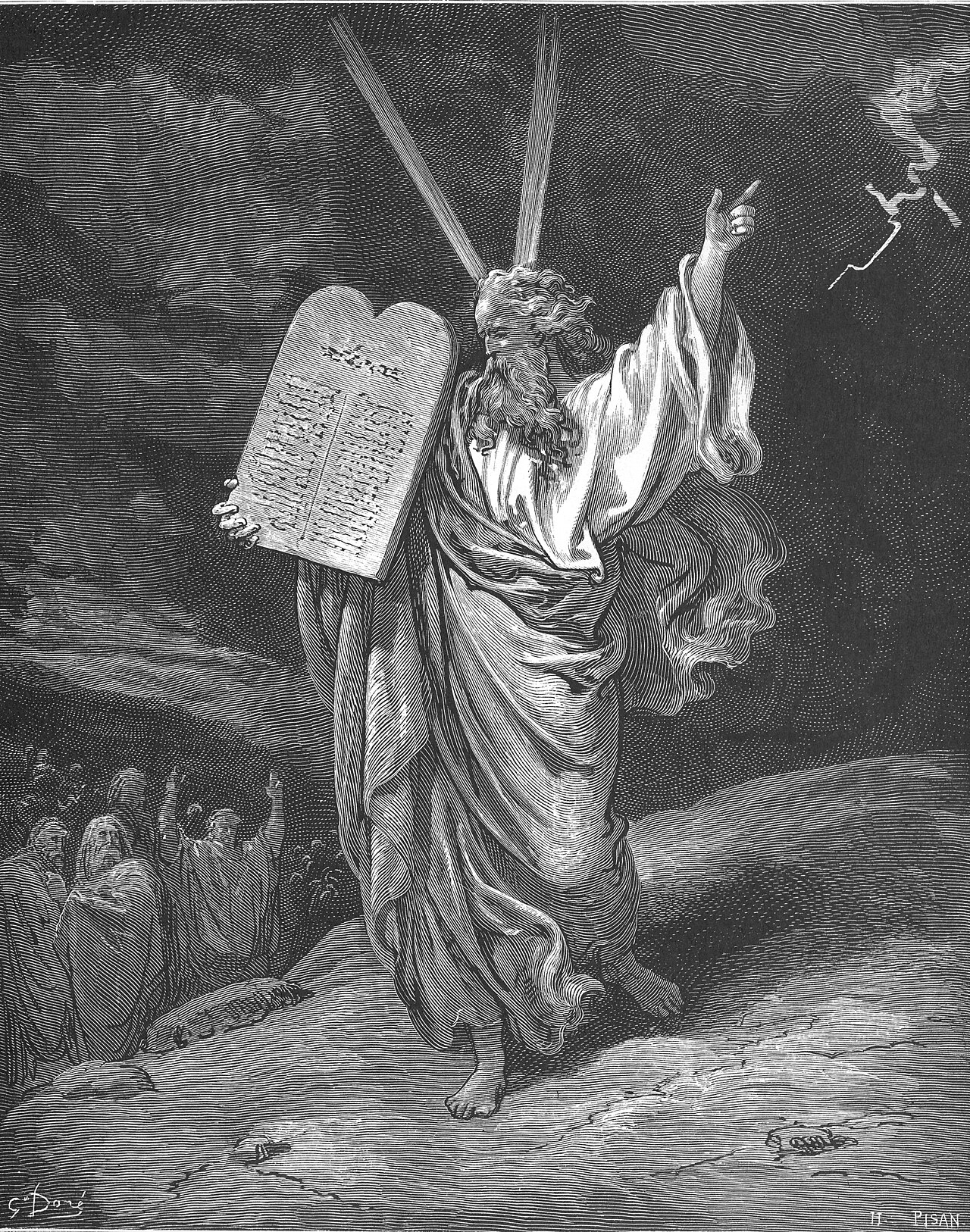
This page draws on Adam Clarke, Commentary on the Bible; Albert Barnes, Notes, Explanatory and Practical, on the Old and New Testaments (1832-1869); John Gill, Exposition of the Old Testament (1748-1763); Keil and Delitzsch, Biblical Commentary on the Old Testament: The Pentateuch and Matthew Henry, Commentary on the Whole Bible.