
Amos 7:13
in Amos 7But never prophesy at Bethel again, because it is the sanctuary of the king and the temple of the kingdom.”
BSB
The same verse in ASV and KJV ▾
ASV
but prophesy not again any more at Beth-el; for it is the king’s sanctuary, and it is a royal house.
KJV
But prophesy not again any more at Beth–el: for it is the king’s chapel, and it is the king’s court.
⋯
This verse in Amos 7
Commentary
8 notes on this verseA commentator
Albert Barnes1798–1870
Notes, Explanatory and Practical, on the Old and New Testaments (1832-1869)
It is the king’s chapel - Better, as in the English margin, “sanctuary.” It is the name for “the sanctuary” of God. “Let them make Me a sanctuary, that I may dwell among them” Exo 25:8. “Ye shall reverence My sanctuary: I am the Lord” Lev 19:30; Lev 26:
This site's exposition
Go away, you seer
on Amos 7:12-13
Amaziah orders Amos: "Flee to the land of Judah; earn your bread there and do your prophesying there." He calls Bethel "the sanctuary of the king and the temple of the kingdom," placing the shrine under the crown. The next two verses answer his assumption that prophecy is a living.
This site's exposition
the sanctuary of the king
Amaziah bans Amos on the ground that the shrine belongs to the crown. Albert Barnes points out that the word for sanctuary is the one used of God's own sanctuary at Exodus 25:8. The phrase places the shrine under the king, where the law placed the sanctuary under God.
The record, by era
The Church Fathers1 voice
(Verses 10 onwards) And Amaziah the priest of Bethel sent a message to Jeroboam king of Israel, saying, 'Amos has rebelled against you in the midst of the house of Israel. The land is not able to bear all his words. For thus Amos says: 'Jeroboam shall die by the sword, and Israel shall surely be led away captive from their own land.'' Then Amaziah said to Amos 'You seer, go, flee away to the land of Judah. There eat bread, and prophesy there.
The Puritans and the Awakening2 voices
That Bethel was not a proper place for him to exercise his ministry in, for it was the king's chapel, or sanctuary, where he had his idols and their altars and priests; and it was the king's court, or the house of the kingdom, where the royal family resided and where were set the thrones of judgment; and therefore prophesy not any more here.
But prophesy not again any more at Bethel,.... He might prophesy any where, if he did not there, for what the priest cared, that so his honour and interest were not hurt.
The Nineteenth Century2 voices
A commentator
Jamieson, Fausset & Brown1802–1910
Commentary Critical and Explanatory on the Whole Bible (1871)
proposed
prophesy not again-- (Am 2:12). at Beth-el--Amaziah wants to be let alone at least in his own residence. the king's chapel--Beth-el was preferred by the king to Dan, the other seat of the calf-worship, as being nearer Samaria, the capital, and as hallowed by Jacob of old (Ge 28:16, 19;
quarantine:debris (2026-07-29) — starts-lowercase+unbalanced-parens
But prophesy not - at Beth-el - He must not speak against idolatry, because that was the king’s religion; and he who speaks against the king’s religion must be an enemy to the state. This was the doctrine held in England by popish James 2 and his insidious Jesuit hireling priests, till God in his mercy put this pitiful tyrant down, and with him his false prophets, and the degrading superstition which they endeavored to establish in these lands.
How the passage was read
What the Jewish commentators add
But do not continue to prophesy in Bethel —for here they mention only the name of the idols.
1 more on this passage, in their own words ▾
I am neither a prophet —I am not one of your false prophets, who take pay for prophesying.
This section is reception history: how the passage was read and kept in the Jewish tradition. Where a reading parts from an essential of the Christian faith, the section says so at that point.
Texts and citation data: Sefaria; each excerpt follows its version’s licence. 4 further sources are cited on this chapter that carry no English text this site may quote or only restate the verse.
The words behind it
13 Hebrew wordsEvery Hebrew word of this verse in the order it stands, with what it means and the door to its own study. The last column counts the times a word stands in the whole Bible: the rarer the word, the more the places it appears belong together.
| Hebrew | Sound | Meaning | Word study | In the Bible |
|---|---|---|---|---|
| וּבֵֽית־ | uveit- | and Beth- | H1008 → | 142 times |
| אֵ֔ל | ʾel | -el | H1008 → | 142 times |
| לֹֽא־ | lo'- | not | H3808 → | 5168 times |
| תוֹסִ֥יף | tosif | you must repeat | H3254 → | 212 times |
| ע֖וֹד | od | again | H5750 → | 490 times |
| לְהִנָּבֵ֑א | lehinave' | to prophesy | H5012 → | 115 times |
| כִּ֤י | ki | for | H3588 → | 4482 times |
| מִקְדַּשׁ־ | mikdash- | [is] a sanctuary of | H4720 → | |
| מֶ֙לֶךְ֙ | melekh | a king | H4428 → | 2525 times |
| ה֔וּא | hu' | it | H1931 → | 1879 times |
| וּבֵ֥ית | uveit | and [is] a house of | H1004 → | 2046 times |
| מַמְלָכָ֖ה | mamlakhah | kingdom | H4467 → | 117 times |
| הֽוּא׃ ס | hu' | it | H1931 → | 1879 times |
וּבֵֽית־and Beth-
uveit-H1008 →142 times
אֵ֔ל-el
ʾelH1008 →142 times
לֹֽא־not
lo'-H3808 →5168 times
תוֹסִ֥יףyou must repeat
tosifH3254 →212 times
ע֖וֹדagain
odH5750 →490 times
לְהִנָּבֵ֑אto prophesy
lehinave'H5012 →115 times
כִּ֤יfor
kiH3588 →4482 times
מִקְדַּשׁ־[is] a sanctuary of
mikdash-H4720 →
מֶ֙לֶךְ֙a king
melekhH4428 →2525 times
ה֔וּאit
hu'H1931 →1879 times
וּבֵ֥יתand [is] a house of
uveitH1004 →2046 times
מַמְלָכָ֖הkingdom
mamlakhahH4467 →117 times
הֽוּא׃ סit
hu'H1931 →1879 times
A shaded row is a word that stands 400 times or fewer in the Bible.
The walk
8 stopsEach card is a verse this one points to, and under it the verses that one points to in turn. Where several paths arrive at the same place, that place is listed first: the text keeps returning to it.
Through
1 Kings 13:1Suddenly, as Jeroboam was standing beside the altar to burn incense, there came a man of God from Judah to Bethel by the word of the LORD.
it leads to
- 1 Kings 12:32–33
And Jeroboam ordained a feast on the fifteenth day of the eighth month, like the feast that was in Judah, and he offered sacrifices on the altar; he made this offering in Bethel to…
- 2 Kings 23:17
Then the king asked, “What is this monument I see?” And the men of the city replied, “It is the tomb of the man of God who came from Judah and pronounced these things…
- 1 Thessalonians 4:15
By the word of the Lord, we declare to you that we who are alive and remain until the coming of the Lord will by no means precede those who have fallen asleep.
- Jeremiah 25:3
“From the thirteenth year of Josiah son of Amon king of Judah until this very day—twenty-three years—the word of the LORD has come to me, and I have spoken to you again and again,…
- Jeremiah 32:29
And the Chaldeans who are fighting against this city will come in, set it on fire, and burn it, along with the houses of those who provoked Me to anger by burning incense to…
- 1 Kings 12:32–33
Through
Acts 5:40At this, they yielded to Gamaliel. They called the apostles in and had them flogged. Then they ordered them not to speak in the name of Jesus, and released them.
it leads to
- Matthew 10:17
But beware of men; for they will hand you over to their councils and flog you in their synagogues.
- Matthew 10:17
Through
Amos 2:12“But you made the Nazirites drink wine and commanded the prophets not to prophesy.
it leads to
- Isaiah 30:10
They say to the seers, “Stop seeing visions!” and to the prophets, “Do not prophesy to us the truth! Speak to us pleasant words; prophesy illusions.
- Isaiah 30:10
Through
1 Kings 12:29One calf he set up in Bethel, and the other in Dan.
it leads to
- Genesis 28:19
and he called that place Bethel, though previously the city had been named Luz.
- Genesis 28:19
About Amos
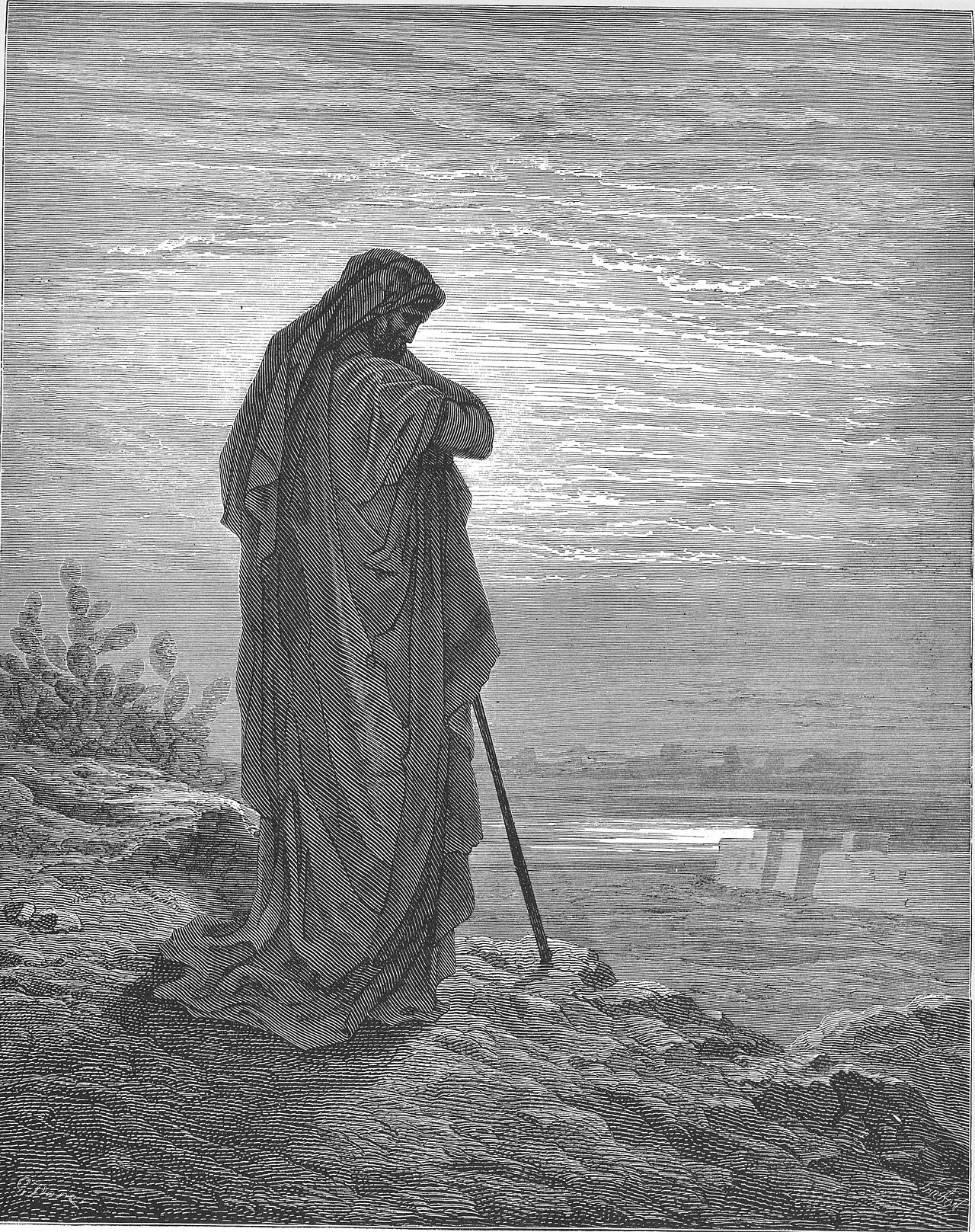
Who and where
1 name in this verse with a page on the site.
This page draws on Adam Clarke, Commentary on the Bible; Albert Barnes, Notes, Explanatory and Practical, on the Old and New Testaments (1832-1869); Jamieson, Fausset & Brown, Commentary Critical and Explanatory on the Whole Bible; Jerome, Commentary on Amos; John Gill, Exposition of the Old Testament; John Gill, Exposition of the Old Testament (1748-1763); John Wesley, Explanatory Notes upon the Old Testament and Matthew Henry, Commentary on the Whole Bible.