
1 Chronicles 4:14
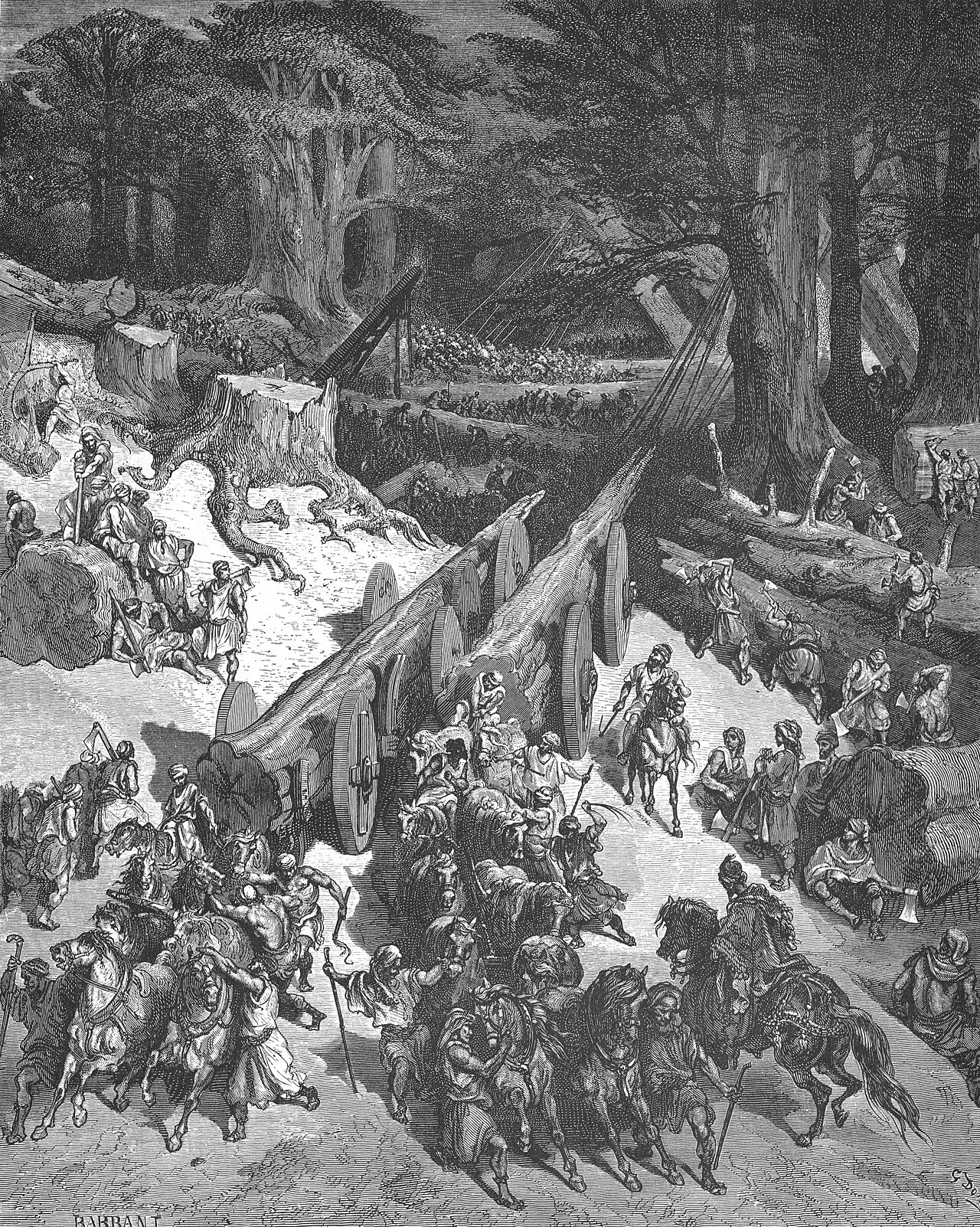
in 1 Chronicles 4Meonothai was the father of Ophrah, and Seraiah was the father of Joab, the father of those living in Ge-harashim, which was given this name because its people were craftsmen.
BSB
The same verse in ASV and KJV ▾
ASV
And Meonothai begat Ophrah: and Seraiah begat Joab the father of Ge-harashim; for they were craftsmen.
KJV
And Meonothai begat Ophrah: and Seraiah begat Joab, the father of the valley of Charashim; for they were craftsmen.
⋯
This verse in 1 Chronicles 4
Commentary
4 notes on this verseAnd Meonothai,.... Another son of Othniel: begat Ophrah; and Seraiah, the brother of Othniel, begat Joab; not David's general, but another of the same name, who lived long before him, see 1Ch 2:54. the father of the valley of Charashim: of the inhabitants of the valley, or the prince of them, called the valley of craftsmen, Neh 11:35 the reason of which is here given: for they were craftsmen; that dwelt in it, carpenters and smiths, both which the word signifies, men that wrought in stone, wood, and iron.
This site's exposition
the brother of Shuah begat Mehir
on 1 Chronicles 4:11-20
This unit gathers several branches of Caleb's descendants, including the craftsmen of the valley of Charashim at verse fourteen, carpenters and smiths named for their trade rather than for any deed. Verse eighteen preserves an otherwise unrecorded marriage, Bithiah the daughter of Pharaoh taken by a descendant of Caleb, an Egyptian princess grafted into Judah's genealogy without further comment. Most of the names in this stretch occur nowhere else in Scripture, which is part of what these chapters are doing, keeping every family on record even where no story survives to go with the name.
The record, by era
The Puritans and the Awakening1 voice
There was a valley where they lived which was, from them, called the valley of craftsmen. Those that are craftsmen are not therefore to be looked upon as mean men.
The Nineteenth Century1 voice
A commentator
Albert Barnes1798–1870
Notes, Explanatory and Practical, on the Old and New Testaments (1832-1869)
proposed
The words “and Meonothai” should he added to the end of 1Ch 4:13; but they should be retained also at the commencement of 1Ch 4:14. Or, see the marginal note.
How the passage was read
What the Jewish commentators add
And Seraiah begot Joab, the leader of Gei Harashim Joab was the leader of a valley in which there were craftsmen. Now why do I call it the Valley of Craftsmen? Because they were craftsmen; i.
1 more on this passage, in their own words ▾
The sons of Kenaz: Othniel. Even though the text had not mentioned Kenaz, it mentions his lines, as we have written (v. 11).
This section is reception history: how the passage was read and kept in the Jewish tradition. Where a reading parts from an essential of the Christian faith, the section says so at that point.
Texts and citation data: Sefaria; each excerpt follows its version’s licence. 4 further sources are cited on this chapter that carry no English text this site may quote or only restate the verse.
The words behind it
14 Hebrew wordsEvery Hebrew word of this verse in the order it stands, with what it means and the door to its own study. The last column counts the times a word stands in the whole Bible: the rarer the word, the more the places it appears belong together.
| Hebrew | Sound | Meaning | Word study | In the Bible |
|---|---|---|---|---|
| וּמְעוֹנֹתַ֖י | umeonotai | and Meonothai | H4587 → | |
| הוֹלִ֣יד | holid | he fathered | H3205 → | 496 times |
| אֶת־ | ʾet- | <obj.> | H853 → | 10935 times |
| עָפְרָ֑ה | ʾaferah | Ophrah | H6084 → | |
| וּשְׂרָיָ֗ה | userayah | and Seraiah | H8304 → | 20 times |
| הוֹלִ֤יד | holid | he fathered | H3205 → | 496 times |
| אֶת־ | ʾet- | <obj.> | H853 → | 10935 times |
| יוֹאָב֙ | yoav | Joab | H3097 → | 144 times |
| אֲבִי֙ | ʾavi | [the] father of | H1 → | 1212 times |
| גֵּ֣יא | gei' | Ge | H1516 → | 59 times |
| חֲרָשִׁ֔ים | charashim | Harashim | H2798 → | |
| כִּ֥י | ki | for | H3588 → | 4482 times |
| חֲרָשִׁ֖ים | charashim | craftsmen | H2796 → | 37 times |
| הָיֽוּ׃ פ | hayu | they were | H1961 → | 3559 times |
וּמְעוֹנֹתַ֖יand Meonothai
umeonotaiH4587 →
הוֹלִ֣ידhe fathered
holidH3205 →496 times
אֶת־<obj.>
ʾet-H853 →10935 times
עָפְרָ֑הOphrah
ʾaferahH6084 →
וּשְׂרָיָ֗הand Seraiah
userayahH8304 →20 times
הוֹלִ֤ידhe fathered
holidH3205 →496 times
אֶת־<obj.>
ʾet-H853 →10935 times
יוֹאָב֙Joab
yoavH3097 →144 times
אֲבִי֙[the] father of
ʾaviH1 →1212 times
גֵּ֣יאGe
gei'H1516 →59 times
חֲרָשִׁ֔יםHarashim
charashimH2798 →
כִּ֥יfor
kiH3588 →4482 times
חֲרָשִׁ֖יםcraftsmen
charashimH2796 →37 times
הָיֽוּ׃ פthey were
hayuH1961 →3559 times
A shaded row is a word that stands 400 times or fewer in the Bible.
The walk
7 stopsEach card is a verse this one points to, and under it the verses that one points to in turn. Where several paths arrive at the same place, that place is listed first: the text keeps returning to it.
Through
2 Kings 24:14He carried into exile all Jerusalem—all the commanders and mighty men of valor, all the craftsmen and metalsmiths—ten thousand captives in all. Only the poorest people of the land remained.
it leads to
- Jeremiah 52:28
These are the people Nebuchadnezzar carried away: in the seventh year, 3,023 Jews;
- 2 Kings 25:12
But the captain of the guard left behind some of the poorest of the land to tend the vineyards and fields.
- 2 Kings 24:16
The king of Babylon also brought into exile to Babylon all seven thousand men of valor and a thousand craftsmen and metalsmiths—all strong and fit for battle.
- Jeremiah 40:7
When all the commanders and men of the armies in the field heard that the king of Babylon had appointed Gedaliah son of Ahikam over the land and that he had put him in…
- Jeremiah 52:16
But Nebuzaradan captain of the guard left behind some of the poorest of the land to tend the vineyards and fields.
- Jeremiah 52:28
Through
Nehemiah 11:35Lod, and Ono; and in the Valley of the Craftsmen.
it leads to
- 1 Chronicles 8:12
The sons of Elpaal:
- Nehemiah 7:37
the men of Lod, Hadid, and Ono, 721;
- 1 Chronicles 8:12
About 1 Chronicles
This page draws on Albert Barnes, Notes on the Old Testament; Albert Barnes, Notes, Explanatory and Practical, on the Old and New Testaments (1832-1869); Jamieson Fausset and Brown, Commentary Critical and Explanatory on the Whole Bible; John Gill, Exposition of the Old Testament (1748-1763) and Matthew Henry, Commentary on the Whole Bible.