
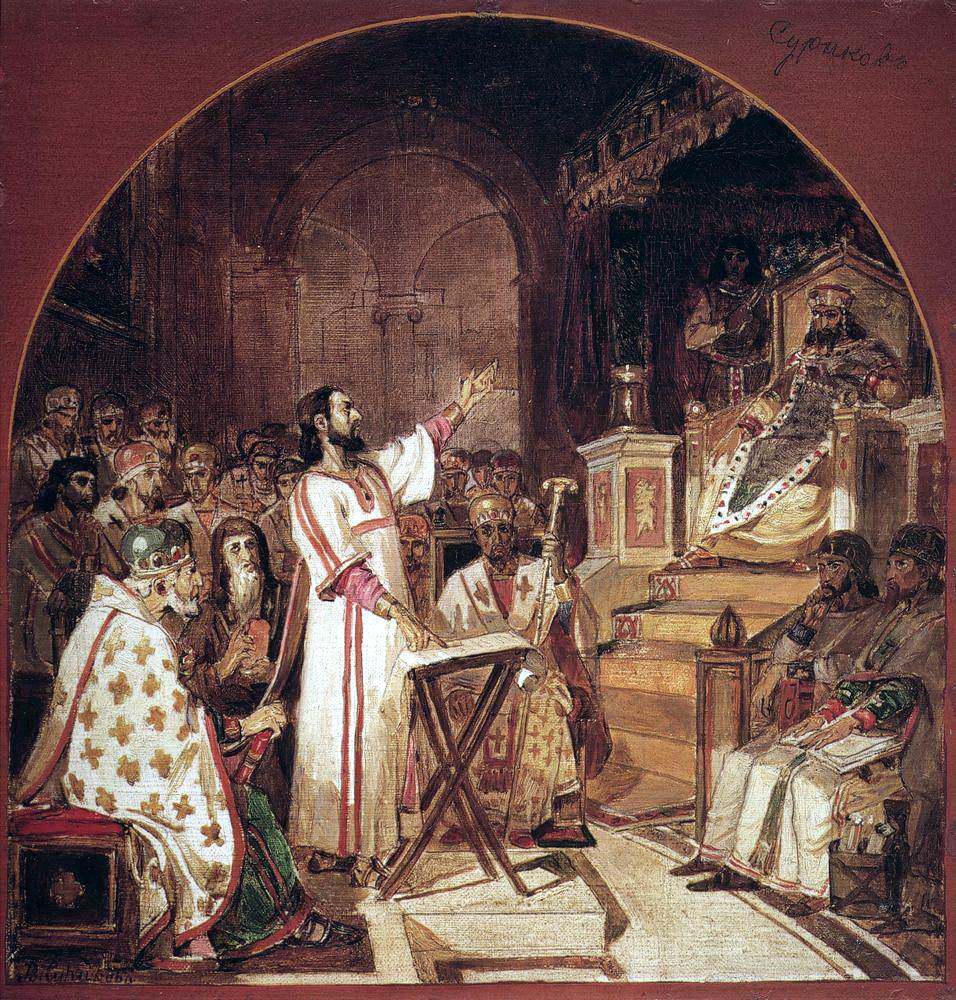
Church History · A room of the wing
The Church Fathers
About AD 96 to 604
The fathers taught the church in its first six centuries, from Clement of Rome to Gregory the Great. Clement’s letter to Corinth, written about AD 96, is the oldest Christian writing outside the New Testament that survives.
Who taught whom
The records state 7 links of teaching among the fathers, drawn here as 8 steps from the apostles to Gregory the Great. Each step prints the sentence of the page that states it.
Before John's death, approximate
The apostles, among them JohnThe Apostolic AgePolycarpApostolic Fathers · SmyrnaIrenaeus writes that Polycarp was taught by apostles, and as a boy Irenaeus heard Polycarp tell of his time with John.
Stated on The Apostolic Age
Irenaeus wrote it down about 180, approximate
PolycarpApostolic Fathers · SmyrnaIrenaeusGreek Fathers · LyonThe sentence of the step above states this step too.
Stated on The Apostolic Age
Before his death, early in the second century, approximate
Ignatius of AntiochApostolic Fathers · AntiochThe church at AntiochA story of the churchEusebius names Ignatius the second bishop of Antioch, after Evodius.
Stated on Ignatius on the Road to Rome
Before Pamphilus died in the persecution, about 309, approximate
Pamphilus of CaesareaGreek Fathers · CaesareaEusebius of CaesareaGreek Fathers · CaesareaEusebius studied under Pamphilus, a presbyter of Caesarea who died in the persecution, and called him "my dearest friend."
Stated on The Martyrs' Church
In or shortly before 318, approximate
AthanasiusGreek Fathers · AlexandriaThe Eastern Orthodox ChurchA family of churchesIn Robertson's English of 1885 he says of the Word, “For He was made man that we might be made God.”
Stated on The Eastern Orthodox Church
From 384, when Augustine came to Milan; Ambrose baptized him at Easter 387
Ambrose of MilanLatin Fathers · MilanAugustine of HippoLatin Fathers · HippoAmbrose read the Old Testament figuratively, and the objections that had made the Bible unreadable to Augustine fell away.
Stated on Augustine of Hippo
About 535, Hunter Blair's date for the Rule, approximate
Antony of EgyptGreek Fathers · The desert of EgyptThe Rule of BenedictBenedict and the RuleChapter 42 has one of the monks read each evening the Conferences of Cassian, as Hunter Blair's bracket names them, “or the lives of the Fathers.”
Stated on Benedict and the Rule
In the emperor's fourteenth year, which Bede's editor gives as 596, approximate
Gregory the GreatLatin Fathers · RomeAugustine and the monks sent to the EnglishThe Long MiddleGregory sent the monk Augustine and others to the English, and Bede reports that they landed in Kent nearly forty strong.
Stated on The Fathers & the Creeds
4 fathers
The Apostolic Fathers
The writers of the generation after the apostles, at Rome, Antioch, Smyrna and Hierapolis.
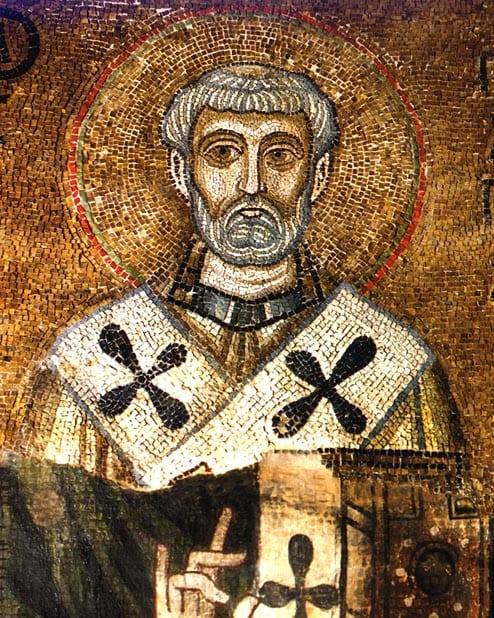
- Clement of RomeWrote about AD 96 · RomeHe led the church at Rome at the end of the first century, and later lists name him the third or fourth bishop of Rome after Peter. About AD 96 he wrote to the church at Corinth, which had put its elders out of office, and asked it to restore them.Chief work 1 Clement, the letter to the CorinthiansRead his witness page, 5 sections →
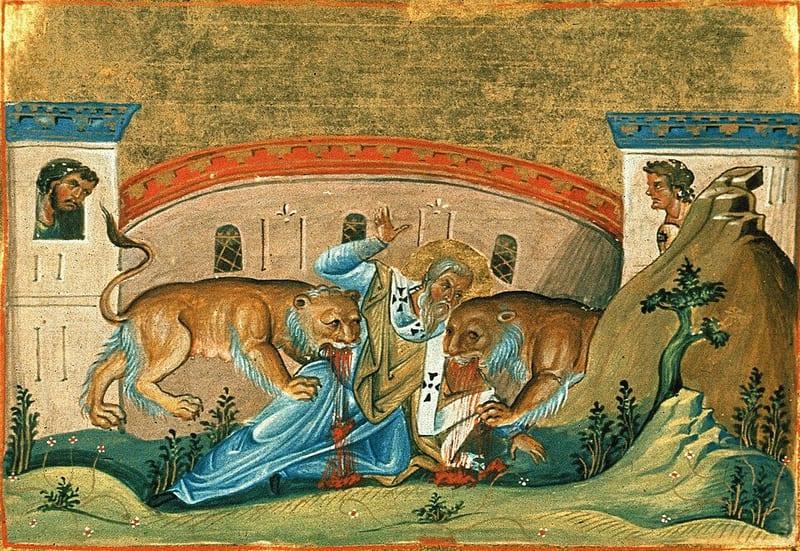
- Ignatius of AntiochDied early in the second century · AntiochHe was the second bishop of Antioch, after Evodius, and was taken under guard to Rome to be given to the beasts. On the way he wrote seven letters to the churches, four at Smyrna and three at Troas.Chief work The seven letters, among them To the RomansRead the page, 9 sections, 6 verses set out →
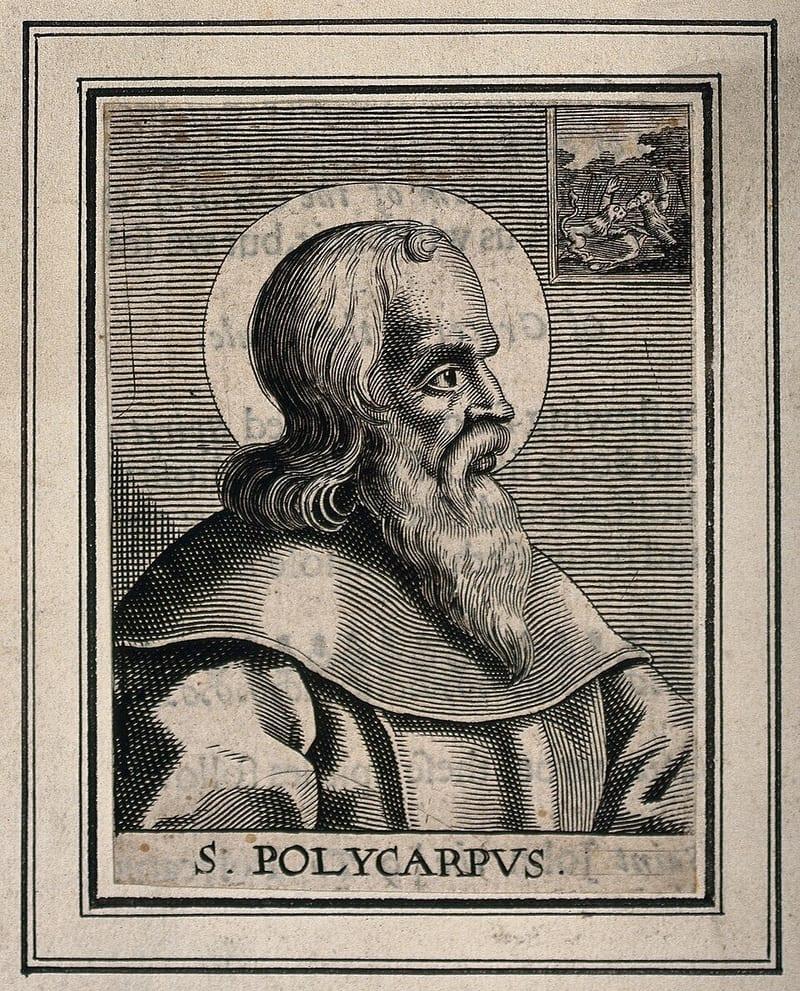
- PolycarpDied about 155 · SmyrnaIrenaeus says apostles taught him and that he spoke of John. His church wrote down his arrest and his death in the stadium, the earliest of all the martyr accounts.Chief work The Letter to the PhilippiansRead the page, 12 sections, 2 verses set out →
- Papias of HierapolisDied about 130 · HierapolisAs bishop of Hierapolis he asked those who had followed the elders what Andrew, Peter, John and the other disciples had said. Two fragments of his books report how Mark and Matthew came to write their Gospels.Chief work An Exposition of the Sayings of the Lord, in fragmentsRead his witness page, 4 sections →
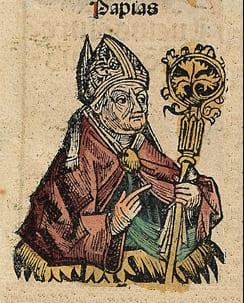
Polycarp, Papias of Hierapolis
16 fathers
The Greek Fathers
The fathers whose writings or lives come down in Greek, from Justin at Rome to Cyril at Alexandria.
- Justin MartyrDied after 163 · RomeHe wrote defences of the faith addressed to the emperors. At Rome he stood with his companions before the prefect Rusticus, who sentenced those who refused to sacrifice to be scourged and beheaded.Chief work The First ApologyRead his witness page, 5 sections →
- IrenaeusWrote about 180 · LyonAs a boy he sat and listened to Polycarp tell of his time with John. He carried the confessors' letter from Lyon to Rome and later became bishop of Lyon.Chief work Against HeresiesRead his witness page, 5 sections →
- Clement of AlexandriaDied about 215 · AlexandriaHe found the teacher Pantaenus at Alexandria and later took his place at the head of its Christian school. He taught that philosophy led the Greeks toward Christ as the Law led the Jews.Chief work The Exhortation to the Greeks, the Instructor and the MiscellaniesRead his witness page, 5 sections →
- Hippolytus of RomeDied 235 · RomeHe wrote in Greek at Rome, and his Commentary on Daniel is the oldest Christian commentary on a book of the Bible that survives. In 235 he and Pontian, the two rival bishops of Rome, were sent to the mines of Sardinia, and both died there.Chief work The Refutation of All HeresiesRead his witness page, 5 sections →
- OrigenLeft Alexandria in 231; tortured in 250 · AlexandriaHe wrote On First Principles at Alexandria, and the whole book survives only in the Latin of Rufinus, who greatly altered it. When Decius ordered sacrifice in 250, Origen was put in the iron collar and the stocks.Chief work On First PrinciplesRead his witness page, 5 sections →
- Gregory of NeocaesareaBishop from about 240 · NeocaesareaHe met Origen at Caesarea in Palestine and studied under him for five years. As bishop of Neocaesarea in Pontus he was called the Wonderworker.Chief work His farewell address to OrigenRead his witness page, 4 sections →
- Pamphilus of CaesareaDied about 309 · CaesareaHe was a presbyter of Caesarea and died in the persecution, one of twelve put to death together. Eusebius studied under him and called him “my dearest friend.”Chief work The Apology for Origen, written in prison with EusebiusRead his witness page, 4 sections →
- Eusebius of CaesareaAt Nicaea in 325 · CaesareaHe wrote the Church History, and in its fifth book he copies most of the letter from Lyon. He was at Nicaea and counted more than two hundred and fifty bishops there.Chief work The Church HistoryRead his witness page, 5 sections →
- AthanasiusBishop from 328 to 373 · AlexandriaHe was bishop of Alexandria from 328 to 373 and spent seventeen of those years in five exiles. His Easter letter for 367 lists the twenty-seven books of the New Testament.Chief work On the Incarnation, about 318Read the page, 12 sections, 2 verses set out →
- Antony of EgyptThe fourth century · The desert of EgyptAs Athanasius's Life tells it, a verse of Matthew sent him to give away what he had, and he spent most of a long life alone in the desert. Others followed him there, and the Life was read as far as Trier.Chief work His story is told in the Life of Antony, by AthanasiusRead the page, 11 sections, 5 verses set out →
- Basil of CaesareaDied 379 · CaesareaWhen the argument moved to the Holy Spirit, he defended giving glory to the Father “with the Son together with the Holy Ghost”. The words stand in his book On the Holy Spirit.Chief work On the Holy SpiritRead his witness page, 5 sections →
- Gregory of NazianzusAt Constantinople, 379 to 381 · ConstantinopleBetween 379 and 381 he preached at Constantinople, and in Oration 31 he answers whether the Spirit is God. His first letter to Cledonius answered those who denied Christ a human mind, and the councils of Ephesus and Chalcedon later adopted it.Chief work Oration 31Read his witness page, 5 sections →
- Gregory of NyssaBishop from 372 · NyssaHe was the younger brother of Basil, who made him bishop of the small town of Nyssa in 372. At the Council of Constantinople in 381 he helped fix the language on the Holy Spirit.Chief work Against EunomiusRead his witness page, 5 sections →
- Cyril of JerusalemBishop from about 350 · JerusalemAbout 350 he taught those preparing for baptism in the basilica built over the tomb of Christ, and his lectures are the earliest complete course of Christian instruction that survives. He was driven from his see three times and spent about sixteen years in exile.Chief work The Catechetical LecturesRead his witness page, 5 sections →
- John ChrysostomBorn about 347; died 14 September 407 · Antioch and ConstantinopleHe preached at Antioch for sixteen or seventeen years and became bishop of Constantinople in 398. Theophilus and the empress Eudoxia drove him from his see.Chief work The Homilies on the StatuesRead the page, 12 sections, 2 verses set out →
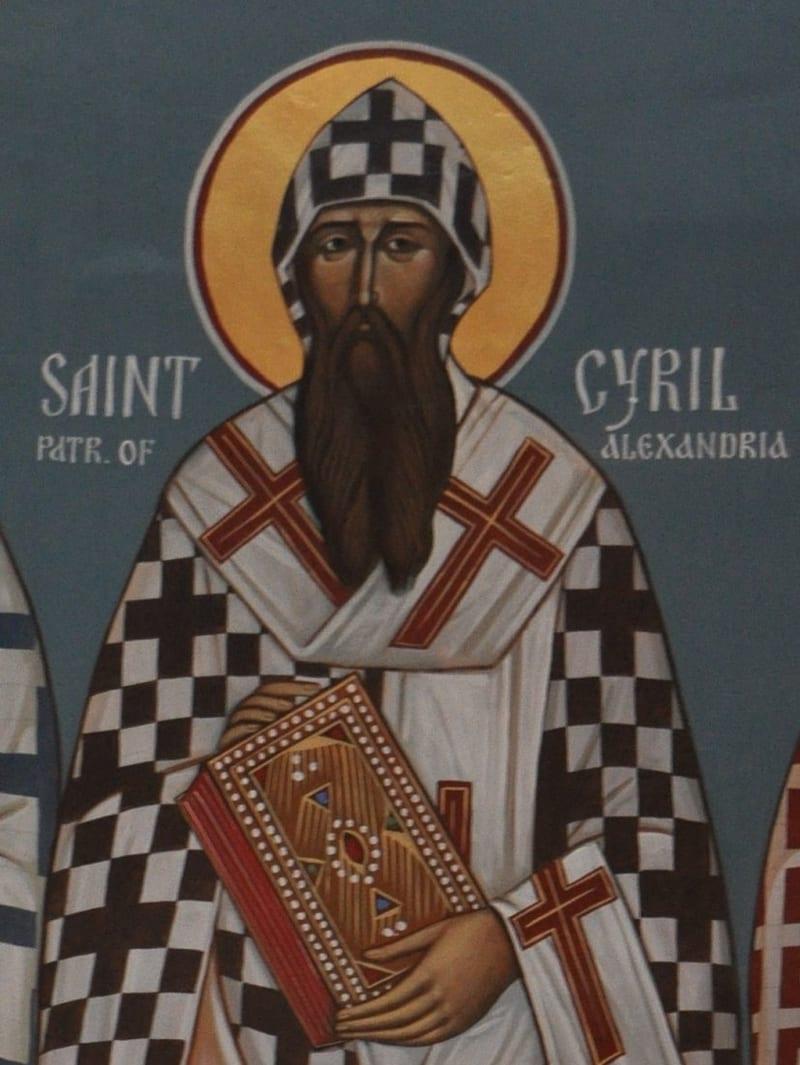
- Cyril of AlexandriaAt Ephesus in 431 · AlexandriaIn 431 a council met at Ephesus over Nestorius, who would not call Mary the mother of God the Word. Cyril called her the Mother of God because the Word was united to the body born of her.Chief work On the Unity of ChristRead his witness page, 5 sections →
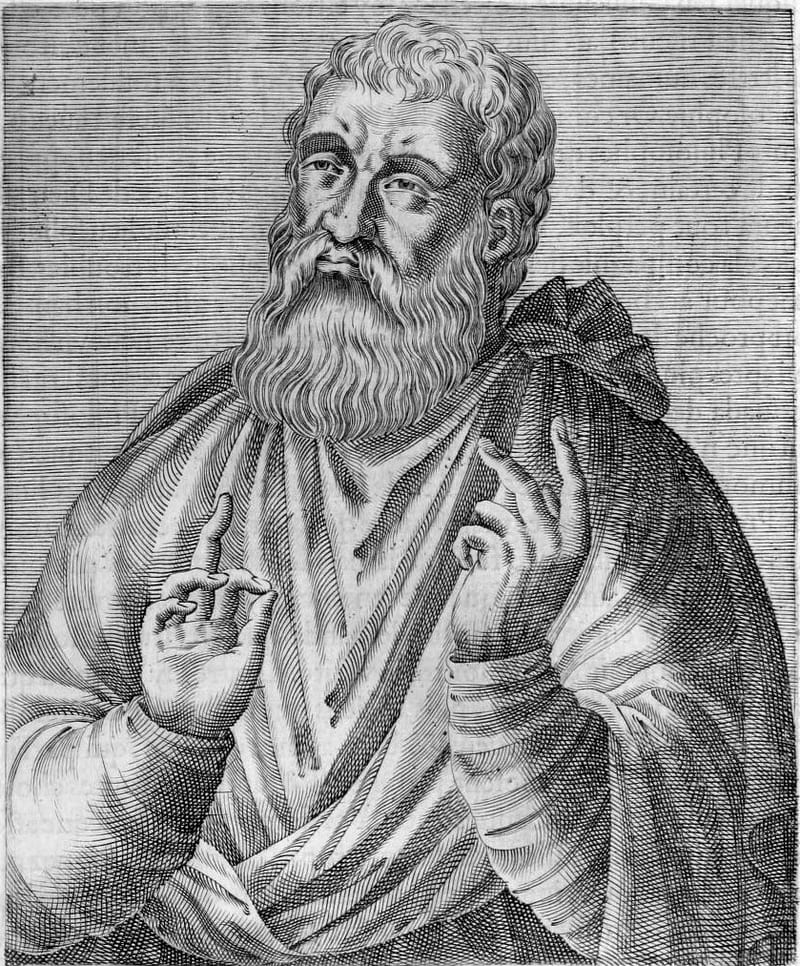
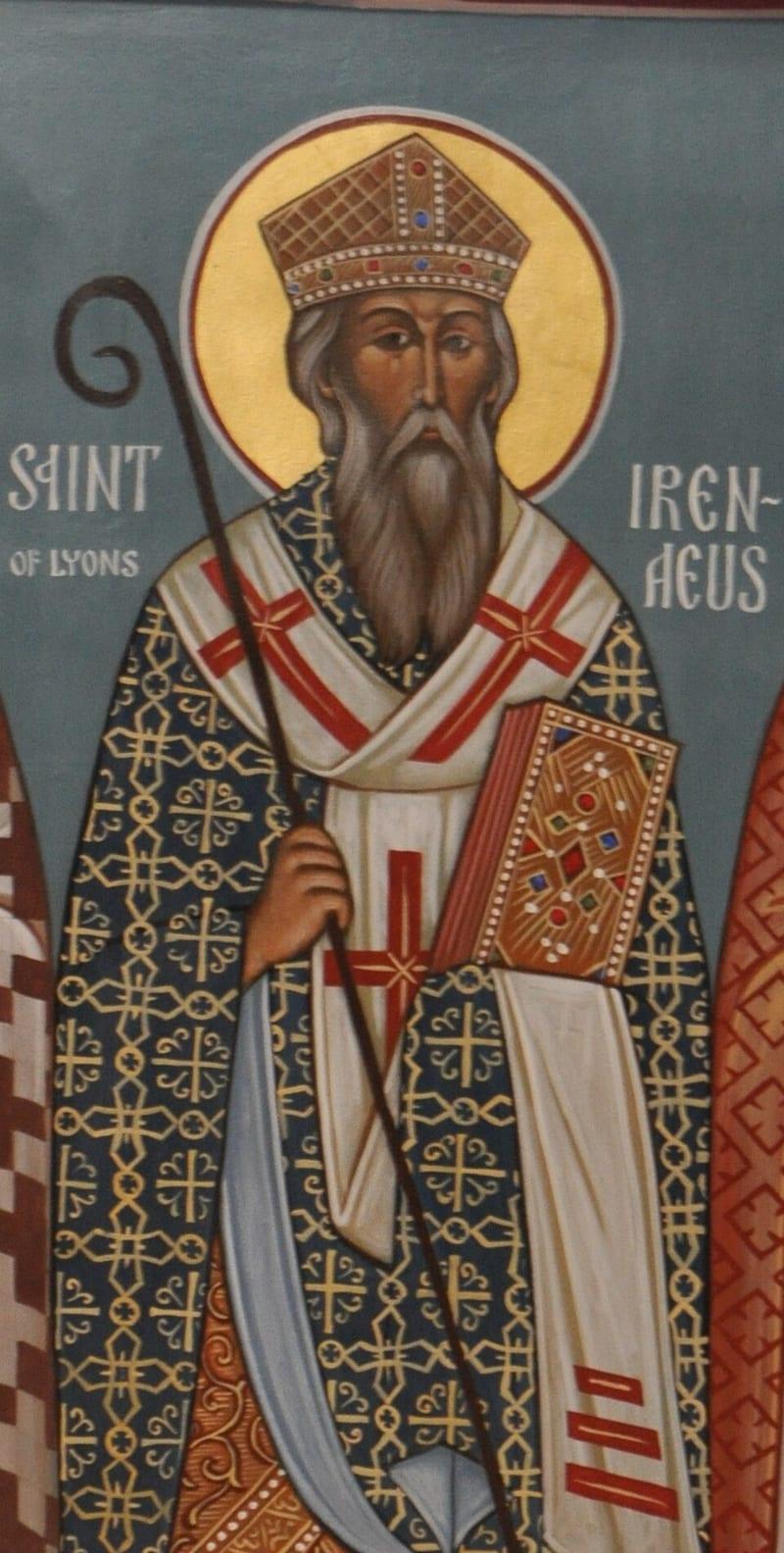
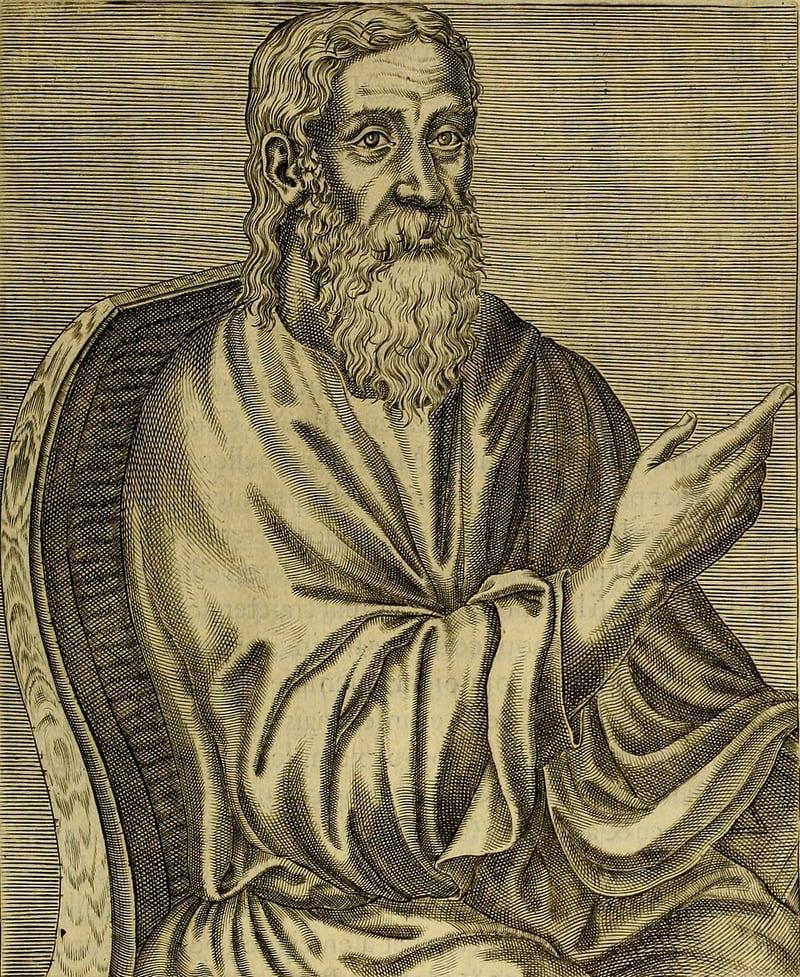
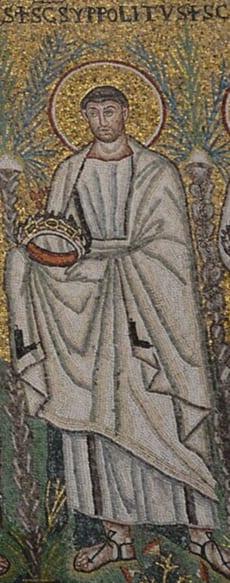
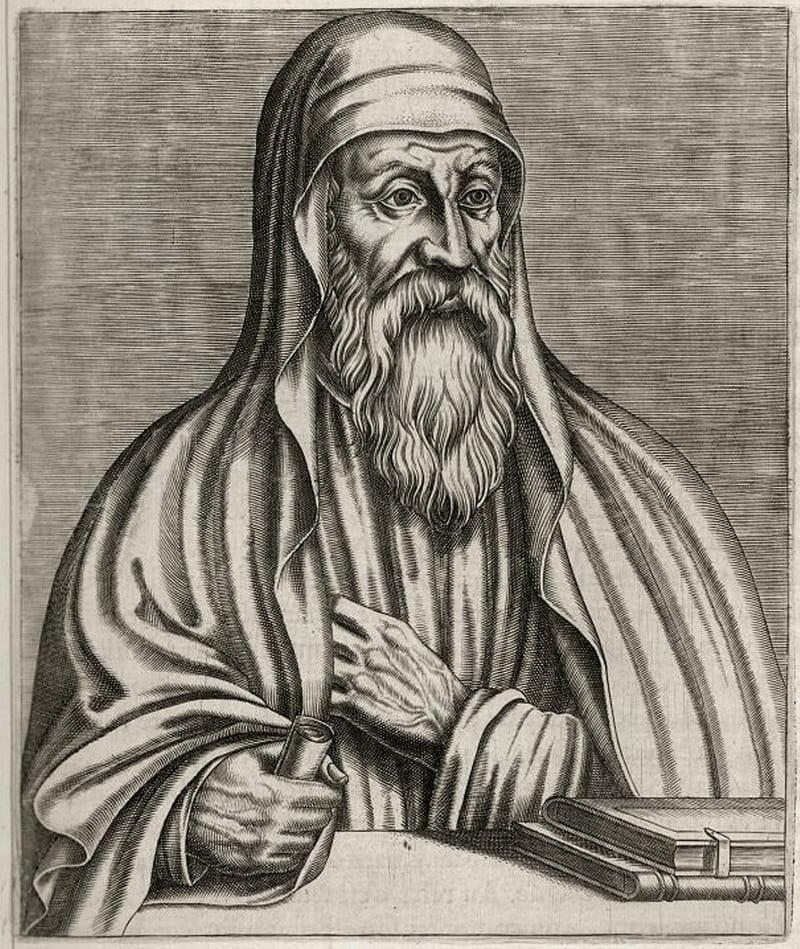
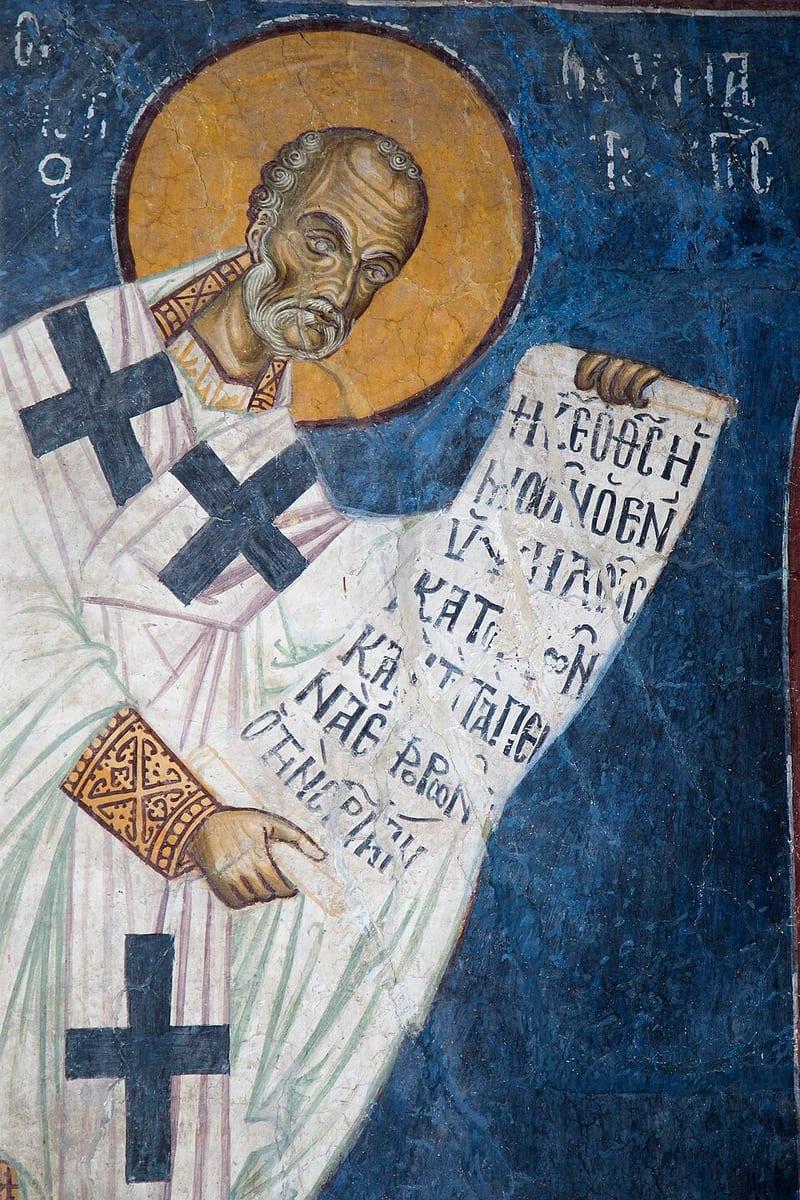
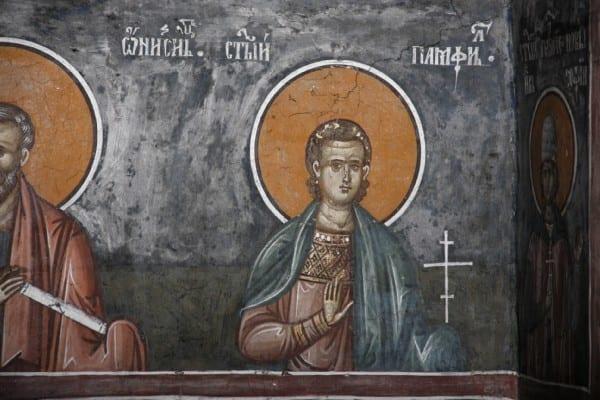
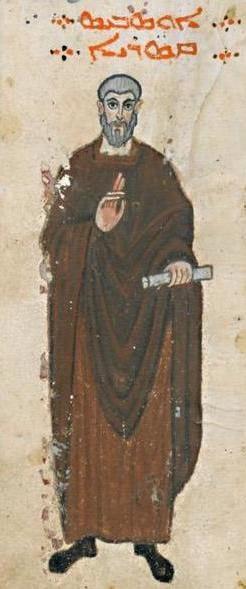
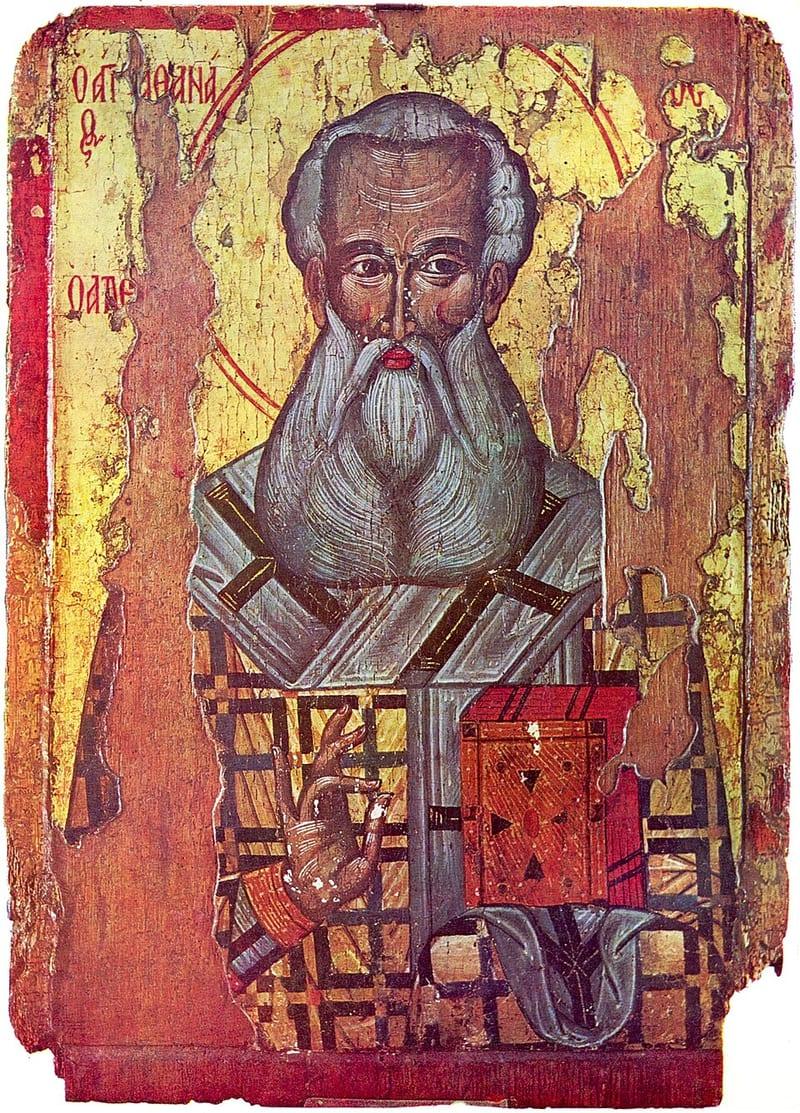
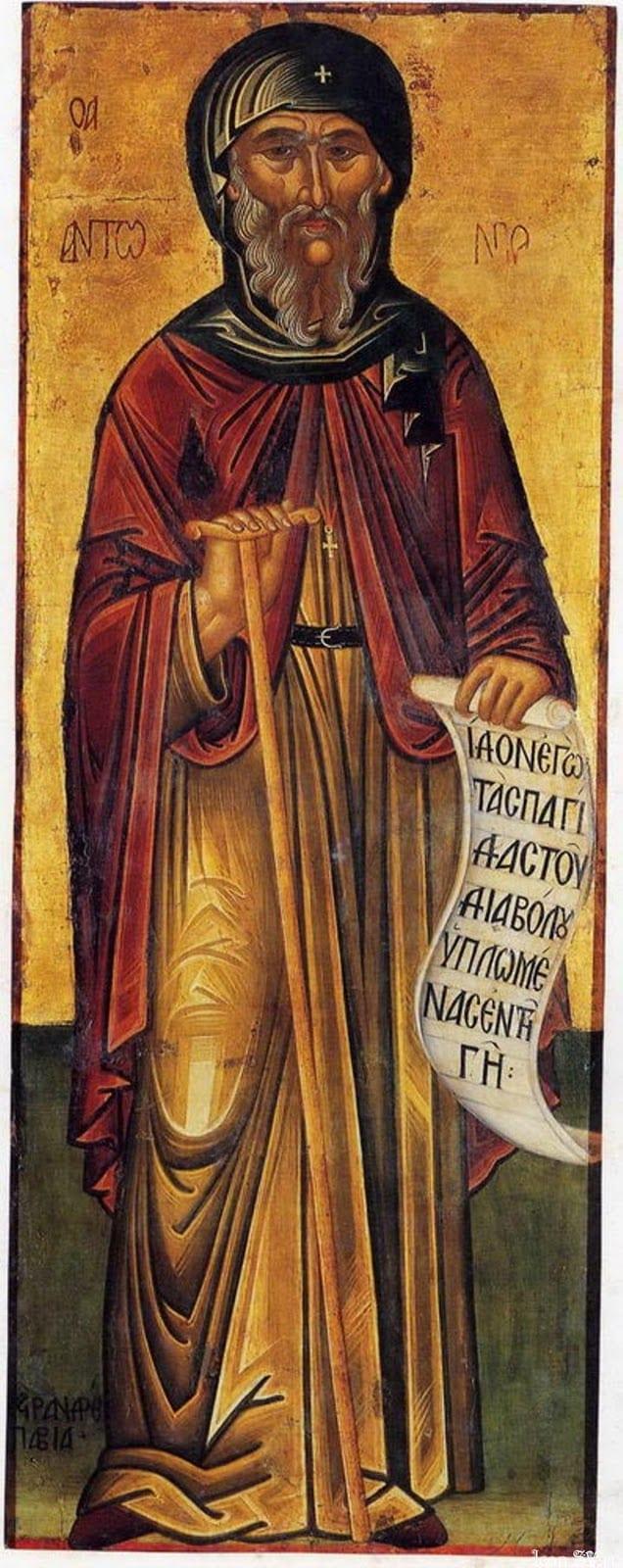
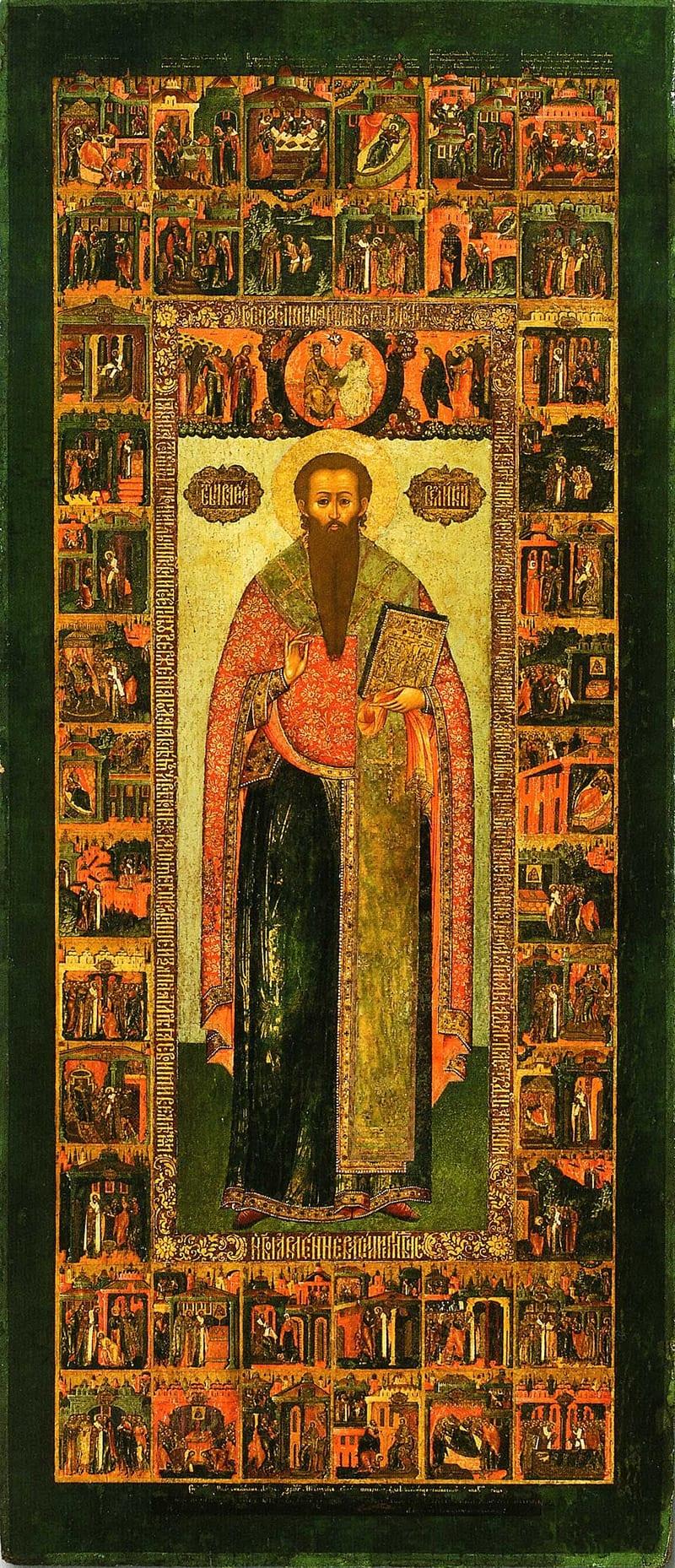
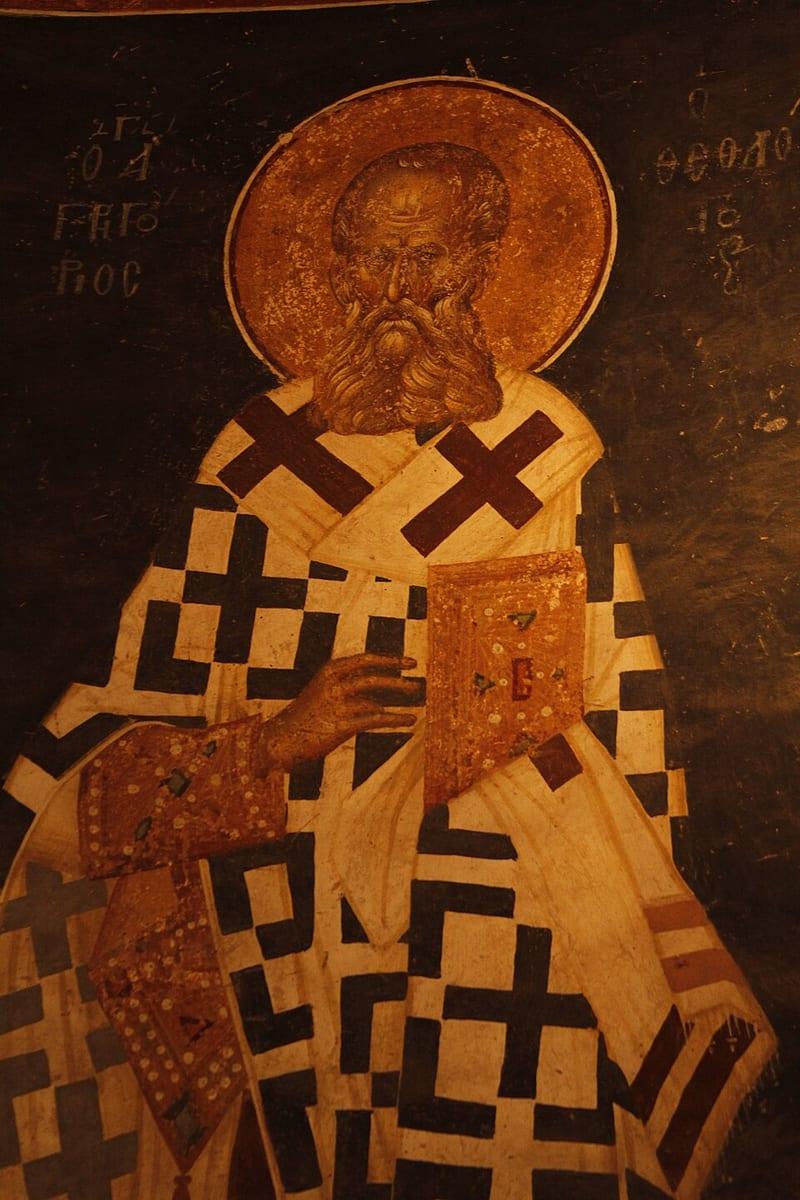
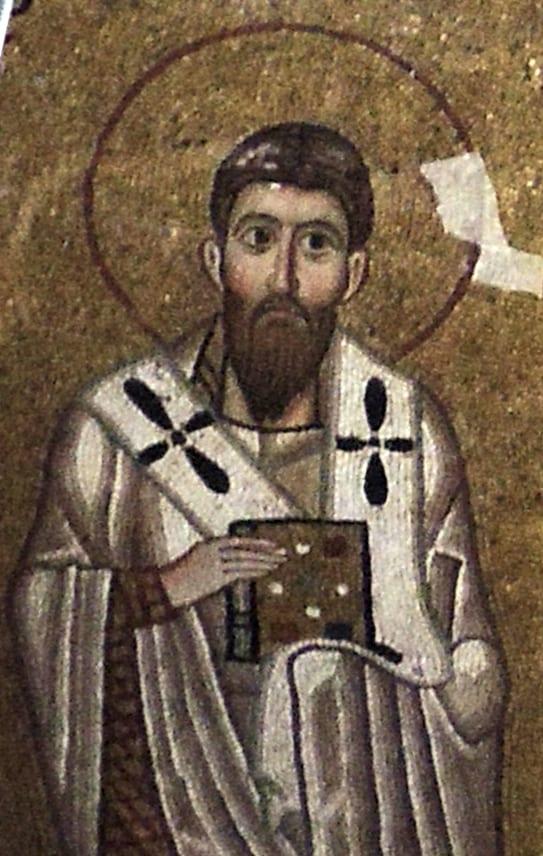
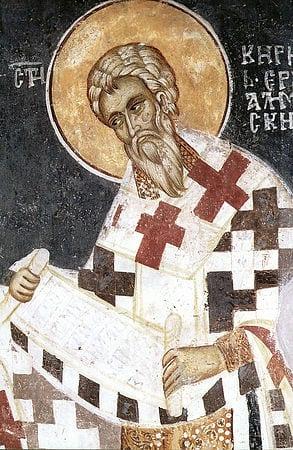
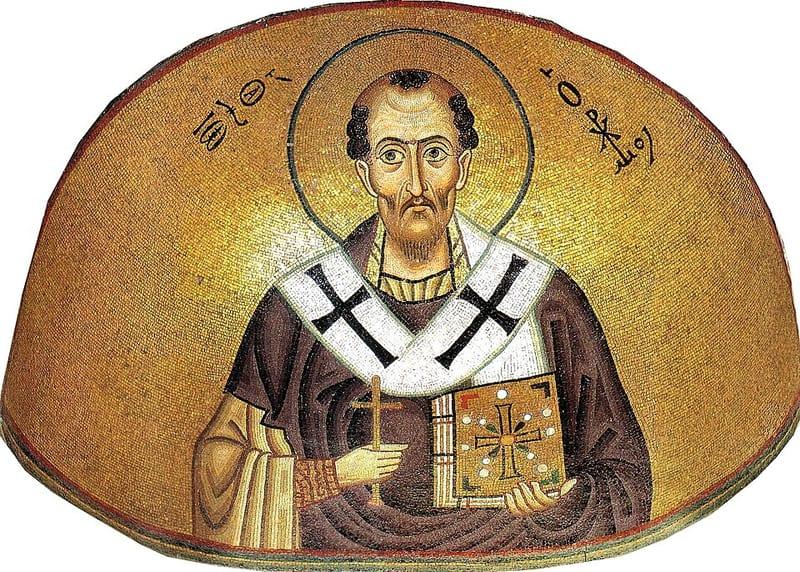
Clement of Alexandria, Hippolytus of Rome, Origen, Gregory of Neocaesarea, Pamphilus of Caesarea, Eusebius of Caesarea, Athanasius, Antony of Egypt and 6 more
12 fathers
The Latin Fathers
The fathers who wrote in Latin, from Tertullian at Carthage to Gregory at Rome.
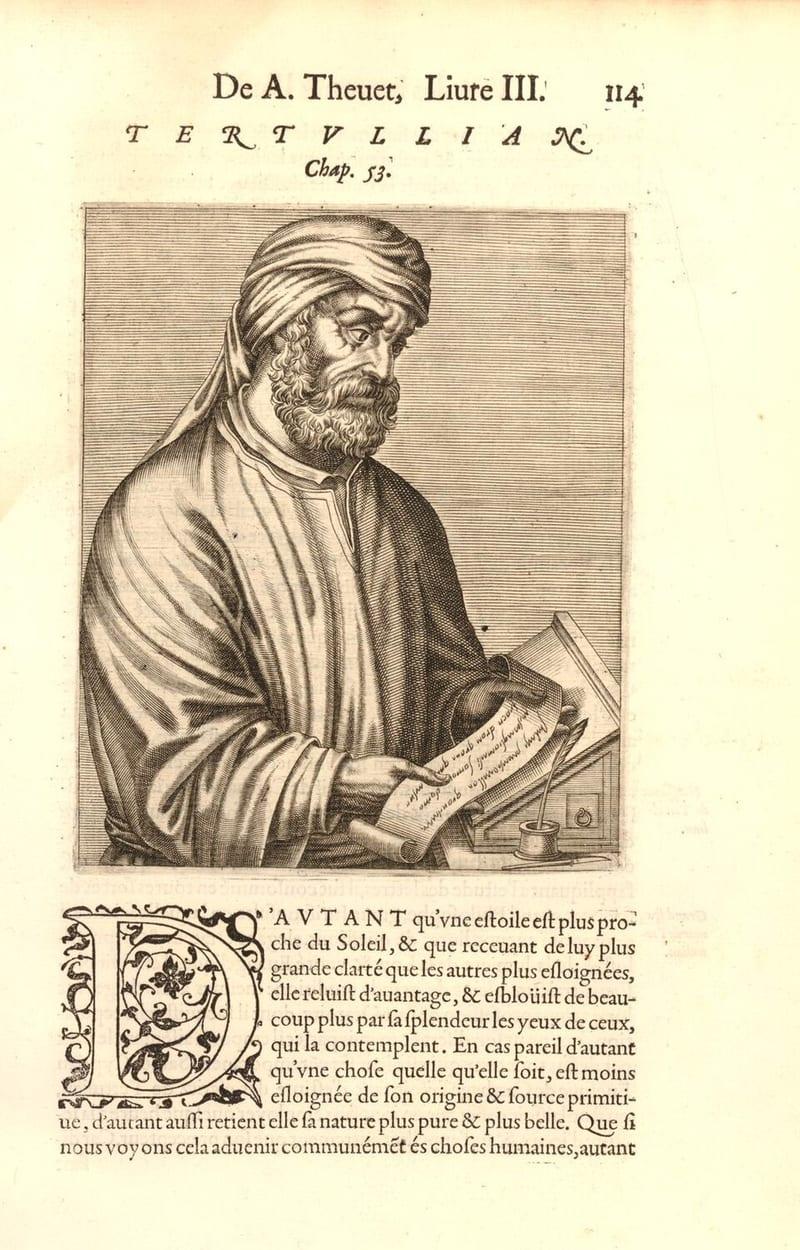
- TertullianWrote his Apology between 198 and 204 · CarthageIn his Apology he protests that the trials turned on a name. In its last chapter he wrote, “the blood of Christians is seed.”Chief work The ApologyRead his witness page, 5 sections →
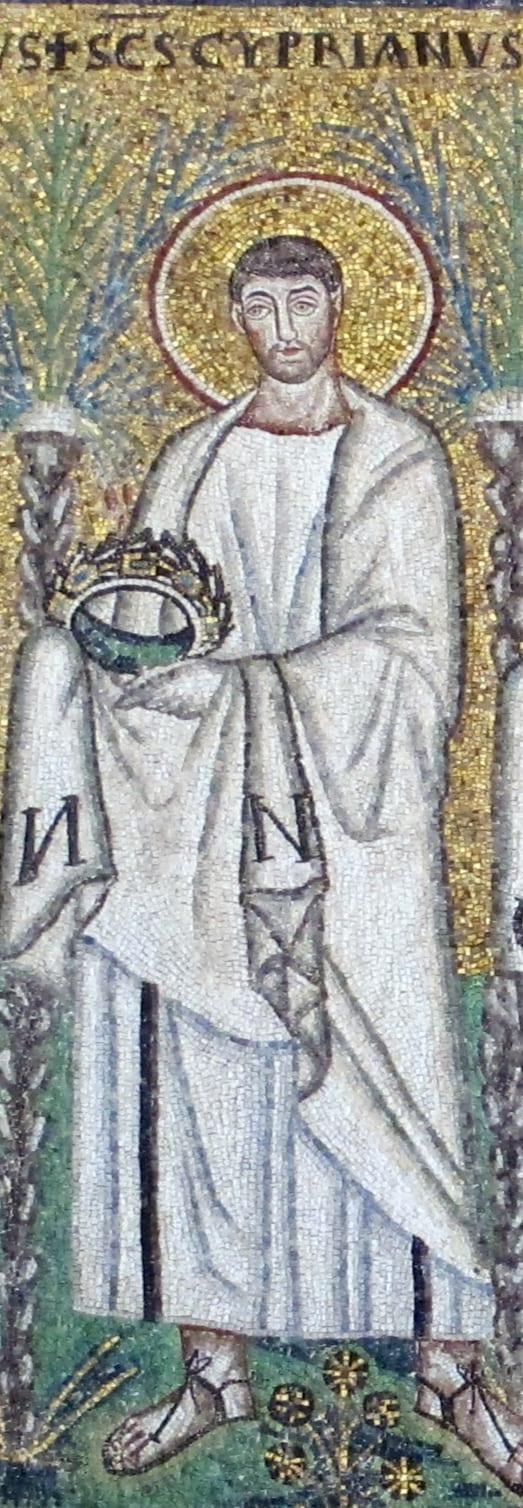
- CyprianBishop of Carthage; died 258 · CarthageHe received the lapsed after penance, case by case, and held that taking a certificate was a lesser fall than offering the sacrifice. He reported Valerian's order against bishops, presbyters and deacons, and his own martyrdom followed.Chief work On the Lapsed, 251Read his witness page, 5 sections →
- LactantiusWrote after 313 · NicomediaHe had taught rhetoric at Nicomedia and was there when soldiers razed the church in 303. After 313 he wrote down how the persecutors died.Chief work Of the Manner in Which the Persecutors DiedRead his witness page, 5 sections →
- Hilary of PoitiersExiled in 356 · PoitiersHe refused communion with the bishops who backed the emperor's line, and in 356 Constantius exiled him to Phrygia. In exile he wrote On the Trinity in twelve books, the first major Latin treatment of the doctrine.Chief work On the TrinityRead his witness page, 5 sections →
- Ambrose of MilanBaptized Augustine in 387 · MilanAs bishop of Milan he preached to Augustine, who had come to the city to teach rhetoric. He baptized Augustine in 387.Chief work His hymns, some still sungRead his witness page, 5 sections →
- JeromeFinished the Old Testament in 404 · Rome and BethlehemAt the urging of Damasus he revised the old Latin version, and he finished the Old Testament from the Hebrew in 404. He put Wisdom, Sirach, Judith and Tobit among the apocrypha.Chief work The Latin BibleRead his witness page, 5 sections →
- Augustine of Hippo13 November 354 to 28 August 430 · HippoIn 386 he read two verses of Paul in a garden and gave up his career, and Ambrose baptized him in 387. He was bishop of Hippo in North Africa from 395 to 430.Chief work The Confessions, about 397Read the page, 12 sections, 4 verses set out →
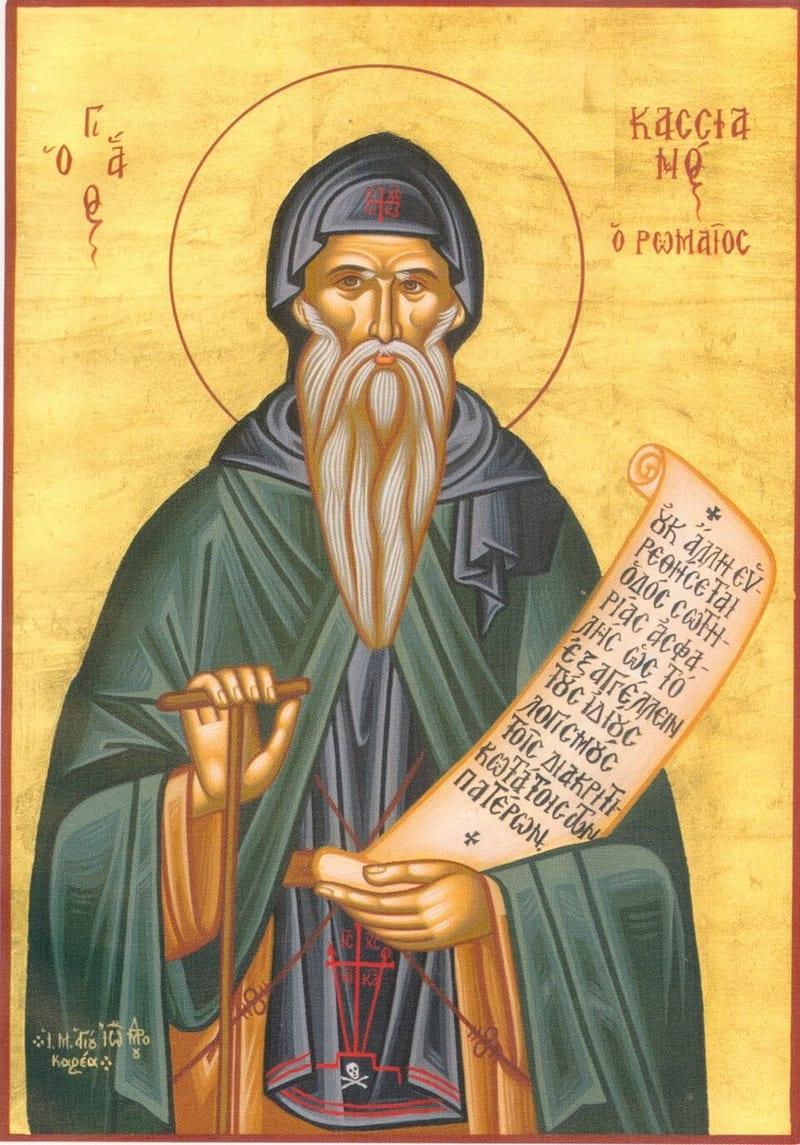
- John CassianDied about 435 · MarseillesHe lived for years among the monks of Egypt and wrote down what the old men taught. About 415 he settled at Marseilles and founded two monasteries there.Chief work The Institutes and the ConferencesRead his witness page, 5 sections →
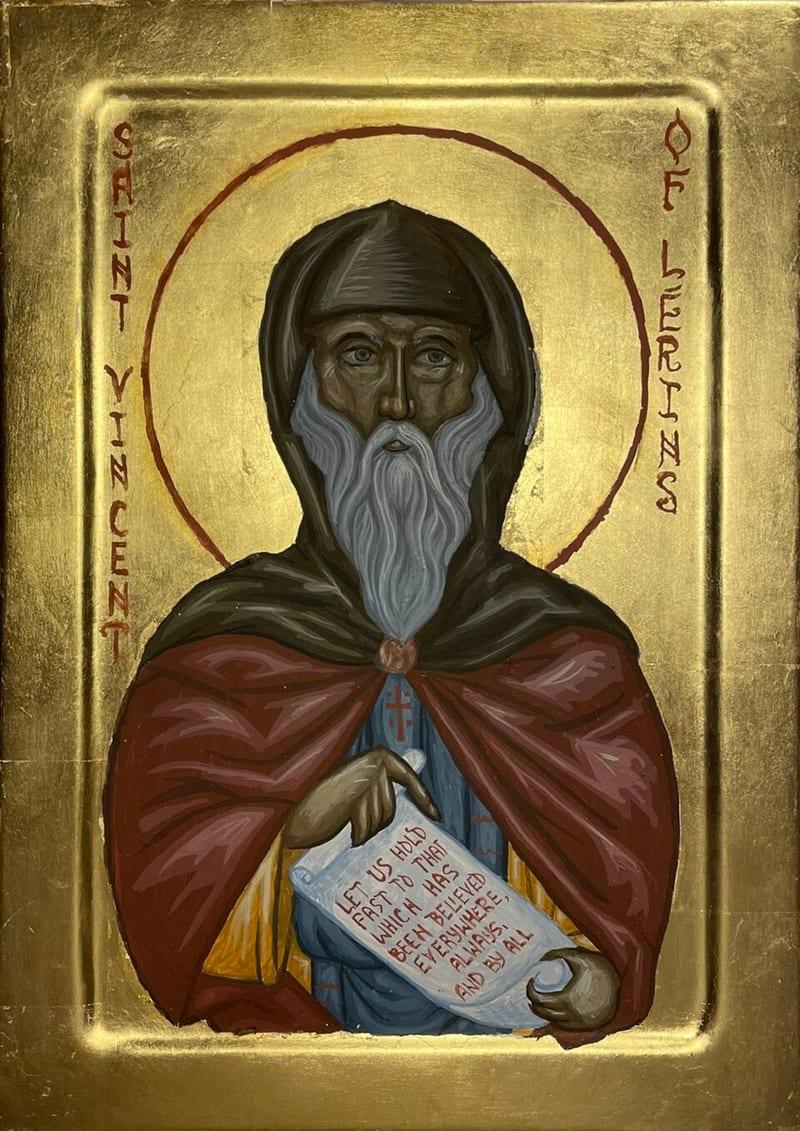
- Vincent of LérinsWrote in 434 · LérinsHe was a monk of Lérins, the island monastery off the coast of Provence. In 434 he wrote that the faith is what has been believed everywhere, always and by everyone.Chief work The CommonitoriumRead his witness page, 5 sections →
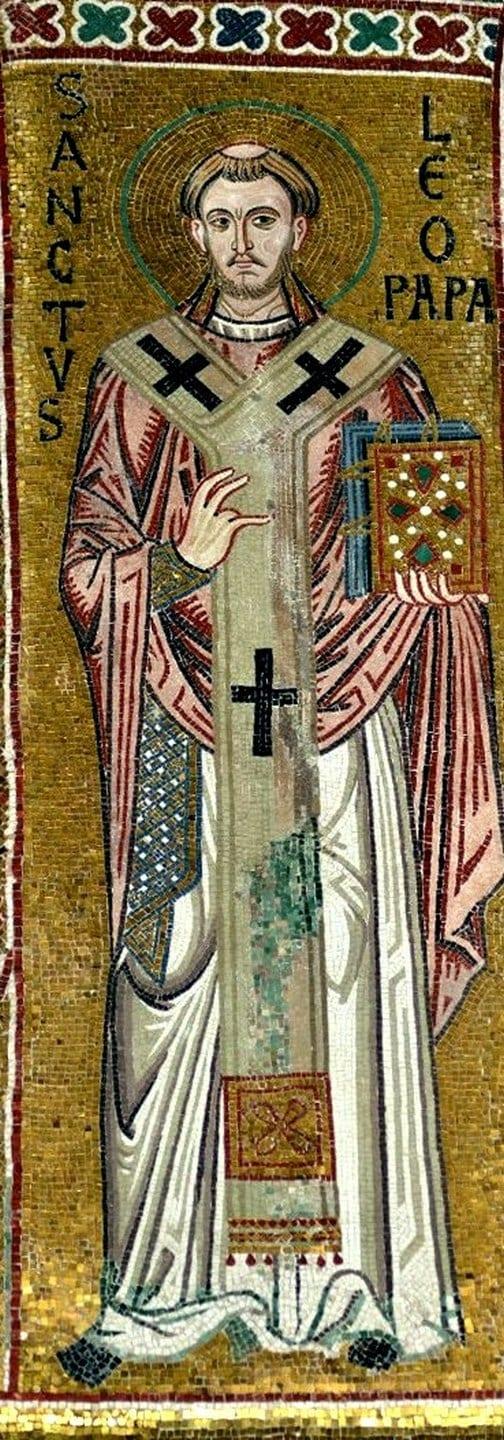
- Leo the GreatWrote his Tome in 449 · RomeIn his Tome of 449 he set the two natures of Christ side by side. At Chalcedon in 451 the bishops acclaimed it: “Peter has spoken thus through Leo.”Chief work The TomeRead his witness page, 5 sections →
- Benedict of NursiaThe Rule, about 535 · ItalyHe was a sixth-century abbot of Italy. His Rule, written about 535, sets out “to establish a school of the Lord's service”.Chief work The RuleRead the page, 10 sections, 5 verses set out →
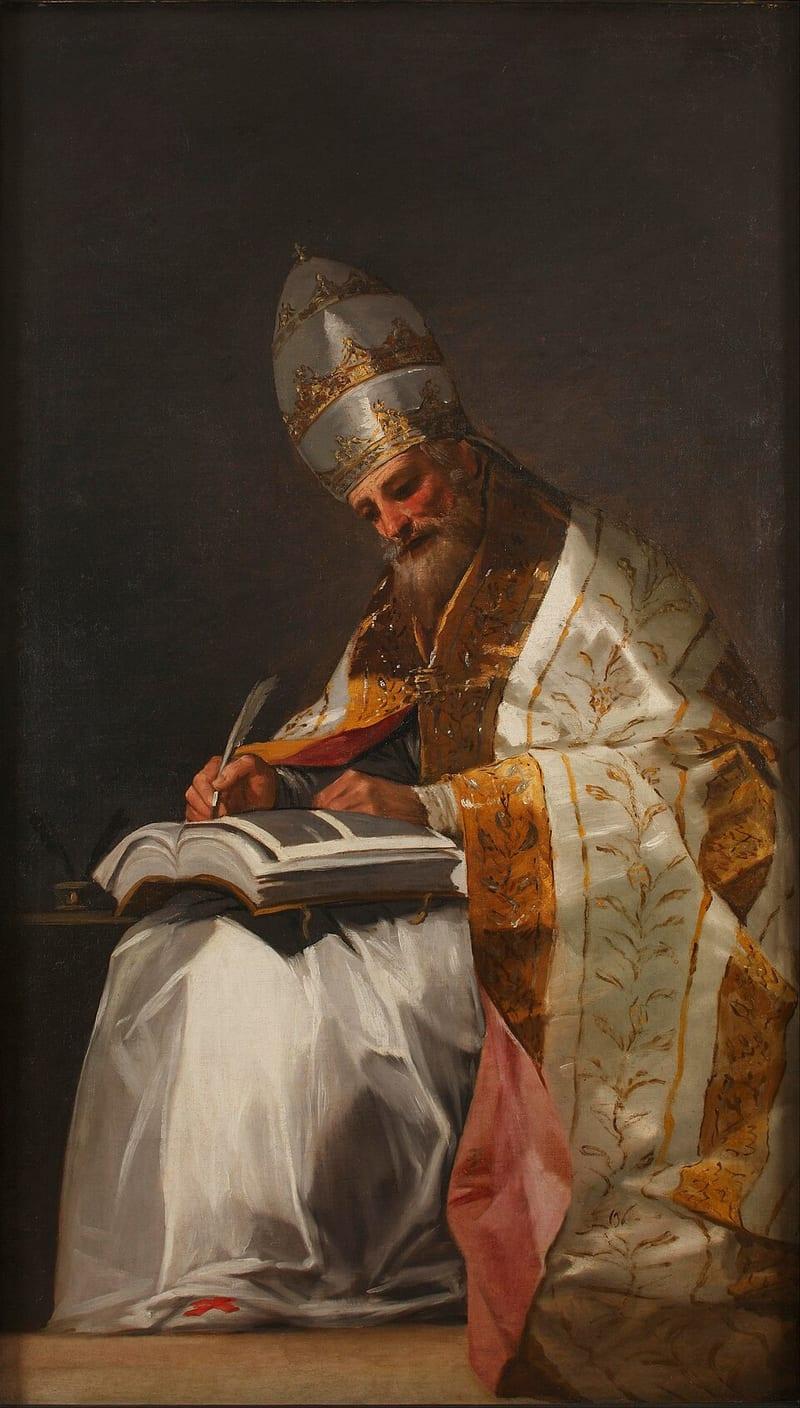
- Gregory the GreatBishop of Rome from 3 September 590 · RomeAt the start of his years in Rome he wrote the Pastoral Rule, a book on the office of those who lead the church. He sent the monk Augustine and others to the English, and Bede reports that they landed in Kent nearly forty strong.Chief work The Pastoral RuleRead his witness page, 5 sections →
Lactantius, Hilary of Poitiers, Ambrose of Milan, Jerome, Augustine of Hippo, John Cassian, Vincent of Lérins, Leo the Great and 2 more
The wall of the fathers, 209 witnesses century by century: every father the wing holds, with the 32 of this room among them.
The pictures32 portraits and their credits
Each father’s picture is the portrait his witness page carries, from Wikimedia Commons, with the credit and licence its record gives.
- Clement of Rome: Unknown, Public domain, Wikimedia Commons
- Ignatius of Antioch: Authors of Menologion of Basil II (circa 985 AC, Constantinople), Byzantine manuscript illuminators[1]: Pantoleon with Georgios, Michael the Younger, Michael of Blachernae, Symeon, Symeon of Blachernae, Menas, and Nestor (Online on Vatican site), Public domain, Wikimedia Commons
- Polycarp: Unknown engraver, CC BY 4.0, Wikimedia Commons
- Papias of Hierapolis: Michel Wolgemut, Wilhelm Pleydenwurff (Text: Hartmann Schedel), Public domain, Wikimedia Commons
- Justin Martyr: André Thévet, Public domain, Wikimedia Commons
- Irenaeus: Ted (Original) Wolfymoza (Commons upload), CC BY-SA 2.0, Wikimedia Commons
- Clement of Alexandria: André Thévet, Public domain, Wikimedia Commons
- Hippolytus of Rome: Mentnafunangann, CC BY 4.0, Wikimedia Commons
- Origen: Unknown engraver, Public domain, Wikimedia Commons
- Gregory of Neocaesarea: zavar_vera, CC BY-SA 4.0, Wikimedia Commons
- Pamphilus of Caesarea: Unknown authorUnknown author, Public domain, Wikimedia Commons
- Eusebius of Caesarea: Unknown, the art is from the 6th Century AD, Public domain, Wikimedia Commons
- Athanasius: Unknown authorUnknown author, Public domain, Wikimedia Commons
- Antony of Egypt: Unknown authorUnknown author, Public domain, Wikimedia Commons
- Basil of Caesarea: Semyon Spiridonov, Public domain, Wikimedia Commons
- Gregory of Nazianzus: José Luiz, CC BY-SA 3.0, Wikimedia Commons
- Gregory of Nyssa: Shakko, CC BY-SA 4.0, Wikimedia Commons
- Cyril of Jerusalem: Unknown authorUnknown author, Public domain, Wikimedia Commons
- John Chrysostom: AnonymousUnknown author, Public domain, Wikimedia Commons
- Cyril of Alexandria: Ted, CC BY-SA 2.0, Wikimedia Commons
- Tertullian: Unknown engraver, 1584, Public domain, Wikimedia Commons
- Cyprian: Sailko, CC BY 4.0, Wikimedia Commons
- Lactantius: Unknown authorUnknown author, Public domain, Wikimedia Commons
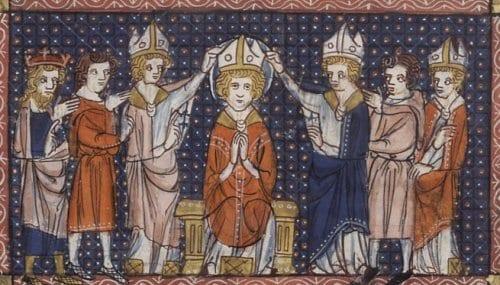
- Hilary of Poitiers: Richard de Montbaston et collaborateurs., Public domain, Wikimedia Commons
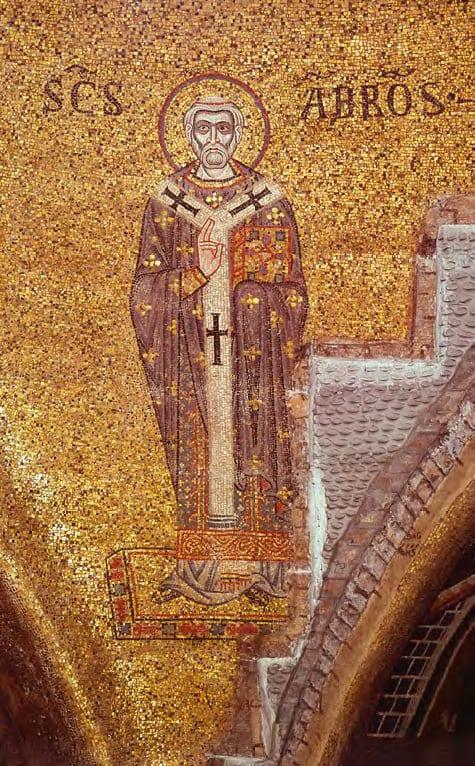
- Ambrose of Milan: Unknown authorUnknown author, Public domain, Wikimedia Commons
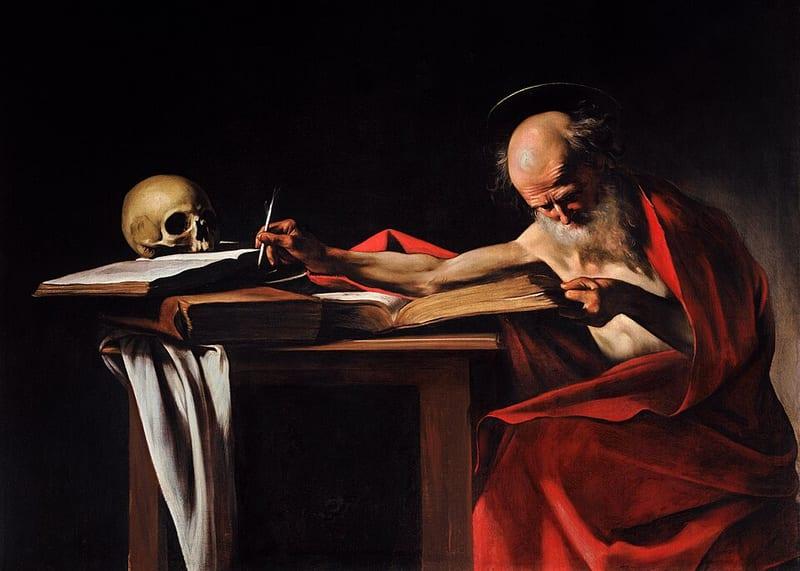
- Jerome: Caravaggio, Public domain, Wikimedia Commons
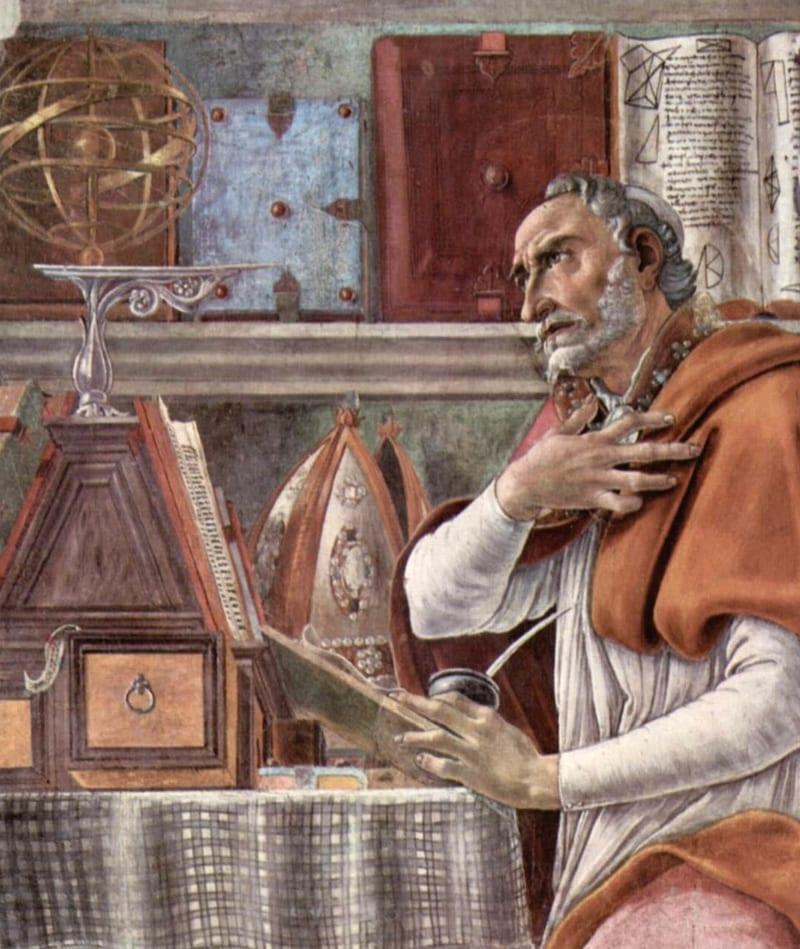
- Augustine of Hippo: Sandro Botticelli, Public domain, Wikimedia Commons
- John Cassian: Unknown authorUnknown author, Public domain, Wikimedia Commons
- Vincent of Lérins: Bojan Teodosijević, CC BY 4.0, Wikimedia Commons
- Leo the Great: anonymous, CC BY 4.0, Wikimedia Commons
- Benedict of Nursia: Unknown authorUnknown author, Public domain, Wikimedia Commons
- Gregory the Great: Francisco Goya, Public domain, Wikimedia Commons


Keep Studying
People and groups8
Church history12