
Psalms 18:8
in Psalms 18Smoke rose from His nostrils, and consuming fire came from His mouth; glowing coals blazed forth.
BSB
The same verse in ASV and KJV ▾
ASV
There went up a smoke out of his nostrils, And fire out of his mouth devoured: Coals were kindled by it.
KJV
There went up a smoke out of his nostrils, and fire out of his mouth devoured: coals were kindled by it.
⋯
This verse in Psalms 18
Commentary
12 notes on this verse"There went up a smoke out of his nostrils." A violent oriental method of expressing fierce wrath. Since the breath from the nostrils is heated by strong emotion, the figure portrays the Almighty Deliverer as pouring forth smoke in the heat of his wrath and the impetuousness of his zeal. Nothing makes God so angry as an injury done to his children. He that toucheth you toucheth the apple of mine eye.
This site's exposition
the earth shook and quaked
on Psalms 18:7-9
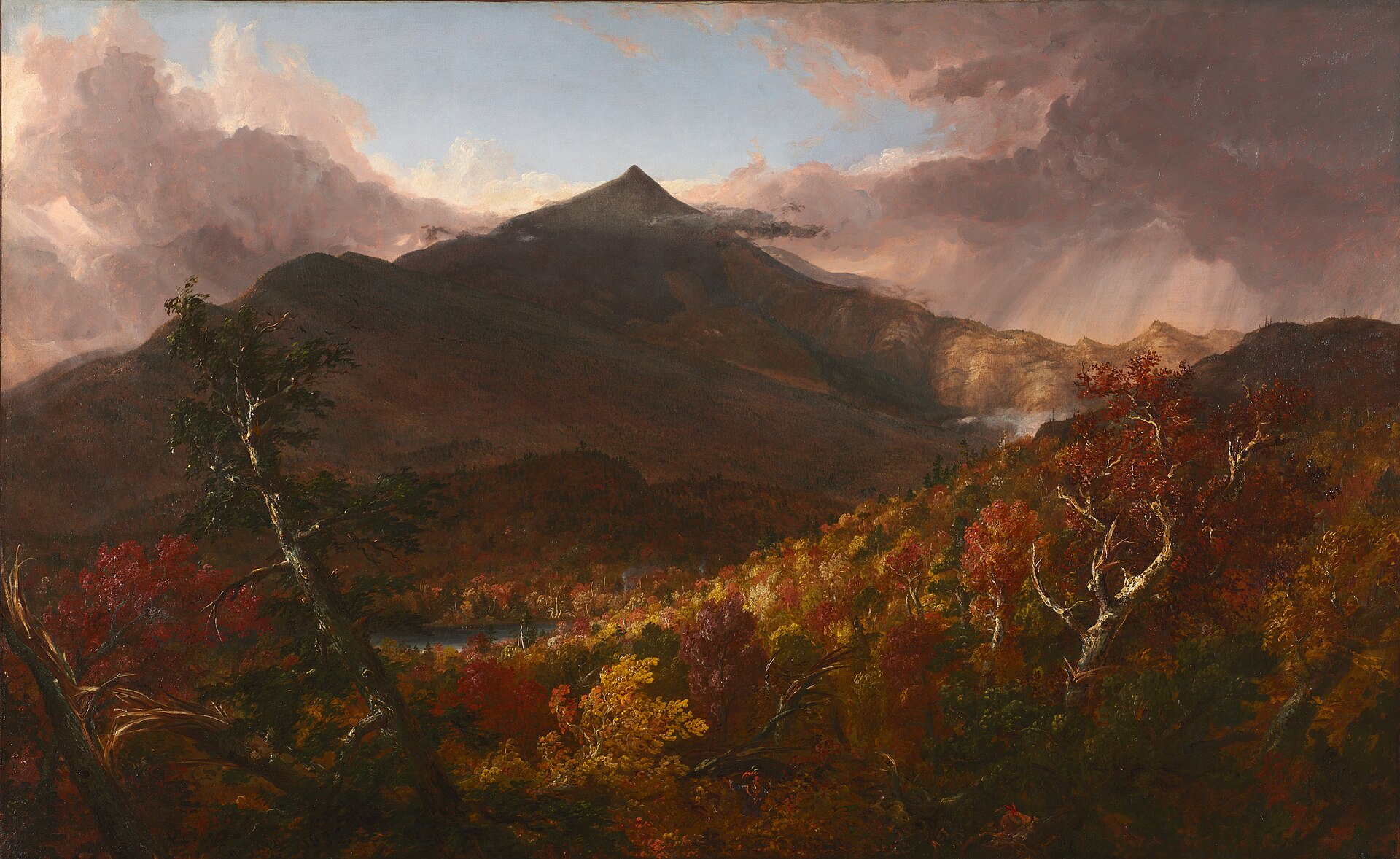
This is a theophany, God appearing in the created world. The earth shook and quaked, the foundations of the mountains trembled, and the shaking came from His anger. Smoke rose from His nostrils, fire came from His mouth, and He came down with dark clouds under His feet.
The record, by era
The Church Fathers1 voice
"There went up smoke in His wrath" [Psalm 18:8]. The tearful supplication of penitents went up, when they came to know God's threatenings against the ungodly. "And fire burns from His face." And the ardour of love after repentance burns by the knowledge of Him. "Coals were kindled from Him." They, who were already dead, abandoned by the fire of good desire and the light of righteousness, and who remained in coldness and darkness, re-enkindled and enlightened, have come to life again.
The Medieval Church2 voices
In this and the following verses, he posits as a sign the smoke, which in his descent from heaven he made as darkness under his feet; it indicates the incomprehensibility of his dispensation. And in his ascension, he flew on the wings of the Spirit, …
"There ascended." Here, expounding corporally, the effect from above is set forth. Now the effect of the earth from above is when the earth is burned by celestial fire in some part of itself; and regarding this he does two things. First he touches on …
The Puritans and the Awakening2 voices
), and coals were kindled by it. Those that by their own sins make themselves as coals (that is, fuel) to this fire will be consumed by it. He that ordains his arrows against the persecutors sends them forth when he pleases, and they are sure to hit the mark and do execution; for those arrows are lightnings,
quarantine:debris (2026-07-29) — leading-punctuation+unbalanced-parens
There went up a smoke out of his nostrils,....
5 more voices on this verse
The Nineteenth Century5 voices
In most poetical language the Psalmist now describes his experience of Jehovah's delivering power. Poesy has in all her treasures no gem more lustrous than the sonnet of the following verses; the sorrow, the cry, the descent of the Divine One, and the rescue of the afflicted, are here set to a music worthy of the golden harps.
In most poetical language the Psalmist now describes his experience of Jehovah's delivering power. Poesy has in all her treasures no gem more lustrous than the sonnet of the following verses; the sorrow, the cry, the descent of the Divine One, and the rescue of the afflicted, are here set to a music worthy of the golden harps. The Messiah our Saviour is evidently, over and beyond David or any other believer, the main and chief subject of this song; and while studying it we have grown more and more sure that every line here has its deepest and profoundest fulfilment in Him; but as we are desirous not to extend our comment beyond moderate bounds, we must leave it with the devout reader to make the very easy application of the passage to our once distressed but now triumphant Lord.
"There went up a smoke out of his nostrils." A violent oriental method of expressing fierce wrath. Since the breath from the nostrils is heated by strong emotion, the figure portrays the Almighty Deliverer as pouring forth smoke in the heat of his wrath and the impetuousness of his zeal. Nothing makes God so angry as an injury done to his children. He that toucheth you toucheth the apple of mine eye. God is not subject to the passions which govern his creatures, but acting as he does with all the energy and speed of one who is angry, he is here aptly set forth in poetic imagery suitable to human understandings. The opening of his lips is sufficient to destroy his enemies; "and fire out of his mouth devoured." This fire was no temporary one but steady and lasting; "Coals were kindled by it." The whole passage is intended to depict God's descent to the help of his child, attended by earthquake and tempest: at the majesty of his appearing the earth rocks, the clouds gather like smoke, and the lightning as flaming fire devours, setting the world on a blaze. What grandeur of description is here! Bishop Mant very admirably rhymes the verse thus:— Smoke from his heated nostrils came, And from his mouth devouring flame; Hot burning coals announced his ire, And flashes of careering fire."
There went up a smoke out of his nostrils - Or, ‘There ascended into his nostrils a smoke,’ as the words, literally rendered, signify. The ancients placed the seat of anger in the nose, or nostrils; because when the passions are warm and violent, it discovers itself by the heated vehement breath which proceeds from them. Hence the physiognomists considered open wide nostrils as a sign of an angry, fiery disposition. “This description of a smoke arising into and a fire breaking forth from the nostrils of God, denotes, by a poetical figure, the greatness of his anger and indignation. “Fire out of his mouth devoured - means that consuming fire issued out of his mouth. Coals were kind led by it, thus we render the next clause; but the words do not mean that fire proceeding from God kindled coals, but that burning coals issued from his mouth; and it should be rendered ‘living coals from his mouth burned, and consumed around him.’ - Chandler.
A commentator
Albert Barnes1798–1870
Notes, Explanatory and Practical, on the Old and New Testaments (1832-1869)
proposed
There went up a smoke out of his nostrils - Margin, “by his;” that is, as it is understood in the margin, the smoke seemed to be produced “by” his nostrils, or to be caused by his breathing. The comparison, according to Rosenmuller and DeWette, is derived from wild beasts when excited with anger, and when their rage is indicated by their violent breathing. Compare Psa 74:1; Deu 29:20; Isa 65:5. And fire out of his mouth devoured - That is, the clouds seemed to be poured forth from his nostrils, and the lightning from his mouth. So in Hab 3:5: “Before him went the pestilence, and burning coals went forth at his feet.” Coals were kindled by it - Everything seemed to glow and burn. The lightning, that appeared to flash from his mouth, set everything on fire. The heavens and the earth were in a blaze.
The words behind it
9 Hebrew wordsEvery Hebrew word of this verse in the order it stands, with what it means and the door to its own study. The last column counts the times a word stands in the whole Bible: the rarer the word, the more the places it appears belong together.
| Hebrew | Sound | Meaning | Word study | In the Bible |
|---|---|---|---|---|
| עָ֘לָ֤ה | ʾalah | it went up | H5927 → | 890 times |
| עָשָׁ֨ן׀ | ʾashan | smoke | H6227 → | 25 times |
| בְּאַפּ֗וֹ | beapo | in nose his | H639 → | 276 times |
| וְאֵשׁ־ | veesh- | and fire | H784 → | 378 times |
| מִפִּ֥יו | mipiv | from mouth his | H6310 → | 498 times |
| תֹּאכֵ֑ל | tokhel | it consumed | H398 → | 810 times |
| גֶּ֝חָלִ֗ים | gechalim | coals | H1513 → | 18 times |
| בָּעֲר֥וּ | baaru | they burned | H1197 → | 94 times |
| מִמֶּֽנּוּ׃ | mimenu | from him | H4480 → | 1188 times |
עָ֘לָ֤הit went up
ʾalahH5927 →890 times
עָשָׁ֨ן׀smoke
ʾashanH6227 →25 times
בְּאַפּ֗וֹin nose his
beapoH639 →276 times
וְאֵשׁ־and fire
veesh-H784 →378 times
מִפִּ֥יוfrom mouth his
mipivH6310 →498 times
תֹּאכֵ֑לit consumed
tokhelH398 →810 times
גֶּ֝חָלִ֗יםcoals
gechalimH1513 →18 times
בָּעֲר֥וּthey burned
baaruH1197 →94 times
מִמֶּֽנּוּ׃from him
mimenuH4480 →1188 times
A shaded row is a word that stands 400 times or fewer in the Bible.
The walk
8 stopsEach card is a verse this one points to, and under it the verses that one points to in turn. Where several paths arrive at the same place, that place is listed first: the text keeps returning to it.
Through
Psalms 11:6On the wicked He will rain down fiery coals and sulfur; a scorching wind will be their portion.
it leads to
- Ezekiel 38:22
I will execute judgment upon him with plague and bloodshed. I will pour out torrents of rain, hailstones, fire, and sulfur on him and on his troops and on the many nations with him.
- Genesis 19:24
Then the LORD rained down sulfur and fire on Sodom and Gomorrah—from the LORD out of the heavens.
- Ezekiel 13:13
Therefore this is what the Lord GOD says: In My wrath I will release a windstorm, and in My anger torrents of rain and hail will fall with destructive fury.
- Luke 17:29
But on the day Lot left Sodom, fire and sulfur rained down from heaven and destroyed them all.
- Psalms 75:8
For a cup is in the hand of the LORD, full of foaming wine mixed with spices. He pours from His cup, and all the wicked of the earth drink it down to the…
- Ezekiel 38:22
Through
Psalms 21:9You will place them in a fiery furnace at the time of Your appearing. In His wrath the LORD will engulf them, and the fire will consume them.
it leads to
- Malachi 4:1
“For behold, the day is coming, burning like a furnace, when all the arrogant and every evildoer will be stubble; the day is coming when I will set them ablaze,” says the LORD of…
- Psalms 50:3
Our God approaches and will not be silent! Consuming fire precedes Him, and a tempest rages around Him.
- Malachi 4:1
Through
Amos 4:11“Some of you I overthrew as I overthrew Sodom and Gomorrah, and you were like a firebrand snatched from a blaze, yet you did not return to Me,” declares the LORD.
it leads to
- Zechariah 3:2
And the LORD said to Satan: “The LORD rebukes you, Satan! Indeed, the LORD, who has chosen Jerusalem, rebukes you! Is not this man a firebrand snatched from the fire?”
- Zechariah 3:2
About Psalms
This page draws on 10 works. Open the list of works
This page draws on Adam Clarke, Commentary on the Bible; Albert Barnes, Notes, Explanatory and Practical, on the Old and New Testaments (1832-1869); Augustine of Hippo, Exposition on Psalm 18; Charles Spurgeon, The Treasury of David, Vol. 1; Charles Spurgeon, The Treasury of David; Franz Delitzsch, Biblical Commentary on the Psalms; John Gill, Exposition of the Old Testament (1748-1763); Matthew Henry, Commentary on the Whole Bible; Pseudo-Athanasius, EXPOSITION ON PSALM 18 and Thomas Aquinas, Exposition on the Psalms of David.