
Nehemiah 8:4
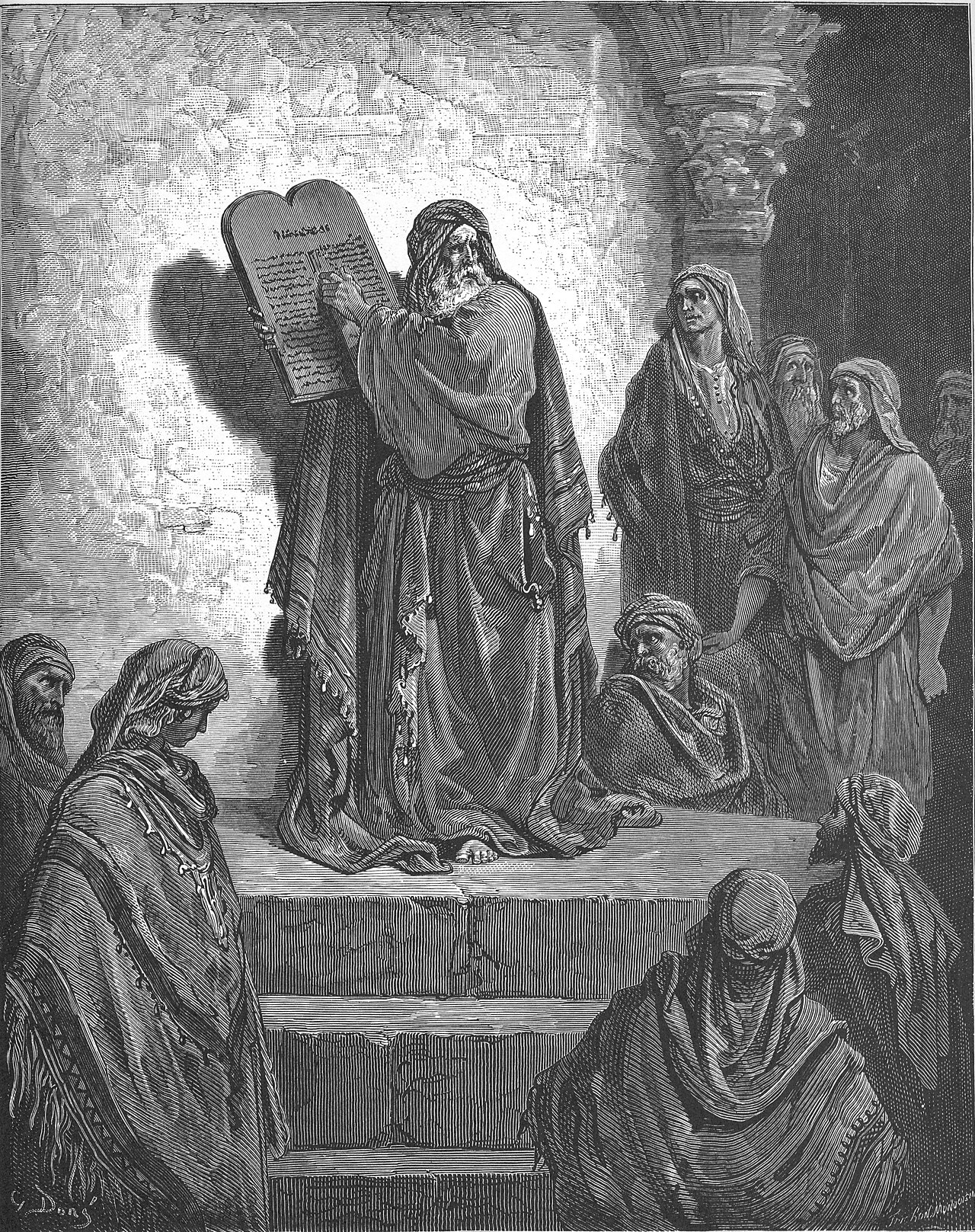
in Nehemiah 8Ezra the scribe stood on a high wooden platform built for this occasion. At his right side stood Mattithiah, Shema, Anaiah, Uriah, Hilkiah, and Maaseiah, and at his left were Pedaiah, Mishael, Malchijah, Hashum, Hash-baddanah, Zechariah, and Meshullam.
BSB
The same verse in ASV and KJV ▾
ASV
And Ezra the scribe stood upon a pulpit of wood, which they had made for the purpose; and beside him stood Mattithiah, and Shema, and Anaiah, and Uriah, and Hilkiah, and Maaseiah, on his right hand; and on his left hand, Pedaiah, and Mishael, and Malchijah, and Hashum, and Hashbaddanah, Zechariah, and Meshullam.
KJV
And Ezra the scribe stood upon a pulpit of wood, which they had made for the purpose; and beside him stood Mattithiah, and Shema, and Anaiah, and Urijah, and Hilkiah, and Maaseiah, on his right hand; and on his left hand, Pedaiah, and Mishael, and Malchiah, and Hashum, and Hashbadana, Zechariah, and Meshullam.
⋯
This verse in Nehemiah 8
Commentary
8 notes on this verseEzra the scribe stood upon a wooden platform, etc. This place seems to be remembered in the Scripture of Chronicles, where it is said: Solomon stood before the altar of the Lord, facing the multitude of Israel, and stretched out his hands. For Solomon had …
This site's exposition
a pulpit of wood
on Nehemiah 8:4-6
The pulpit of wood, made for the purpose, is the first in Scripture, built so that the book could be seen and heard by a street full of people. When Ezra opens the book all the people stand up, and the blessing is answered with Amen, Amen, lifted hands, and faces to the ground: a whole liturgy of the word in two verses, reverence bracketing reading. Thirteen named men stand beside him, the ministry of the book already a shared office.
The record, by era
The Puritans and the Awakening3 voices
Priests and Levites must be taught first and then teach. The people's ready obedience to the word, in one particular instance, as soon as they were made sensible of their duty therein. It is probable that Ezra, after the wisdom of his God that was in his hand ( Ezra vii.
quarantine:debris (2026-07-29) — unbalanced-parens
Some think, that he appointed them to read when he was weary; at least his taking them as assessors with him put an honour upon them before the people, in order to their being employed in the same service another time. Others who are mentioned (
quarantine:debris (2026-07-29) — unbalanced-parens
And Ezra the scribe stood upon a pulpit of wood, which they had made for the purpose,....
The Nineteenth Century2 voices
Stood upon a pulpit of wood - מגדל migdal, a tower, a platform, raised up for the purpose, to elevate him sufficiently for the people both to see and hear him; for it is said, Neh 8:5, that he was above all the people. This is the first intimation we have of a pulpit, or structure of this kind.
A commentator
Jamieson, Fausset & Brown1802–1910
Commentary Critical and Explanatory on the Whole Bible (1871)
Ezra . . . stood upon a pulpit of wood--Not made in the form known to us, but only a raised scaffold or platform, broad enough to allow fourteen persons to stand with ease upon it. Ezra's duty was very laborious, as he continued reading aloud from morning until midday, but his labor was lightened by the aid of the other priests present.
1 more voice on this verse
The Nineteenth Century1 voice
A commentator
Albert Barnes1798–1870
Notes, Explanatory and Practical, on the Old and New Testaments (1832-1869)
proposed
The 13 persons mentioned were probably the chief priests of the course (shift) which was at the time performing the temple service.
How the passage was read
On Nehemiah 8:1-18On Nehemiah 8:1-18
The seventh month, rediscovered
Everything in this chapter happens on the calendar of Leviticus 23. Ezra reads the Law on “the first day of the seventh month”: that is the Day of Trumpets, kept today as Rosh Hashanah, the Jewish new year, announced by the ram's-horn trumpet (shofar). Then the people find the command about booths and keep Tabernacles (Sukkot) for the first time “since the days of Joshua”: seven days living in leafy shelters, remembering the wilderness. Jewish families still build these booths every autumn: a hut in the yard or on the balcony, roofed with branches you can see the stars through, where meals are eaten all week.
The chapter also gives the day its enduring tone: “the joy of the LORD is your strength” was said on Rosh Hashanah, to a congregation weeping under the words of the Law and told instead to feast.
This section is reception history: how the passage was read and kept in the Jewish tradition. Where a reading parts from an essential of the Christian faith, the section says so at that point.
Sources: Leviticus 23:23–43 (the seventh month's appointments) · Mishnah Sukkah 1:1 (the booth's rules)
The words behind it
27 Hebrew wordsEvery Hebrew word of this verse in the order it stands, with what it means and the door to its own study. The last column counts the times a word stands in the whole Bible: the rarer the word, the more the places it appears belong together.
| Hebrew | Sound | Meaning | Word study | In the Bible |
|---|---|---|---|---|
| וַֽיַּעֲמֹ֞ד | vaiyaamod | and he stood | H5975 → | 521 times |
| עֶזְרָ֣א | ʾezra' | Ezra | H5830 → | 22 times |
| הַסֹּפֵ֗ר | hasofer | the scribe | H5608 → | 159 times |
| עַֽל־ | ʾal- | on | H5921 → | 5755 times |
| מִגְדַּל־ | migdal- | a high platform of | H4026 → | 48 times |
| עֵץ֮ | ʾetz | wood | H6086 → | 328 times |
| אֲשֶׁ֣ר | ʾasher | which | H834 → | 5497 times |
| עָשׂ֣וּ | ʾasu | people had made | H6213 → | 2628 times |
| לַדָּבָר֒ | ladavar | for the matter | H1697 → | 1440 times |
| וַיַּֽעֲמֹ֣ד | vaiyaamod | and he stood | H5975 → | 521 times |
| אֶצְל֡וֹ | ʾetzlo | beside him | H681 → | 61 times |
| מַתִּתְיָ֡ה | matityah | Mattithiah | H4993 → | |
| וְשֶׁ֡מַע | veshema' | and Shema | H8087 → | |
| וַ֠עֲנָיָה | vaanayah | and Anaiah | H6043 → | |
| וְאוּרִיָּ֧ה | veuriyah | and Uriah | H223 → | 39 times |
| וְחִלְקִיָּ֛ה | vechilkiyah | and Hilkiah | H2518 → | 34 times |
| וּמַעֲשֵׂיָ֖ה | umaaseyah | and Maaseiah | H4641 → | 23 times |
| עַל־ | ʾal- | on | H5921 → | 5755 times |
| יְמִינ֑וֹ | yemino | right [hand] his | H3225 → | |
| וּמִשְּׂמֹאל֗וֹ | umisemolo | and from left his | H8040 → | |
| פְּ֠דָיָה | pedayah | Pedaiah | H6305 → | 8 times |
| וּמִֽישָׁאֵ֧ל | umishael | and Mishael | H4332 → | |
| וּמַלְכִּיָּ֛ה | umalkiyah | and Malkijah | H4441 → | 16 times |
| וְחָשֻׁ֥ם | vechashum | and Hashum | H2828 → | 5 times |
| וְחַשְׁבַּדָּ֖נָה | vechashbadanah | and Hashbaddanah | H2806 → | |
| זְכַרְיָ֥ה | zekharyah | Zechariah | H2148 → | 43 times |
| מְשֻׁלָּֽם׃ פ | meshulam | Meshullam | H4918 → | 25 times |
וַֽיַּעֲמֹ֞דand he stood
vaiyaamodH5975 →521 times
עֶזְרָ֣אEzra
ʾezra'H5830 →22 times
הַסֹּפֵ֗רthe scribe
hasoferH5608 →159 times
עַֽל־on
ʾal-H5921 →5755 times
מִגְדַּל־a high platform of
migdal-H4026 →48 times
עֵץ֮wood
ʾetzH6086 →328 times
אֲשֶׁ֣רwhich
ʾasherH834 →5497 times
עָשׂ֣וּpeople had made
ʾasuH6213 →2628 times
לַדָּבָר֒for the matter
ladavarH1697 →1440 times
וַיַּֽעֲמֹ֣דand he stood
vaiyaamodH5975 →521 times
אֶצְל֡וֹbeside him
ʾetzloH681 →61 times
מַתִּתְיָ֡הMattithiah
matityahH4993 →
וְשֶׁ֡מַעand Shema
veshema'H8087 →
וַ֠עֲנָיָהand Anaiah
vaanayahH6043 →
וְאוּרִיָּ֧הand Uriah
veuriyahH223 →39 times
וְחִלְקִיָּ֛הand Hilkiah
vechilkiyahH2518 →34 times
וּמַעֲשֵׂיָ֖הand Maaseiah
umaaseyahH4641 →23 times
עַל־on
ʾal-H5921 →5755 times
יְמִינ֑וֹright [hand] his
yeminoH3225 →
וּמִשְּׂמֹאל֗וֹand from left his
umisemoloH8040 →
פְּ֠דָיָהPedaiah
pedayahH6305 →8 times
וּמִֽישָׁאֵ֧לand Mishael
umishaelH4332 →
וּמַלְכִּיָּ֛הand Malkijah
umalkiyahH4441 →16 times
וְחָשֻׁ֥םand Hashum
vechashumH2828 →5 times
וְחַשְׁבַּדָּ֖נָהand Hashbaddanah
vechashbadanahH2806 →
זְכַרְיָ֥הZechariah
zekharyahH2148 →43 times
מְשֻׁלָּֽם׃ פMeshullam
meshulamH4918 →25 times
A shaded row is a word that stands 400 times or fewer in the Bible.
The walk
8 stopsEach card is a verse this one points to, and under it the verses that one points to in turn. Where several paths arrive at the same place, that place is listed first: the text keeps returning to it.
Through
Nehemiah 10:3Pashhur, Amariah, Malchijah,
it leads to
- Nehemiah 3:11
Malchijah son of Harim and Hasshub son of Pahath-moab repaired another section, as well as the Tower of the Ovens.
- Nehemiah 12:2
Amariah, Malluch, Hattush,
- Nehemiah 11:12
and their associates who did the work at the temple—822 men;
- Nehemiah 12:13
of Ezra, Meshullam; of Amariah, Jehohanan;
- Nehemiah 3:11
Through
Nehemiah 11:5and Maaseiah son of Baruch, the son of Col-hozeh, the son of Hazaiah, the son of Adaiah, the son of Joiarib, the son of Zechariah, a descendant of Shelah.
it leads to
- Nehemiah 3:15
The Fountain Gate was repaired by Shallun son of Col-hozeh, ruler of the district of Mizpah. He rebuilt it, roofed it, and installed its doors, bolts, and bars. He also repaired the wall of…
- Genesis 38:5
Then she gave birth to another son and named him Shelah; it was at Chezib that she gave birth to him.
- 1 Chronicles 4:21
The sons of Shelah son of Judah:
- Numbers 26:20
These were the descendants of Judah by their clans: The Shelanite clan from Shelah, the Perezite clan from Perez, and the Zerahite clan from Zerah.
- Nehemiah 3:15
Where this verse is studied
On this page
About Nehemiah
Who and where
1 name in this verse with a page on the site.
This page draws on Adam Clarke, Commentary on the Bible; Albert Barnes, Notes, Explanatory and Practical, on the Old and New Testaments (1832-1869); Alfred Edersheim, Bible History: Old Testament; Bede, Commentary on Ezra and Nehemiah; Jamieson, Fausset & Brown, Commentary Critical and Explanatory on the Whole Bible; John Gill, Exposition of the Old Testament (1748-1763) and Matthew Henry, Commentary on the Whole Bible.