
Nehemiah 8:18
in Nehemiah 8Day after day, from the first day to the last, Ezra read from the Book of the Law of God. The Israelites kept the feast for seven days, and on the eighth day they held an assembly, according to the ordinance.
BSB
The same verse in ASV and KJV ▾
ASV
Also day by day, from the first day unto the last day, he read in the book of the law of God. And they kept the feast seven days; and on the eighth day was a solemn assembly, according unto the ordinance.
KJV
Also day by day, from the first day unto the last day, he read in the book of the law of God. And they kept the feast seven days; and on the eighth day was a solemn assembly, according unto the manner.
⋯
This verse in Nehemiah 8
Commentary
6 notes on this verseAlso day by day, from the first day unto the last day, he read in the book of the law of God,.... That is, Ezra; this was done by him every day during the feast, whereas only the first and last days were the holy convocations on which it seems to have been read: and they kept the feast seven days, and on the eighth day was a solemn assembly, according to the manner; prescribed in Lev 23:39.
This site's exposition
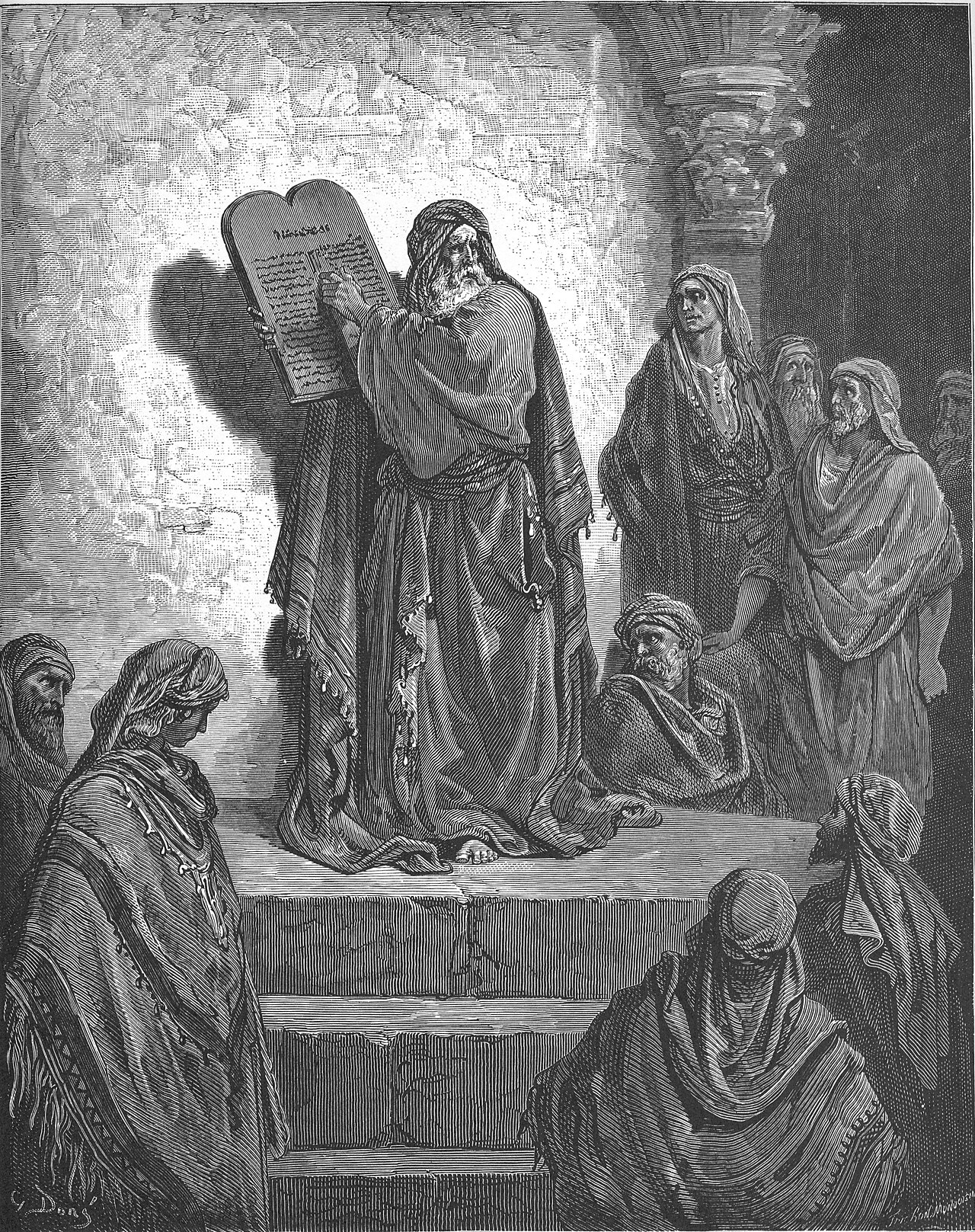
Ezra read from the Book of the Law of God
Then "on the eighth day they held an assembly, according to the ordinance," Leviticus 23:36 kept to the letter. The week that began with one morning's reading ends as a rhythm of daily Scripture.
The record, by era
The Medieval Church1 voice
He read from the book of the law of God, etc. As far as the meaning of the text goes, the Feast of Tabernacles was typically celebrated for seven days, that is, from the fifteenth day of the seventh month of the moon, up to …
The Puritans and the Awakening2 voices
5 And Ezra opened the book in the sight of all the people; (for he was above all the people;) and when he opened it, all the people stood up: 6 And Ezra blessed the L ORD , the great God. And all the people answered, Amen, Amen, with lifting up their hands: and they bowed their heads, and worshipped the L ORD with their faces to the ground.
quarantine:scripture (2026-07-29) — scripture-overlap:94%@v5-6
10, 11 ) does not appear; however they spent all the days of the feast in that good work, and on the eighth day was a solemn assembly, as God had appointed, in which they finished the solemnity the twenty-second day of the month, yet did not separate, for the twenty-fourth day was appointed to be spent in fasting and prayer.
quarantine:debris (2026-07-29) — leading-citation-number+unbalanced-parens
The Nineteenth Century1 voice
A commentator
Jamieson, Fausset & Brown1802–1910
Commentary Critical and Explanatory on the Whole Bible (1871)
Also day by day . . . he read in the book of the law of God--This was more than was enjoined (De 31:10-12), and arose from the exuberant zeal of the time. on the eighth day was a solemn assembly--This was the last and great day of the feast (see on Nu 29:35).
How the passage was read
On Nehemiah 8:1-18On Nehemiah 8:1-18
The seventh month, rediscovered
Everything in this chapter happens on the calendar of Leviticus 23. Ezra reads the Law on “the first day of the seventh month”: that is the Day of Trumpets, kept today as Rosh Hashanah, the Jewish new year, announced by the ram's-horn trumpet (shofar). Then the people find the command about booths and keep Tabernacles (Sukkot) for the first time “since the days of Joshua”: seven days living in leafy shelters, remembering the wilderness. Jewish families still build these booths every autumn: a hut in the yard or on the balcony, roofed with branches you can see the stars through, where meals are eaten all week.
The chapter also gives the day its enduring tone: “the joy of the LORD is your strength” was said on Rosh Hashanah, to a congregation weeping under the words of the Law and told instead to feast.
This section is reception history: how the passage was read and kept in the Jewish tradition. Where a reading parts from an essential of the Christian faith, the section says so at that point.
Sources: Leviticus 23:23–43 (the seventh month's appointments) · Mishnah Sukkah 1:1 (the booth's rules)
The words behind it
20 Hebrew wordsEvery Hebrew word of this verse in the order it stands, with what it means and the door to its own study. The last column counts the times a word stands in the whole Bible: the rarer the word, the more the places it appears belong together.
| Hebrew | Sound | Meaning | Word study | In the Bible |
|---|---|---|---|---|
| וַ֠יִּקְרָא | vaiyikra' | and he read aloud | H7121 → | 733 times |
| בְּסֵ֨פֶר | besefer | in [the] scroll of | H5612 → | 186 times |
| תּוֹרַ֤ת | torat | [the] law of | H8451 → | 219 times |
| הָאֱלֹהִים֙ | haelohim | <the> God | H430 → | 2601 times |
| י֣וֹם׀ | yom | a day | H3117 → | 2304 times |
| בְּי֔וֹם | beyom | in a day | H3117 → | 2304 times |
| מִן־ | min- | from | H4480 → | 1188 times |
| הַיּוֹם֙ | haiyom | the day | H3117 → | 2304 times |
| הָֽרִאשׁ֔וֹן | harishon | <the> first | H7223 → | 182 times |
| עַ֖ד | ʾad | until | H5704 → | 1261 times |
| הַיּ֣וֹם | haiyom | the day | H3117 → | 2304 times |
| הָאַחֲר֑וֹן | haacharon | <the> last | H314 → | |
| וַיַּֽעֲשׂוּ־ | vaiyaasu- | and they celebrated | H6213 → | 2628 times |
| חָג֙ | chag | a festival | H2282 → | |
| שִׁבְעַ֣ת | shivat | seven | H7651 → | 394 times |
| יָמִ֔ים | yamim | days | H3117 → | 2304 times |
| וּבַיּ֧וֹם | uvaiyom | and on the day | H3117 → | 2304 times |
| הַשְּׁמִינִ֛י | hashemini | <the> eighth | H8066 → | |
| עֲצֶ֖רֶת | ʾatzeret | an assembly | H6116 → | |
| כַּמִּשְׁפָּֽט׃ פ | kamishpat | according to the ordinance | H4941 → | 422 times |
וַ֠יִּקְרָאand he read aloud
vaiyikra'H7121 →733 times
בְּסֵ֨פֶרin [the] scroll of
beseferH5612 →186 times
תּוֹרַ֤ת[the] law of
toratH8451 →219 times
הָאֱלֹהִים֙<the> God
haelohimH430 →2601 times
י֣וֹם׀a day
yomH3117 →2304 times
בְּי֔וֹםin a day
beyomH3117 →2304 times
מִן־from
min-H4480 →1188 times
הַיּוֹם֙the day
haiyomH3117 →2304 times
הָֽרִאשׁ֔וֹן<the> first
harishonH7223 →182 times
עַ֖דuntil
ʾadH5704 →1261 times
הַיּ֣וֹםthe day
haiyomH3117 →2304 times
הָאַחֲר֑וֹן<the> last
haacharonH314 →
וַיַּֽעֲשׂוּ־and they celebrated
vaiyaasu-H6213 →2628 times
חָג֙a festival
chagH2282 →
שִׁבְעַ֣תseven
shivatH7651 →394 times
יָמִ֔יםdays
yamimH3117 →2304 times
וּבַיּ֧וֹםand on the day
uvaiyomH3117 →2304 times
הַשְּׁמִינִ֛י<the> eighth
hasheminiH8066 →
עֲצֶ֖רֶתan assembly
ʾatzeretH6116 →
כַּמִּשְׁפָּֽט׃ פaccording to the ordinance
kamishpatH4941 →422 times
A shaded row is a word that stands 400 times or fewer in the Bible.
The walk
8 stopsEach card is a verse this one points to, and under it the verses that one points to in turn. Where several paths arrive at the same place, that place is listed first: the text keeps returning to it.
Through
John 7:37On the last and greatest day of the feast, Jesus stood up and called out in a loud voice, “If anyone is thirsty, let him come to Me and drink.
it leads to
- Isaiah 55:1
“Come, all you who are thirsty, come to the waters; and you without money, come, buy, and eat! Come, buy wine and milk without money and without cost!
- John 4:14
But whoever drinks the water I give him will never thirst. Indeed, the water I give him will become in him a fount of water springing up to eternal life.”
- John 6:35
Jesus answered, “I am the bread of life. Whoever comes to Me will never hunger, and whoever believes in Me will never thirst.
- Isaiah 12:3
With joy you will draw water from the springs of salvation,
- Revelation 22:17
The Spirit and the bride say, “Come!” Let the one who hears say, “Come!” And let the one who is thirsty come, and the one who desires the water of life drink freely.
- Isaiah 55:1
Through
Leviticus 23:36For seven days you are to present an offering made by fire to the LORD. On the eighth day you are to hold a sacred assembly and present an offering made by fire to…
it leads to
- John 7:37
On the last and greatest day of the feast, Jesus stood up and called out in a loud voice, “If anyone is thirsty, let him come to Me and drink.
- 2 Chronicles 7:8–11
So at that time Solomon and all Israel with him—a very great assembly of people from Lebo-hamath to the Brook of Egypt—kept the feast for seven days.
- John 7:37
Through
Numbers 29:35On the eighth day you are to hold a solemn assembly; you must not do any regular work.
it leads to
- Leviticus 23:36
For seven days you are to present an offering made by fire to the LORD. On the eighth day you are to hold a sacred assembly and present an offering made by fire to…
- Leviticus 23:36
Where this verse is studied
On this page
Studies10
About Nehemiah
Who and where
1 name in this verse with a page on the site.
This page draws on Bede, Commentary on Ezra and Nehemiah; Jamieson, Fausset & Brown, Commentary Critical and Explanatory on the Whole Bible; John Gill, Exposition of the Old Testament (1748-1763); John Gill, Exposition of the Old Testament; Matthew Henry, Commentary on the Whole Bible and W. F. Adeney, Ezra, Nehemiah and Esther (Expositor's Bible).