
Leviticus 13:3
in Leviticus 13The priest is to examine the infection on his skin, and if the hair in the infection has turned white and the sore appears to be deeper than the skin, it is a skin disease. After the priest examines him, he must pronounce him unclean.
BSB
The same verse in ASV and KJV ▾
ASV
and the priest shall look on the plague in the skin of the flesh: and if the hair in the plague be turned white, and the appearance of the plague be deeper than the skin of his flesh, it is the plague of leprosy; and the priest shall look on him, and pronounce him unclean.
KJV
And the priest shall look on the plague in the skin of the flesh: and when the hair in the plague is turned white, and the plague in sight be deeper than the skin of his flesh, it is a plague of leprosy: and the priest shall look on him, and pronounce him unclean.
⋯
This verse in Leviticus 13
Commentary
7 notes on this verseA commentator
Albert Barnes1798–1870
Notes, Explanatory and Practical, on the Old and New Testaments (1832-1869)
The hair in the plague is turned white - The sparing growth of very fine whitish hair on leprous spots in the place of the natural hair, appears to have been always regarded as a characteristic symptom. the plague in sight be deeper than the skin of his flesh - Rather The stroke appears to be deeper than the scarf skin. The bright spot changed to a brownish color with a metallic or oily luster, and with a clearly-defined edge. This symptom, along with the whitish hair, at once decided the case to be one of leprosy.
This site's exposition
the LORD spake unto Moses and Aaron
on Leviticus 13:1-3
The chapter puts a priest where a reader expects a physician and gives him nothing to prescribe. The word rendered leprosy occurs here for the first time in Scripture, and the Hebrew tsara'ath covers a range of skin conditions wider than the disease that carries the English name now. Across fifty-nine verses the priest looks or sees seventeen times and no treatment is ordered anywhere, so his whole office here is to decide and to say.
The record, by era
The Puritans and the Awakening3 voices
When the hair is turned white - This change of colour was an evidence both of the abundance of excrementious humours, and of the weakness of nature, as we see in old and sick persons.
And the priest shall look on the plague in the skin of the flesh,....
The infirmities that consist with grace do not sink deep into the soul, but the mind still serves the law of God, and the inward man delights in it, Rom. vii. But if the matter be really worse than it shows, and the inwards be infected, the case is dangerous. If the sore be at a stay, and do not spread, it is no leprosy,
The Nineteenth Century2 voices
A commentator
Jamieson, Fausset & Brown1802–1910
Commentary Critical and Explanatory on the Whole Bible (1871)
proposed
When a Hebrew priest, after a careful inspection, discovered under the cutaneous blemish the distinctive signs of contagious leprosy, the person was immediately pronounced unclean, and is supposed to have been sent out of the camp to a lazaretto provided for that purpose.
The priest shall - pronounce him unclean - וטמא אתו vetimme otho; literally, shall pollute him, i. e., in the Hebrew idiom, shall declare or pronounce him polluted; and in Lev 13:23, it is said, the priest shall pronounce him clean, וטהרו הכהן vetiharo haccohen, the priest shall cleanse him, i. e., declare him clean. In this phrase we have the proper meaning of Mat 16:19: Whatsoever ye bind on earth, shall be bound in heaven; and whatsoever ye loose on earth shall be loosed in heaven. By which our Lord intimates that the disciples, from having the keys, i. e., the true knowledge of the doctrine, of the kingdom of heaven, should, from particular evidences, be at all times able to distinguish between the clean and the unclean, the sincere and the hypocrite; and pronounce a judgment as infallible as the priest did in the case of the leprosy, from the tokens already specified. And as this binding and loosing, or pronouncing fit or unfit for fellowship with the members of Christ, must in the case of the disciples be always according to the doctrine of the kingdom of heaven, the sentence should be considered as proceeding immediately from thence, and consequently as Divinely ratified. The priest polluted or cleansed, i. e., declared the man clean or unclean, according to signs well known and infallible. The disciples or ministers of Christ bind or loose, declare to be fit or unfit for Church fellowship, according to unequivocal evidences of innocence or guilt. In the former case, the priest declared the person fit or unfit for civil society; in the latter, the ministers of Christ declare the person against whom the suspicion of guilt is laid, fit or unfit for continued association with the Church of God. […]
The words behind it
22 Hebrew wordsEvery Hebrew word of this verse in the order it stands, with what it means and the door to its own study. The last column counts the times a word stands in the whole Bible: the rarer the word, the more the places it appears belong together.
| Hebrew | Sound | Meaning | Word study | In the Bible |
|---|---|---|---|---|
| וְרָאָ֣ה | veraah | and he will see | H7200 → | 1300 times |
| הַכֹּהֵ֣ן | hakohen | the priest | H3548 → | 750 times |
| אֶת־ | ʾet- | <obj.> | H853 → | 10935 times |
| הַנֶּ֣גַע | hanega' | the plague | H5061 → | 78 times |
| בְּעֽוֹר־ | beor- | on [the] skin of | H5785 → | 99 times |
| הַ֠בָּשָׂר | habasor | the flesh | H1320 → | 270 times |
| וְשֵׂעָ֨ר | vesear | and [the] hair | H8181 → | 28 times |
| בַּנֶּ֜גַע | banega' | in the plague | H5061 → | 78 times |
| הָפַ֣ךְ׀ | hafakh | it has turned | H2015 → | 94 times |
| לָבָ֗ן | lavan | white | H3836 → | 29 times |
| וּמַרְאֵ֤ה | umareh | and [the] appearance of | H4758 → | 103 times |
| הַנֶּ֙גַע֙ | hanega' | the plague | H5061 → | 78 times |
| עָמֹק֙ | ʾamok | [is] deep | H6013 → | 17 times |
| מֵע֣וֹר | meor | more than [the] skin of | H5785 → | 99 times |
| בְּשָׂר֔וֹ | besaro | flesh his | H1320 → | 270 times |
| נֶ֥גַע | nega' | [is] a plague of | H5061 → | 78 times |
| צָרַ֖עַת | tzaraat | a serious skin disease | H6883 → | 35 times |
| ה֑וּא | hu' | it | H1931 → | 1879 times |
| וְרָאָ֥הוּ | veraahu | and he will see it | H7200 → | 1300 times |
| הַכֹּהֵ֖ן | hakohen | the priest | H3548 → | 750 times |
| וְטִמֵּ֥א | vetime' | and he will declare unclean | H2930 → | 162 times |
| אֹתֽוֹ׃ | ʾoto | <obj.> him | H853 → | 10935 times |
וְרָאָ֣הand he will see
veraahH7200 →1300 times
הַכֹּהֵ֣ןthe priest
hakohenH3548 →750 times
אֶת־<obj.>
ʾet-H853 →10935 times
הַנֶּ֣גַעthe plague
hanega'H5061 →78 times
בְּעֽוֹר־on [the] skin of
beor-H5785 →99 times
הַ֠בָּשָׂרthe flesh
habasorH1320 →270 times
וְשֵׂעָ֨רand [the] hair
vesearH8181 →28 times
בַּנֶּ֜גַעin the plague
banega'H5061 →78 times
הָפַ֣ךְ׀it has turned
hafakhH2015 →94 times
לָבָ֗ןwhite
lavanH3836 →29 times
וּמַרְאֵ֤הand [the] appearance of
umarehH4758 →103 times
הַנֶּ֙גַע֙the plague
hanega'H5061 →78 times
עָמֹק֙[is] deep
ʾamokH6013 →17 times
מֵע֣וֹרmore than [the] skin of
meorH5785 →99 times
בְּשָׂר֔וֹflesh his
besaroH1320 →270 times
נֶ֥גַע[is] a plague of
nega'H5061 →78 times
צָרַ֖עַתa serious skin disease
tzaraatH6883 →35 times
ה֑וּאit
hu'H1931 →1879 times
וְרָאָ֥הוּand he will see it
veraahuH7200 →1300 times
הַכֹּהֵ֖ןthe priest
hakohenH3548 →750 times
וְטִמֵּ֥אand he will declare unclean
vetime'H2930 →162 times
אֹתֽוֹ׃<obj.> him
ʾotoH853 →10935 times
A shaded row is a word that stands 400 times or fewer in the Bible.
The walk
8 stopsEach card is a verse this one points to, and under it the verses that one points to in turn. Where several paths arrive at the same place, that place is listed first: the text keeps returning to it.
Through
Revelation 2:23Then I will strike her children dead, and all the churches will know that I am the One who searches minds and hearts, and I will repay each of you according to your deeds.
it leads to
- Matthew 16:27
For the Son of Man will come in His Father’s glory with His angels, and then He will repay each one according to what he has done.
- Psalms 7:9
Put an end to the evil of the wicked, but establish the righteous, O righteous God who searches hearts and minds.
- Romans 8:27
And He who searches our hearts knows the mind of the Spirit, because the Spirit intercedes for the saints according to the will of God.
- Acts 1:24
And they prayed, “Lord, You know everyone’s heart. Show us which of these two You have chosen
- 1 Peter 1:17
Since you call on a Father who judges each one’s work impartially, conduct yourselves in reverent fear during your stay as foreigners.
- Matthew 16:27
Through
2 Timothy 3:13while evil men and imposters go from bad to worse, deceiving and being deceived.
it leads to
- 1 Timothy 4:1
Now the Spirit expressly states that in later times some will abandon the faith to follow deceitful spirits and the teachings of demons,
- Titus 3:3
For at one time we too were foolish, disobedient, misled, and enslaved to all sorts of desires and pleasures—living in malice and envy, being hated and hating one another.
- 2 Timothy 3:8
Just as Jannes and Jambres opposed Moses, so also these men oppose the truth. They are depraved in mind and disqualified from the faith.
- 1 Timothy 4:1
Where this verse is studied
On this page
About Leviticus
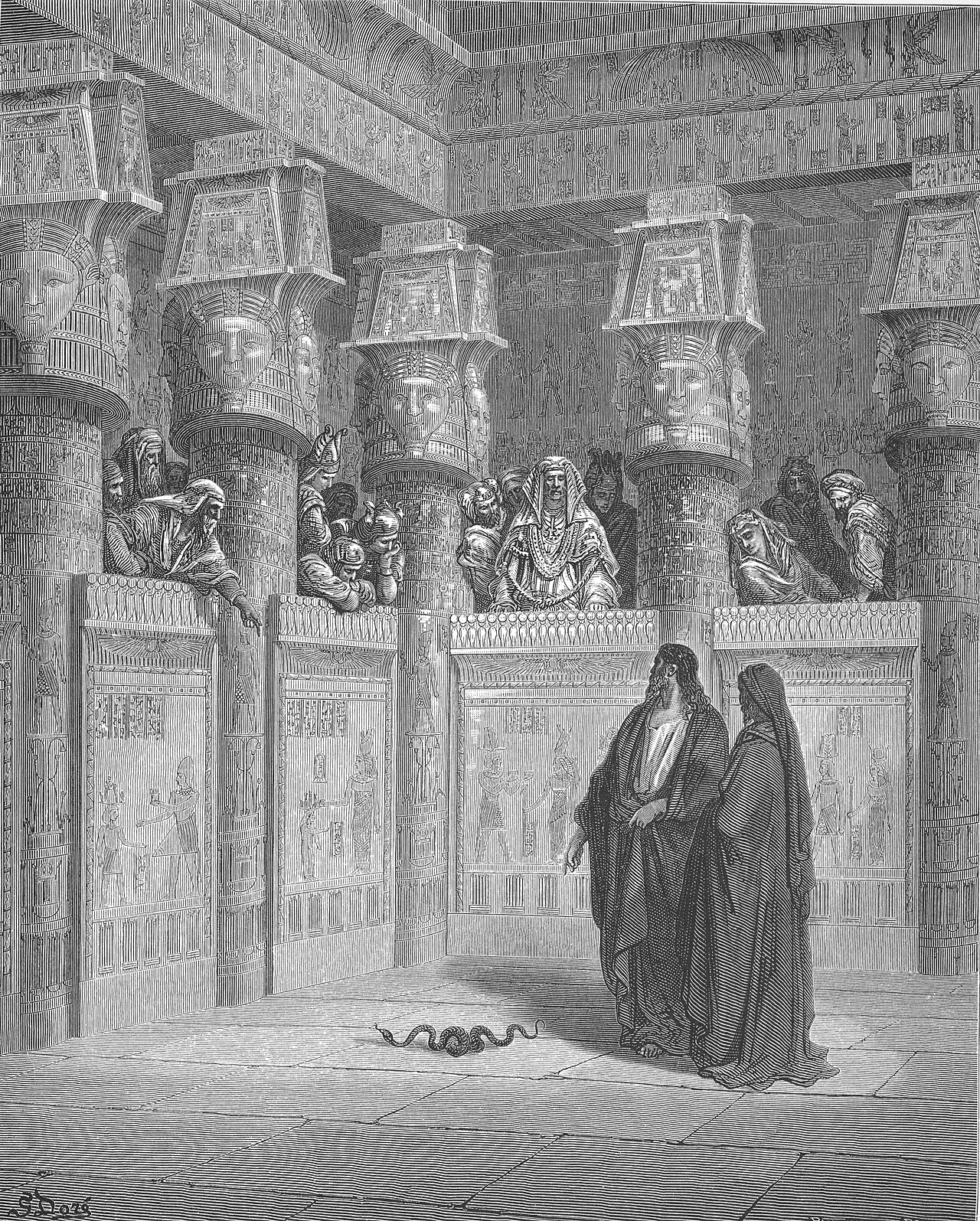
This page draws on Adam Clarke, Commentary on the Bible; Albert Barnes, Notes, Explanatory and Practical, on the Old and New Testaments (1832-1869); Jamieson, Fausset & Brown, Commentary Critical and Explanatory on the Whole Bible; John Gill, Exposition of the Old Testament; John Gill, Exposition of the Old Testament (1748-1763); John Wesley, Explanatory Notes upon the Old Testament; Keil and Delitzsch, Biblical Commentary on the Old Testament: The Pentateuch and Matthew Henry, Commentary on the Whole Bible.